• Home
  • About Us
  • Toolkit
  • Archives
  • Advertise
  • Privacy Policy

Kids Ain't Cheap

But They Sure Are Worth It

  • Parenting
    • Baby Stuff
    • Books and Reading
      • Aesops Fables
      • Comic Books
    • Education
    • Family Time
    • Green Living
    • Growing Up
    • Healthy Living & Eating
    • Holidays
    • Parenting
    • Random Musings
    • Shopping
    • Stuff to Do
  • Money
  • Product Reviews
    • Books and Magazines
    • Discount Sites
    • Furniture
    • House Keeping
    • Reviews News
    • Toys and Games
  • Contact Us
  • Our Editorial Commitment
  • Search

7 Boomer-Era Family Traditions That Lower Household Stress

January 17, 2026 | Leave a Comment

7 Boomer-Era Family Traditions That Lower Household Stress
Image source: shutterstock.com

Modern parenting can feel like a nonstop group project with a hundred tabs open in your brain. Between school messages, activity schedules, and the daily “what’s for dinner” question, stress builds fast and spills into everyone’s mood. Some older routines look old-fashioned on the surface, but they worked because they made family life more predictable. The best part is you can bring back the helpful parts without turning your house into a museum. These boomer-era family traditions can lower household stress by simplifying decisions and strengthening connection in small, repeatable ways.

1. The Same Breakfast And Lunch On School Days

A lot of families used to rotate the same few breakfasts and lunches all week. That repetition wasn’t boring; it was a stress reducer because nobody had to negotiate every morning. Kids knew what to expect, and parents didn’t burn energy making tiny decisions before work and school. You can do a modern version by choosing two breakfasts and three lunches that repeat, then keeping the ingredients stocked. Simple family traditions like this free up mental space for the things that actually need your attention.

2. A Real Sit-Down Dinner Most Nights

Boomer-era households often treated dinner like a daily anchor, even if it wasn’t fancy. Sitting down at the same time creates a predictable pause where everyone can reset. Kids tend to behave better when they know there’s a built-in moment to connect and get attention. This doesn’t require a home-cooked masterpiece, it just requires consistency and a table rule like “we sit for ten minutes together.” Family traditions that center on a daily anchor make the whole week feel less chaotic.

3. “Outside Time” As A Non-Negotiable

Many kids grew up with a simple expectation: go outside after school, even if it was just the backyard or the sidewalk. Movement and fresh air burn off stress hormones for kids and adults alike, and it prevents the after-school emotional pileup. You can adapt this by scheduling a short family walk, driveway play, or park stop a few times a week. The goal isn’t fitness; it’s decompression before homework and dinner. This is one of the easiest family traditions to bring back because it costs nothing and pays off fast.

4. A Weekly Cleaning Rhythm Instead Of Daily Panic

Older households often ran on a predictable cleaning schedule, like laundry day, bathroom day, or a Saturday morning reset. The point wasn’t perfection, it was knowing chores had a place on the calendar. When everyone understands the routine, parents stop feeling like they’re constantly “behind,” and kids stop acting shocked when asked to help. Start small with one repeating block, like a 20-minute family tidy on Sunday evening. Family traditions that build structure turn chores into a habit instead of a fight.

5. One Family Night With Simple, Repeatable Fun

Board games, a movie, popcorn, or a card game on the same night each week used to be common. That tradition reduced stress because it removed planning pressure and gave everyone something to look forward to. Kids don’t need a big event, they need reliable connection that feels fun and low-stakes. Pick a day, keep it simple, and let the routine do the heavy lifting. Family traditions that repeat weekly create calm because they make joy predictable.

6. Tech-Free “Quiet Hour” Before Bed

Boomer-era families didn’t have phones buzzing at bedtime, and that alone lowered the emotional temperature of the house. A modern version could be a tech-free hour where lights dim, voices soften, and everyone shifts into calmer activities. You can read, draw, do a puzzle, or prep clothes and backpacks for the next day. This reduces bedtime battles because kids’ brains aren’t revved up from scrolling or fast-paced shows. Family traditions that protect evening calm can improve sleep for the whole household.

7. A Sunday Planning Check-In That Stays Short

Many families used Sundays as a reset day without calling it “planning.” Clothes got ready, homework got checked, and someone looked ahead at the week’s schedule. You can make a quick modern version by reviewing the calendar, noting busy days, and deciding the easiest dinners for those nights. Keep it short and practical, because long meetings make kids tune out and parents dread it. This tiny routine lowers stress because it prevents Monday-morning surprises. Family traditions that include a weekly reset help everyone feel more prepared and less reactive.

Old-School Calm, Modern-Life Flexibility

The magic of these routines isn’t nostalgia, it’s predictability. When kids know what happens next, they feel safer, and when parents aren’t making a hundred tiny decisions a day, they feel steadier. You don’t have to adopt every tradition, just choose one or two that fit your family’s rhythm. Start small, repeat it long enough to feel automatic, and adjust without guilt when life changes. Family life gets calmer when your defaults are simple and consistent.

Which of these family traditions would lower stress in your house the fastest, and what would you tweak to make it work for your kids?

What to Read Next…

After-School Routines That Help Your Kids Wind Down And Save You Stress

7 Old-School Parenting Habits That Still Save Families Money

10 Modern Parenting Issues That Are Silently Stressing You Out

9 Family Rules That Start Out Strong but End in Chaos

8 Signs Your Child Is Hiding Stress

Catherine Reed
Catherine Reed

Catherine is a tech-savvy writer who has focused on the personal finance space for more than eight years. She has a Bachelor’s in Information Technology and enjoys showcasing how tech can simplify everyday personal finance tasks like budgeting, spending tracking, and planning for the future. Additionally, she’s explored the ins and outs of the world of side hustles and loves to share what she’s learned along the way. When she’s not working, you can find her relaxing at home in the Pacific Northwest with her two cats or enjoying a cup of coffee at her neighborhood cafe.

Filed Under: Parenting Tagged With: Family bonding, family routines, Home Organization, household stress, kids schedules, parenting routines, Screen Time, simple living

After-School Routines That Help Your Kids Wind Down And Save You Stress

December 26, 2025 | Leave a Comment

After-School Routines That Help Your Kids Wind Down And Save You Stress
Image source: shutterstock.com

That after-school window can feel like the loudest part of the day. Kids walk in hungry, wired, and carrying big emotions, while parents are trying to shift from work mode to home mode without losing it. If your afternoons slide into snack battles, homework standoffs, and sibling chaos, it’s not because your family is failing. It usually means your day needs a smoother “landing strip” between school and evening. The right after-school routines can calm the mood, cut down on meltdowns, and make the whole house feel less tense.

1. Start With A “Decompression Minute” At The Door

Kids don’t switch gears instantly, so give them a small buffer before asking questions or issuing instructions. Try a simple sequence: shoes off, backpack down, and one minute of quiet before anything else happens. This creates a predictable transition that signals safety and calm. If your child tends to explode right after walking in, this pause can prevent that first spark. When after-school routines begin with a reset, everything that follows usually goes smoother.

2. Create A Snack System That Prevents Hangry Chaos

Most afternoon drama gets worse when kids are hungry, so plan for that reality. Instead of negotiating snacks daily, build a tiny “snack menu” with two or three approved choices. Portion items in advance or keep a bin in the fridge so kids can grab something without a full kitchen takeover. This saves your patience and reduces waste because you’re not opening five options at once. Families often find that simple after-school routines around food prevent the biggest arguments.

3. Use A Movement Break To Shake Off School Energy

Many kids sit still all day, so their bodies need a chance to move before they can focus or calm down. A 10-minute movement break can be a walk, trampoline time, dance music, or a quick game in the yard. The goal isn’t a workout, it’s a pressure release. When kids get this outlet, they’re less likely to bounce off the walls during homework or dinner prep. Movement also helps kids who struggle with transitions feel more settled.

4. Set A “No Heavy Questions Yet” Rule For Parents

It’s tempting to ask, “How was school?” the second kids enter, but that often lands badly. Save big questions for later, like during dinner or bedtime, when kids are more regulated. In the moment, offer a simple connection line like, “I’m happy you’re home,” or “I missed you.” This removes pressure and keeps kids from shutting down. One reason after-school routines help is that they protect kids from feeling interrogated when they’re still decompressing.

5. Build A Homework Plan That Doesn’t Hijack The Entire Night

Homework goes better when kids know exactly when it starts and when it ends. Pick a consistent time based on your child’s needs, like right after snack or after a movement break. Use a timer or a checklist so kids can see progress and feel less overwhelmed. If your child struggles, break tasks into smaller chunks with quick breaks instead of pushing until everyone melts down. Predictability here matters because it reduces daily bargaining and power struggles.

6. Give Kids One Small “Control Choice” Every Afternoon

Kids spend most of the school day following directions, so they crave control when they get home. Offer one small choice that doesn’t derail the schedule, like choosing the snack option, picking the music, or deciding which subject to start with. This tiny bit of autonomy can lower resistance across the whole afternoon. It also helps siblings because kids are less likely to fight for power when they feel heard. If after-school routines feel too rigid, one control choice can make the structure easier to accept.

7. Make Screens A Planned Tool Instead Of A Default

Screens can be helpful, but unplanned screen time often turns into arguments and rough transitions later. Decide in advance what the screen rule is on school days, and attach it to something predictable like “after homework” or “while dinner is cooking.” Keep the boundary clear and calm, and avoid changing it based on how tired you feel that day. If screens happen, use a warning system for ending them so kids aren’t blindsided. This approach keeps screens from becoming the center of the afternoon.

8. Set Up An “Evening Prep” Habit That Saves Future You

A small amount of prep in the afternoon can make the entire evening smoother. Kids can hang coats, place papers in one spot, refill water bottles, and set out supplies for tomorrow. Keep it simple and quick, like a five-minute family reset before dinner. This reduces the morning scramble, which lowers stress for everyone. Many after-school routines work best when they protect tomorrow as much as they manage today.

9. After-School Routines That Add A Calm Connection Ritual Before Dinner

Late afternoon is a great time for a quick connection moment that grounds everyone. It can be reading together for 10 minutes, a simple card game, or a shared “high and low” check-in. Keep it short so it fits real life, even on busy days. When kids feel seen, they often behave better because they’re not trying to get attention through disruption. The goal is connection without adding another exhausting “thing” to your list.

The Peaceful Afternoon Formula That Actually Sticks

The best routines aren’t the strictest ones; they’re the ones your family can repeat without constant effort. Choose two or three anchors, like the decompression minute, a predictable snack, and a movement break, and make those your baseline. Add the other pieces as needed depending on your schedule and your child’s temperament. When afternoons feel rough, adjust the system instead of blaming yourself or your kids. When after-school routines stay consistent, home can feel calmer and everyone ends the day with more patience in the tank.

What’s the hardest part of your after-school window right now—snacks, homework, sibling noise, or transitions?

What to Read Next…

Ways to Make After-School Snacks That Are Cheap, Nutritious and Kid-Approved

7 Reasons Kids Are Getting Hurt in After-School Programs

8 After-School Activities That Drain Family Budgets the Fastest

10 Warning Signs Of Childhood Burnout (Yes, It’s a Thing Now)

The Winter Sports Swap-Up Plan That Saves on Gear Without Losing the Fun

Catherine Reed
Catherine Reed

Catherine is a tech-savvy writer who has focused on the personal finance space for more than eight years. She has a Bachelor’s in Information Technology and enjoys showcasing how tech can simplify everyday personal finance tasks like budgeting, spending tracking, and planning for the future. Additionally, she’s explored the ins and outs of the world of side hustles and loves to share what she’s learned along the way. When she’s not working, you can find her relaxing at home in the Pacific Northwest with her two cats or enjoying a cup of coffee at her neighborhood cafe.

Filed Under: Parenting Tagged With: after school, calm home, family organization, homework help, kids stress, parenting routines, parenting tips, time management

Solo Parent Moves: 8 Smart Steps Every Single Parent Should Take

July 15, 2025 | Leave a Comment

Solo Parent Moves 8 Smart Steps Every Single Parent Should Take
123rf.com

Parenting is never easy, but when you’re the only adult in the house, every decision carries more weight and every day requires a little more stamina. Whether you’re navigating a new routine after a separation or have always been the primary caregiver, solo parent moves can help you take control and create a balanced, fulfilling life for both you and your child. The good news is that being a single parent doesn’t mean doing it all alone—it just means doing it with strategy, support, and a clear sense of your priorities. These eight smart steps can help lighten the load and strengthen your family’s future.

1. Build a Budget That Reflects Real Life

One of the most important solo parent moves is creating a budget that truly matches your income and expenses. It’s tempting to rely on rough estimates, but detailed tracking helps avoid surprises and stress. Make sure to include child-related expenses like school supplies, healthcare, and activities, plus your own self-care and emergency savings. Don’t forget to update your budget as your child grows and costs shift. A clear financial plan builds confidence and helps you prepare for life’s curveballs.

2. Prioritize Legal and Custody Planning

Having the right legal paperwork in place is a critical step for any single parent. Make sure custody arrangements, visitation schedules, and child support agreements are official and documented. If you’re the sole provider, establish guardianship and write a will to outline who would care for your child if something happened to you. These solo parent moves offer peace of mind and reduce conflict down the road. Legal planning may not be fun, but it’s one of the most powerful ways to protect your child’s future.

3. Create a Support Network You Can Trust

Every solo parent needs a team, even if it’s small. Build a network of family, friends, neighbors, or other single parents who can help when life gets overwhelming. Whether it’s someone to pick up your child in an emergency or a friend to vent to after bedtime, having trusted people around you matters. Don’t be afraid to ask for help or trade favors with others in similar situations. Strong support is one of the smartest solo parent moves you can make.

4. Choose a Routine That Works for You

Structure is essential for kids, but it also helps solo parents stay organized and calm. Establish daily routines that include meals, school prep, chores, and downtime to give everyone predictability. Keep it realistic—there’s no need for perfection. Consistent routines reduce stress, improve behavior, and make mornings and evenings smoother. Adjust as needed, but don’t underestimate the power of simple structure.

5. Make Time for Self-Care (Without Guilt)

It’s easy to put your needs last, but burnout doesn’t help anyone. One of the smartest solo parent moves is to treat self-care like a necessity, not a luxury. That might mean going to bed earlier, enjoying a quiet cup of coffee, or saying no to commitments that drain you. Taking care of your mental and physical health helps you show up stronger for your child. A well-rested, emotionally supported parent is a more present and effective one.

6. Set Goals for Your Future

It’s not just about surviving today—it’s about planning for what’s next. Set personal and financial goals that inspire you, whether that’s returning to school, paying off debt, or saving for a trip. When your child sees you setting and reaching goals, they learn valuable lessons about resilience and determination. Keep your goals visible and celebrate progress, no matter how small. These solo parent moves help keep your spirit strong and your future bright.

7. Foster Open Communication with Your Child

Solo parenting often creates a unique bond between parent and child, and that bond is built on trust. Encourage open conversations where your child feels safe sharing their feelings, even if it’s hard to hear. Talk about changes, ask how they’re doing, and admit when you don’t have all the answers. These solo parent moves help build emotional security and teach your child how to express themselves honestly. The more connected you are, the stronger your relationship will be.

8. Embrace Flexibility and Forgiveness

No plan is perfect, and life with kids is always unpredictable. Give yourself permission to adjust your expectations, let go of guilt, and recover from rough days. One of the most underrated solo parent moves is learning to bend without breaking. Celebrate your wins and learn from the rest. You are doing enough—even on the days it doesn’t feel like it.

Your Strength Is in the Steps You Take

Being a solo parent doesn’t mean you have to carry everything at once—it means moving forward, step by step, with intention. The best solo parent moves are the ones that protect your peace, provide for your child, and prioritize your long-term well-being. No matter where you are on your journey, you have the ability to create a strong, stable, and joyful life for your family. Progress doesn’t require perfection—it only requires action.

What solo parent moves have helped you thrive? Share your insights and encouragement in the comments below!

Read More:

Where to Find Financial Support for Single Dads?

7 Unreasonable Demands Modern Parents Put on Themselves

Catherine Reed
Catherine Reed

Catherine is a tech-savvy writer who has focused on the personal finance space for more than eight years. She has a Bachelor’s in Information Technology and enjoys showcasing how tech can simplify everyday personal finance tasks like budgeting, spending tracking, and planning for the future. Additionally, she’s explored the ins and outs of the world of side hustles and loves to share what she’s learned along the way. When she’s not working, you can find her relaxing at home in the Pacific Northwest with her two cats or enjoying a cup of coffee at her neighborhood cafe.

Filed Under: Parenting Tagged With: child custody planning, Family Budgeting, parenting routines, parenting support, single dad guide, single mom advice, single parenting tips, solo parent moves

12 Old-School Parenting Tricks That Still Work Today

June 8, 2025 | Leave a Comment

12 Old School Parenting Tricks That Still Work Today

Modern parenting comes with apps, parenting blogs, digital behavior charts, and more advice than any human can process. But ask around, and you’ll find many of today’s parents are still leaning on tried-and-true strategies that have been passed down for generations. Some parenting approaches don’t need a tech upgrade—they’re just that good. These classic methods may feel “old-school,” but their effectiveness stands the test of time. Here are 12 old-school parenting tricks that still work today, even in a world of smart devices and social media.

1. Early Bedtimes Are Golden

Back in the day, kids were in bed before the streetlights flickered on—and for good reason. Consistent, early bedtimes help children get the rest their growing brains and bodies desperately need. They also give parents a much-needed break to recharge. Even with today’s packed schedules, this old-school parenting trick helps prevent meltdowns and improves overall behavior. Sleep routines are timeless, and this one is worth preserving.

2. Say What You Mean and Mean What You Say

Parents used to stick to their word, and kids knew better than to test the limits. Consistent follow-through teaches kids accountability and respect for boundaries. When you say, “If you don’t clean your room, you won’t get screen time,” the follow-through matters more than the threat. This old-school parenting trick helps avoid power struggles because expectations are clear. Kids thrive when the rules are steady, not shifting depending on moods or guilt.

3. Let Them Be Bored

Once upon a time, boredom wasn’t seen as a problem—it was fuel for creativity. Parents didn’t feel the need to entertain their children 24/7. Letting kids be bored encourages them to explore, invent, and build imagination. It also teaches patience and problem-solving. This old-school parenting trick still works wonders for raising independent thinkers.

4. Chores Build Character

Handing kids a broom or giving them dish duty was a rite of passage in many households. Chores help children feel responsible, capable, and part of the family team. They also teach the value of work and that everyone contributes. Today’s chore charts may be fancier, but the message behind them is just as important. This old-school parenting trick creates pride and a sense of ownership.

5. Eat Dinner Together

No phones, no TV—just family around a table. Family dinners used to be the norm, and they helped strengthen bonds, improve communication, and model manners. Even if it’s not every night, prioritizing meals together gives kids a sense of routine and connection. This old-school parenting trick is simple but powerful. The conversations that happen over mashed potatoes matter more than you think.

6. Natural Consequences Teach Best

Parents didn’t hover to prevent every minor mistake. Instead, they let kids face the natural results of their actions, like forgetting homework and dealing with the teacher’s response. This approach teaches accountability and resilience. When consequences aren’t artificially imposed but naturally occurring, kids learn faster and with less drama. It’s one of the most effective old-school parenting tricks around.

7. Respect Was a Two-Way Street

Old-school parenting had its stern moments, but many parents also modeled the respect they wanted in return. Saying “please,” “thank you,” and listening without interrupting were all expected—not just from kids, but from grown-ups too. Mutual respect fosters trust and better communication. This timeless approach helps raise polite, empathetic kids. It’s an old-school parenting trick that never goes out of style.

8. Outdoor Play Solves Almost Everything

Before screens took over, the cure for everything from grumpiness to excess energy was “Go outside and play.” Fresh air, physical activity, and a break from structured time work wonders for a child’s mood and focus. Outdoor play encourages exploration, confidence, and social skills. If you need a reset button, this old-school parenting trick still delivers. Sometimes, the backyard is better than any app.

9. Less Talking, More Doing

Back in the day, parents didn’t over-explain every rule. They gave clear instructions and expected action. While it’s important to teach reasoning, modern parenting often leans too heavily on lengthy lectures. Keeping communication simple and direct can actually reduce confusion and defiance. This old-school parenting trick reinforces authority without being authoritarian.

10. Keep It Simple

Old-school parenting often meant fewer toys, fewer rules, and less fuss. The simplicity helped kids focus on what truly mattered: time with family, creative play, and consistent values. Today, simplifying your parenting style can reduce stress for both you and your child. When life feels overwhelming, this old-school parenting trick reminds us that less really can be more.

11. Make Room for Unstructured Time

Schedules didn’t run every waking hour decades ago. Kids had free time to explore, build, rest, and play at their own pace. That kind of downtime is where confidence and self-direction often develop. Even today, unstructured time is essential for healthy development. This old-school parenting trick supports emotional balance and creative growth.

12. Lead by Example

Our parents taught us that actions speak louder than words—and they were right. Kids watch more than they listen, so your behavior is their blueprint. Whether it’s how you treat others, handle stress, or solve problems, you’re showing them what adulthood looks like. This old-school parenting trick may be the most important of all. The best lessons aren’t spoken—they’re lived.

Old Tricks, Timeless Impact

You don’t need every modern parenting gadget to raise a confident, respectful, and resilient child. Sometimes, the best strategies are the ones passed down from your own parents and grandparents. These old-school parenting tricks may seem simple, but their power lies in consistency, connection, and common sense. Don’t be afraid to blend tradition with your own style—you might just find the sweet spot.

What’s an old-school parenting trick you still use today? Share your go-to classic strategies in the comments!

Read More:

7 Parenting Hacks You’ll Wish You Learned Sooner

Why Didn’t Anyone Tell Me These Parenting Shortcuts Exist?!

Catherine Reed
Catherine Reed

Catherine is a tech-savvy writer who has focused on the personal finance space for more than eight years. She has a Bachelor’s in Information Technology and enjoys showcasing how tech can simplify everyday personal finance tasks like budgeting, spending tracking, and planning for the future. Additionally, she’s explored the ins and outs of the world of side hustles and loves to share what she’s learned along the way. When she’s not working, you can find her relaxing at home in the Pacific Northwest with her two cats or enjoying a cup of coffee at her neighborhood cafe.

Filed Under: Parenting Tagged With: child discipline, chores and kids, classic parenting tips, family connection, old-school parenting tricks, parenting advice, parenting habits, parenting routines, raising kids

13 Parenting Hacks That Seem Strange but Work Wonders

May 31, 2024 | Leave a Comment

123rf

Parenting is a journey filled with challenges and triumphs. Every parent seeks innovative ways to make their lives easier and their children’s lives better. Sometimes, the most effective solutions are the ones that seem a bit unconventional. Here are thirteen quirky parenting hacks that might raise eyebrows but truly deliver impressive results.

1. Use a Pizza Cutter for Pancakes

DALL-E

Cutting pancakes with a fork and knife can be time-consuming, especially with hungry kids at the table. A pizza cutter slices through pancakes effortlessly, making breakfast prep a breeze. It’s quicker, cleaner, and even fun for kids to watch. This trick can also be applied to other foods like sandwiches and waffles. By simplifying meal times, you can focus more on enjoying family moments. Next time you serve breakfast, give this quirky tool a try and see the difference it makes.

2. Keep a “Yes” Basket

DALL-E

Children often hear the word “no” throughout the day, which can be frustrating for them. Create a “Yes” basket filled with items and activities you can always say yes to. This can include healthy snacks, small toys, or simple activities like coloring books. When kids ask for something from this basket, they get a positive response, fostering a happier environment. It also helps in managing their expectations and understanding boundaries. The “Yes” basket is a simple yet effective way to promote positivity in your home.

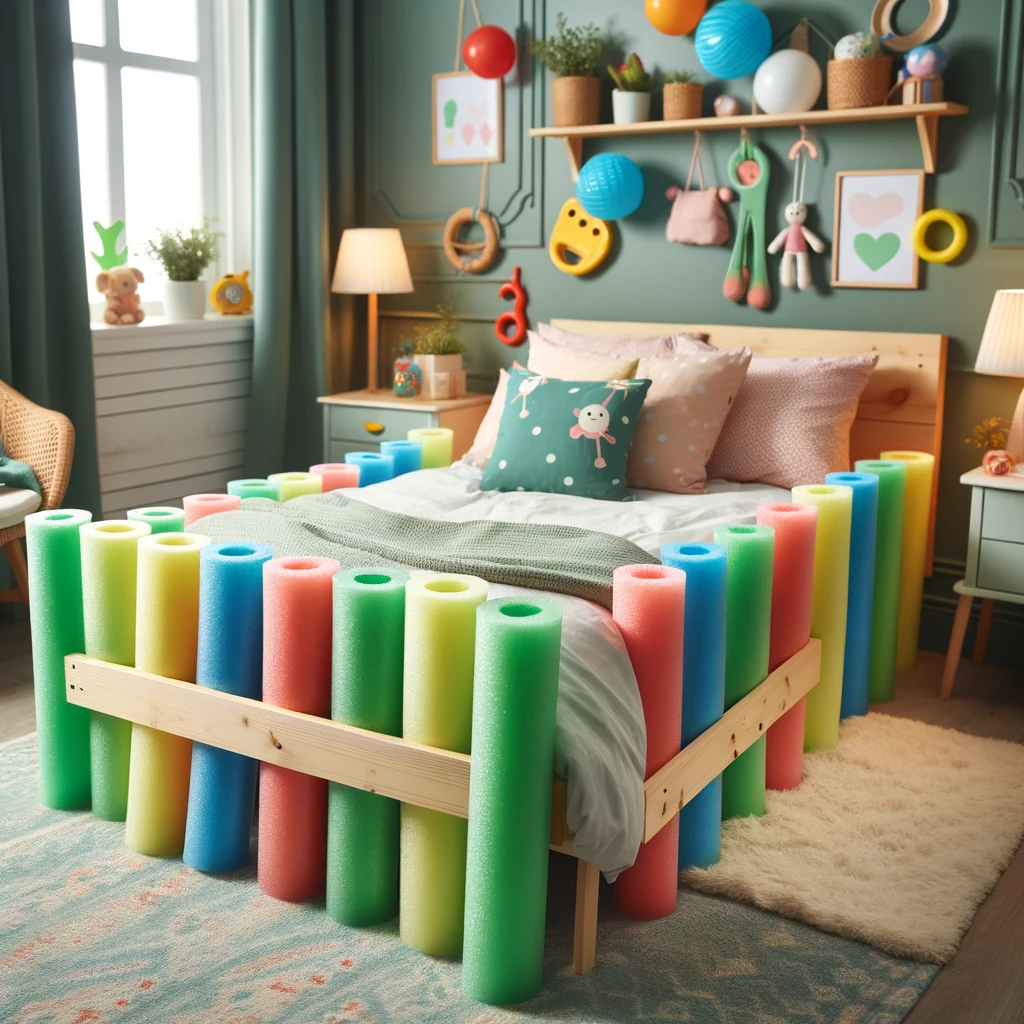
3. Pool Noodles as Bed Bumpers

DALL-E

Transitioning your child from a crib to a bed can be challenging, especially with concerns about them falling out. Pool noodles can be placed under the fitted sheet on the edges of the bed to act as bumpers. They create a gentle barrier that prevents falls without the need for bulky bed rails. This hack is not only cost-effective but also easy to implement. Pool noodles are lightweight and can be easily stored when not in use. It’s a clever way to ensure your child’s safety during sleep transitions.

4. Frozen Marshmallows for Sore Throats

DALL-E

Sore throats can make kids miserable, and getting them to take medicine can be a battle. Frozen marshmallows can provide soothing relief and are more appealing to children. The cold helps numb the throat, while the soft texture makes them easy to consume. It’s a sweet treat that also serves a medicinal purpose. This hack can make a big difference during cold and flu season. Plus, it’s a fun and tasty way to help your child feel better.

5. Use a Sticker Chart for Bedtime Routines

123rf

Establishing a bedtime routine can be a struggle, especially with young children. A sticker chart can make the process more engaging and rewarding. Each step of the bedtime routine (brushing teeth, putting on pajamas, etc.) earns them a sticker. Once they complete the chart, they receive a small reward. This visual representation of their progress encourages consistency. It also turns bedtime into a positive and structured activity. Over time, this hack can help instill good habits and make bedtime smoother.

6. Baby Powder for Sand Removal

DALL-E

Trips to the beach are fun but dealing with sand can be a hassle. Baby powder can be a game-changer in removing sand from skin. Simply sprinkle some on sandy areas, and the powder absorbs the moisture, making the sand easier to brush off. This hack is especially useful for getting sand off children’s feet and hands. It reduces the mess and keeps your car cleaner after beach outings. It’s a simple solution that enhances your beach experience.

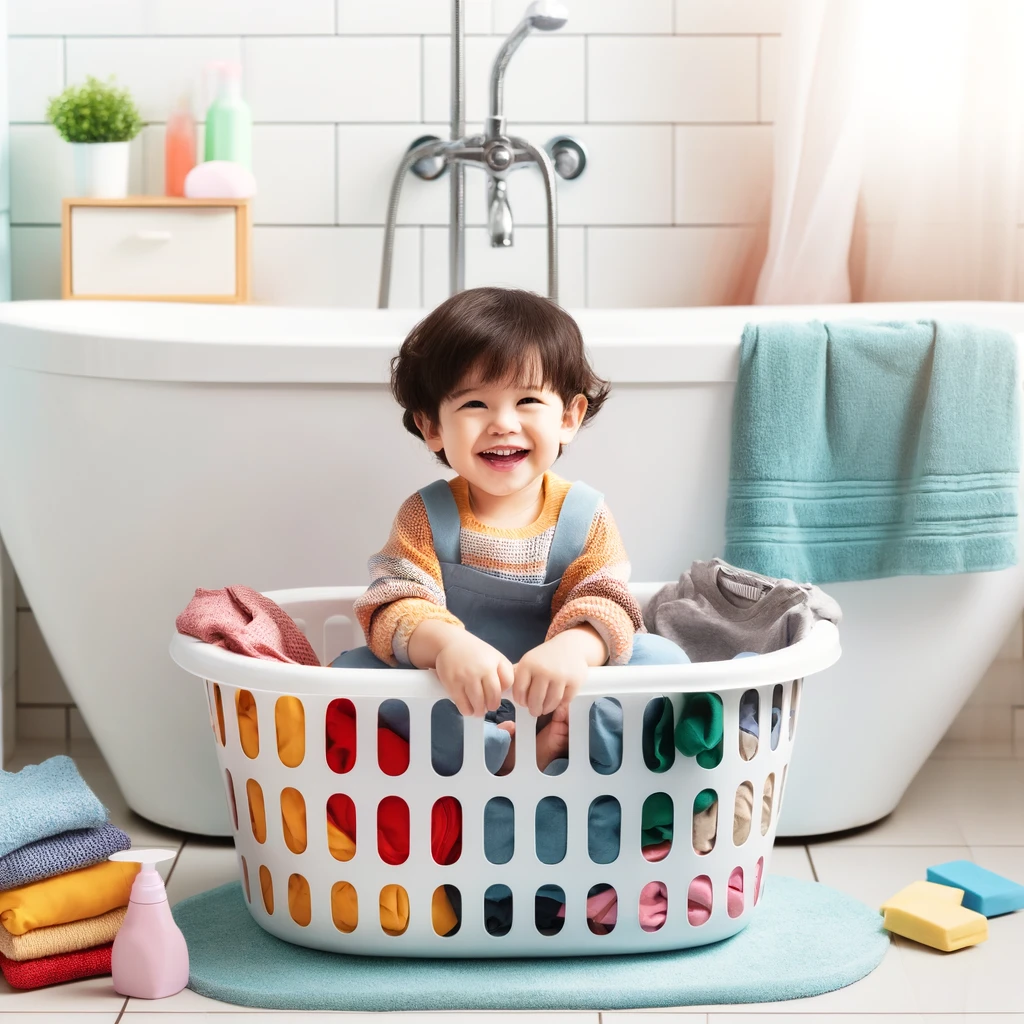
7. Use a Laundry Basket in the Bathtub

DALL-E

Bath time can be tricky with young kids who love to play. Placing a laundry basket in the bathtub keeps their toys within reach and prevents them from floating away. It also creates a smaller, safer bathing area for toddlers. The holes in the basket allow water to flow through, making it a practical choice. This hack simplifies bath time and ensures that your child has everything they need. It’s a creative way to manage bath toys and keep bath time fun.

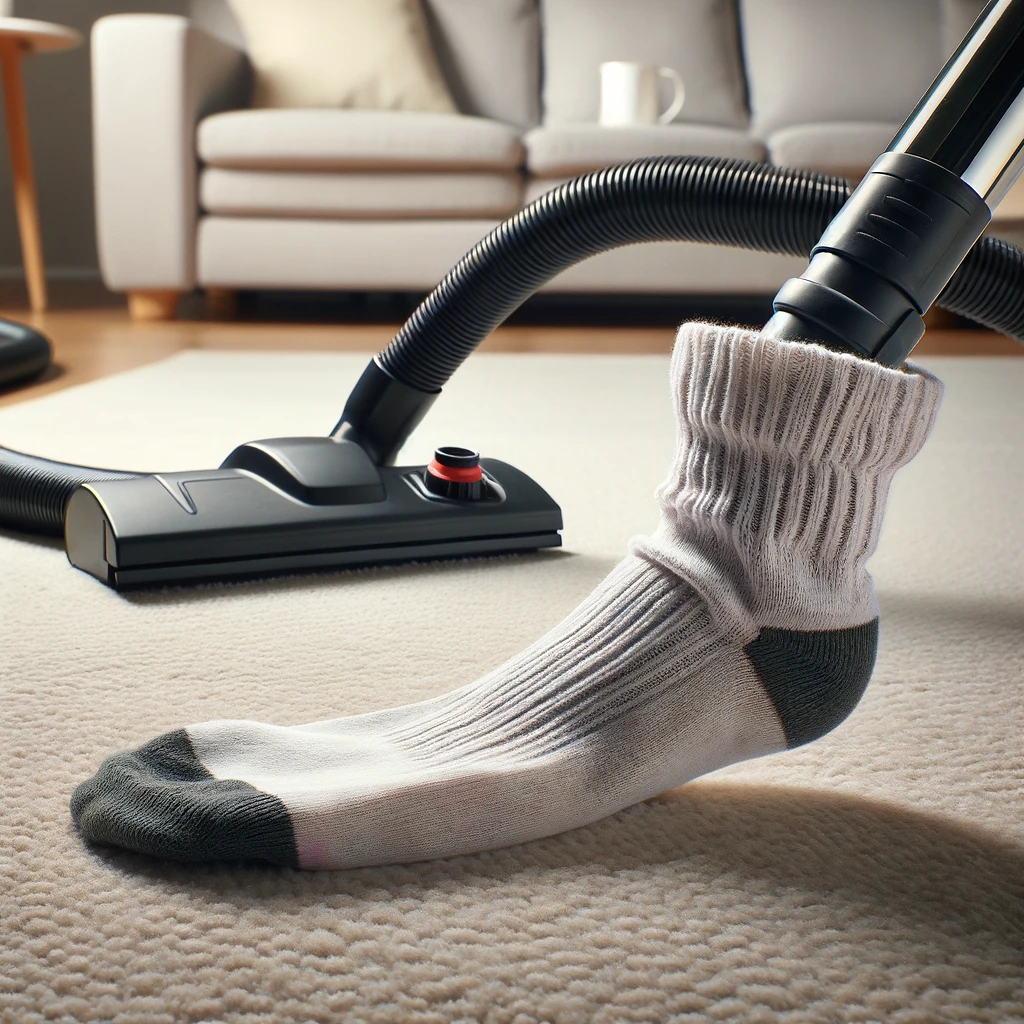
8. Sock Over a Vacuum for Lost Items

DALL-E

Small toys and items often get lost under furniture, which can be frustrating. Placing a sock over the end of a vacuum hose can help retrieve these items without sucking them into the vacuum. The sock catches the item while the vacuum provides the suction needed to reach it. This hack is particularly useful for recovering small toys, jewelry, or tiny parts. It’s a clever and efficient solution for everyday parenting challenges. Plus, it saves time and effort in finding lost items.

9. Color Code Your Kids

DALL-E

If you have multiple children, keeping track of their belongings can be a challenge. Color-coding items like toothbrushes, cups, and clothes can simplify this task. Assigning each child a specific color helps them identify their own items easily. It reduces arguments and mix-ups, promoting a sense of ownership and responsibility. This hack works well for organizing school supplies and personal belongings. It’s a simple strategy that brings order and clarity to a busy household.

10. Shower Caps for Shoes

DALL-E

Shoes can bring dirt and germs into your home, which is especially concerning with young children. Using shower caps to cover shoes when entering the house can help maintain cleanliness. The elastic band of the shower cap fits snugly around the shoes, trapping dirt and preventing it from spreading. This hack is easy to implement and cost-effective. It keeps floors cleaner and reduces the time spent on cleaning. It’s a practical solution for maintaining a hygienic home environment.

11. Kitchen Tongs for Toilet Paper

Designer

Toilet paper rolls can be tricky for young children to handle, often resulting in wasted paper. Using kitchen tongs to hold and dispense toilet paper can make it easier for kids. The tongs provide a firm grip and control over the paper, reducing waste. This hack is particularly useful during potty training. It also helps children develop fine motor skills and independence. It’s a simple yet effective way to make bathroom routines smoother.

12. Balloon Game for Clean-Up Time

Designer

Getting kids to clean up their toys can be a challenge. Turning it into a game with balloons can make the process fun and engaging. Blow up a balloon and set a timer, challenging your child to clean up before the balloon touches the ground. This adds an element of excitement and urgency to the task. It encourages cooperation and teamwork, especially with multiple children. This hack turns a mundane chore into an enjoyable activity, fostering a positive attitude towards cleaning.

13. Use a Rubber Band for Door Safety

Designer

Doors can pose a risk to young children, with the potential for pinched fingers. Placing a rubber band around the door handles, stretching it across both sides of the door, prevents it from fully closing. This creates a buffer that keeps doors slightly ajar, reducing the risk of injuries. It’s an easy and inexpensive way to childproof your home. This hack provides peace of mind and ensures a safer environment for your kids. It’s a practical solution for everyday safety concerns.

Embrace the Unconventional for Effective Parenting

Designer

Parenting often requires thinking outside the box, and these strange yet effective hacks can make a significant difference in daily routines. From using a pizza cutter for pancakes to color-coding your kids’ belongings, these tips are designed to simplify and enhance your parenting experience. Embrace these unconventional methods and discover how they can work wonders in your household.

Latrice Perez

Latrice is a dedicated professional with a rich background in social work, complemented by an Associate Degree in the field. Her journey has been uniquely shaped by the rewarding experience of being a stay-at-home mom to her two children, aged 13 and 5. This role has not only been a testament to her commitment to family but has also provided her with invaluable life lessons and insights.  As a mother, Latrice has embraced the opportunity to educate her children on essential life skills, with a special focus on financial literacy.

Filed Under: Parenting Tagged With: child safety, family life, parenting hacks, parenting routines, parenting tips, strange but effective parenting, unconventional parenting tips

  • Facebook
  • Pinterest
  • RSS
  • Twitter

Basic Principles Of Good Parenting

Here some basic principles for good parenting:

  1. What You Do Matters: Your kids are watching you. So, be purposeful about what you want to accomplish.
  2. You Can’t be Too Loving: Don’t replace love with material possessions, lowered expectations or leniency.
  3. Be Involved Your Kids Life: Arrange your priorities to focus on what your kid’s needs. Be there mentally and physically.
  4. Adapt Your Parenting: Children grow quickly, so keep pace with your child’s development.
  5. Establish and Set Rules: The rules you set for children will establish the rules they set for themselves later.  Avoid harsh discipline and be consistent.
  6. Explain Your Decisions: What is obvious to you may not be evident to your child. They don’t have the experience you do.
  7. Be Respectful To Your Child: How you treat your child is how they will treat others.  Be polite, respectful and make an effort to pay attention.
Best Parenting Blogs

Most Popular

Baby

9 Unusual Baby Names That Sound Like They Belong to Future CEOs

Evan Morgan
Baby

10 Baby Names That Were Once Considered “Grandparent Names” but Feel Cool Again

Evan Morgan
Target Store

Choking Incident Prompts Recall of 49,000 Target Gigglescape “Under the Sea” Popping Toys

Evan Morgan
Frustrated Girl

Why Some Students on the Spectrum Are Labeled With ODD

Evan Morgan
Coke Bottles

12 Things Kids Took to School in the ’70s That Would Never Be Allowed Today

Evan Morgan

All content on Kids Ain’t Cheap is for entertainment purposes only. By reading this blog, you agree that Kids Ain’t Cheap is not responsible for any actions taken after reading this blog. For the full disclaimer, see our privacy policy.

Please note that Kids Ain’t Cheap has financial relationships with some of the merchants mentioned here. Kids Ain’t Cheap is funded by banner advertising, commission sales and search optimization consulting.

Copyright © 2006–2026 | District Media | All Rights Reserved | Privacy Policy

Copyright © 2026 Runway Pro Theme by Viva la Violette