• Home
  • About Us
  • Toolkit
  • Archives
  • Advertise
  • Privacy Policy

Kids Ain't Cheap

But They Sure Are Worth It

  • Parenting
    • Baby Stuff
    • Books and Reading
      • Aesops Fables
      • Comic Books
    • Education
    • Family Time
    • Green Living
    • Growing Up
    • Healthy Living & Eating
    • Holidays
    • Parenting
    • Random Musings
    • Shopping
    • Stuff to Do
  • Money
  • Product Reviews
    • Books and Magazines
    • Discount Sites
    • Furniture
    • House Keeping
    • Reviews News
    • Toys and Games
  • Contact Us
  • Our Editorial Commitment
  • Search

5 Assistive Technology Tools Changing How Children Learn in School

April 26, 2026 | Leave a Comment

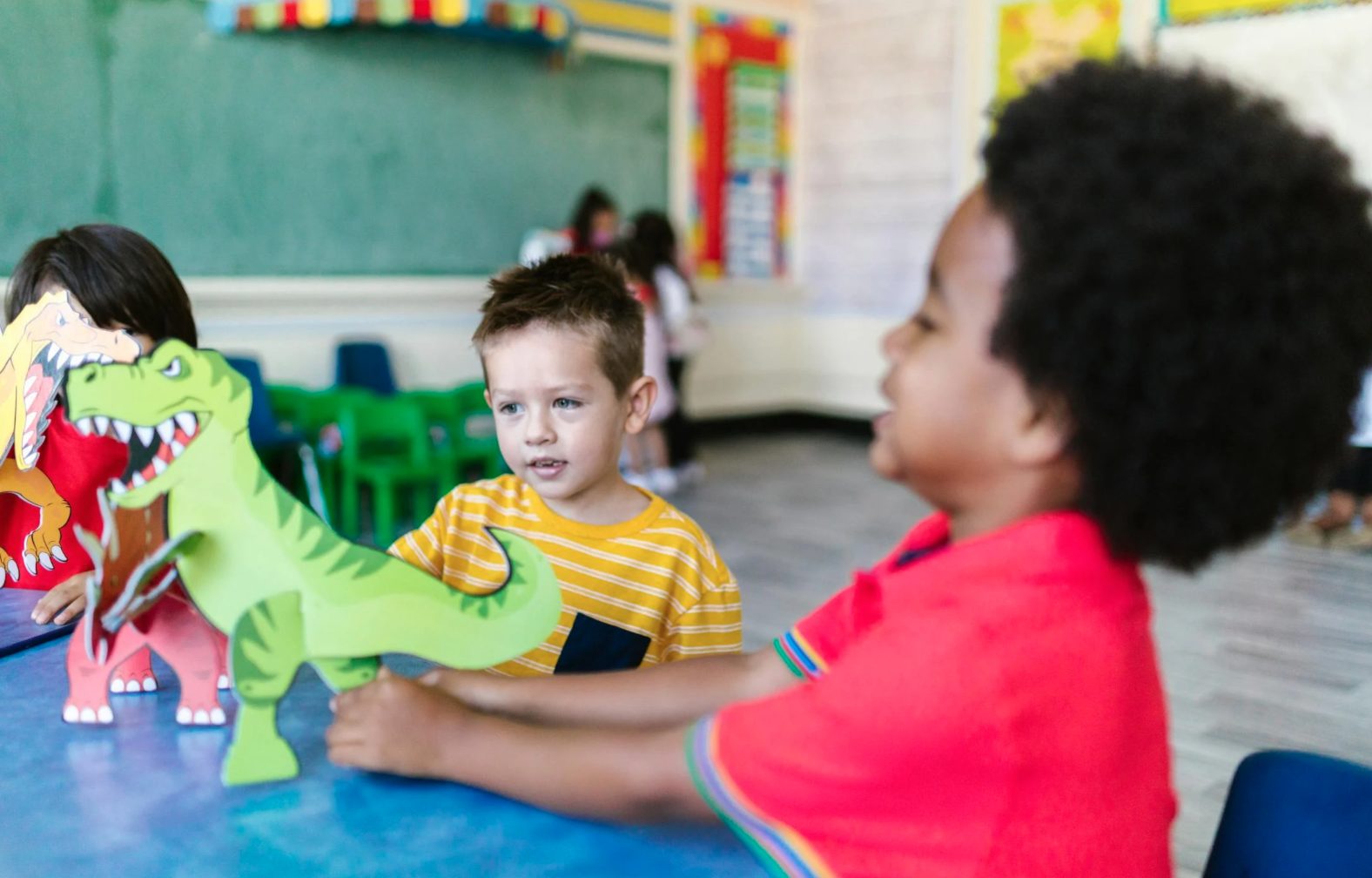
Kids In Classroom
Image Source: Pexels

Classrooms today look very different from just a decade ago, especially with the rapid rise of assistive technology tools. These innovations are helping children with diverse learning needs participate more fully and confidently in school. From students with dyslexia to those with mobility challenges, technology is breaking down barriers that once limited access to education. Teachers are also finding these tools useful for creating more inclusive and engaging lessons for everyone. As schools continue to evolve, understanding which assistive technology tools truly make a difference is more important than ever.

1. Text-to-Speech Tools Improve Reading Confidence

Text-to-speech software is one of the most widely used assistive technology tools in modern classrooms. Programs like NaturalReader and built-in device features can read digital text aloud, helping students who struggle with reading comprehension. For example, a child with dyslexia can listen to a passage while following along visually, reinforcing word recognition and understanding. Research shows that audio-supported reading can significantly improve literacy outcomes over time. Teachers often report that students using these tools participate more in class discussions because they feel less anxious about reading independently.

2. Speech-to-Text Tools Support Writing Skills

Speech-to-text technology allows students to dictate their thoughts instead of typing or handwriting them. Tools like Google Docs voice typing are commonly used in schools to support children with writing challenges. For instance, a student with dysgraphia can focus on expressing ideas without being slowed down by spelling or motor difficulties. Studies indicate that students using speech-to-text often produce longer and more detailed written responses. This helps ensure that students are evaluated based on their understanding rather than physical writing ability.

3. Audiobooks Make Learning More Accessible

Audiobooks have become a powerful learning resource, especially when integrated into classroom instruction. Platforms like Learning Ally provide access to thousands of titles, including textbooks and literature. For students who struggle with traditional reading, audiobooks offer an alternative way to absorb information. A practical example is a student listening to assigned reading during a commute or at home, reinforcing learning outside the classroom. Research suggests that combining audio and visual input can improve retention and comprehension significantly.

4. Visual Learning Apps Enhance Understanding

Visual-based apps are transforming how complex subjects are taught in schools. Tools like Khan Academy use diagrams, animations, and interactive features to simplify difficult concepts. For example, a student struggling with math can watch step-by-step visual explanations instead of relying only on written instructions. This approach is especially helpful for visual learners and students with attention difficulties. Teachers can also tailor lessons to match individual learning speeds, improving comprehension and engagement.

5. Adaptive Keyboards and Devices Improve Accessibility

Adaptive hardware, such as specialized keyboards and touch devices, plays a critical role in supporting students with physical disabilities. These tools are designed to accommodate different motor skills, allowing children to interact with technology more easily. For instance, a student with limited hand mobility might use a large-key keyboard or touchscreen device. Schools that invest in adaptive devices often report increased participation and independence among students. These assistive technology tools ensure that every child has the opportunity to succeed regardless of physical limitations.

Why Assistive Technology Tools Are Reshaping Education

The growing use of assistive technology tools is about creating equal opportunities for all students. These tools address real challenges with practical and proven solutions that improve learning outcomes. Teachers are increasingly trained to integrate these technologies into their lesson plans effectively. Parents also play a role by supporting consistent use of these tools at home. As technology advances, classrooms are becoming more inclusive and adaptable to different learning needs.

The Future of Learning Starts With Inclusion

Education is evolving, and assistive technology tools are leading that transformation in meaningful ways. By embracing these innovations, schools create environments where every student can thrive academically and socially. The impact goes beyond grades, helping build confidence, independence, and long-term success. While challenges such as cost and training remain, the benefits continue to outweigh the drawbacks.

What assistive technology tools have made a difference in your experience, and how do you think they will shape the future of education? Share your thoughts in the comments and join the conversation.

What to Read Next

6 Parenting Tech Shortcuts That Can Expose Your Child to Strangers

7 Technology Tools in Schools That Could Be Violating Your Privacy

10 Popular Discipline Techniques That Have Been Quietly Discredited

Evan Morgan

Evan Morgan has been a full-time freelance writer and editor for 10+ years. When not working, he enjoys catching the latest true crime documentary or getting lost in a good book.

Filed Under: Education Tagged With: assistive technology tools, classroom tools, education technology, inclusive learning, student success

Assistive Technology for Kids: Why More Schools Are Adopting Learning Tools

April 25, 2026 | Leave a Comment

Girl In Classroom
Image Source: Pexels

Assistive technology is no longer a niche solution in classrooms—it’s becoming a standard part of modern education. From speech-to-text software to interactive learning apps, these tools are helping students of all abilities succeed. As classrooms grow more diverse, educators are turning to solutions that support individualized learning without isolating students. The shift is not just about accessibility; it’s about equity, engagement, and long-term academic success. Across the country, schools are investing in assistive technology for kids to bridge learning gaps and create more inclusive environments.

What Is Assistive Technology for Kids and Why It Matters

Assistive technology for kids refers to tools designed to help students overcome learning challenges and participate fully in the classroom. These can range from simple tools like audiobooks to advanced software that converts speech into text in real time. According to industry reports from EdTech Magazine, nearly 70% of educators say these tools improve student engagement. For example, a child with dyslexia might use text-to-speech software to better understand reading assignments. This technology empowers students to learn in ways that match their strengths rather than forcing them into one rigid method.

How Schools Are Integrating Learning Tools into Everyday Classrooms

Many schools are embedding assistive technology for kids directly into their daily teaching practices rather than treating it as a separate support system. Teachers now use tools like Google Classroom extensions, adaptive math platforms, and voice recognition software during regular lessons. In a typical classroom, you might see one student using a tablet for note-taking while another listens to a lesson through headphones. This normalization reduces stigma and encourages all students to explore different ways of learning. As a result, assistive tools are becoming as common as textbooks and whiteboards.

Real-Life Impact: Students Gaining Confidence and Independence

The real power of assistive technology for kids becomes clear when you see how it changes student confidence. Consider a middle school student with ADHD who struggles to stay organized; digital planners and reminder apps can help them manage assignments independently. Another example is a child with limited motor skills using touch-screen devices to complete tasks they couldn’t do before. Parents often report that these tools reduce frustration and increase motivation at home as well as at school. Over time, students develop stronger self-advocacy skills because they understand what tools help them succeed.

Addressing Common Concerns and Misconceptions

Some parents worry that assistive technology for kids might give certain students an unfair advantage or create reliance on devices. In reality, these tools are designed to level the playing field, not tilt it. Just like glasses help someone see clearly, assistive tools help students access information more effectively. Another concern is screen time, but many schools carefully balance digital and traditional learning methods. By addressing these concerns openly, schools are building trust with families and communities.

The Role of Data and Research in Driving Adoption

The growing adoption of assistive technology for kids is backed by strong research and measurable outcomes. Studies from private education research firms show that students using assistive tools often demonstrate improved reading comprehension and higher test scores. For instance, speech-to-text software has been shown to significantly increase writing output for students with learning disabilities. Schools are also using data analytics to track student progress and adjust tools as needed. This evidence-based approach ensures that investments in technology deliver real educational benefits.

What Parents Should Know Before Choosing Learning Tools

Parents play a crucial role in supporting the use of assistive technology for kids both in and out of school. It’s important to choose tools that align with a child’s specific needs rather than following trends. For example, a child who struggles with reading might benefit more from audiobooks than from typing software. Parents should also collaborate with teachers and specialists to ensure consistency between home and school environments. With the right approach, families can turn technology into a powerful ally in their child’s education.

The Bigger Picture: Building Inclusive Classrooms for the Future

The rise of assistive technology for kids reflects a broader shift toward inclusive education that benefits every student. By integrating these tools into everyday learning, schools are creating environments where differences are supported rather than overlooked. This approach not only improves academic outcomes but also prepares students for a more diverse and tech-driven world. As innovation continues, the possibilities for personalized learning will only expand.

How do you feel about the growing role of technology in classrooms, and what tools have made the biggest difference for your child? Share your thoughts in the comments below and join the conversation.

What to Read Next

Is Technology Making Our Younger Generations Less Socially Functional ?

Tech Outage: What Happens When Your Parenting App Fails in a Crisis

7 Technology Tools in Schools That Could Be Violating Your Privacy

Evan Morgan

Evan Morgan has been a full-time freelance writer and editor for 10+ years. When not working, he enjoys catching the latest true crime documentary or getting lost in a good book.

Filed Under: Education Tagged With: assistive technology for kids, classroom tools, education technology, learning disabilities, special education

  • Facebook
  • Pinterest
  • RSS
  • Twitter

Basic Principles Of Good Parenting

Here some basic principles for good parenting:

  1. What You Do Matters: Your kids are watching you. So, be purposeful about what you want to accomplish.
  2. You Can’t be Too Loving: Don’t replace love with material possessions, lowered expectations or leniency.
  3. Be Involved Your Kids Life: Arrange your priorities to focus on what your kid’s needs. Be there mentally and physically.
  4. Adapt Your Parenting: Children grow quickly, so keep pace with your child’s development.
  5. Establish and Set Rules: The rules you set for children will establish the rules they set for themselves later.  Avoid harsh discipline and be consistent.
  6. Explain Your Decisions: What is obvious to you may not be evident to your child. They don’t have the experience you do.
  7. Be Respectful To Your Child: How you treat your child is how they will treat others.  Be polite, respectful and make an effort to pay attention.
Best Parenting Blogs

Most Popular

Baby

9 Unusual Baby Names That Sound Like They Belong to Future CEOs

Evan Morgan
Baby

10 Baby Names That Were Once Considered “Grandparent Names” but Feel Cool Again

Evan Morgan
Target Store

Choking Incident Prompts Recall of 49,000 Target Gigglescape “Under the Sea” Popping Toys

Evan Morgan
Frustrated Girl

Why Some Students on the Spectrum Are Labeled With ODD

Evan Morgan
Coke Bottles

12 Things Kids Took to School in the ’70s That Would Never Be Allowed Today

Evan Morgan

All content on Kids Ain’t Cheap is for entertainment purposes only. By reading this blog, you agree that Kids Ain’t Cheap is not responsible for any actions taken after reading this blog. For the full disclaimer, see our privacy policy.

Please note that Kids Ain’t Cheap has financial relationships with some of the merchants mentioned here. Kids Ain’t Cheap is funded by banner advertising, commission sales and search optimization consulting.

Copyright © 2006–2026 | District Media | All Rights Reserved | Privacy Policy

Copyright © 2026 Runway Pro Theme by Viva la Violette