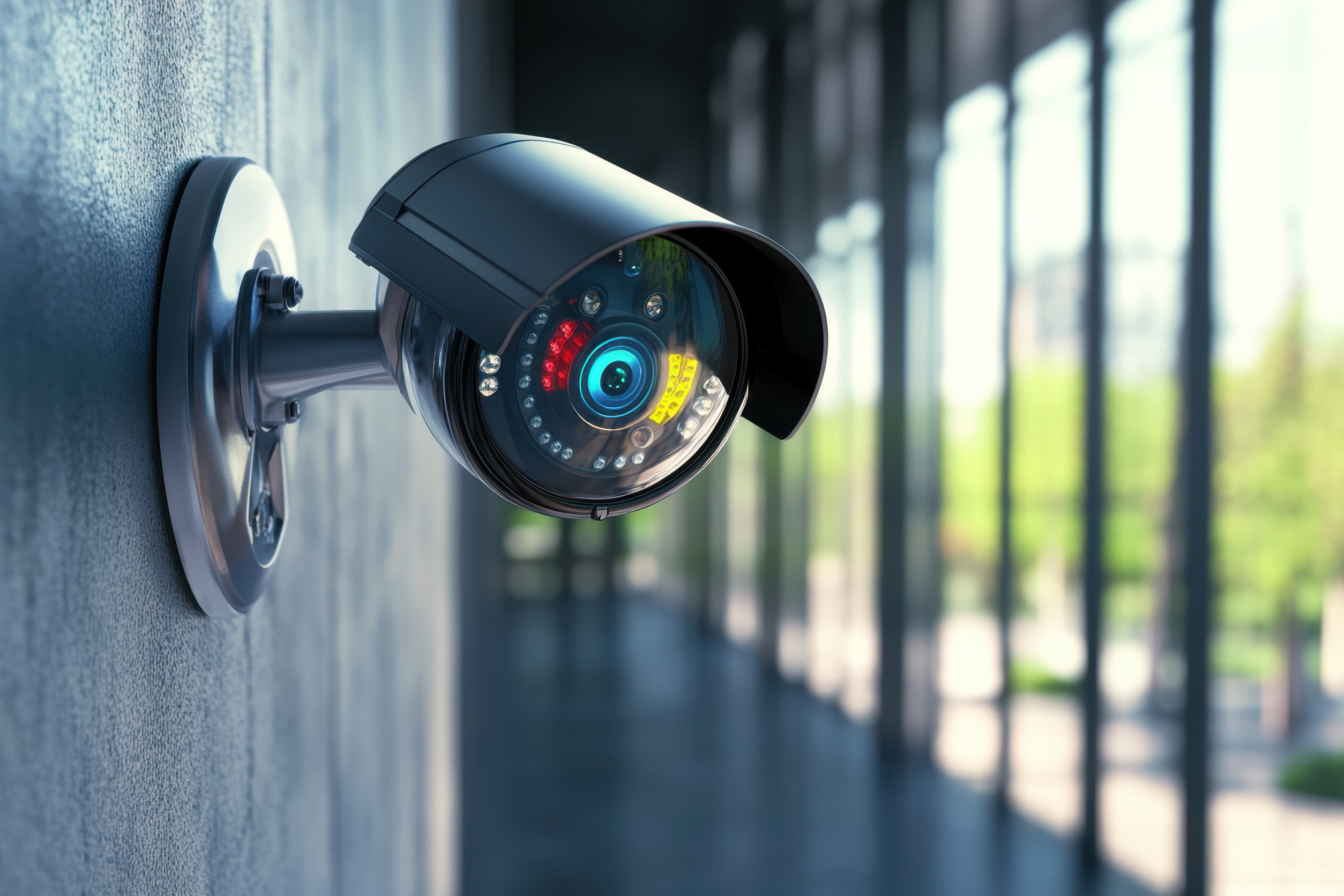
More schools across the country are installing surveillance cameras in classrooms, hallways, cafeterias, and even on school buses. While the goal is to enhance safety and deter violence, these systems raise serious questions for parents about how much is too much. The privacy implications of school cameras go far beyond catching a food fight on video. They affect how students behave, how discipline is handled, and even what rights families have when it comes to accessing or controlling footage. Before you assume cameras make schools safer, consider these eight privacy concerns that may be affecting your child without you even realizing it.
1. Constant Monitoring Can Affect Student Behavior
Kids thrive when they feel trusted, and constant surveillance can send the opposite message. The presence of school cameras may make some students feel anxious or self-conscious, especially if they’re neurodivergent or already struggling socially. While intended to boost discipline, surveillance may also lead to kids feeling like they can’t make harmless mistakes without consequences. The long-term effect can be a chilling one—students may stop raising their hands, asking questions, or expressing themselves freely. The psychological toll is one of the most subtle but significant privacy implications of school cameras.
2. Surveillance Footage Isn’t Always Secure
Video recordings from school cameras are stored digitally, and like any digital data, they’re vulnerable to breaches. Schools may not have the resources or cybersecurity infrastructure to protect these files from hackers or unauthorized access. If leaked, these videos could expose students’ identities, behaviors, or even medical-related incidents. Parents often assume the data is secure, but unless policies are clearly outlined, there’s no guarantee. Schools should be required to disclose how footage is stored, who can access it, and how long it is retained.
3. Parents May Be Denied Access
Surprisingly, even though your child may be on the footage, parents don’t automatically have the right to view surveillance videos. Many schools cite privacy concerns for other students in the footage as a reason to deny access. This can make it difficult for parents to advocate for their child after an incident, especially in cases involving bullying or accusations. The privacy implications of school cameras include this frustrating lack of transparency. If your school uses surveillance, ask for a copy of their access policy in writing.
4. Facial Recognition Raises New Concerns
Some schools are beginning to integrate facial recognition technology into their camera systems to track attendance or identify potential threats. While it sounds high-tech, facial recognition brings a host of new privacy issues—especially for children. These systems may misidentify students, store facial data indefinitely, or share that information with third-party vendors or law enforcement. Students don’t always know they’re being scanned, and families may not have the option to opt out. These expanding capabilities show how the privacy implications of school cameras are rapidly evolving.
5. Audio Recording Adds Another Layer
Many newer school surveillance systems now include audio recording alongside video. This means hallway chats, classroom discussions, and even private conversations could be picked up without anyone realizing. Unlike video footage, which may have a clear safety purpose, recording voices creates a new level of intrusion. Students may hesitate to speak freely if they believe every word is being recorded. Parents should ask whether audio surveillance is being used and under what circumstances it is reviewed.
6. Teachers and Staff Are Also Affected
The privacy implications of school cameras don’t just apply to students. Teachers and school staff may also be recorded during lessons, planning time, or disciplinary moments, sometimes without clear boundaries. This can make educators feel like they’re under constant scrutiny and impact how they manage their classrooms. It also raises questions about workplace monitoring and labor rights within the education system. Just because cameras are present doesn’t mean everyone is comfortable with them.
7. Disciplinary Bias Can Increase
Surveillance footage is often used as evidence in disciplinary decisions, but it doesn’t always tell the full story. Context can be lost in clips, and implicit bias can affect how administrators interpret what they see. Students of color or students with disabilities may be disciplined more harshly based on video footage, reinforcing existing disparities. The privacy implications of school cameras include how footage can shape perceptions unfairly. It’s critical for schools to use clear, equitable standards when reviewing and responding to video.
8. Consent Is Rarely Requested
Perhaps the most overlooked issue is that most schools install cameras without ever seeking student or parent consent. Unlike other types of monitoring—like social media policies or data collection—surveillance systems often roll out quietly. This lack of transparency leaves families in the dark about when, where, and why their children are being watched. Informed consent should be a basic right when it comes to monitoring minors in public institutions. But today, it’s more of an exception than a rule.
Schools Should Protect Safety and Privacy
The push for safety in schools is real and necessary, but it shouldn’t come at the cost of our children’s rights. The privacy implications of school cameras are complex and often underreported, leaving families unsure where to turn. By asking questions, requesting transparency, and advocating for smarter policies, parents can help strike a better balance. Surveillance might catch misbehavior, but a culture of trust and respect will always do more to prevent it. Keep the conversation going—because awareness is the first step toward change.
Has your child’s school installed cameras? What privacy concerns have come up for your family? Share your thoughts in the comments.
Read More:
7 Reasons You Shouldn’t Waste Money on Private Schools
Can School Be Bad For Your Child?

Catherine is a tech-savvy writer who has focused on the personal finance space for more than eight years. She has a Bachelor’s in Information Technology and enjoys showcasing how tech can simplify everyday personal finance tasks like budgeting, spending tracking, and planning for the future. Additionally, she’s explored the ins and outs of the world of side hustles and loves to share what she’s learned along the way. When she’s not working, you can find her relaxing at home in the Pacific Northwest with her two cats or enjoying a cup of coffee at her neighborhood cafe.
