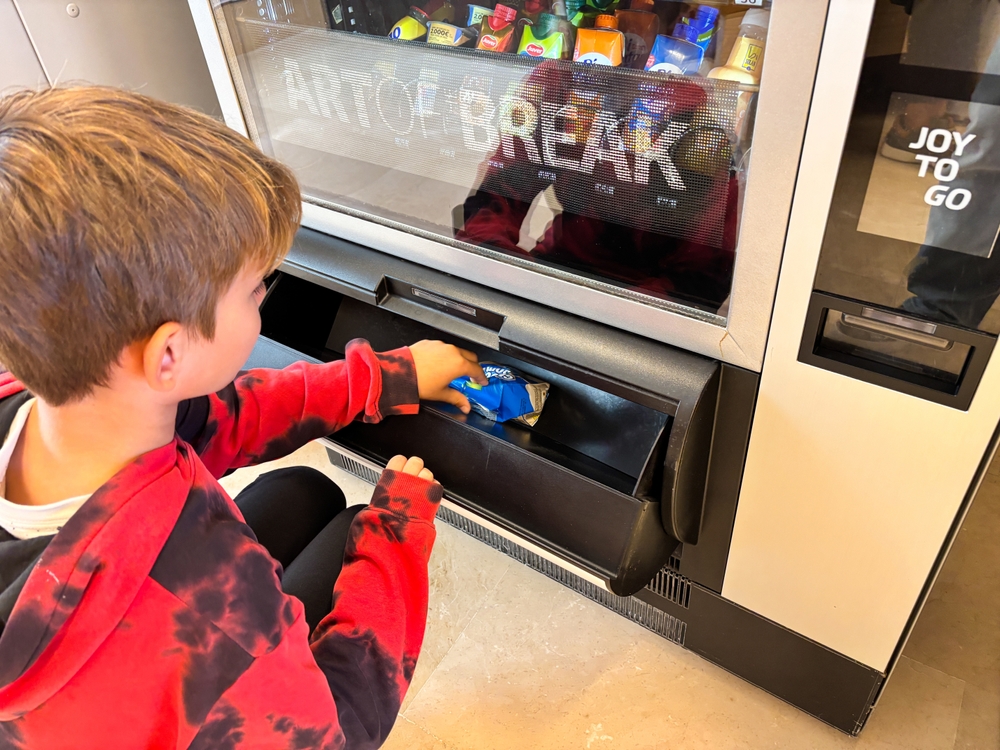
School lunch should be the predictable middle of the day, so families get uneasy when cafeterias change quickly. What gets framed as an “efficiency” update can affect nutrition, behavior, and whether kids feel safe eating in front of peers. Some districts face tight lunch periods, staff vacancies, aging kitchens, and higher food costs at the same time. That combination is why a few schools experiment with vending machines to keep food available with fewer moving parts.
What Schools Are Trying to Solve
Many schools run lunch in waves, and long lines can swallow most of the period. Crowded cafeterias can also spark noise and conflict that follows kids back to class. Administrators want faster service, cleaner transitions, and fewer students wandering halls. They also want less waste when participation shifts day to day. Those goals can be reasonable, but the solution has to protect kids who depend on school meals.
Budget and Staffing Realities
Operating a cafeteria takes trained staff, working equipment, and time for prep and sanitation. When districts can’t fill positions, they simplify menus and shorten service, which frustrates families. Repairs for ovens, dishwashers, and ventilation can blow up a tight budget. Vendors pitch prepackaged options as more predictable than cooking on-site. In that mindset, vending machines can look like a straightforward fix.
When Vending Machines Become the Meal Plan
The biggest shift is not the machine; it’s how students choose under time pressure. Buying items one at a time can push kids toward whatever is fastest, not what is balanced. Some students avoid buying anything if they feel watched or judged. If popular items sell out early, late-lunch students can get stuck with limited options. Any plan needs a guaranteed, complete meal option every day, even when the machine area is busy.
The “Smart Kiosk” Pitch and What It Misses
Newer setups use student IDs, cashless accounts, and approved product lists. Supporters say this speeds service and reduces cash handling headaches. Schools may like the data because it shows what students pick most often. The pitch misses that speed does not equal nutrition or dignity. A fast system still fails if kids skip food, feel embarrassed, or can’t find something safe or healthy to eat.
Nutrition and Portion Concerns
Prepackaged foods can work, but schools still need standards and variety. If the selection leans toward salty snacks and sugary drinks, kids crash by afternoon. Balanced options should include protein, fiber, produce, and water that doesn’t cost extra. Schools using vending machines should restock healthier items as reliably as popular treats. Parents can ask for a sample week of offerings and how the school checks nutrition compliance.
Equity and Free-Meal Access
Lunch systems can accidentally reveal who has money and who does not, and kids notice fast. If a balance runs low, a public decline can stop a student from trying again. A machine-based model needs quiet protections, like automatic coverage and private support. Schools also need enough locations so students aren’t penalized by where their classes are. If vending machines play a central role, families should ask exactly how free and reduced-price benefits work.
Supervision, Safety, and Social Time
A cafeteria is also a supervised space where adults can spot conflicts and check in on kids. When lunch spreads into hallways or small commons areas, supervision gets harder with the same staff. Students can spend the period walking, waiting, and wandering instead of eating. Lunch is social, and rushed purchasing can crowd out the time kids use to connect. If the plan centers on vending machines, the school should publish a supervision plan and protect seated eating time.
What Parents Can Ask for in Writing
Families can support improvements while still pushing for guardrails. Ask for the goals in plain language, like shorter lines, lower costs, or better nutrition. Request a pilot period with feedback, especially if vending machines will replace part of the cafeteria line. Ask what happens when items run out and how late-lunch students still get a full meal. Finally, ask who controls pricing, product lists, and restocking so the system doesn’t drift.
The Nonnegotiable: Kids Need Time to Eat
No setup works if kids don’t have enough minutes to get food, sit down, and finish it. Schools can modernize service while keeping a dependable default meal available to every student. The best plans protect dignity by preventing public declines and supporting allergies and medical diets. Parents can push for regular check-ins that track participation, waste, and student feedback. If a district adopts vending machines, families should make sure convenience never replaces care.
If your school changed lunch service tomorrow, what would you want guaranteed before the first week ended?
What to Read Next…
Why Are Public Schools Quietly Removing Librarians?
10 Childhood Illnesses Making a Comeback in U.S. Schools
5 Ways Bullying Apps Are Operating Without School Oversight
7 Reasons Kids Are Getting Hurt in After-School Programs
Is Your Teen Secretly Using AI to Fake School Assignments?

Catherine is a tech-savvy writer who has focused on the personal finance space for more than eight years. She has a Bachelor’s in Information Technology and enjoys showcasing how tech can simplify everyday personal finance tasks like budgeting, spending tracking, and planning for the future. Additionally, she’s explored the ins and outs of the world of side hustles and loves to share what she’s learned along the way. When she’s not working, you can find her relaxing at home in the Pacific Northwest with her two cats or enjoying a cup of coffee at her neighborhood cafe.
