Holidays with children are more than days off—they’re memory-makers. But between jam-packed schedules and sky-high gift lists, many parents feel more pressure than joy. In fact, surveys show nearly 60 percent of parents stress about holiday costs, and almost half lose sleep over gift budgets.
Here’s the good news: you don’t need elaborate trips or endless presents to create magic. By zeroing in on a handful of key holidays—and leaning into experience over expense—you can build traditions that anchor your child’s sense of stability and joy.
Below are six holidays worth circling on the calendar. Each offers a unique chance to bond, teach, and celebrate without draining your wallet.
1. Christmas (or Your Family’s Winter Holiday of Choice)
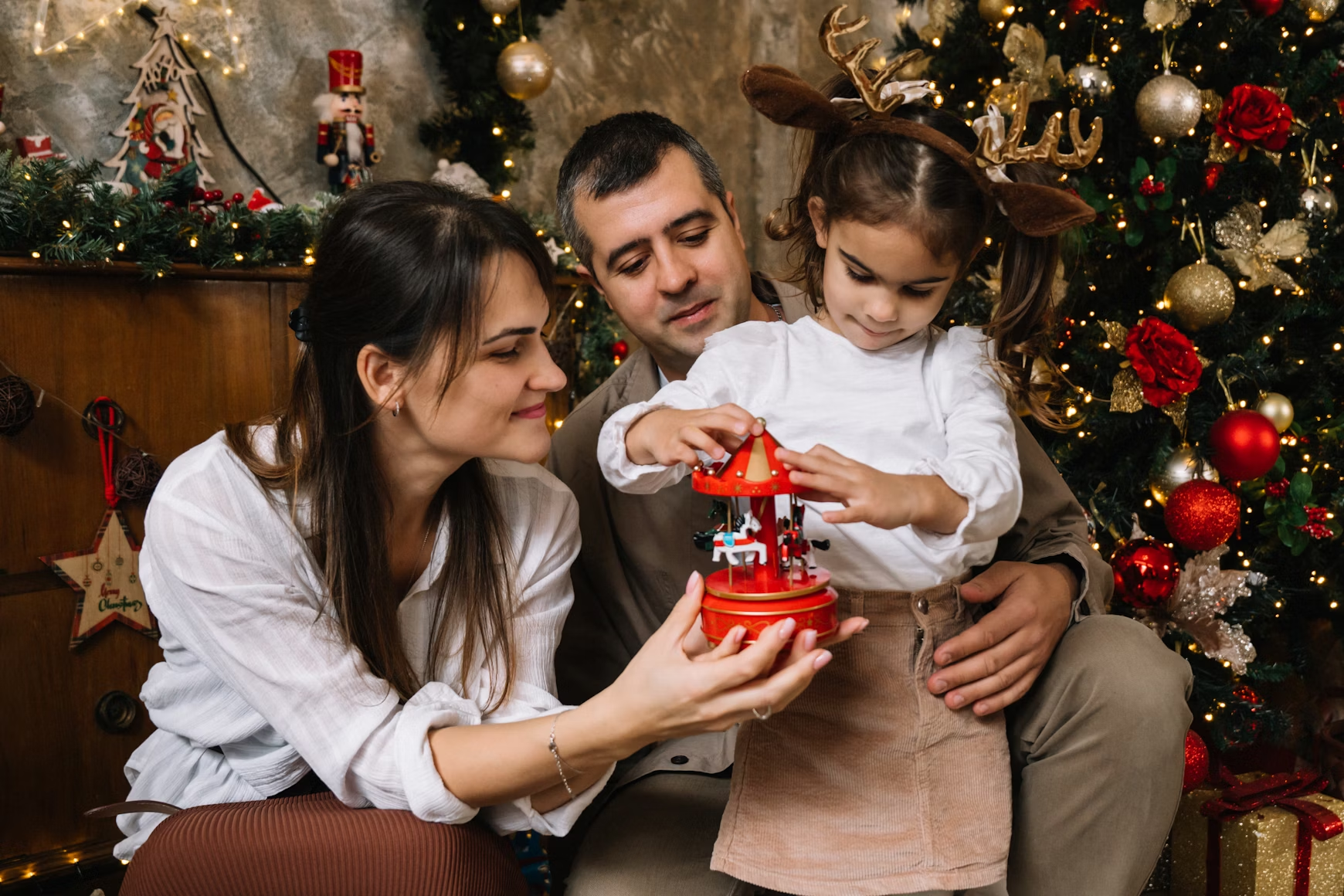
Winter holidays often serve as a family’s emotional centerpiece. Yet the average parent spends about $173 per child on gifts, with 16 percent topping $200, according to recent retail studies. If budgets tighten, shift the spotlight from presents to presence. Bake cookies, reread a beloved storybook, or stage a “lights tour” in pajamas. When children reflect on Christmas as adults, they’re more likely to remember twinkling trees and shared laughter than the exact toy under the wrapping. Your steady presence—and the rituals you repeat each year—create the real magic.
2. Thanksgiving
Thanksgiving revolves around gratitude and connection—priceless lessons for kids. Involve children in age-appropriate cooking tasks, from stirring mashed potatoes to writing place-card notes. Sharing “three things I’m thankful for” at the table builds empathy and emotional literacy. Because the holiday centers on family and food rather than gifts, it’s naturally budget-friendly. Even if travel or extended-family politics add stress, modeling grace and gratitude teaches resilience. Kids come to associate the day with warmth, reflection, and a sense of belonging.
3. Halloween
Sure, Halloween is candy-fueled chaos, but it’s also prime bonding time. Planning costumes, carving pumpkins, and trick-or-treating together spark creativity and adventure—without hefty price tags. Homemade outfits crafted from thrift-store finds or closet cast-offs often become neighborhood legends. Walking block to block in the crisp night air, flashlight in hand, is a sensory experience your child won’t forget. Plus, Halloween is low-stakes: expectations focus on fun rather than perfection, making it easier to be present and playful.
4. Birthdays
Not a national holiday, but to your child it might as well be. Birthdays are a once-a-year chance to make your child feel uniquely seen. Skip lavish parties every time and lean into personal rituals: a pancake breakfast in bed, a recorded video message recounting favorite moments from the year, or a DIY crown they wear all day. These intimate touches cost little yet build deep emotional deposits, reminding your child that celebration is about love, not extravagance.
5. Fourth of July (or a Local Summer Celebration)
Summer holidays like the Fourth of July are refreshingly low-pressure. Whether you picnic at a park, watch fireworks, or host a backyard water-balloon battle, the emphasis is on relaxed fun. Because stores aren’t pushing massive gift hauls, you can focus squarely on togetherness. Use the day to start a family tradition—perhaps a homemade flag cake or an annual photo in matching sunglasses. Your child will link summertime freedom with feelings of community and simple joy.
6. New Year’s Day
Many parents overlook New Year’s as kid-friendly, but it’s ideal for family reflection and goal-setting. Hold a “toast” at noon if midnight is too late, and brainstorm hopes for the coming year on colorful sticky notes. Create a family time capsule: include one small toy, a scribbled note, or a favorite photo, then seal it to open next December 31. Discuss highs and lows of the past year to model resilience and gratitude. This practice helps children see life as a series of chapters they can shape, fostering optimism and growth mindset.
Why These Six Holidays Leave a Lasting Impact
What ties these celebrations together? They prioritize shared experiences over spending sprees. Research on family rituals shows that consistent, meaningful traditions bolster children’s emotional security, strengthen identity, and improve long-term well-being. When parents are present—truly present—kids feel valued. And when holidays are celebrated without financial strain, parents model healthy attitudes toward money and joy.
You don’t have to master every Pinterest craft or host cinematic parties. Pick the moments that resonate most with your family, involve your children in the planning, and protect the time on your calendar like any important appointment. Years from now, your kids won’t remember how much you spent—they’ll remember how you made them feel.
Which holidays hold the most meaning in your home? Share your favorite low-cost traditions in the comments—we’d love fresh ideas for family fun!
Read More
- How I Spent My Thanksgiving Weekend
- A Blessed Event: 5 Unforgettable Baptism Party Ideas to Celebrate the Occasion

Samantha Warren is a holistic marketing strategist with 8+ years of experience partnering with startups, Fortune 500 companies, and everything in between. With an entrepreneurial mindset, she excels at shaping brand narratives through data-driven, creative content. When she’s not working, Samantha loves to travel and draws inspiration from her trips to Thailand, Spain, Costa Rica, and beyond.
Read More

Toddlers are curious, emotional, and incredibly impressionable, which means the way we talk to them…

Image by Alexander Grey Most parents want their kids to grow up with strong values,…

I am really not a fan of the play-dough you buy in the store. I…


Kids learn how to navigate the world long before they ever step into a classroom,…

Schools in 2026 are operating in a financial squeeze, and instead of trimming budgets in…

I know, it's not Christmas yet but I don't plan on being online over the…


Leave a Reply