• Home
  • About Us
  • Toolkit
  • Archives
  • Advertise
  • Privacy Policy

Kids Ain't Cheap

But They Sure Are Worth It

  • Parenting
    • Baby Stuff
    • Books and Reading
      • Aesops Fables
      • Comic Books
    • Education
    • Family Time
    • Green Living
    • Growing Up
    • Healthy Living & Eating
    • Holidays
    • Parenting
    • Random Musings
    • Shopping
    • Stuff to Do
  • Money
  • Product Reviews
    • Books and Magazines
    • Discount Sites
    • Furniture
    • House Keeping
    • Reviews News
    • Toys and Games
  • Contact Us
  • Our Editorial Commitment
  • Search

The Top 15 Parenting Myths Debunked by Child Psychologists

March 4, 2024 | Leave a Comment

Parenting is an ever-evolving journey filled with joys, challenges, and a fair share of myths. With a plethora of advice available, it can be tough to discern fact from fiction. Child psychologists have stepped in to debunk some of the most common parenting myths, helping parents navigate this crucial role with better insight and understanding.

1. Myth: Strict Parenting Leads to Better Behavior

Strict parenting, often characterized by rigid rules and high expectations, is believed to produce well-behaved children. However, child psychologists argue that this can lead to fear-based compliance rather than genuine understanding. Strictness without warmth can hinder emotional development and damage the parent-child relationship. An authoritative approach, blending structure with empathy, is more effective. Psychologists advocate for a balance where rules are enforced, but emotional understanding and support are equally prioritized.

2. Myth: Constant Praise Boosts Self-Esteem

While praising children is important, overpraising can be detrimental. Child psychologists warn that constant praise, especially for mundane tasks, can lead to an inflated ego or a reliance on external validation. It’s important to praise effort and progress rather than just results. Encouraging self-motivation and resilience in the face of failure is crucial. Effective praise is specific, sincere, and focuses on effort rather than innate ability.

3. Myth: Letting Babies Cry It Out Is Harmful

The ‘cry it out‘ method of sleep training has been a topic of debate. Some believe it can cause long-term psychological issues and harm the bond between parent and child. However, studies show that when done correctly, it’s a safe and effective method for teaching self-soothing. It’s important to ensure the baby is fed, healthy, and in a safe environment before implementing this method. Child psychologists Ayten Bilgin Ph.D. emphasize that parents should follow their instincts and comfort their children if they feel it’s necessary.

4. Myth: Screen Time Is Always Bad for Kids

In today’s digital age, the screen time debate is more relevant than ever. While excessive screen time can be harmful, it’s not inherently bad. Quality and context matter; educational and interactive content can be beneficial. It’s about finding a healthy balance and setting appropriate boundaries. Psychologists suggest co-viewing and discussing content to enhance the learning experience.

5. Myth: Good Parents Always Put Their Children’s Needs First

While prioritizing children’s needs is important, neglecting personal well-being can lead to burnout and resentment. Child psychologists Matthew H. Rouse, PhD stress the importance of self-care for parents. A well-balanced parent is more capable of providing the support and love their children need. It’s crucial to find a balance between parenting responsibilities and personal needs. Modeling self-care teaches children the importance of personal well-being.

6. Myth: Children Are Naturally Resilient

The belief that children are naturally resilient can lead to overlooking their emotional needs. Children learn resilience through experience and guidance. They need support and tools to navigate challenges and develop coping skills. It’s important to acknowledge their feelings and provide a safe space for expression. As a parent it is great encourage open communication and problem-solving skills helps build resilience.

7. Myth: Parenting Instincts Are Always Right

While parental instincts play a crucial role, they are not infallible. Parents are also influenced by their own experiences and biases. It’s beneficial to seek information, advice, and sometimes professional guidance. Open-mindedness and willingness to learn can enhance parenting skills. Encourage a combination of instinct and informed parenting practices.

8. Myth: Discipline and Punishment Are the Same

Discipline is often confused with punishment, but they are not synonymous. Discipline is about teaching and guiding, not just penalizing bad behavior. Effective discipline involves setting clear expectations and consequences and understanding the child’s perspective. Punishment alone can lead to fear and resentment, whereas discipline fosters learning and growth. Psychologists advocate for positive discipline strategies that respect the child’s dignity.

9. Myth: Parent-Child Bonding Only Happens in Early Years

The early years are crucial for bonding, but it’s an ongoing process. Bonding can and should continue throughout childhood and adolescence. It evolves as the child grows, requiring different approaches and understanding. Ongoing bonding activities and open communication are key. Child psychologists emphasize that it’s never too late to strengthen the parent-child relationship.

10. Myth: Successful Parenting Means Having a Perfect Child

The pressure to raise a ‘perfect’ child can be overwhelming. Child psychologists argue that this is not only unrealistic but also unhealthy. Emphasizing perfection can lead to anxiety and a fear of failure in children. Success in parenting is about raising a happy, healthy, and well-adjusted individual. Celebrating uniqueness and supporting individual strengths is more important than striving for perfection.

11. Myth: Parents Should Be in Control at All Times

The idea that parents must always be in control can lead to authoritarian parenting styles. Effective parenting involves flexibility, understanding, and sometimes letting children take the lead. It’s about guiding rather than controlling. Teaching children decision-making skills and independence is crucial for their development. A collaborative approach fosters respect and mutual understanding.

12. Myth: Children Don’t Remember Early Trauma

There’s a common belief that children are too young to remember early traumas. However, early experiences, even if not consciously remembered, can impact emotional development and behavior. Early interventions and support are crucial in addressing the effects of trauma. Creating a safe and nurturing environment helps mitigate these impacts. Understanding the long-term effects of early experiences is important in fostering healthy development.

13. Myth: Parenting Doesn’t Require Personal Growth

Many assume that parenting is solely about the child’s growth. However, parenting is a journey of personal growth as well. Reflecting on one’s own upbringing and biases is crucial in effective parenting. Openness to learning and adapting is key to meeting the evolving needs of children. Parenting offers opportunities for personal development and deepening emotional intelligence.

14. Myth: Strict Gender Roles Benefit Children

Adhering to strict gender roles can limit a child’s exploration and self-expression. Child psychologists advocate for a more fluid approach, allowing children to explore interests and roles freely. Breaking down gender stereotypes encourages a more inclusive and diverse understanding. It’s important to support children in discovering their own identity. Encouraging exploration and expression across the gender spectrum fosters a more open-minded and accepting worldview.

15. Myth: Children Should Be Seen and Not Heard

The old adage that children should be seen and not heard undermines their value as individuals. Children’s thoughts and feelings are important and deserve attention. Encouraging expression and active listening validates their experiences. This approach fosters self-esteem and communication skills. Children who feel heard and understood are more likely to develop into confident and expressive adults.

Embracing Enlightened Parenting

Debunking these myths is not just about correcting misconceptions; it’s about embracing a more enlightened and effective approach to parenting. By understanding the complexities of child development and the dynamics of the parent-child relationship, we can create a nurturing environment that supports our children’s growth into well-rounded, resilient, and confident individuals. Let’s move forward with parenting strategies that are informed, empathetic, and adaptable, shaping a brighter future for our children.

Latrice Perez

Latrice is a dedicated professional with a rich background in social work, complemented by an Associate Degree in the field. Her journey has been uniquely shaped by the rewarding experience of being a stay-at-home mom to her two children, aged 13 and 5. This role has not only been a testament to her commitment to family but has also provided her with invaluable life lessons and insights.  As a mother, Latrice has embraced the opportunity to educate her children on essential life skills, with a special focus on financial literacy.


Filed Under: Parenting Tagged With: Constant Praise Boosts Self-Esteem, Letting Babies Cry It Out Is Harmful, Parenting Myths Debunked, Screen Time Is Always Bad for Kids, Strict Parenting Leads to Better Behavior

Top 10 Best Cities for Raising Kids: Discover the Surprising Number One!

February 29, 2024 | Leave a Comment

When it comes to raising a family, the location can play a pivotal role in your children’s upbringing. From education and safety to recreational activities and community engagement, certain cities offer an ideal environment for children to thrive. Here, we explore the top 10 cities globally that are perfect for raising kids, leading up to the surprising number one choice.

10. Copenhagen, Denmark

Copenhagen is renowned for its high quality of life and excellent social welfare system. The city boasts an exceptional education system, numerous green spaces, and a strong emphasis on family life. It’s a bike-friendly city, ensuring safe and eco-friendly transportation for families. The Danish concept of ‘hygge,’ which emphasizes comfort and togetherness, permeates Copenhagen’s culture, making it a warm and welcoming place for families. Additionally, the city’s focus on work-life balance ensures that parents have ample time to spend with their children.

9. Vancouver, Canada

Vancouver offers a stunning natural landscape, combining the beauty of mountains and beaches. The city is known for its diverse and inclusive community, making it an ideal place for children to learn about different cultures. It has a strong emphasis on outdoor activities, ensuring kids have plenty of opportunities for physical exercise and exploration. The education system in Vancouver is top-notch, with a variety of public and private schools. Healthcare in Vancouver is also commendable, providing families with peace of mind regarding their children’s well-being.

8. Zurich, Switzerland

Zurich is not only a financial hub but also a fantastic city for families. It ranks high in safety and cleanliness, which are crucial factors for raising kids. The city offers excellent educational institutions and a multitude of outdoor and cultural activities suitable for children. Zurich’s efficient public transport system makes it easy for families to navigate the city. The city’s emphasis on quality of life is evident in its numerous parks and public spaces designed for family activities.

7. Sydney, Australia

Sydney is famous for its vibrant lifestyle and beautiful beaches, offering an ideal balance of urban and outdoor living. The city has an excellent education system, with a variety of schools to suit different needs and preferences. Healthcare in Sydney is top-quality, ensuring that children grow up healthy and strong. The city is multicultural, offering kids the chance to grow up in a diverse environment. Sydney also hosts numerous family-friendly events and festivals throughout the year, keeping family entertainment in abundance.

6. Helsinki, Finland

Helsinki stands out for its exceptional educational system, which is often regarded as one of the best in the world. The city is designed with families in mind, offering safe neighborhoods and a plethora of parks and playgrounds. Helsinki is known for its focus on children’s well-being and development, with numerous activities and programs tailored for kids. The city’s approach to early childhood education, with an emphasis on play and creativity, sets it apart. Helsinki’s community-oriented culture ensures a supportive environment for families.

5. Tokyo, Japan

Tokyo offers a unique blend of traditional culture and modern conveniences, making it a fascinating city for families. It ranks highly in safety, which is a top priority for parents. The city’s education system is rigorous and competitive, preparing children for a successful future. Tokyo’s efficient public transportation system makes commuting with kids hassle-free. Despite its bustling nature, Tokyo has numerous quiet parks and family-friendly attractions.

4. Vienna, Austria

Vienna is often praised for its high living standards and family-friendly policies. The city offers excellent healthcare and education, with various international schools available. Vienna’s rich cultural heritage provides a unique backdrop for children’s education and recreation. The city is filled with beautiful parks and green spaces, perfect for family outings. Vienna’s emphasis on family support and community engagement makes it an ideal place for raising kids.

3. Stockholm, Sweden

Stockholm is known for its progressive approach to family life, including generous parental leave policies and childcare facilities. The city is eco-friendly and promotes a healthy lifestyle, with numerous outdoor activities available year-round. Stockholm’s education system is inclusive and emphasizes holistic development. The city’s rich cultural scene offers a variety of activities and experiences for children. Stockholm’s safe and clean environment makes it a worry-free city for parents.

2. Munich, Germany

Munich combines a rich cultural heritage with modern amenities, making it a great city for families. It boasts one of the best education systems in Germany, with a range of options including international schools. The city is known for its safety, cleanliness, and efficient public transport. Munich offers a plethora of parks, museums, and festivals, ensuring there’s always something for families to enjoy. The city’s focus on family-friendly policies, like affordable housing and healthcare, adds to its appeal.

1. Reykjavik, Iceland

Surprisingly topping our list is Reykjavik, the capital city of Iceland. Reykjavik stands out for its unparalleled safety, clean environment, and strong sense of community. The city offers an exceptional education system that emphasizes creativity and individuality. Reykjavik is surrounded by stunning natural beauty, providing endless outdoor opportunities for adventurous families. The city’s commitment to gender equality and environmental sustainability makes it an exemplary place for raising conscious and well-rounded children.

Embracing Family-Friendly Urban Living

These cities exemplify the ideal blend of safety, education, culture, and community, making them perfect for raising kids. In an ever-evolving world, these urban havens offer the supportive environments that modern families seek, ensuring that children not only grow up safe and educated but also culturally enriched and environmentally conscious. The diversity in this list shows that no matter where you are in the world, there are cities committed to providing the best for their youngest residents.

Latrice Perez

Latrice is a dedicated professional with a rich background in social work, complemented by an Associate Degree in the field. Her journey has been uniquely shaped by the rewarding experience of being a stay-at-home mom to her two children, aged 13 and 5. This role has not only been a testament to her commitment to family but has also provided her with invaluable life lessons and insights.  As a mother, Latrice has embraced the opportunity to educate her children on essential life skills, with a special focus on financial literacy.

Filed Under: Parenting Tagged With: Best Cities for Raising Kids: Discover the Surprising Number One!, Copenhagen Denmark, Vancouver Canada, Zurich Switzerland

11 Gender-Specific Lessons We Need to Stop Teaching Children in a Modern World

February 28, 2024 | Leave a Comment

In a world that is increasingly embracing diversity and equality, traditional gender roles and stereotypes seem archaic and limiting. As we strive towards a society that values individuals for who they are rather than the gender they were assigned at birth, it’s crucial to re-evaluate the lessons we impart to children. Here are 11 gender-specific lessons that need to be rethought in our modern world.

1. Boys Don’t Cry

We’ve often told boys that showing emotion is a sign of weakness, a lesson that stifles their emotional development. Telling boys not to cry teaches them to bottle up their feelings, leading to emotional repression and difficulty in forming healthy relationships.

Encouraging emotional expression in boys can foster empathy, resilience, and emotional intelligence. It’s essential to teach all children that emotions are a natural part of being human, regardless of gender. This shift can lead to a more emotionally healthy and empathetic generation.

2. Girls Must Always Be Polite and Passive

Traditionally, girls are taught to be compliant, polite, and not too outspoken, reinforcing a passive role in society. This can limit their ability to assert themselves, express their opinions, and lead.

Encouraging assertiveness and confidence in girls can empower them to pursue leadership roles and speak up for themselves. Teaching all children the value of politeness coupled with assertiveness is key to developing well-rounded individuals. It’s vital to encourage girls to be as bold and assertive as their male counterparts.

3. Boys Shouldn’t Play with Dolls

The idea that boys should avoid playing with dolls limits their opportunity to learn nurturing and caregiving skills. Playing with dolls can be beneficial for children of any gender, as it teaches empathy, responsibility, and emotional intelligence.

Gender-neutral play encourages children to explore a wide range of interests and skills, unhindered by gender stereotypes. Encouraging boys to engage in diverse forms of play can foster a more inclusive and empathetic mindset. This approach allows children to discover their true interests and talents freely.

4. Girls Aren’t Good at Math and Science

This outdated stereotype undermines girls’ confidence and interest in STEM (Science, Technology, Engineering, Mathematics) fields. Encouraging girls to engage in and excel at math and science is crucial for gender equality in these industries.

Showcasing female role models in STEM can inspire girls and break down the stereotype. It’s important to teach all children that intelligence and capability are not gender specific. Fostering an environment of equal opportunity in education can lead to more diverse and innovative STEM fields.

5. Boys Are Naturally Aggressive

Labeling boys as naturally aggressive can lead to excusing unhealthy behavior and discouraging emotional intelligence. It’s important to teach boys healthy ways to express emotions and resolve conflicts.

Encouraging empathy and communication skills in boys can reduce aggression and foster better relationships. Recognizing that aggression is not an inherently male trait is essential. Teaching all children non-violent communication and emotional regulation is key to raising a more peaceful and empathetic generation.

6. Girls Should Focus on Their Appearance

Emphasizing physical appearance as a girl’s most valuable asset can lead to body image issues and superficiality. Teaching girls that their worth is not tied to their appearance fosters self-esteem and confidence. Encouraging interests and skills beyond physical appearance allows girls to develop a well-rounded sense of self.

It’s important to celebrate diverse forms of beauty and challenge narrow beauty standards. Promoting the idea that intelligence, kindness, and creativity are as valuable as physical appearance can lead to a more inclusive and empowering society.

7. Boys Don’t Do Household Chores

Assigning household chores based on gender reinforces traditional domestic roles and limits life skills development. Teaching boys to participate in domestic tasks prepares them for independent living and promotes gender equality in household responsibilities.

Sharing household chores among all family members, regardless of gender, models teamwork and equality. It’s important to teach children that domestic responsibilities are a shared aspect of life, not gender-specific duties. This approach fosters a sense of responsibility and respect for domestic work in all individuals.

8. Girls Must Be Caretakers

The expectation that girls should naturally be more nurturing and responsible for caretaking can limit their personal and professional aspirations. Encouraging girls to explore a wide range of roles, including leadership and independence, is crucial for gender equality.

Teaching all children the value of empathy and care, regardless of gender, can lead to more compassionate and balanced relationships. It’s important to allow girls the freedom to choose their path without the burden of gendered expectations. Fostering a culture that values diverse roles and skills in all individuals can lead to a more equitable society.

9. Boys Are the Protectors

Labeling boys as protectors and defenders can create undue pressure and reinforce traditional power dynamics. Teaching boys that showing vulnerability is not a sign of weakness, but a strength can foster healthier relationships.

Encouraging mutual support and protection among all children, regardless of gender, can lead to a more balanced and respectful society. It’s important to challenge the notion that protection is solely a male responsibility. Promoting the idea that everyone has the right to feel safe and supported, without gendered expectations, is key to gender equality.

10. Girls Shouldn’t Be Too Loud or Opinionated

Discouraging girls from being loud or opinionated can stifle their voices and limit their influence. Encouraging girls to express their opinions and speak up is crucial for developing self-confidence and leadership skills. Teaching all children the value of respectful communication and active listening is important for balanced discourse.

It’s essential to create environments where girls feel safe and encouraged to share their thoughts and ideas. Promoting the idea that all voices, regardless of gender, deserve to be heard and respected can lead to a more inclusive and diverse society.

11. Boys Must Always Be Strong and Independent

Teaching boys that they must always be strong and independent can lead to isolation and difficulty seeking help. Encouraging boys to ask for help and collaborate with others fosters teamwork and community.

Teaching all children the value of interdependence and mutual support is key to a healthy society. It’s important to challenge the notion that needing help is a sign of weakness. Promoting the idea that strength can also be found in vulnerability and collaboration can lead to more supportive and resilient communities.

Rethinking Gender Norms

In the journey towards a more equitable and inclusive world, rethinking the gender-specific lessons we teach children is paramount. By challenging these outdated notions and promoting values of empathy, equality, and emotional intelligence, we can raise a generation that respects and values diversity.

Embracing a future where individuals are not confined by gender stereotypes but are celebrated for their unique strengths and abilities is the key to a progressive and harmonious society.

Latrice Perez

Latrice is a dedicated professional with a rich background in social work, complemented by an Associate Degree in the field. Her journey has been uniquely shaped by the rewarding experience of being a stay-at-home mom to her two children, aged 13 and 5. This role has not only been a testament to her commitment to family but has also provided her with invaluable life lessons and insights.  As a mother, Latrice has embraced the opportunity to educate her children on essential life skills, with a special focus on financial literacy.

Filed Under: Parenting Tagged With: Boys Don't Cry, Boys Shouldn't Play with Dolls, Gender-Specific Lessons We Need to Stop Teaching Children in a Modern World, Girls Aren't Good at Math and Science, Girls Must Always Be Polite and Passive

21st Century Parenting: 15 Things We Need to Stop Teaching Kids

February 27, 2024 | Leave a Comment

Parenting in the 21st century is markedly different from previous generations, mainly due to technological advancements and changing societal norms. As we navigate this new era, it’s crucial to reevaluate some of the traditional lessons we’ve been imparting to children. Here are 15 things we need to stop teaching kids to better prepare them for the modern world.

1. Avoiding Technology Entirely

Telling kids to avoid technology entirely is impractical in today’s digital age. Instead, we should teach them responsible and balanced use of technology. Understanding digital literacy is as crucial as learning to read and write. It’s about guiding them to use technology as a tool for learning and development, not just entertainment. We need to prepare them for a world where technology is ubiquitous, not shield them from it.

2. Strict Adherence to Gender Roles

Enforcing strict gender roles limits children’s potential and perpetuates outdated stereotypes. We should encourage kids to explore interests and activities regardless of gender norms.

Teaching them that certain professions or hobbies are gender-specific can hinder their personal and career choices. It’s important to support their individuality and allow them to define their own identity. Fostering an environment of equality and openness leads to well-rounded development.

3. Success is Defined by Academic Achievement

Defining success solely based on academic achievement is a narrow viewpoint. We should emphasize the importance of soft skills, creativity, and emotional intelligence as well.

Every child has a unique set of strengths and talents that may not always be academic. Encouraging diverse interests and celebrating various forms of success fosters confidence and resilience. We need to broaden our definition of success to include personal fulfillment and happiness.

4. Hiding Failures and Mistakes

Teaching kids to hide their failures and mistakes fosters a fear of failure. It’s vital to show them that mistakes are opportunities for learning and growth.

Encouraging an open dialogue about failures helps build resilience and problem-solving skills. Hiding mistakes can lead to a lack of accountability and personal development. We should teach them to embrace challenges and learn from their experiences.

5. Obedience Without Questioning

Instilling blind obedience in children stifles critical thinking and personal growth. We should encourage them to ask questions and understand the reasoning behind rules and decisions.

Teaching kids to mindlessly follow instructions can limit their ability to make independent choices. Encouraging curiosity and skepticism helps them develop into thoughtful and informed adults. It’s about striking a balance between respect for authority and the courage to speak up.

6. Overemphasis on Physical Appearance

Placing too much emphasis on physical appearance can lead to self-esteem and body image issues. We should teach children to value inner qualities like kindness, integrity, and intelligence.

Reinforcing the idea that appearance is paramount can overshadow more important personal attributes. It’s crucial to celebrate diversity in appearances and promote a healthy body image. We need to focus on nurturing their confidence and self-worth beyond just looks.

7. The World is a Scary Place

Constantly portraying the world as a scary and dangerous place can instill unnecessary fear and anxiety in children. We should educate them about safety and risks without overemphasizing the negatives.

Teaching them practical safety measures and awareness is different from inducing paranoia. It’s important to balance caution with a sense of adventure and curiosity. We should encourage them to see the world as a place of learning and exploration.

8. Wealth Equals Happiness

Equating wealth with happiness sets up a materialistic mindset from a young age. We should teach kids to find joy and satisfaction in non-materialistic aspects of life.

Emphasizing the value of relationships, experiences, and personal growth is key. Teaching them that success is not only measured in financial terms helps develop a more fulfilling life perspective. We need to instill the understanding that happiness comes from a variety of sources, not just wealth.

9. Conformity is Key

Encouraging kids to always conform stifles their individuality and creativity. We should promote the value of originality and the courage to stand out.

Teaching them that fitting in is more important than being true to themselves can hinder their self-expression. It’s important to celebrate their unique ideas and perspectives. Encouraging them to embrace their uniqueness fosters a sense of self-confidence and belonging.

10. Avoiding Difficult Conversations

Shying away from difficult conversations leaves children ill-prepared for real-world challenges. We should have open and honest discussions about tough topics like racism, mental health, and inequality.

Avoiding these conversations can lead to a lack of understanding and empathy. It’s crucial to equip them with the knowledge and skills to navigate complex issues. Encouraging open dialogue fosters maturity, awareness, and sensitivity.

11. Believing Authority is Always Right

Teaching kids that authority figures are always right can be misleading and dangerous. We should encourage them to respect authority but also to think critically.

Understanding that authority figures can make mistakes helps develop their judgment skills. It’s important to teach them to question and critically evaluate information, regardless of the source. Encouraging independent thought and discernment is key to their development.

12. Suppressing Emotions

Telling children to suppress their emotions can lead to emotional disconnect and mental health issues. We should encourage them to express their feelings in a healthy and appropriate way.

Teaching them emotional intelligence and how to handle emotions positively is vital. Suppressing emotions can hinder their ability to form meaningful relationships and empathize with others. It’s important to create a supportive environment where they feel safe to express themselves.

13. Prioritizing Competition Over Collaboration

Fostering a mindset that prioritizes competition over collaboration can lead to unhealthy rivalry and isolation. We should teach the importance of teamwork and the value of working together.

Encouraging cooperation and mutual support promotes a more inclusive and productive environment. Competition has its place, but it shouldn’t overshadow the benefits of collaboration. We need to prepare them for a world that increasingly values collective effort and diverse perspectives.

14. Gender-Based Expectations in Careers

Imposing gender-based expectations on career choices limits potential and perpetuates inequality. We should encourage children to pursue careers based on their interests and strengths, regardless of gender stereotypes. Teaching that certain professions are suitable for only one gender restricts their aspirations.

It’s important to expose them to a wide range of career options and role models. Encouraging them to follow their passions leads to more fulfilling and successful careers.

15. Unquestioning Acceptance of Media and Information

In an age of information overload, teaching kids to accept media and information without question is problematic. We should teach them critical thinking and media literacy skills.

Encouraging them to question, analyze, and evaluate information sources is crucial. Blind acceptance can lead to misinformation and a lack of independent thought. Equipping them with the skills to discern credible information is essential for their intellectual and social development.

Parenting in the 21st Century

Parenting in the 21st century requires a shift in perspective and approach. By reevaluating what we teach our children, we can better prepare them for the complexities of the modern world.

It’s about fostering independence, critical thinking, emotional intelligence, and a sense of responsibility. As we guide the next generation, our focus should be on raising well-rounded individuals who are equipped to face the challenges and opportunities of their time.

Latrice Perez

Latrice is a dedicated professional with a rich background in social work, complemented by an Associate Degree in the field. Her journey has been uniquely shaped by the rewarding experience of being a stay-at-home mom to her two children, aged 13 and 5. This role has not only been a testament to her commitment to family but has also provided her with invaluable life lessons and insights.  As a mother, Latrice has embraced the opportunity to educate her children on essential life skills, with a special focus on financial literacy.

Filed Under: Parenting Tagged With: Avoiding Technology Entirely, Hiding Failures and Mistakes, Strict Adherence to Gender Roles, Success is Defined by Academic Achievement, Teaching Kids

Warning: Don’t Let Your Teen Move Out Before Reading These 12 Eye-Opening Reasons!

February 23, 2024 | Leave a Comment

As parents, we often face the challenging decision of whether our teenagers are ready to move out and embrace adulthood. The leap from living under a parent’s roof to managing life independently is significant. This article explores 12 critical reasons why your 18-year-old might not be as ready as you think to make this transition.

1. Emotional Maturity is Key

Most 18-year-olds are still developing their emotional maturity, which is essential for handling life’s challenges. They may struggle with managing stress, disappointment, and complex interpersonal relationships on their own. Emotional resilience is crucial in navigating the ups and downs of adult life. Without it, young adults can easily become overwhelmed. Parents should evaluate their teen’s emotional readiness before encouraging them to live independently.

2. Financial Literacy is a Must

Financial literacy is a critical skill that many teens lack when they turn 18. They often have little experience with budgeting, paying bills, and understanding credit. Without these skills, young adults can quickly find themselves in financial trouble. Teaching them about responsible spending and saving is crucial before they move out. Ensuring your teen understands the value of money and how to manage it is essential for their independence.

3. The Burden of Responsibilities

Living independently comes with a host of new responsibilities, from cooking to paying rent. Many teens are not accustomed to managing such tasks alongside their other commitments. The transition from having tasks done for them to doing it themselves can be jarring. Time management and prioritization become crucial skills for independent living. Parents should ensure their teens are prepared to handle these everyday responsibilities.

4. Academic Preparedness

Transitioning to college or vocational training requires a significant level of academic preparedness. Living alone can distract young adults from their studies. Balancing household responsibilities with academic commitments is a skill that needs time to develop. A lack of preparedness can lead to poor academic performance. It’s important to consider whether your teen can handle both living independently and succeeding academically.

5. The Value of Family Support

The support and guidance of a family are invaluable at this stage of life. Many teens still rely on their parents for advice, emotional support, and practical help. Moving out can mean losing this daily support network. Family plays a crucial role in helping young adults navigate new challenges. Parents should assess whether their teen is ready to be without this support.

6. Social Skills Development

Developing strong social skills is an ongoing process for teenagers. Many 18-year-olds are still learning how to effectively communicate and resolve conflicts. Interpersonal skills are vital for both personal relationships and professional environments. The ability to interact with a diverse range of people is crucial in adulthood. Parents should consider whether their teen has the social maturity needed for independent living.

7. Health and Self-Care

Maintaining a healthy lifestyle is a challenge for many young adults. Teens often struggle with self-care, including proper nutrition, exercise, and sleep habits. Independent living requires a commitment to personal health and well-being. Without parental oversight, some young adults neglect their health. It’s important to ensure your teen understands and values their health and well-being.

8. Career Planning and Stability

Career planning is a critical aspect of becoming an adult. Many teens at 18 are still exploring their career options and may not have a clear path forward. Stability in their career choice is important before taking the step to move out. Premature independence can add stress to their career development process. Parents should help their teens in developing a realistic and stable career plan.

9. Understanding Legal Responsibilities

Adult life comes with legal responsibilities that many teens are not prepared for. This includes understanding tenant rights, contractual obligations, and civic duties. Lack of knowledge in these areas can lead to serious consequences. It’s essential to educate teens about their legal responsibilities as adults. Parents play a key role in guiding their teens through these legal complexities.

10. Coping with Loneliness and Isolation

Moving out often leads to feelings of loneliness and isolation for young adults. The absence of a constant family presence can be challenging. Teens need to develop coping mechanisms for these feelings. Emotional self-sufficiency is a key aspect of living independently. Parents should discuss these emotional aspects and prepare their teens for the reality of living alone.

11. Navigating Real-World Challenges

The real world presents a variety of challenges that teens may not be prepared for. From dealing with landlords to understanding how to maintain a car, these are important skills. Real-world challenges require a level of maturity and problem-solving skills. Parents should ensure their teens are equipped with practical knowledge and resources. Preparing them for these realities is crucial for their success.

12. The Rush to Grow Up

There’s often a societal pressure for teens to become independent quickly. However, maturity and readiness do not necessarily align with age. Enjoying the journey of growing up and learning at each stage is important. Parents should encourage their teens to take their time in transitioning to adulthood. Ensuring that they are not rushing into independence is key for a successful transition.

Eighteen Is a Significant Milestone

While turning 18 is a significant milestone, it does not automatically equip a young adult with all the skills and knowledge needed for independent living. As parents, it’s our responsibility to help our teens assess their readiness and prepare them for the realities of adult life. By considering these 12 factors, we can provide our children with the best chance for a successful and smooth transition into adulthood.

Latrice Perez

Latrice is a dedicated professional with a rich background in social work, complemented by an Associate Degree in the field. Her journey has been uniquely shaped by the rewarding experience of being a stay-at-home mom to her two children, aged 13 and 5. This role has not only been a testament to her commitment to family but has also provided her with invaluable life lessons and insights.  As a mother, Latrice has embraced the opportunity to educate her children on essential life skills, with a special focus on financial literacy.

Filed Under: Parenting Tagged With: Academic Preparedness, Don't Let Your Teen Move Out, Emotional Maturity is Key, Financial Literacy is a Must, The Burden of Responsibilities

14 Misguided Parental Advice We Need to Abandon for Our Children’s Sake

February 22, 2024 | Leave a Comment

Parenting is a journey filled with learning and unlearning. Over the years, certain parental advice, once considered gospel, has shown to be outdated or even detrimental. In the interest of raising well-adjusted, happy children, it’s crucial to reevaluate and discard some of these antiquated notions. This article explores 14 pieces of misguided parental advice and explains why we should abandon them for the betterment of our children.

1. “Children Should Be Seen, Not Heard.”

This old adage promotes the idea that children should be quiet and not express their thoughts or feelings. It undervalues the importance of children’s voices and can lead to issues with self-expression and confidence.

Children need to be encouraged to communicate openly, share their ideas, and engage in conversations. By listening to them, we validate their feelings and thoughts, fostering self-esteem and emotional intelligence. Teaching children that their opinions matter is crucial for their overall development.

2. “Always Clean Your Plate.”

While teaching children not to waste food is important, insisting they always clean their plate can promote unhealthy eating habits.

It discourages children from understanding and responding to their own hunger cues. Children should learn to eat until they are satisfied, not stuffed. This advice can also contribute to a problematic relationship with food in later life. It’s more beneficial to teach portion control and mindful eating.

3. “Boys Don’t Cry.”

The notion that boys should not express their emotions, especially through crying, is harmful and outdated. It perpetuates toxic masculinity and stifles emotional growth. Encouraging boys to express their emotions freely helps them develop emotional intelligence and empathy. Suppressing emotions can lead to mental health issues and difficulty in forming healthy relationships. It’s important to teach all children that showing emotions is a sign of strength, not weakness.

4. “You Must Always Respect Your Elders.”

Respect should be mutual, regardless of age. Teaching children to blindly respect elders without considering respect in return can leave them vulnerable to mistreatment.

It’s essential to teach children the difference between respect and obedience. Encouraging questioning and healthy skepticism helps children develop critical thinking skills. Respect is earned through understanding and mutual regard, not simply age.

5. “Don’t Talk to Strangers.”

While it’s vital to teach children about safety, the blanket rule of not talking to strangers can be problematic. It can instill unnecessary fear and hinder their ability to seek help when needed. It’s more effective to teach children how to identify safe strangers, like police officers or teachers, in case of emergencies. Educate them about dangerous situations and how to recognize them. Encouraging smart decision-making is key, rather than inducing fear.

6. “Girls Should Be Nice and Polite.”

This advice often reinforces gender stereotypes and limits girls’ assertiveness. It can lead to girls not standing up for themselves or expressing their true feelings.

Encouraging assertiveness and confidence is equally important for all genders. Girls should be taught to be kind, but also to be strong and voice their opinions.

Empowering girls to be themselves, without conforming to outdated gender norms, is crucial.

7. “Don’t Question Authority.”

Blind obedience to authority can prevent children from developing critical thinking and decision-making skills. It’s important for children to understand the rationale behind rules and decisions. Encourage respectful questioning and curiosity. This helps them become independent thinkers and responsible decision-makers. Understanding the ‘why’ behind actions is as important as knowing the ‘what.’

8. “Winning is Everything.”

Emphasizing winning as the sole objective can lead to undue stress and a fear of failure. It’s more beneficial to focus on effort, learning, and improvement. Teach children that failure is a part of learning and growing. Celebrate effort and perseverance, not just success. Instilling a growth mindset helps children become resilient and persistent in the face of challenges.

9.”You Can Be Anything You Want.”

While meant to be encouraging, this advice can set unrealistic expectations and can be considered misguided parental advice. It’s better to emphasize hard work, dedication, and exploring one’s passions and strengths.

Help children set achievable goals and understand the value of effort and perseverance. Encourage them to find their unique path, which may not align with their initial dreams. Realistic optimism helps children develop a healthy sense of self and purpose.

10. “It Doesn’t Matter What Others Think.”

While it’s important not to be overly concerned with others’ opinions, completely disregarding them is not practical. Teach children the balance between valuing constructive criticism and maintaining self-esteem.

Help them understand the importance of empathy and social awareness. Encourage them to be true to themselves while being considerate of others. Understanding the impact of their actions on others is a crucial social skill.

11. “Money Doesn’t Buy Happiness.”

While true to an extent, this phrase oversimplifies the complex relationship between financial stability and well-being. Generally speaking, it is misguided parental advice. Teach children the value of money, financial responsibility, and the importance of finding joy beyond material wealth.

Discuss the role of money in providing security and meeting basic needs. Encourage a healthy attitude towards earning, saving, and spending. Understanding money’s place in life is a vital life skill.

12. “Stay Inside Your Comfort Zone.”

Encouraging children to always stay within their comfort zone hinders growth and exploration. It’s important to motivate them to try new things and face challenges.

Stepping out of their comfort zone helps build resilience and adaptability. Provide a supportive environment where they feel safe to take risks. Celebrating their courage to try, regardless of the outcome, fosters a spirit of adventure and discovery.

13. “Follow Your Heart.”

While following one’s heart is important, it needs to be balanced with practicality and reasoning. Teach children to consider their emotions and intuition, but also to think critically and make informed decisions.

Encourage a balance between emotional intelligence and rational thinking. Help them understand the importance of considering consequences and long-term effects. Navigating life requires both heart and mind working in tandem.

14. “You’re Special and Better Than Others.”

Telling children they are special can lead to an inflated sense of self. It’s more beneficial to teach them about equality, humility, and empathy.

Encourage them to recognize their strengths without feeling superior to others. Teach the value of teamwork and appreciation of others’ talents and abilities. Fostering a sense of community and mutual respect prepares them for healthy social interactions.

Consider These Pieces of Misguided Parental Advice

Reevaluating these pieces of parental advice is crucial in our ever-evolving society. As we strive to raise well-rounded individuals, it’s important to provide guidance that is not only loving but also empowering and practical. The goal is to prepare our children for the complexities of the world while nurturing their unique selves.

Latrice Perez

Latrice is a dedicated professional with a rich background in social work, complemented by an Associate Degree in the field. Her journey has been uniquely shaped by the rewarding experience of being a stay-at-home mom to her two children, aged 13 and 5. This role has not only been a testament to her commitment to family but has also provided her with invaluable life lessons and insights.  As a mother, Latrice has embraced the opportunity to educate her children on essential life skills, with a special focus on financial literacy.

Filed Under: Parenting Tagged With: Boys Don't Cry, Children Should Be Seen Not Heard, Don't Talk to Strangers, Misguided Parental Advice, You Must Always Respect Your Elders

Alert for Moms and Dads: The 12 Unspoken Truths Your Daughter Needs to Know

February 20, 2024 | Leave a Comment

Parenting is an ever-evolving journey, and as our daughters grow, they face a world vastly different from our own experiences. It’s essential to equip them with wisdom that addresses both timeless challenges and modern complexities. Here are the 12 unspoken truths your daughter needs to know before she steps into adulthood.

1. Self-Respect is Your Non-Negotiable Foundation

Self-respect is the cornerstone of a fulfilling life. Teach your daughter to value herself and her boundaries. This respect forms the basis of how she expects to be treated by others and influences her choices and relationships. Reinforce that her worth is not contingent on others’ opinions or societal standards. Instilling this self-respect early paves the way for confidence and a strong sense of self.

2. Your Voice Matters – Speak Up

In a world where women’s voices are often sidelined, encourage your daughter to express her thoughts and opinions confidently. Emphasize the importance of open communication and assertiveness in personal and professional settings. Remind her that her perspective is valuable and can inspire change. By speaking up, she not only stands up for herself but also becomes a role model for others. This empowerment is crucial in navigating the complexities of adulthood.

3. Embrace Your Body – It’s Perfect as It Is

In a society obsessed with unrealistic beauty standards, teaching body positivity is revolutionary. Assure your daughter that beauty comes in all shapes and sizes, and the portrayal of perfection in media is often an illusion. Encourage her to love and accept her body, emphasizing health over appearance. This truth counters the pervasive culture of body shaming and fosters a positive self-image. However, it’s controversial because it challenges deep-seated norms and expectations.

4. Financial Independence is Empowering

Financial literacy is a vital skill often overlooked in young women’s upbringing. Educate your daughter about budgeting, saving, and investing. Encourage her to pursue a career and financial independence. This knowledge not only prepares her for adult responsibilities but also ensures she is never financially dependent on anyone. In a world where financial freedom equates to empowerment, this lesson is indispensable.

5. Relationships Should Enhance, Not Define You

Teach your daughter that while relationships are important, they should not define her identity. She should know the difference between healthy and toxic relationships and understand the value of independence within partnerships. Encourage her to pursue her dreams and aspirations, irrespective of her relationship status. This understanding fosters self-reliance and prevents her from losing herself in the pursuit of companionship.

6. Failure is a Steppingstone to Success

In a success-driven society, it’s crucial to teach the value of resilience. Let your daughter know that failure is not the end, but a part of the learning process. Encourage her to embrace challenges and view setbacks as opportunities for growth. This mindset builds perseverance and prepares her to face life’s uncertainties with confidence and courage.

7. Mental Health is As Important As Physical Health

With rising awareness, mental health is finally getting the attention it deserves. Educate your daughter about the importance of mental well-being. Encourage open conversations about feelings and stress. Teach her coping mechanisms and the importance of seeking help when needed. Prioritizing mental health is key to a balanced and healthy life.

8. Your Online Presence Has Real-World Consequences

In the digital age, it’s essential to discuss the impact of social media and online behavior. Teach your daughter about digital footprints, privacy, and the implications of online actions. Encourage responsible and respectful digital engagement. This awareness protects her from potential online risks and helps her build a positive online reputation.

9. Consent and Boundaries are Paramount

Consent should be an early and ongoing conversation. Teach your daughter the importance of giving and receiving clear consent in all interactions. Discuss the significance of respecting personal boundaries and the right to say no. This knowledge is crucial for her safety and wellbeing and fosters respect in her interactions with others.

10. Diversity and Inclusion are Non-Negotiable

Exposing your daughter to diverse cultures and perspectives broadens her understanding of the world. Teach her the value of inclusivity and empathy. Encourage her to challenge prejudices and stereotypes. This mindset fosters a sense of global citizenship and respect for all individuals, regardless of their background.

11. Your Passion Can Become Your Purpose

Encourage your daughter to explore her interests and passions. Remind her that these can be turned into fulfilling careers or life paths. Support her in pursuing what she loves, as this leads to a more satisfying and purpose-driven life. This empowerment allows her to carve her unique path in the world.

12. You Are Not Alone – Seek Guidance

Lastly, assure your daughter that seeking guidance is a sign of strength, not weakness. Encourage her to turn to trusted adults, mentors, or professionals when facing life’s challenges. Remind her that everyone needs support sometimes, and she doesn’t have to navigate adulthood alone.

Imparting These Truths Your Daughter Needs to Know

Imparting these truths to our daughters arms them with the knowledge and strength to face adulthood with confidence. As parents, our role is to guide, support, and empower them to become the best versions of themselves.

Latrice Perez

Latrice is a dedicated professional with a rich background in social work, complemented by an Associate Degree in the field. Her journey has been uniquely shaped by the rewarding experience of being a stay-at-home mom to her two children, aged 13 and 5. This role has not only been a testament to her commitment to family but has also provided her with invaluable life lessons and insights.  As a mother, Latrice has embraced the opportunity to educate her children on essential life skills, with a special focus on financial literacy.

Filed Under: Parenting Tagged With: Alert for Moms and Dads: The 12 Unspoken Truths Your Daughter Needs to Know, Embrace Your Body – It's Perfect as It Is, Financial Independence is Empowering, Self-Respect is Your Non-Negotiable Foundation, Your Voice Matters – Speak Up

From Dream to Nightmare: 10 Reasons Parents Regret Having Children

February 17, 2024 | Leave a Comment

Regret Having Children

Becoming a parent is often idealized as a journey filled with love and joy. However, for some, this journey can unexpectedly turn from a dream into a nightmare. While it’s a sensitive topic, it’s important to acknowledge and understand these struggles. Here are ten reasons why some parents might regret having children.

1. Loss of Personal Freedom

loss of personal freedom

The arrival of a child dramatically alters a parent’s lifestyle. Suddenly, spontaneous outings and personal hobbies become a thing of the past, replaced by a strict schedule revolving around the child’s needs. This loss of freedom can be jarring, leading some to mourn their pre-parental lives. Moreover, the constant need for childcare can make parents feel trapped in their own home. The realization that this is a long-term commitment can sometimes be overwhelming.

2. Financial Strain

Financial Strain

Raising a child is incredibly expensive. From diapers to education, the costs can quickly accumulate, causing significant financial stress. This strain is felt even more in countries without substantial parental support systems. Many parents find themselves working longer hours or multiple jobs just to make ends meet, leading to exhaustion and frustration. The financial burden can also limit other life experiences, such as travel or purchasing a home.

3. Relationship Challenges

relationship challenges

Children can put a strain on even the strongest relationships. The lack of time for each other, coupled with sleep deprivation and financial worries, can lead to increased arguments and disconnect. Many couples struggle to maintain their romantic connection amid the chaos of parenting. The shift from being partners to co-parents can be difficult to navigate. In some cases, the relationship deteriorates to the point where it negatively impacts the entire family dynamic.

4. Career Sacrifices

family sacrifices

Parenting often requires career compromises, especially for mothers. Many face a setback in their career progression due to maternity leave or the need to work part-time. This can lead to feelings of regret, as their professional aspirations take a back seat. The workplace can be unsympathetic to the demands of parenthood, causing additional stress. For those who are career-driven, the sacrifice can be a significant source of resentment.

5. Constant Worry and Anxiety

Worry and Anxiety

Parenthood introduces a new level of worry and anxiety. Concerns about the child’s health, education, and overall well-being can be consuming. This constant state of worry can lead to mental health issues like anxiety and depression. The responsibility of shaping a child’s future is immense and can be overwhelming. Some parents regret the perpetual state of concern that comes with having children.

6. Impact on Social Life

Impact on Social Life

Having children often means a drastic change in one’s social life. Nights out with friends become rare, and social interactions often revolve around children and their activities. This can lead to feelings of isolation and loneliness. Parents might find themselves drifting away from childless friends who can’t relate to their new lifestyle. Rebuilding a social life that accommodates parenting can be a challenging and sometimes disheartening task.

7. Sleep Deprivation

sleep deprivation

The impact of chronic sleep deprivation cannot be overstated. It affects physical health, mental well-being, and the ability to function effectively. For many parents, particularly in the early years, sleepless nights are a common occurrence. This exhaustion can lead to irritability, poor decision-making, and even resentment towards the child. The dream of a peaceful family life is often shattered by the reality of constant fatigue.

8. Loss of Identity

Loss of Identity

Many parents, especially mothers, report feeling a loss of identity after having children. Their lives become so intertwined with their role as a parent that they feel they’ve lost a sense of who they are. This can lead to a deep sense of regret and sadness. Rediscovering personal interests and passions becomes a difficult task amidst the demands of parenting. The struggle to maintain a sense of self can be a significant source of discontent.

9. Unrealistic Expectations

Unrealistic Expectations

Society often paints an idealized picture of parenthood, setting unrealistic expectations. When reality falls short of these fantasies, it can lead to disappointment and regret. The daily grind of parenting is often far from the glorified images portrayed in media. Parents may feel cheated out of the experience they were promised, leading to feelings of disillusionment.

10. Difficulty in Raising Children

Difficulty in Raising Children

Raising children is not just about nurturing; it’s about dealing with a range of challenging behaviors and developmental stages. Some parents are unprepared for the difficulties that come with this, such as handling tantrums, rebellious phases, or learning disabilities. The constant challenges can be draining, both emotionally and physically. The difficulty in managing these aspects of parenting can sometimes lead to regret.

Acknowledge

acknowledge the challenges

While parenting can be a fulfilling experience, it’s important to acknowledge the challenges and struggles that come with it. Understanding these reasons can foster a more realistic view of parenthood and provide better support for those who need it.

Tamila McDonald
Tamila McDonald

Tamila McDonald is a U.S. Army veteran with 20 years of service, including five years as a military financial advisor. After retiring from the Army, she spent eight years as an AFCPE-certified personal financial advisor for wounded warriors and their families. Now she writes about personal finance and benefits programs for numerous financial websites.

Filed Under: Parenting Tagged With: Financial Strain, Impact on Social Life, Loss of Personal Freedom, Parents Regret Having Children, Relationship Challenges

17 Telltale Signs Your Childhood is Still Calling the Shots in Your Adult Life

February 13, 2024 | Leave a Comment

Childhood experiences play a crucial role in shaping our adult lives. Sometimes, the habits, fears, and dreams of our younger years continue to influence us in ways we may not fully realize. This phenomenon can manifest in various aspects of adulthood, from decision-making and relationships to personal habits and career choices.

In this article, we’ll explore 17 telltale signs that your childhood might still be steering the course of your adult life. Recognizing these signs is the first step towards understanding and potentially reshaping the impact of your formative years.

1. Difficulty with Emotional Regulation

Struggling with emotional regulation in adulthood can often be traced back to childhood experiences. If you find yourself frequently overwhelmed by emotions or, conversely, feel detached and unable to express feelings, it may be a sign of unresolved childhood issues.

This can lead to impulsive reactions, mood swings, or a tendency to bottle up emotions. It’s essential to recognize that emotional patterns established in childhood often require conscious effort to change. Seeking professional help can be a constructive step in learning healthier emotional regulation strategies.

2. Fear of Abandonment

A deep-seated fear of abandonment that persists into adulthood can often originate from childhood experiences of loss or instability.

This fear might manifest in clinging to relationships, even unhealthy ones, or experiencing anxiety when loved ones are not physically present. It can also lead to over-pleasing behavior, where you constantly strive to make others happy at your expense.

Understanding and addressing these fears can be vital in forming secure and healthy adult relationships. Therapy or counseling can provide valuable tools for working through these deep-rooted fears.

3. Perfectionism

Perfectionism in adulthood can be a carryover from childhood pressures to excel. This might stem from parental expectations, academic demands, or early competition.

As an adult, this can translate into an unrelenting drive for perfection in work or personal projects, often at the cost of your mental health. Perfectionism can lead to burnout, anxiety, and a persistent sense of inadequacy.

Recognizing and challenging perfectionist tendencies can help in developing a more balanced and forgiving approach to yourself and your endeavors.

4. Difficulty Trusting Others

If you find it hard to trust people in your adult life, it could be due to trust issues developed during childhood. This might stem from experiences of betrayal, inconsistency in caregiving, or witnessing untrustworthy behavior in adults.

As a result, you may build walls around yourself, fearing vulnerability. Working through trust issues often involves exploring past experiences, understanding their impact, and gradually learning to open up in safe and healthy ways.

5. Overdependence on External Validation

Seeking constant approval and validation from others can be a sign that your self-worth was heavily influenced by external validation in childhood. This might manifest in an excessive need for compliments, a fear of criticism, or basing your self-esteem on others’ opinions.

Learning to cultivate self-validation and internal measures of worth can be transformative in breaking this cycle. Mindfulness practices and self-compassion exercises can be effective in developing a stronger sense of self-worth.

6. Avoidance of Conflict

An aversion to conflict in adult life can often be traced back to a childhood where conflict was either non-existent (due to over-shielding) or excessively traumatic.

This can lead to a tendency to avoid confrontations, suppress your needs, or give in to others easily. Understanding that healthy conflict is a part of life and learning assertiveness skills can be crucial in overcoming this tendency.

7. Difficulty Making Decisions

If you find decision-making particularly stressful, it could be due to childhood experiences where your decisions were either disregarded or overly criticized.

This can lead to indecisiveness, a fear of making the wrong choice, or an over-reliance on others to make decisions for you. Building decision-making confidence often involves small steps in trusting your judgment and accepting that mistakes are a natural part of learning.

8. Imposter Syndrome

Imposter syndrome, where you doubt your abilities and feel like a fraud, can often be linked to childhood dynamics where your achievements were downplayed or overshadowed. This can lead to a constant fear of being ‘exposed’ and can hinder your career progress.

Addressing imposter syndrome involves recognizing your achievements and understanding that self-doubt does not equate to incompetence.

9. Need for Control

A strong need to control situations or people might stem from a childhood where there was little predictability or security. This can manifest in micromanaging tendencies, difficulty delegating tasks, or anxiety when things are uncertain. Learning to embrace uncertainty and trust the process can be liberating and reduce stress associated with the need for control.


10. Fear of Failure

A paralyzing fear of failure in adulthood often has roots in a childhood where failure was not seen as a natural part of learning. This fear can hold you back from taking risks or trying new things. It’s important to reframe failure as a stepping stone to success and an essential part of personal growth.

11. Emotional Dependence

Emotional dependence on others for happiness or decision-making can be a continuation of childhood patterns where you were not encouraged to be independent.

This might lead to relationships where you overly rely on your partner for emotional support or find it hard to be alone. Working towards emotional independence involves recognizing your own strength and developing self-reliance.

12. Overreacting to Criticism

If criticism, even when constructive, feels deeply personal and upsetting, it could be due to childhood experiences where criticism was harsh or punitive. This sensitivity can hinder personal and professional growth. Learning to separate constructive feedback from your self-worth is key in dealing with criticism healthily.

13. Seeking Chaos

Sometimes, a subconscious attraction to chaotic or unstable situations can be traced back to a tumultuous childhood. This might manifest in choosing turbulent relationships or careers. Recognizing this pattern can be the first step in seeking stability and peace in your adult life.

14. Submissive Behavior

If you find yourself consistently yielding to others’ opinions or desires, it might be due to a childhood where your voice was suppressed. This can lead to a pattern of submissive behavior in adulthood. Learning to assert yourself and value your opinions is crucial for personal empowerment.

15. Compulsive People-Pleasing

A compulsive need to please others, often at your expense, can stem from a childhood where your worth was measured by how much you pleased others. Breaking this cycle involves setting boundaries and learning to say no without feeling guilty.

16. Escapist Fantasies

Frequent daydreaming or escaping into fantasies can be a continuation of a childhood coping mechanism used to deal with unpleasant realities. While it’s a natural form of self-soothing, excessive escapism can disconnect you from the present. Balancing fantasy with mindful living can improve your engagement with the real world.

17. Fear of Intimacy

A fear of intimacy, both emotional and physical, can be a sign of childhood experiences where close bonds were fraught with pain or betrayal. Overcoming this fear involves understanding its roots and gradually building trust in relationships.

Recognizing These Signs

Recognizing these signs can be a powerful tool in understanding the influence of your childhood on your adult life. Addressing these issues, possibly with the help of a professional, can lead to a more self-aware, balanced, and fulfilling adulthood. Remember, it’s never too late to rewrite the script of your life and break free from the patterns of the past.

Tamila McDonald
Tamila McDonald

Tamila McDonald is a U.S. Army veteran with 20 years of service, including five years as a military financial advisor. After retiring from the Army, she spent eight years as an AFCPE-certified personal financial advisor for wounded warriors and their families. Now she writes about personal finance and benefits programs for numerous financial websites.

Filed Under: Parenting Tagged With: 17 Telltale Signs Your Childhood is Still Calling the Shots in Your Adult Life, Fear of Abandonment, Perfectionism

The Secret World of Kids: 12 Things They Do When You’re Not Looking!

February 12, 2024 | Leave a Comment

In the ever-evolving landscape of childhood, where technology meets creativity, kids are engaging in activities that might surprise even the most plugged-in parent. This insightful exploration reveals the secret world of kids, showcasing 12 common yet often overlooked behaviors and interests that flourish when adults aren’t around.

1. Digital Natives in Action

Children today are digital natives, seamlessly navigating the online world with a proficiency that often surpasses their parents. They explore the latest social media trends, engage in multiplayer online games, and even create content for platforms like TikTok and YouTube.

Their digital footprint is vast, often encompassing online communities and virtual friendships that parents might not be aware of. Privacy settings and internet safety are their familiar territory, but they also expose them to a world far beyond their years. This digital exploration is a blend of creativity, learning, and, sometimes, a touch of rebellion.

2. The Secret Snack Society

The kitchen becomes a clandestine meeting place where the art of snack smuggling takes center stage. Children, with ninja-like stealth, often find ingenious hiding spots for their favorite treats.

They understand the household schedules perfectly, timing their snack raids when parents are busy or away. This covert operation is not just about the thrill of snacking; it’s a playful exercise in autonomy and decision-making. However, it also raises questions about healthy eating habits and the importance of open communication about food choices.

3. Imaginative Playgrounds

When left to their own devices, kids’ imaginations run wild. They create elaborate fantasy worlds, often involving role-playing games where they are superheroes, explorers, or even mythical creatures.

These imaginative plays are not just a form of entertainment; they are crucial for cognitive and social development. They learn to navigate complex social scenarios, solve problems, and develop empathy. This unstructured play is a critical aspect of childhood, often overlooked in our structured, adult-driven world.

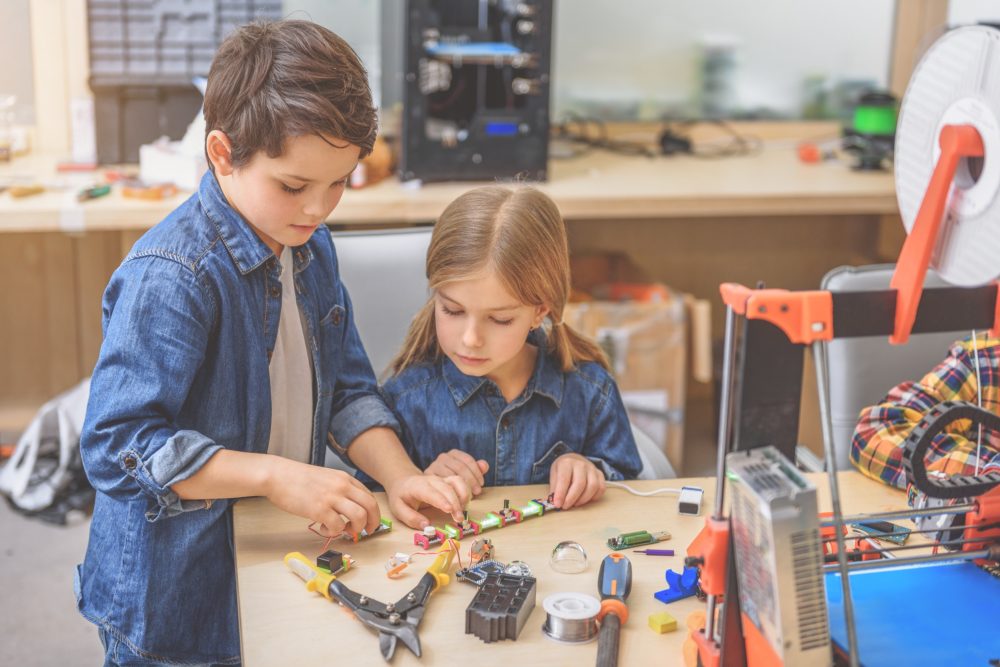
4. DIY Creators and Innovators

The DIY culture has significantly influenced children’s activities. From crafting slime to building makeshift forts, kids love creating things with their hands. These activities are not just fun; they are educational, fostering creativity, innovation, and problem-solving skills.

The rise of maker spaces and STEM (Science, Technology, Engineering, and Mathematics) activities has further encouraged this trend. Kids are becoming mini engineers and artists, often using household items in ways parents never imagined.

5. The Learning Hackers

Beyond the confines of traditional education, children are finding new ways to learn. They watch educational videos on YouTube, engage in language learning apps, and even participate in online coding challenges.

This self-directed learning showcases their curiosity and adaptability. They are not just passive consumers of information; they are active seekers of knowledge, often exploring subjects that they are genuinely passionate about.

6. Fitness Fanatics

Children today are surprisingly aware of fitness trends. They mimic workouts seen on Instagram, participate in dance challenges on TikTok, and even practice yoga or mindfulness exercises they find online.

This engagement with fitness is not just about physical health; it’s also about mental well-being and self-expression. Parents might be surprised to know how seriously their kids take their fitness routines, often making it a fun and integral part of their daily lives.

7. Eco-Warriors

Environmental awareness has significantly impacted children’s activities and perspectives. They are more informed and concerned about issues like climate change, pollution, and conservation.

Kids participate in recycling efforts, create upcycled crafts, and even initiate conversations about sustainable living. This environmental consciousness is not just a phase; it’s a reflection of a generation that is growing up in a world facing ecological challenges.

8. The Budding Entrepreneurs

The spirit of entrepreneurship is alive and well in the younger generation. Kids are starting small businesses, from lemonade stands to online ventures, using platforms like Etsy to sell homemade crafts.

They are learning about marketing, finance, and customer service, skills that are invaluable in today’s economy. This entrepreneurial spirit is driven by a desire for independence and a keen understanding of the digital marketplace.

9. Secret Keepers of Family Dynamics

Children are often more aware of family dynamics than parents realize. They observe and understand the nuances of relationships, sometimes keeping secrets to maintain harmony or protect someone’s feelings.

This emotional intelligence is a critical skill, but it also places a certain level of responsibility on young shoulders. Parents need to foster open communication, ensuring that children feel comfortable sharing their observations and concerns.

10. The Little Linguists

In a multicultural world, children are often exposed to multiple languages. Whether through friends, media, or formal learning, they are picking up new languages at an impressive rate.

This linguistic ability is not just about communication; it’s about cultural understanding and cognitive development. Parents might be surprised to find their children conversing in a foreign language, picked up from a TV show or a friend at school.

11. Volunteers and Community Helpers

Children are actively participating in community service and volunteer work. They are involved in initiatives like food drives, community clean-ups, and charity events.

This involvement is a testament to their compassion and desire to make a positive impact on the world. It’s a side of their lives that often goes unnoticed but reflects a deep sense of social responsibility.

12. The Mini Mindfulness Practitioners

Mindfulness and meditation are not just for adults. Children are increasingly engaging in these practices, often learning them at school or through apps.

They use these techniques to manage stress, enhance focus, and promote emotional well-being. This early adoption of mindfulness practices is a positive trend, indicating a generation that values mental health and self-care.

The Secret World of Kids

The secret world of kids is a dynamic mix of creativity, learning, and exploration. As parents, understanding and supporting these activities can help foster a more open, understanding, and enriching family environment. It’s a world where curiosity reigns supreme, and every day is an adventure waiting to be discovered.

Tamila McDonald
Tamila McDonald

Tamila McDonald is a U.S. Army veteran with 20 years of service, including five years as a military financial advisor. After retiring from the Army, she spent eight years as an AFCPE-certified personal financial advisor for wounded warriors and their families. Now she writes about personal finance and benefits programs for numerous financial websites.

Filed Under: Parenting Tagged With: DIY Creators and Innovators, The Learning Hackers, The Secret World of Kids: 12 Things They Do When You're Not Looking!

Alert for Parents: 12 Unexpected Things Your Teen is Doing Behind Closed Doors!

February 9, 2024 | Leave a Comment

Navigating the teenage years can be a perplexing journey for parents. As teens seek independence, their lives become more private, often leaving parents in the dark. We will shed light on 12 unexpected activities that teens are engaging in behind closed doors, offering parents a glimpse into the hidden world of adolescence.

1. Embracing Digital Creation and E-Sports

Many teens are passionately involved in digital creation, including video editing, graphic design, and even app development. They’re not just playing video games; they’re becoming proficient in e-sports, a rapidly growing industry. These activities are more than hobbies; they’re avenues for creativity and potential career paths.

E-sports, in particular, can teach valuable skills like teamwork, strategic thinking, and problem-solving. Understanding and supporting these interests can foster a positive connection between parents and teens.

2. Exploring Niche Subcultures Online

The internet has opened doors to a plethora of subcultures and communities. Teens might be deeply involved in fandoms, from anime to K-pop, forming global connections with like-minded individuals. These interests can significantly influence their identities and social interactions.

While it’s important to monitor online activity, these communities can also offer support, acceptance, and a sense of belonging. Parents should aim to understand these interests and engage in open dialogues about them.

3. Self-Education and Online Learning

Away from the traditional classroom, teens are turning to online platforms for self-education. They’re exploring subjects beyond their school curriculum, from coding languages to advanced mathematics, often using resources like Khan Academy or Coursera.

This self-directed learning showcases their curiosity and initiative. It also reflects a shift in how the digital generation perceives education: as an ongoing, self-driven process. Encouraging this thirst for knowledge can have long-term benefits for their educational journey.

4. Experimenting with Digital Entrepreneurship

The entrepreneurial spirit is strong in many teens, and they’re using digital platforms to experiment with business ideas. From starting a YouTube channel to selling artwork on Etsy, these ventures teach valuable skills like marketing, financial management, and customer service.

This trend reflects a shift towards gig economy and digital entrepreneurship among the younger generation. While these endeavors should be monitored for safety and balance with other responsibilities, they can be a powerful learning experience.

5. Dabbling in Content Creation and Influencing

The allure of becoming a social media influencer is strong among teens. Many are actively working on building their brand, be it through fashion blogging, travel vlogging, or lifestyle content creation.

This pursuit isn’t just about fame; it’s about harnessing creativity, developing digital skills, and understanding online marketing. However, parents must discuss the implications of online presence and privacy with their teens.

6. Exploring Health and Fitness Trends

Health and fitness have become significant interests for many teens, thanks to the influence of social media. They’re following workout routines, experimenting with diets, and exploring wellness trends they find on platforms like Instagram and TikTok.

While this can foster a healthy lifestyle, parents need to ensure that these pursuits are balanced and don’t lead to negative body image or health issues.

7. Delving into DIY and Crafting Projects

The DIY movement has a strong appeal among the younger generation. Teens are engaging in various crafting projects, from upcycling clothes to building electronics.

These activities not only spark creativity but also promote problem-solving skills and patience. They offer a hands-on break from the digital world and can be a source of pride and accomplishment.

8. Secret Struggles with Mental Health

Many teens grapple with mental health issues behind closed doors. From anxiety to depression, these struggles are often hidden from parents.

The pressure from social media, academics, and social life can be overwhelming. Recognizing the signs and encouraging open communication about mental health is crucial for parents.

9. Navigating Romantic Relationships and Sexuality

Adolescence is a time of exploring romantic relationships and sexuality, often privately. Teens are figuring out their identity and preferences, which can be a complex and emotional journey. Parents should aim to provide a safe, open environment for discussions about relationships and sexual health.

10. Experimenting with Identity and Self-Expression

Teens often use their private space to experiment with their identity. This could involve changing their appearance, exploring different fashion styles, or expressing themselves through art and music. These experiments are a crucial part of their journey to self-discovery and should be approached with an open mind by parents.

11. Participating in Online Activism

Many teens are actively involved in online activism, championing causes from climate change to social justice. They’re using social media to spread awareness, participate in campaigns, and connect with activist groups. This engagement reflects a socially conscious and connected generation.

12. Seeking Independence and Autonomy

The ultimate goal for many teens behind closed doors is to seek independence and autonomy. They’re making decisions about their lives, often without parental input. This quest for independence is a natural part of growing up and should be supported with guidance and understanding.

The World of Teens 

The world of teens is complex and multi-faceted. As parents, understanding and empathizing with these hidden aspects of their lives and knowing what things your teen is doing behind closed doors can lead to stronger, more open relationships. It’s about finding the balance between guidance and allowing independence, ensuring our teens grow into well-rounded, responsible adults.

Tamila McDonald
Tamila McDonald

Tamila McDonald is a U.S. Army veteran with 20 years of service, including five years as a military financial advisor. After retiring from the Army, she spent eight years as an AFCPE-certified personal financial advisor for wounded warriors and their families. Now she writes about personal finance and benefits programs for numerous financial websites.

Filed Under: Parenting Tagged With: Navigating the teenage years, teens, unexcepted things

11 Unique Parenting Techniques from the 90s That Are Worth Revisiting

February 5, 2024 | Leave a Comment

parenting 90s

While parenting techniques have evolved over the years, some unique approaches from the 90s may still hold value today. These unconventional methods offer a fresh perspective on raising children and can foster strong bonds between parents and their kids. Let’s explore 11 unique parenting techniques from the 90s worth revisiting.

1. Treasure Hunts for Chores

In the 90s, transforming chores into exciting treasure hunts was a creative parenting technique. Parents crafted clues and riddles leading children to their next household task. This innovative approach made mundane activities enjoyable and engaging for kids. Not only did it make chores fun, but it also honed children’s problem-solving abilities. By turning housework into a game, children learned to approach tasks with enthusiasm.

2. DIY Craft Days

The 90s were a golden era for fostering creativity through DIY craft days. Parents encouraged their children to explore their artistic side with various materials. These craft days were pivotal in boosting children’s creative confidence. Engaging in art and craft activities provided a fun outlet for self-expression. Such activities were crucial in developing children’s artistic abilities and imagination.

3. Family Game Nights

Family game nights were a quintessential part of 90s home life. Reviving this tradition can strengthen family bonds through playful competition. Board games of the era provided both entertainment and educational value. These nights taught children valuable lessons in sportsmanship and teamwork. Regular game nights ensured quality family time and created lasting memories.

4. Allowance Tied to Savings

In the 90s, some parents linked allowances to children’s savings efforts. This method taught kids the value of saving money from a young age. Parents would often match the amount their child saved, encouraging fiscal responsibility. Such practices instilled a sense of financial discipline and planning. This innovative approach to allowances laid the groundwork for smart money management.

5. “No Homework” Days

The occasional “no homework” day was a popular 90s parenting strategy. These breaks provided children with a much-needed respite from academic pressures. Implementing such days helped maintain a balance between study and leisure. It also encouraged kids to engage in other creative or outdoor activities. These days were instrumental in fostering a more rounded and stress-free learning environment.

6. Pajama Story Nights

Pajama story nights were a beloved 90s bedtime ritual. Parents and children would don pajamas for a cozy storytelling session. This practice not only nurtured a love for reading but also strengthened family bonds. The relaxed atmosphere made bedtime an eagerly awaited part of the day. These nights were key in establishing a comforting and enjoyable bedtime routine.

7. Mystery Dinners

Mystery dinners added an element of intrigue and fun to mealtime. Parents would create clues for children to decipher the evening’s menu. This concept turned dining into an interactive and adventurous experience. It was a unique way to engage children’s curiosity and problem-solving skills. Such dinners made regular meals exciting and memorable for the whole family.

8. DIY Science Experiments

The ’90s saw a surge in the popularity of home-based science experiments. Parents encouraged exploration and learning through practical science activities. These experiments made learning fun and fostered a love for science and technology. Conducting experiments at home provided hands-on educational experiences. This approach helped demystify scientific concepts and sparked lifelong interests in STEM fields.

9. Reverse Punishment

Reverse punishment was a novel disciplinary method in the 90s. Rather than traditional punishments, children were assigned educational and enjoyable tasks. This technique aimed to teach lessons through positive experiences. It encouraged children to reflect on their actions in a constructive manner. This approach was effective in promoting good behavior and instilling valuable life lessons.

10. Invention Day

Setting aside a day for inventions was a creative way to encourage innovation. Children were given the freedom to create anything they imagined. This practice nurtured creativity and problem-solving skills. It provided a supportive environment for expressing unique ideas. “Invention Day” was instrumental in developing future thinkers and inventors.

11. Nature Camping Trips

In the 90s, camping trips were a way to introduce families to outdoor adventures. These excursions provided valuable lessons in nature and survival skills. Spending time in nature was crucial for children’s physical and mental well-being. Camping fostered a sense of independence and respect for the environment. Such trips were key in creating a lasting appreciation for the natural world.

Reviving 90s Parenting Magic

Incorporating these innovative 90s parenting techniques into modern family life can bring a touch of nostalgia and create unforgettable experiences. From treasure hunts for chores to nature camping trips, these methods showcase the timeless creativity and resourcefulness of parents. They not only add fun and excitement to everyday routines but also contribute significantly to children’s growth and development.

Choose one or more of these unique 90s parenting techniques to try with your family. Witness the positive impact and joy they bring to your 21st-century parenting journey!

Tamila McDonald
Tamila McDonald

Tamila McDonald is a U.S. Army veteran with 20 years of service, including five years as a military financial advisor. After retiring from the Army, she spent eight years as an AFCPE-certified personal financial advisor for wounded warriors and their families. Now she writes about personal finance and benefits programs for numerous financial websites.

Filed Under: Parenting Tagged With: DIY Craft Days, Treasure Hunts for Chores, Unique Parenting Techniques from the 90s That Are Worth Revisiting

« Previous Page
Next Page »
  • Facebook
  • Pinterest
  • RSS
  • Twitter
Best Parenting Blogs

Most Popular

Baby Girl

12 “Grandma” Baby Names That Are Suddenly Cool Again

Evan Morgan
Baby

9 Baby Names That Sound Rare Without Being Hard to Spell

Evan Morgan
Target Store

Choking Incident Prompts Recall of 49,000 Target Gigglescape “Under the Sea” Popping Toys

Evan Morgan
Frustrated Girl

Why Some Students on the Spectrum Are Labeled With ODD

Evan Morgan
Coke Bottles

12 Things Kids Took to School in the ’70s That Would Never Be Allowed Today

Evan Morgan

All content on Kids Ain’t Cheap is for entertainment purposes only. By reading this blog, you agree that Kids Ain’t Cheap is not responsible for any actions taken after reading this blog. For the full disclaimer, see our privacy policy.

Please note that Kids Ain’t Cheap has financial relationships with some of the merchants mentioned here. Kids Ain’t Cheap is funded by banner advertising, commission sales and search optimization consulting.

Copyright © 2006–2026 | District Media | All Rights Reserved | Privacy Policy

Copyright © 2026 Runway Pro Theme by Viva la Violette