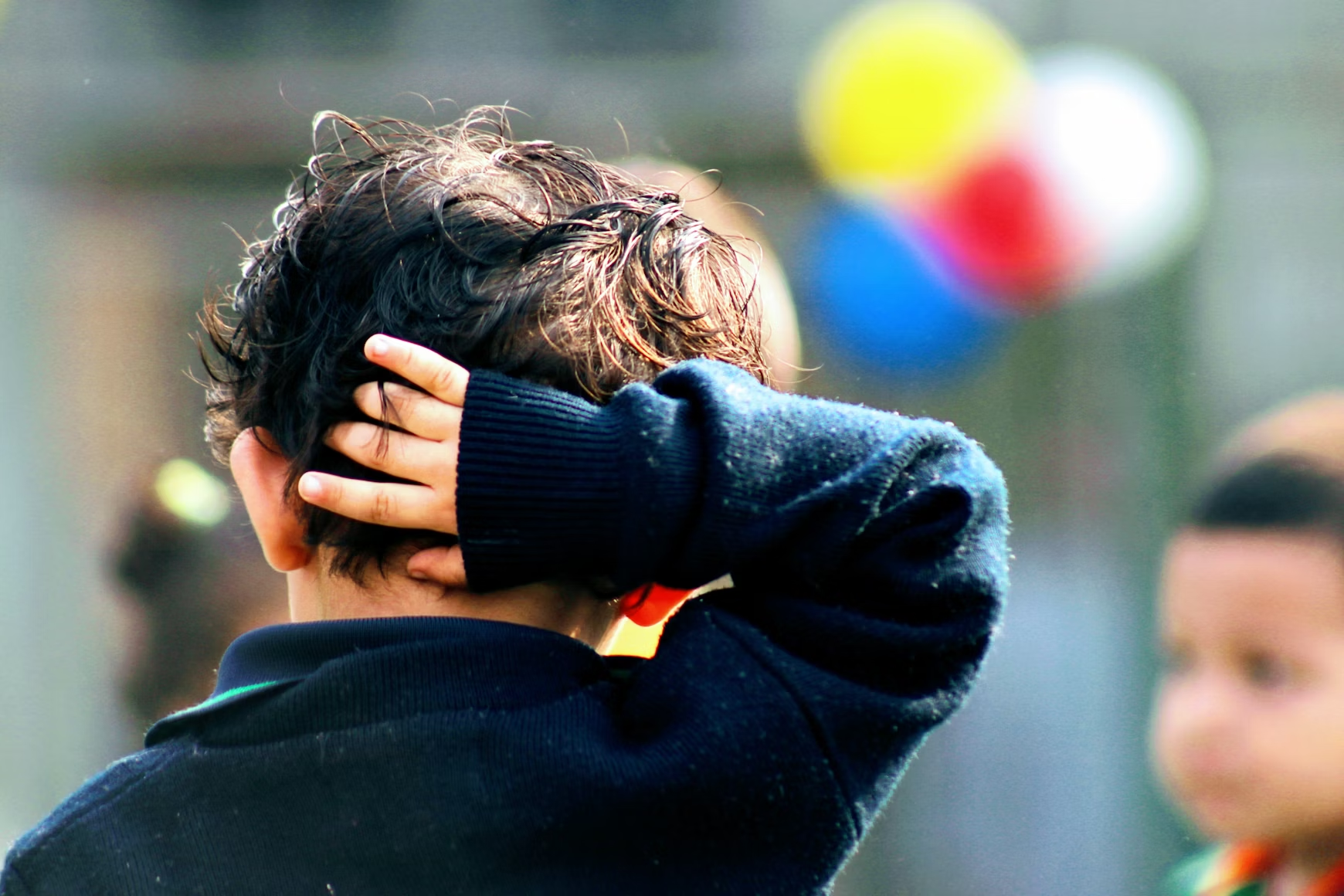
When your child says “I’m fine,” it can be tempting—and sometimes a relief—to accept it at face value. But as any parent or caregiver knows, kids don’t always have the language or the desire to reveal what’s really going on. Sometimes their inner struggles surface in more subtle ways long before they’re ready to discuss them.
Recognizing these early red flags can empower you to offer support before things escalate. From school avoidance to frequent physical complaints, here are seven signals your child may be quietly battling more than they let on—and steps you can take to help.
1. Persistent Irritability or Moodiness
Occasional bad days are normal for kids and teens. But a constant state of crankiness or emotional outbursts could indicate a deeper issue. Anxiety, depression, or chronic stress often hide behind irritability, especially in older children. According to Embark Behavioral Health, many adolescents dealing with hidden anxiety might act out more at home because they feel safest there. If your child was once easygoing but now seems angry or withdrawn, take it as a potential red flag rather than just “moodiness.”
2. Avoiding School or Falling Behind Academically
One of the most common early signs of emotional distress is trouble at school, whether that looks like skipping classes, refusing to get ready in the morning, or showing a noticeable dip in grades. While it’s natural for kids to complain about homework sometimes, persistent school avoidance or academic decline warrants a closer look. Issues like depression, anxiety, bullying, or unaddressed learning challenges may lurk beneath the surface. It’s a good time to talk to teachers, counselors, or coaches to see if they’ve noticed changes, too.
3. Shifts in Sleep Patterns
Sleep is crucial for a child’s mental and physical health. When that changes suddenly—whether it’s insomnia, excessive napping, or nighttime restlessness—it might be more than a phase. Sleep disturbances often go hand-in-hand with anxiety or depression. Try gently asking about how rested they feel in the mornings or if anything is keeping them awake. Limit screens before bed and introduce consistent routines to encourage a smoother wind-down. Parents point out that improving sleep hygiene can have a surprisingly positive effect on a child’s overall mood.
4. Complaints About Physical Aches with No Clear Cause
Kids naturally complain about tummy aches or headaches to dodge chores or school. But repeated, unexplained physical complaints can reflect emotional tension. Stress and worry often manifest in the body, especially when children can’t articulate what’s bothering them. If your child frequently mentions aches without a medical explanation, it may be time to check in about stress at school, friendships, or self-esteem. A gentle conversation or even a simple doctor’s visit to rule out anything physical can help you figure out if emotional distress is the real culprit.

5. Significant Changes in Appetite
Has your child been eating noticeably more or less than usual? Such shifts in appetite, especially alongside mood changes, can point to emotional turmoil like depression or anxiety. Emotional eating or consistently skipping meals are signsthat something deeper might be going on. Keep an eye on their meal patterns, encourage regular family dinners, and be open to hearing what they have to say if they’re not hungry or are suddenly ravenous. Consistency in nutrition also gives you a daily chance to observe and connect.
6. Pulling Away from Friends and Family
Social withdrawal is one of the clearest indicators that a child may be struggling, even if they claim they’re fine. Maybe they no longer hang out with friends, or they’ve dropped interests they once loved. It doesn’t have to be drastic; a slow retreat from activities and relationships can still signal underlying issues like anxiety, low self-esteem, or depression. If you see these changes, gently encourage them to reach out to friends or join group activities. Meanwhile, maintain lines of communication at home without pressuring them too hard.
7. Destructive or Risky Behavior
When kids feel emotionally overwhelmed, they sometimes express it through boundary-pushing actions like aggression, vandalism, or sudden risk-taking (think dangerous stunts or experimenting with substances). These behaviors usually aren’t about “being bad.” Instead, they can be ways to cope with stress, sadness, or anger they can’t voice. Let them know they’re loved and safe, and consider talking to a mental health professional if the behaviors escalate. Quick intervention can help them find healthier ways to handle strong emotions.
What You Can Do When “I’m Fine” Isn’t the Full Story
Spotting signs your child is struggling doesn’t mean you’re failing—it means you’re paying close attention. Even if your child brushes you off, trust your instincts if you sense something is off. The sooner you acknowledge these red flags, the earlier you can help them navigate big feelings and stressful circumstances.
Don’t hesitate to reach out to school counselors, pediatricians, or mental health professionals for advice. Above all, remain a calm, consistent presence; let your child know they’re never alone, and it’s okay to talk about whatever they’re facing.
What subtle changes have you noticed in your child that made you think something deeper might be going on? Share your observations and experiences in the comments—other parents can learn from your story.
Read More
- How Do You Teach Kids About Consent and Boundaries?
- 6 Signs Your Child Is Struggling with Social Anxiety

Samantha Warren is a holistic marketing strategist with 8+ years of experience partnering with startups, Fortune 500 companies, and everything in between. With an entrepreneurial mindset, she excels at shaping brand narratives through data-driven, creative content. When she’s not working, Samantha loves to travel and draws inspiration from her trips to Thailand, Spain, Costa Rica, and beyond.
Read More

For many of us, we learned geography in school through memorization. We memorized capitals, populations,…

In the past decade, television has pushed boundaries and sparked conversations like never before. From…

In Fayetteville, GA, parents are already clashing with school intake systems that freeze when a…


Parenting is emotional—it’s full of love, worry, pride, fear, and a constant drive to do…


This post is part of the TaxAct #DIYtaxes blog tour which empowers you to take…

Image Source: Unsplash It’s every parent’s nightmare: one second your child is giggling over snack…


Leave a Reply