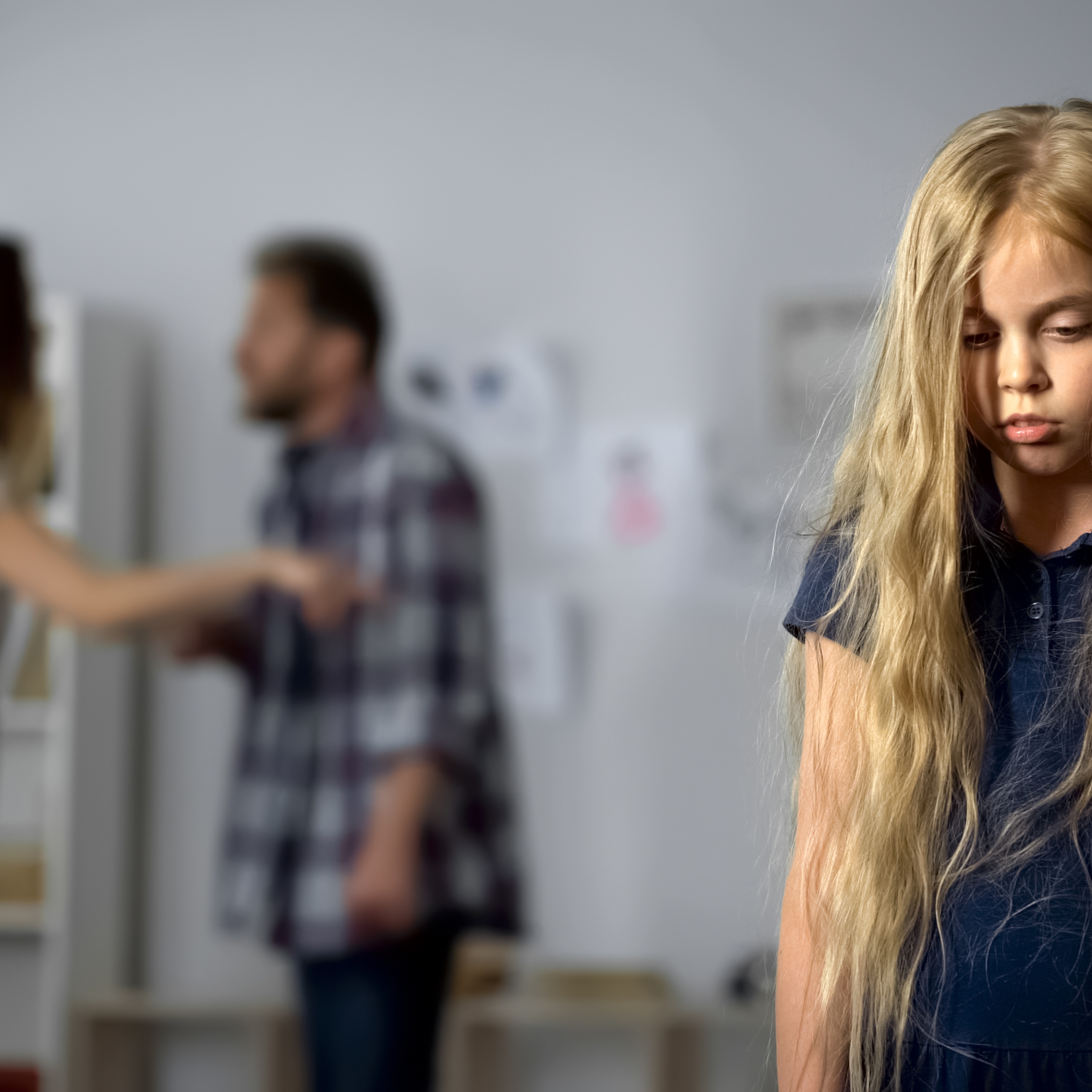
In the intricate tapestry of parenting, lies a spectrum of experiences that shape a child’s world. Yet, amidst the joys and challenges, some burdens are shouldered solely by the parents, shielding their offspring from the harrowing weight of certain adversities. Delve into the realm of parental trauma, where the resilience of healthy children illuminates the absence of twelve profound struggles they have been spared from enduring.
1. Chronic Hunger

In modern, developed societies, chronic hunger is a harrowing experience that no child should have to face. Access to sufficient and nutritious food is fundamental for growth and development. Unfortunately, many children around the world still experience food insecurity, which can lead to severe health and developmental issues. Parents who have experienced this trauma often go to great lengths to ensure their children are well-fed. The mental burden of having lived through hunger stays with them, impacting their parenting decisions and their efforts to prevent similar experiences for their children.
2. Exposure to Violence

Exposure to violence, whether domestic or community-based, is a traumatic experience that leaves lasting scars. Children growing up in violent environments often suffer from anxiety, depression, and post-traumatic stress disorder. Parents who have endured such trauma may be hyper-vigilant, doing everything possible to protect their children from similar environments. This overprotectiveness, while well-intentioned, can sometimes lead to excessive fear and control. Ensuring a safe, non-violent upbringing is crucial for a child’s sense of security and well-being.
3. Displacement and Homelessness

The trauma of displacement and homelessness can be devastating for both parents and children. Being uprooted from one’s home and community often leads to a loss of stability and security. For parents, the experience of homelessness creates a deep-seated fear of instability for their children. They may work tirelessly to provide a stable home, ensuring their children never have to face the uncertainty and fear they once knew. This trauma informs their parenting style, focusing on creating a consistent and safe living environment.
4. Neglect and Emotional Abandonment

Emotional neglect and abandonment are forms of trauma that can severely impact a child’s emotional development. Children require love, attention, and emotional support to thrive. Parents who have experienced neglect often go to great lengths to provide their children with the emotional support they lacked. They may be overly attentive and nurturing, striving to ensure their children feel valued and loved. This dedication stems from their desire to break the cycle of neglect and provide a healthier emotional environment.
5. Lack of Access to Education
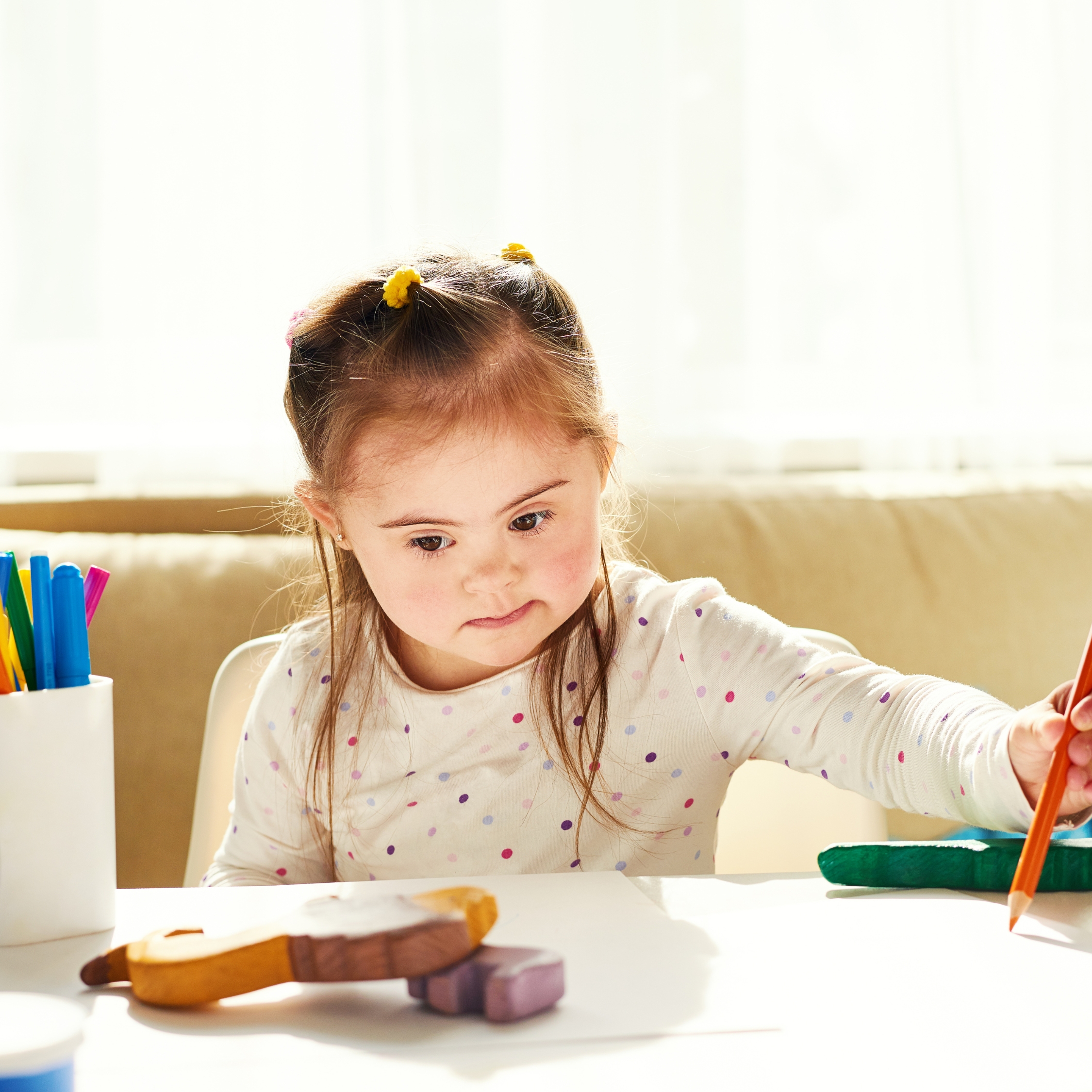
Education is a cornerstone of development, offering children the tools they need for a brighter future. Parents who were denied educational opportunities often feel the weight of that loss. They understand the doors that remain closed without proper education and thus emphasize the importance of learning to their children. Ensuring that their children have access to quality education becomes a priority, driven by the knowledge of what was missed. This focus on education aims to equip their children with better opportunities and a chance to succeed.
6. Severe Illness Without Medical Care

Experiencing severe illness without access to adequate medical care is a traumatic ordeal. Parents who have faced such hardships are acutely aware of the importance of healthcare. They are often diligent about their children’s health, ensuring regular check-ups and prompt medical attention. This vigilance is rooted in their own experiences of suffering without help, leading them to prioritize their children’s well-being. Access to healthcare is critical for preventing and managing illnesses, and these parents strive to provide what they once lacked.
7. Forced Labor
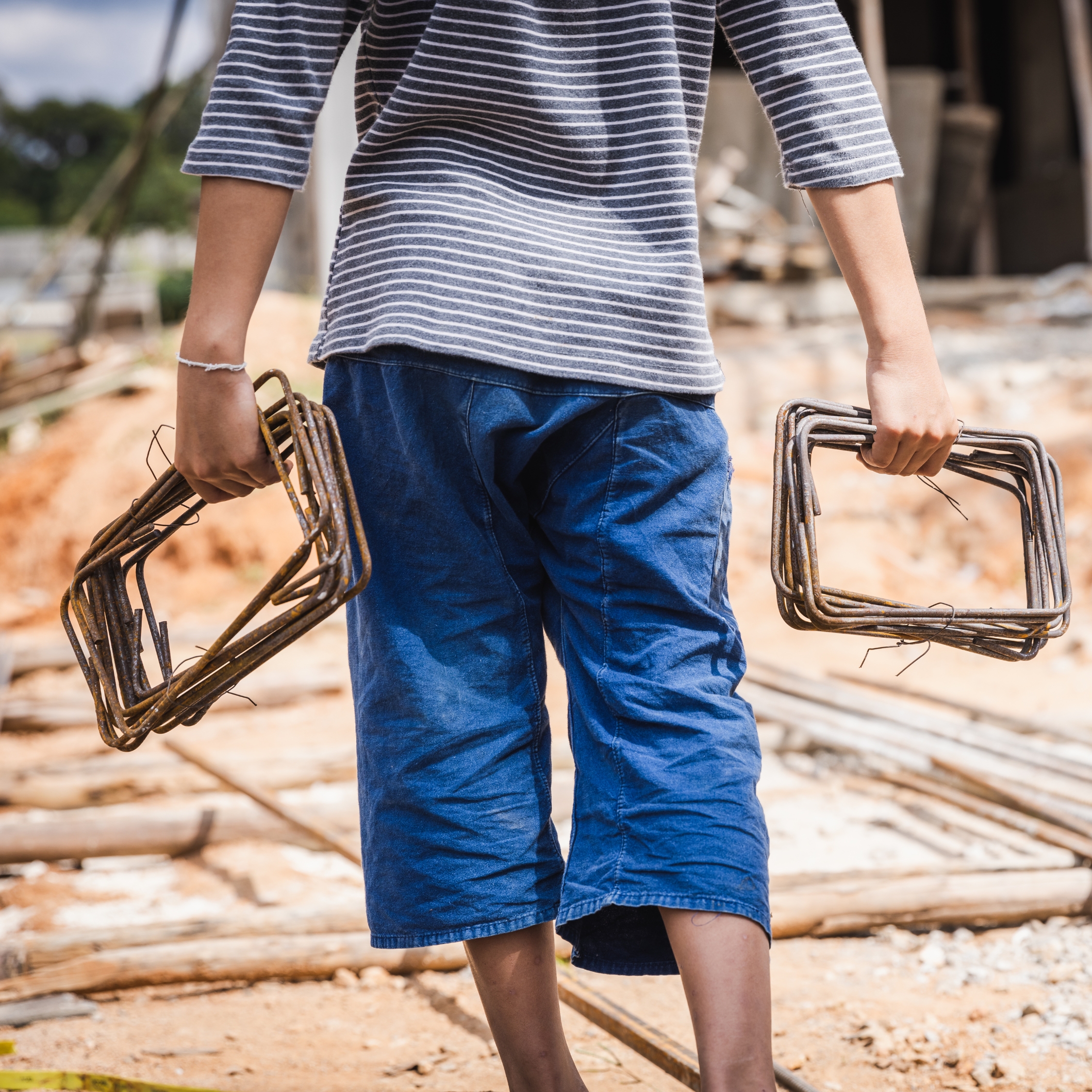
Child labor remains a harsh reality in many parts of the world, stripping children of their childhood and education. Parents who have endured forced labor often carry deep emotional scars and physical exhaustion. They are determined to protect their children from similar fates, valuing education and play over work. This trauma influences their parenting, as they seek to create a childhood filled with opportunities for growth and development. Ensuring their children never have to work under harsh conditions is a testament to their resilience and love.
8. Witnessing Substance Abuse

Witnessing substance abuse within the family is a deeply traumatic experience for a child. It creates an environment of instability, fear, and neglect. Parents who have lived through such trauma are often vigilant about keeping their children away from similar influences. They may be proactive in educating their children about the dangers of substance abuse and fostering open communication. This proactive approach aims to break the cycle and ensure a healthier environment for the next generation.
9. Loss of a Parent or Sibling

The loss of a parent or sibling is an unimaginable trauma that profoundly affects a child’s life. Parents who have experienced such loss understand the deep grief and sense of abandonment it brings. They may become overly protective and attentive to their children, seeking to shield them from similar pain. This heightened sense of protection stems from their own experiences with loss and the desire to provide a secure and loving environment. The trauma of loss influences their parenting, fostering a deeper connection and understanding with their children.
10. Physical Abuse

Physical abuse leaves both visible and invisible scars, impacting a child’s sense of safety and self-worth. Parents who have suffered physical abuse often go to great lengths to ensure their children never experience such pain. They are mindful of their actions, striving to create a nurturing and supportive home environment. This trauma shapes their parenting style, emphasizing kindness, patience, and non-violence. Breaking the cycle of abuse is a powerful motivator, driving them to provide a loving and safe upbringing for their children.
11. Discrimination and Prejudice

Experiencing discrimination and prejudice can lead to a profound sense of injustice and alienation. Parents who have faced such challenges work tirelessly to protect their children from similar experiences. They educate their children about diversity, inclusion, and the importance of standing up against injustice. This trauma informs their parenting, fostering a sense of empathy and resilience in their children. Ensuring a more equitable and understanding environment becomes a central goal, driven by their own experiences of discrimination.
12. Mental Health Struggles
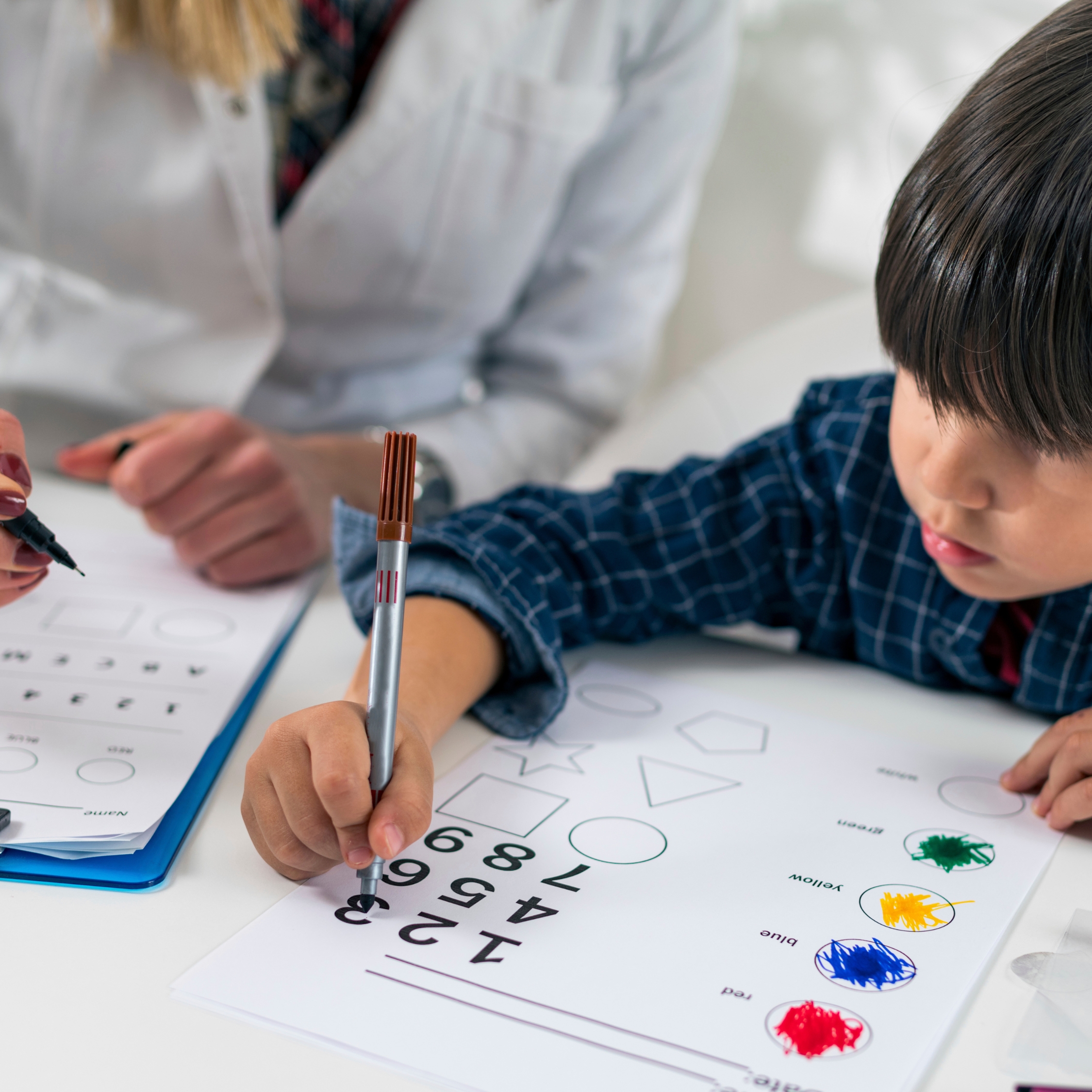
Struggling with mental health issues without support is a silent trauma that many endure. Parents who have experienced this often become advocates for mental health awareness and support. They prioritize their children’s mental well-being, ensuring access to resources and fostering open discussions about emotions and struggles. This focus on mental health stems from their own battles and the desire to create a more supportive environment. Ensuring their children have the tools and support they lacked is a crucial aspect of their parenting.
Parental Trauma

Understanding the traumas that parents have endured helps us appreciate their efforts to provide a better life for their children. As a society, we must support these parents in their journey, providing resources and understanding. By raising awareness and fostering empathy, we can help break the cycles of trauma and create healthier environments for future generations. Let’s work together to ensure no child has to endure the hardships their parents faced. Engage with this content, share it, and let’s make a difference together.

Ashleigh Clyde is a dedicated youth advocate, journalist, and researcher. Passionate about shedding light on important issues, such as financial literacy and marketing tactics. She has extensive experience in entertainment journalism.
Read More


Being an adoptive parent presents you with a very unique set of challenges. Not only…


123rf.com You don’t need a diaper bag or a little one in tow to keep…

When was the last time you looked at your child’s medical records? If it wasn’t…

If you have kids that are in middle school and high school, you likely feel…

Friendships are supposed to bring joy, comfort, and support, but sometimes they can become harmful…

For many of us, we learned geography in school through memorization. We memorized capitals, populations,…


Leave a Reply