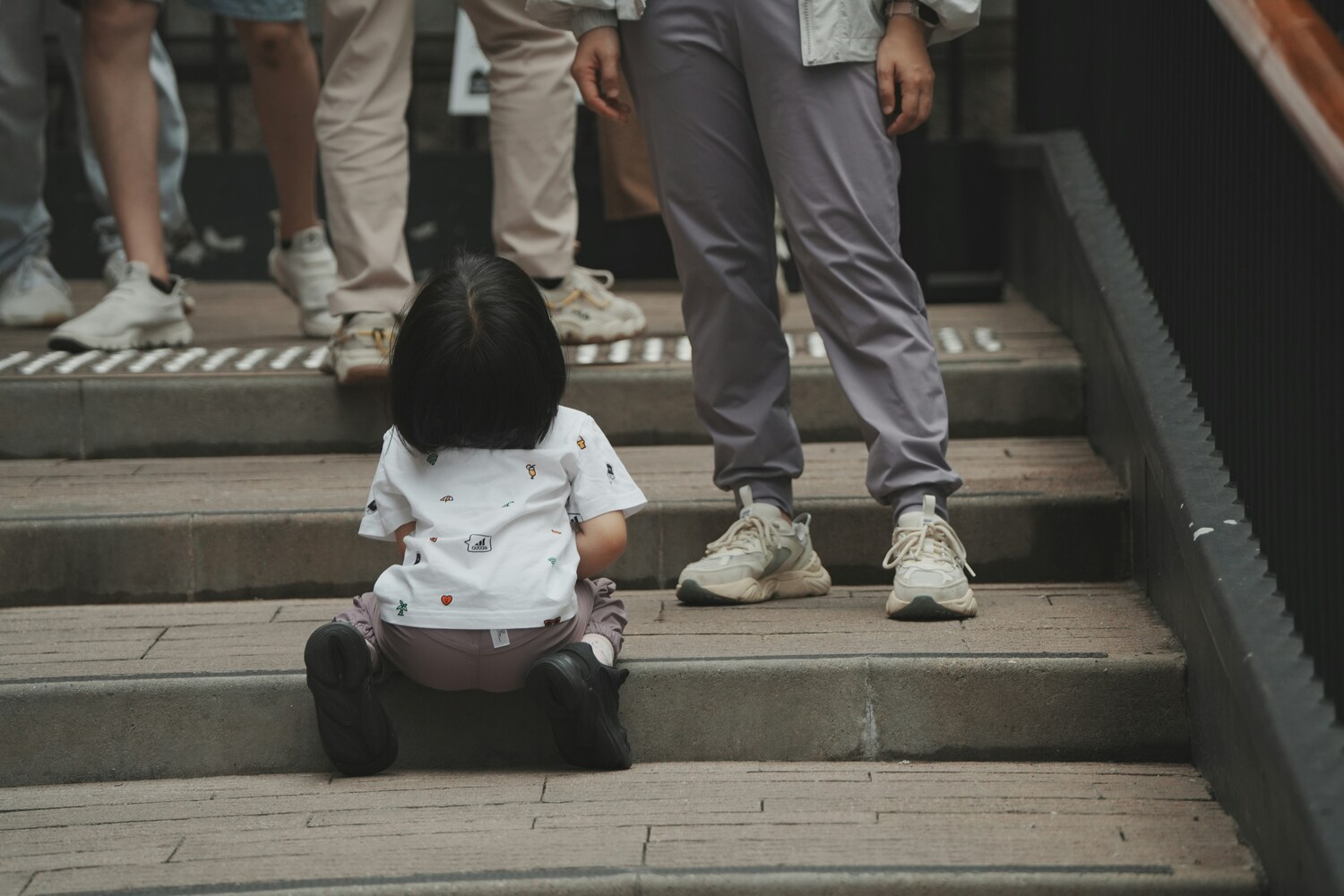
As parents, our instincts pull us toward comfort. We soothe the cries, smooth out the obstacles, and step in before failure lands too hard. It’s a beautiful intention, but sometimes it backfires.
Shielding kids from every discomfort doesn’t prepare them for real life. It teaches them that struggle is to be avoided at all costs. But what if the struggle isn’t the enemy? What if it’s the very thing that sharpens grit, problem-solving, and inner confidence?
Let’s be clear: we’re not talking about abandoning support. We’re talking about creating space for safe, age-appropriate struggle—moments where your child wrestles with effort, frustration, or challenge and comes out stronger.
Here are eight times when stepping back might actually be the most powerful step forward.
1. When They’re Learning a New Skill
Whether it’s tying shoes, riding a bike, or reading aloud, mastery doesn’t happen overnight. The temptation to “just do it for them” is real, but resist it. Those fumbles, sighs, and near-give-ups are part of the learning curve. When they finally nail it on their own, the pride is unmatched, and it sticks.
2. When Friendships Get Complicated
It’s hard to watch your child get left out or feel misunderstood. But micromanaging their social life won’t teach them how to communicate, set boundaries, or read social cues. Offer guidance and a listening ear, but let them do the heavy lifting of navigating real relationships.
3. When They Have a School Project Due
They forgot. Or they procrastinated. Now it’s bedtime, and the project isn’t done. The urge to step in and save the day is understandable, but here’s the thing: natural consequences are powerful teachers. A late grade or a missed deadline teaches time management better than a lecture ever could.
4. When They’re Arguing With a Sibling
Unless things turn aggressive, sibling squabbles are fertile ground for conflict resolution skills. When you jump in too quickly, you rob them of the opportunity to learn negotiation, compromise, and emotional regulation. Guide from the sidelines, but let them try to resolve it first.

5. When They’re Facing a Fair but Tough Consequence
If your child broke a rule at home or at school, don’t rush to rescue them. Owning the consequences of their actions helps build responsibility and integrity. It’s not about punishment; it’s about accountability and the internal growth that comes with it.
6. When They Say “It’s Too Hard”
Hearing your child give up is painful. But struggle often comes right before a breakthrough. Instead of swooping in with the answer, ask a question: “What could you try next?” Let them wrestle with the problem. That mental stretch builds real confidence because it wasn’t handed to them.
7. When They Feel Nervous About Trying Something New
It’s normal to want to pull them out of uncomfortable situations, whether it’s performing in front of a class, trying out for a team, or walking into a birthday party alone. But courage only grows when it’s exercised. Stand nearby with encouragement, but let them feel the nerves and do it anyway.
8. When They’re Dealing With Failure
A poor test grade, a botched audition, a lost game—these moments sting. But they’re also where resilience is born. Don’t minimize the disappointment. Let them feel it. Then, help them reflect: What did you learn? What will you do differently next time? Failure handled well is fertile ground for growth.
Struggle Isn’t Cruel. It’s Constructive
The goal isn’t to let your child flounder. It’s to walk the line between support and over-protection. When we let our kids face challenges, fall short, and try again, we’re sending a powerful message: You can handle hard things.
Over time, that message gets internalized. It becomes part of how they see themselves. Not as fragile, not as helpless, but as capable, adaptable, and strong.
So the next time your child is wrestling with something hard, pause before stepping in. You might just be watching a strength being born.
What’s one situation where you let your child struggle and saw them come out stronger on the other side?
Read More:
7 Signs Your Child Is Emotionally Overstimulated, Not Misbehaving
7 Ways to Raise Resilient Kids in a World of Instant Gratification
Read More

You might lock your doors, monitor screen time, and teach your child about stranger danger,…

We have three kids who are 16, 12, and 10. The older two are quite…

Image Source: Unsplash Every parent has that one story: you bring home the latest “must-have”…

123rf.com If you’ve ever caught yourself scrolling Instagram while in pajamas and catching crumbs off…


Parenting isn’t just about guiding kids through the daily grind—it’s also about making timely choices…


At the beginning of the year, my daughter started ballet. Halfway through the semester they…


Leave a Reply