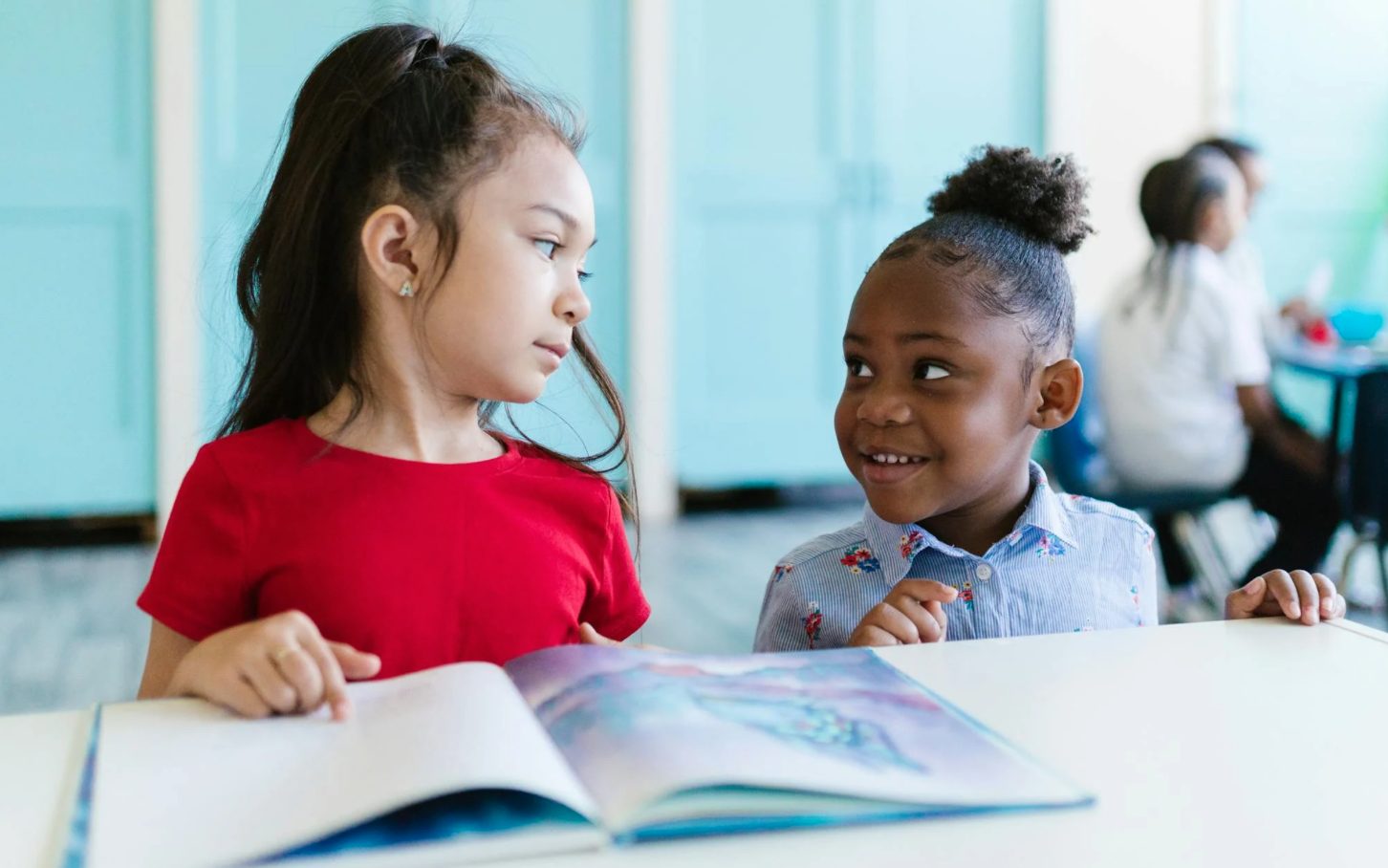
Pennsylvania’s approach to special education is undergoing a meaningful shift, and families, educators, and students are beginning to feel the impact. With expanded funding aimed at inclusive programs, the state is signaling a stronger commitment to ensuring that students with disabilities learn alongside their peers whenever possible. This Pennsylvania special education update arrives at a time when schools are balancing academic recovery with growing demands for equitable access. For many parents, this change represents both opportunity and uncertainty as they navigate what inclusion truly looks like in practice. Understanding where the funding is going—and how it translates into real classroom experiences—is key to making the most of this moment.
What the Pennsylvania Special Education Funding Expansion Really Means
The Pennsylvania special education update centers on increased state funding directed toward inclusive classroom models and support services. Rather than isolating students with disabilities, schools are being encouraged to integrate them into general education settings with proper accommodations. This includes hiring more support staff, investing in co-teaching models, and improving access to assistive technology. For example, a student with a learning disability may now receive in-class support instead of being pulled out for separate instruction. These changes aim to improve both academic outcomes and social development, reflecting research that shows inclusive environments benefit all students.
How Inclusive Programs Are Changing Classroom Dynamics
Inclusive programs are reshaping how classrooms function on a daily basis, and teachers are adapting quickly. In many Pennsylvania schools, general education and special education teachers now collaborate closely to deliver lessons that meet diverse learning needs. This co-teaching approach allows for differentiated instruction, where students can engage with the same material at varying levels of complexity. A real-life example might include a reading lesson where some students use audio support while others engage in group discussions. While this model promotes equity, it also requires careful planning and professional development to be effective.
Teachers report that when done well, inclusive classrooms foster empathy, collaboration, and stronger peer relationships. Students without disabilities also benefit by developing communication skills and emotional intelligence. However, the success of these programs depends heavily on proper training and classroom support. Without adequate staffing, teachers may struggle to meet the needs of all learners. This highlights why the Pennsylvania special education update places such a strong emphasis on funding and resources.
Where the Funding Is Being Allocated—and Why It Matters
A significant portion of the Pennsylvania special education funding expansion is being directed toward staffing, training, and resources. Schools are using funds to hire paraprofessionals, speech therapists, and behavioral specialists who can support students within inclusive settings. Additionally, districts are investing in professional development to help teachers implement evidence-based strategies. For instance, training in Universal Design for Learning helps educators create lessons that are accessible from the start, reducing the need for retroactive accommodations. Technology is another key area, with funds supporting tools like text-to-speech software and communication devices.
These investments matter because they directly impact how effectively inclusion is implemented in the classroom. A well-supported teacher is better equipped to manage diverse learning needs. Students benefit from consistent, tailored support rather than fragmented services. Families also gain confidence when they see tangible improvements in classroom environments. Ultimately, strategic funding ensures that inclusion is not just a concept but a daily reality.
Addressing Parent Concerns and Misconceptions
While the Pennsylvania special education update brings promising changes, it also raises valid concerns among parents. Some worry that inclusive classrooms may not provide enough individualized attention for students with more complex needs. Others fear that general education students could be slowed down academically. However, research consistently shows that well-supported inclusive environments do not compromise learning outcomes for either group. In fact, many parents report improved confidence and social skills in their children when inclusion is done right.
Open communication between schools and families remains essential to address concerns and ensure that each child’s Individualized Education Program is being followed effectively. Schools are increasingly offering parent workshops and informational sessions to explain how inclusion works. These efforts help build trust and transparency. When parents are informed, they are better able to advocate for their children. This collaboration is a cornerstone of successful implementation.
What Families Can Do to Navigate These Changes Successfully
Families play a crucial role in making the most of the Pennsylvania special education funding expansion. Staying informed about school policies and attending IEP meetings can help parents advocate for appropriate services. For example, asking specific questions about how inclusion will be supported in the classroom can provide clarity and reassurance. Building relationships with teachers and support staff also creates a stronger support network for the student. Additionally, parents can seek out local advocacy groups or workshops to better understand their rights and options.
Taking these proactive steps ensures that families are not just observers of change, but active participants in shaping their child’s educational experience. Keeping records of progress and communication can also be helpful during meetings. Parents should not hesitate to request adjustments if something is not working. Empowerment comes from knowledge and engagement. This approach helps maximize the benefits of the Pennsylvania special education update.
A New Chapter for Inclusive Education in Pennsylvania
The Pennsylvania special education update marks a significant step toward more inclusive and equitable education, but its success depends on thoughtful implementation and ongoing collaboration. Increased funding alone is not a solution—it must be paired with training, accountability, and clear communication. For students, this shift offers the chance to learn, grow, and connect in ways that were not always possible before. For educators, it presents both challenges and opportunities to innovate and adapt. Ultimately, the goal is to create classrooms where every student feels valued and supported.
How do you think inclusive education will shape the future of learning in your community? Have you seen these changes in your local schools yet? Share your thoughts and experiences in the comments below and join the conversation.
What to Read Next
Special Education Shift: Why Inclusive Classrooms Are Expanding Across the U.S.
3 Common Challenges Families Face When Accessing Special Education Services
The IEP Gap: Why Some Children With Special Needs Aren’t Getting Full Classroom Support

Evan Morgan has been a full-time freelance writer and editor for 10+ years. When not working, he enjoys catching the latest true crime documentary or getting lost in a good book.
Read More

Navigating the landlord-tenant relationship can be a delicate dance. Clear communication is key, but just…

Image Source: 123rf.com Choosing a name for your baby is one of the most exciting…

Many of us want to teach our children values in life that will bring…

We have three kids who are 16, 12, and 10. The older two are quite…

Sometimes you want more than your home cooking or a hamburger from a local fast…


Kids go through stages. Sometimes, during development, they may take things that don't belong to…


Leave a Reply