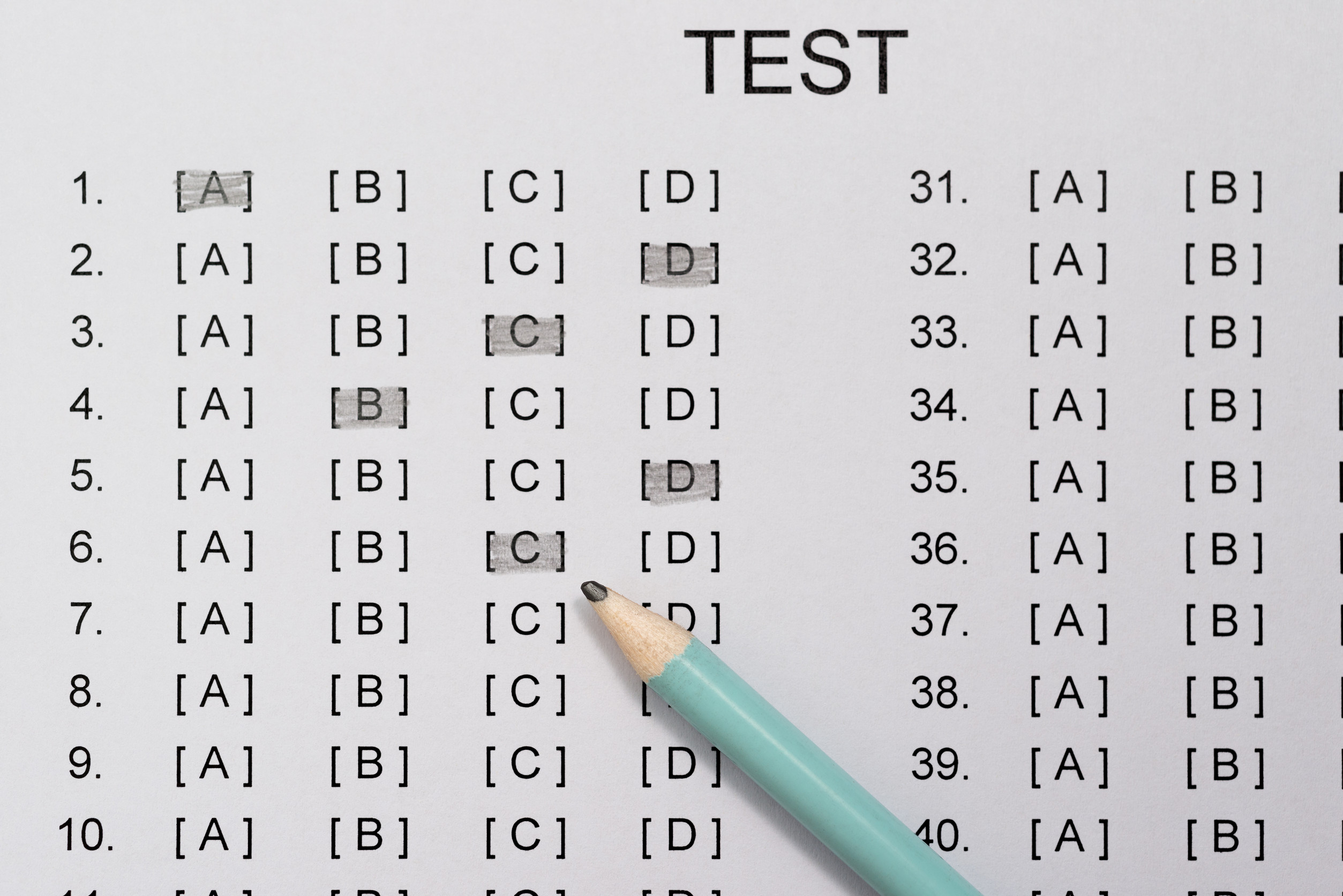
Standardized tests have become a regular part of childhood education, with milestone tests often shaping the way schools, teachers, and even students themselves measure progress. But are these tests truly helping our children succeed—or are they just adding pressure and narrowing the definition of learning? Many parents have watched their child stress over a single test score, wondering if it really captures all their child is capable of. While assessments can serve a purpose, it’s important to examine whether milestone tests are doing more harm than good. Let’s look at the real impact of these exams on kids, learning, and long-term growth.
1. Milestone Tests Can Overemphasize Memorization
One of the biggest concerns with milestone tests is that they often prioritize rote memorization over deeper learning. Students are pushed to cram information to meet test requirements rather than truly understanding the subject. Teachers may feel pressured to teach to the test, which can result in less creative and engaging classroom activities. When kids spend more time rehearsing facts than exploring ideas, their curiosity can start to fade. This model doesn’t always promote lifelong learning—it promotes short-term score gains.
2. They Can Create Unnecessary Stress
For many children, milestone tests are a major source of anxiety. The idea that a single exam could determine their academic future—placement in gifted programs, eligibility for tutoring, or even school funding—can be overwhelming. Some students freeze up during tests, underperforming despite understanding the material. Others may experience sleep issues, headaches, or stomachaches during testing seasons. The emotional toll alone raises questions about whether milestone tests are truly helping our children or simply weighing them down.
3. Scores Don’t Tell the Whole Story
A child is more than their test score, yet milestone tests often reduce performance to a single number or letter grade. This limited metric ignores skills like creativity, collaboration, emotional intelligence, and resilience. Students who are strong writers or innovative thinkers may not shine in multiple-choice formats. Likewise, kids with learning differences or language barriers may struggle with traditional testing despite their abilities. Using test scores as the main measure of success doesn’t reflect the full spectrum of a child’s strengths.
4. Testing Can Widen Educational Gaps
While milestone tests are meant to assess and improve student outcomes, they can unintentionally increase inequality. Children from under-resourced schools may not have access to the same test prep materials or enrichment opportunities as their peers in wealthier districts. This often results in lower scores, not due to a lack of intelligence, but a lack of support. Over time, these disparities can affect school funding, teacher evaluations, and curriculum priorities. Instead of closing the gap, milestone tests can end up reinforcing it.
5. They Limit Teacher Flexibility
When curriculum is designed around testing benchmarks, teachers lose the freedom to adjust their instruction to meet the unique needs of their students. Lessons become rigid, focused on test prep rather than meaningful exploration. Teachers may feel frustrated when they can’t dive into topics their students are curious about because it “won’t be on the test.” This environment can make school less exciting for both teachers and kids. Learning becomes a checklist, not an adventure.
6. Kids Learn to Associate Worth with Scores
It’s easy for children to start believing their value as a student—or as a person—is tied to their test results. High scorers may feel constant pressure to maintain their status, while others might think they’ll never be “smart enough.” This mindset is especially harmful in younger kids, who are still forming their sense of identity. A single bad test experience can leave lasting self-doubt. Education should build confidence, not shatter it with a single Scantron.
7. Milestone Tests Don’t Reflect Real-World Skills
In adult life, few situations involve picking the right answer out of four options in silence under a time limit. Real-world skills like communication, critical thinking, and problem-solving are rarely tested through milestone exams. Projects, presentations, and collaborative tasks prepare kids far better for life beyond school. If we want to equip students for the future, we need assessments that reflect the complexity of real challenges, not just their ability to bubble in answers correctly.
8. Parents and Teachers Want More Holistic Approaches
There’s growing demand from educators and families alike for a more balanced view of student progress. Many would prefer assessments that combine class participation, long-term projects, and feedback-based evaluations. These tools give a more accurate picture of a child’s development and provide actionable steps for growth. Milestone tests, by contrast, often give delayed, generalized results. It’s no wonder more people are asking whether these tests are truly helping our children or just maintaining an outdated system.
Rethinking What Real Progress Looks Like
It’s time to start redefining how we measure success in school. Children thrive when they feel seen for who they are, not just how they score. That means listening to teachers, encouraging creativity, and embracing assessment tools that support growth instead of stifling it. Milestone tests may have their place, but they should never be the only measure of progress. Helping our children succeed means looking beyond the bubble sheet.
Do you think milestone tests are helping or hurting your child’s learning experience? Share your perspective in the comments—we’d love to hear your take.
Read More:
Are Schools Still Preparing Kids for a World That No Longer Exists?
5 Secrets of Academically Successful Kids

Catherine is a tech-savvy writer who has focused on the personal finance space for more than eight years. She has a Bachelor’s in Information Technology and enjoys showcasing how tech can simplify everyday personal finance tasks like budgeting, spending tracking, and planning for the future. Additionally, she’s explored the ins and outs of the world of side hustles and loves to share what she’s learned along the way. When she’s not working, you can find her relaxing at home in the Pacific Northwest with her two cats or enjoying a cup of coffee at her neighborhood cafe.
Read More

Going through a custody battle is stressful, deeply emotional, and often full of surprises. In…

Image Source: Unsplash Let’s face it—parenting doesn’t come with an instruction manual. One day you're…

For many, insurance is a daunting topic. Understanding the types of coverage, terms and conditions…

Opening a joint bank account with your child can seem like a smart, simple way…


Baby names such as Theodore, Charlotte, Henry, Evelyn, Arthur, and Eleanor can sound as though…

Your home may look sparkling clean, but if you’re using the wrong products, that shine…


Leave a Reply