• Home
  • About Us
  • Toolkit
  • Archives
  • Advertise
  • Privacy Policy

Kids Ain't Cheap

But They Sure Are Worth It

  • Parenting
    • Baby Stuff
    • Books and Reading
      • Aesops Fables
      • Comic Books
    • Education
    • Family Time
    • Green Living
    • Growing Up
    • Healthy Living & Eating
    • Holidays
    • Parenting
    • Random Musings
    • Shopping
    • Stuff to Do
  • Money
  • Product Reviews
    • Books and Magazines
    • Discount Sites
    • Furniture
    • House Keeping
    • Reviews News
    • Toys and Games
  • Contact Us
  • Our Editorial Commitment
  • Search

Are You Prepared? 10 Legal Papers You Need To Adopt A Child

July 28, 2025 | Leave a Comment

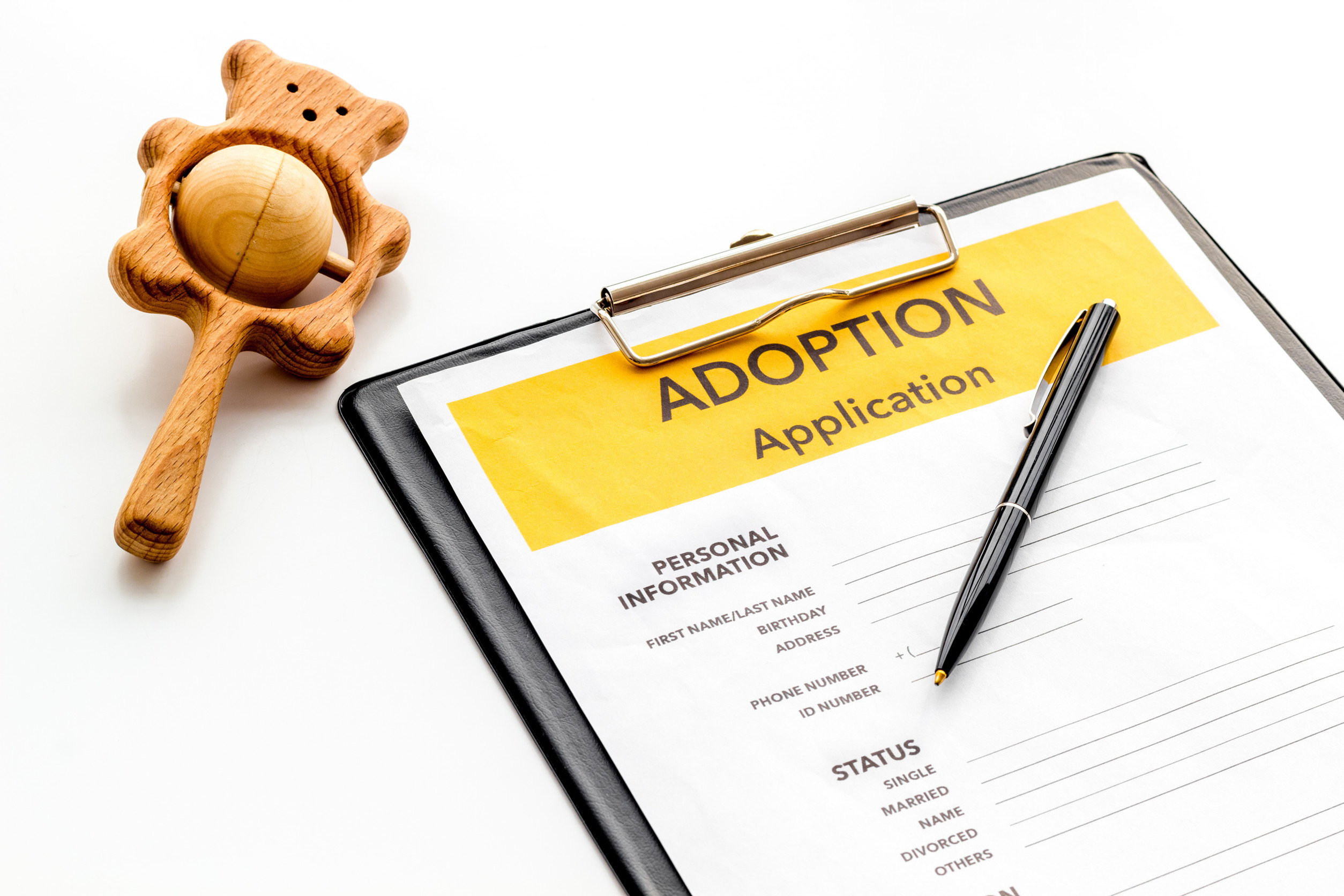
Are You Prepared 10 Legal Papers You Need To Adopt A Child
Image source: 123rf.com

Adopting a child is a powerful, life-changing decision—but before the hugs and happy endings, there’s paperwork. A lot of it. While adoption laws vary by state and country, there are certain legal papers you need to adopt a child no matter where you’re starting your journey. These documents prove your readiness, protect the child’s rights, and make the adoption legally binding. If you’re wondering what it takes to prepare for parenthood through adoption, this list will help you get one big step closer to bringing your child home.

1. Home Study Report

The home study is one of the most important legal papers you need to adopt a child. It’s a detailed assessment of your home environment, lifestyle, finances, and readiness to adopt. A licensed social worker conducts interviews, performs background checks, and inspects your home to ensure it’s safe and stable. The final report includes recommendations for placement and is required by the court and most agencies. Think of it as your official “stamp of approval” to move forward in the process.

2. Background Checks and Clearances

Adoption requires thorough background checks to ensure the safety and well-being of the child. These typically include FBI fingerprinting, state criminal history reports, and child abuse registry checks. In some cases, references from employers or neighbors may also be requested. Each adult in the household usually needs to complete this step. These documents are among the most critical legal papers you need to adopt a child because they confirm your suitability as a parent.

3. Adoption Petition

This is the formal request filed with the court to initiate the legal adoption process. The petition includes identifying information about the child, the birth parents (if known), and the adoptive parents. It outlines your intent to become the child’s legal guardian and must comply with all local adoption laws. Filing this petition officially starts your court proceedings. Without it, the adoption cannot proceed through the legal system.

4. Consent to Adopt

Before an adoption can be finalized, legal consent must be obtained from the child’s biological parents or legal guardians, unless their rights have been terminated. In cases of private or international adoption, agencies or foreign courts may provide this consent. In foster care adoptions, the state may have already terminated parental rights. These consent forms must be signed, notarized, and included in the adoption file. This is one of the legal papers you need to adopt a child that ensures the process respects the rights of all parties involved.

5. Termination of Parental Rights (TPR)

If the birth parents haven’t voluntarily relinquished their rights, a legal termination must occur. TPR papers state that the biological parents no longer have legal claims to the child. This can be done voluntarily or by court order due to neglect, abuse, or abandonment. Without these papers, the court cannot finalize the adoption. It’s a sensitive but necessary step in the legal process.

6. Proof of Citizenship or Legal Residency

You’ll need to provide copies of your passport, birth certificate, or green card to prove your legal residency or citizenship. This helps determine eligibility for adopting under state or federal law. In international adoptions, these documents may also be required to process a child’s visa or citizenship. Keep these current and on hand. They’re foundational legal papers you need to adopt a child through any route.

7. Financial and Employment Statements

You don’t have to be wealthy to adopt, but you do need to show financial stability. Pay stubs, tax returns, and employment verification letters are used to evaluate your ability to provide for a child. Some agencies also request a monthly budget or proof of savings. These papers help assess your financial readiness, which courts and agencies take seriously. Stability matters more than income level.

8. Medical Reports

Adoptive parents are usually required to undergo medical evaluations to show they are physically and mentally capable of caring for a child. A basic health screening from your doctor and a signed medical clearance form may be required. If you have a chronic illness, you may need a letter from your physician explaining how it’s managed. These medical documents are not about perfection—they’re about ensuring long-term caregiving ability. They’re standard legal papers you need to adopt a child.

9. Adoption Agreement or Placement Agreement

This legal document outlines the terms of the adoption and confirms that the adoptive parents accept full responsibility for the child. It also clarifies the legal transfer of custody and may include any post-adoption contact agreements, especially in open adoptions. The adoption agency or attorney typically drafts this form. It must be signed by all relevant parties and approved by the court before the adoption is finalized.

10. Final Adoption Decree

This is the document every adoptive parent dream of—it’s the official court order that finalizes the adoption. The judge issues the decree once all other requirements have been met and the adoption hearing is complete. It gives you full legal parental rights and responsibilities. This paper is required to change your child’s name or apply for a new birth certificate. It’s the final step in the paperwork journey and the first page in your new family chapter.

Paperwork with a Purpose

The legal papers you need to adopt a child may seem overwhelming, but each one serves a clear purpose: to protect the child, support the parents, and ensure the process is ethical and complete. While the checklist is long, you’re not in it alone. Agencies, attorneys, and social workers are there to guide you through each form and file. In the end, every signature brings you one step closer to the most important title of all—parent.

Have you been through the adoption process or are you considering it? What part of the paperwork surprised you the most? Share your experience in the comments!

Read More:

8 Legal Battles Families Face Over Inheritance and Children’s Rights

6 Surprising Ways Your Child’s Inheritance Could Be Reduced

Catherine Reed
Catherine Reed

Catherine is a tech-savvy writer who has focused on the personal finance space for more than eight years. She has a Bachelor’s in Information Technology and enjoys showcasing how tech can simplify everyday personal finance tasks like budgeting, spending tracking, and planning for the future. Additionally, she’s explored the ins and outs of the world of side hustles and loves to share what she’s learned along the way. When she’s not working, you can find her relaxing at home in the Pacific Northwest with her two cats or enjoying a cup of coffee at her neighborhood cafe.

Read More

  • Review of a1Travel.com and Tips for Using It
    Review of a1Travel.com and Tips for Using It

    Summer is just around the corner. And as a kid the start of summer always…

  • owlet worth it
    Owlet Smart Sock 2 Review: Is the Owlet Worth It?

    Bringing home your baby from the hospital is a joyous occasion, but it's also scary,…

  • 5 Ways Bullying Apps Are Operating Without School Oversight
    5 Ways Bullying Apps Are Operating Without School Oversight

    Bullying doesn’t stop when the last bell rings anymore, and that’s what makes it so…

  • 6 Tips for Teaching Your Kids About Holiday Budgeting

    Overspending at Christmas is easy to do and most parents are guilty of it most…

  • Keep Your Home Safe From Fires Using These Tips

    Fires are common, albeit unfortunate, and pose a major risk to most homeowners and family…

  • birthday gifts
    7 Birthday Gifts Your Child Should Never Bring to a Party

    Image Source: 123rf.com Birthday parties are exciting moments for kids, but gift-giving can quickly become…

Filed Under: Parenting Tagged With: adoption paperwork, adoption process, adoption requirements, family law, foster adoption, legal papers you need to adopt a child, parenting legalities, private adoption

Leave a Reply Cancel reply

Your email address will not be published. Required fields are marked *

This site uses Akismet to reduce spam. Learn how your comment data is processed.

  • Facebook
  • Pinterest
  • RSS
  • Twitter
Best Parenting Blogs

Most Popular

Baby names

Teachers Admit: These 6 Baby Names Create Instant Bias in the Classroom

Latrice Perez
These Are 6 Baby Names Inspired by Vintage TV and Movies

6 Baby Names Inspired by Vintage TV and Movies

Brandon Marcus
6 Baby Names That Sound Cute Now but Cause Problems Later

6 Baby Names That Sound Cute Now but Cause Problems Later

Brandon Marcus
11 Ways Kids Are Outsmarting Parental Controls 1. Using Alternate Devices One common trick is simply turning to another device. If a child’s main phone or tablet is restricted, they may borrow a sibling’s, friend’s, or even a school laptop. This instantly gives them access to content outside of parental oversight. Parents often focus on one device, forgetting that others in the household can serve as loopholes. Knowing this tactic helps families tighten controls across all electronics. 2. Clearing Browsing Histories Many kids quickly learn that clearing browsing history hides evidence of restricted activity. With just a few clicks, they can erase any trace of websites visited. This makes it harder for parents to notice when rules are being broken. Parents may assume no history means no browsing, but the reality is often the opposite. Kids are outsmarting parental controls by making it seem like nothing happened at all. 3. Using Private Browsing Modes Most browsers offer “incognito” or private browsing features. Kids use this mode to access websites without leaving a record in the history. To parents checking later, everything looks clean and safe. This simple trick is often one of the first ways kids discover how to bypass restrictions. Conversations about private browsing can help close this gap. 4. Guessing or Resetting Passwords Children who are persistent may try to guess passwords to parental control apps or accounts. Others may find ways to reset them through email prompts or security questions. Once inside, they can disable restrictions entirely. Parents may not even realize controls have been altered until much later. Stronger, less predictable passwords can make this more difficult. 5. Using VPNs to Hide Activity Virtual private networks, or VPNs, let kids disguise their online locations. With one downloaded app, they can bypass geographic or parental restrictions. Some children learn about VPNs through friends or even social media. This makes it easy for them to reach content that should be blocked. Parents often underestimate just how simple it is for kids to use these tools. 6. Creating Fake Accounts When parents monitor social media, kids may create hidden accounts. These “finstas” or fake profiles allow them to interact freely without parental oversight. While their main account appears harmless, the secondary one tells a different story. Kids are outsmarting parental controls by playing both sides at once. Checking for duplicate accounts can help parents stay more aware. 7. Exploiting Time Zone Settings Some kids change the time zone on their devices to bypass screen time limits. This trick allows them to gain extra hours of usage undetected. Parents may assume controls are working, but in reality, the child is bending the clock. It’s a clever loophole that highlights just how resourceful kids can be. Monitoring device settings regularly can catch this tactic. 8. Disabling or Uninstalling Apps Parental control apps can be deleted or disabled with surprising ease. Some kids even reinstall them before a parent checks, making it seem like nothing changed. Others may simply restrict permissions to prevent apps from functioning properly. When apps aren’t monitored closely, parents may not notice they’ve been tampered with. This shows the importance of consistent follow-up. 9. Turning to Friends for Access If a child can’t get past restrictions on their own, they may rely on friends. Visiting a friend’s house or borrowing their phone can give them a free pass. Parents often forget that peer environments can override restrictions set at home. This kind of social workaround is especially common with gaming or social media. Open conversations about trust and responsibility are essential. 10. Hiding Apps in Plain Sight Kids sometimes download apps that look innocent but serve as gateways to hidden activity. These apps may disguise themselves as calculators or utilities. In reality, they allow file storage, private messaging, or browser access. Parents glancing at a home screen may overlook them entirely. Learning to recognize these disguised apps can help parents stay informed. 11. Outpacing Parents’ Tech Knowledge Finally, kids often know more about devices than their parents do. Whether through YouTube tutorials, TikTok hacks, or peer groups, they quickly learn advanced workarounds. This knowledge gap means controls can be bypassed before parents even realize the loophole exists. Staying informed and continually learning about new technology is the best defense. Kids are outsmarting parental controls because they adapt faster than most adults. The Real Solution Lies Beyond Restrictions While controls and filters are important, no system is perfect. Kids will always find creative ways around barriers, making communication the strongest safeguard. Setting clear expectations, building trust, and having ongoing conversations about online behavior matter more than apps alone. Parents who combine technology with open dialogue create a safer digital environment. The goal isn’t to win a battle of wits but to build a relationship that keeps kids both safe and honest. Do you think kids are outsmarting parental controls faster than parents can keep up? Share your experiences in the comments below. What to Read Next... 6 Parenting Tech Shortcuts That Can Expose Your Child to Strangers How Much Screen Time Is Too Much—Legally Speaking? Is Your Child’s School Quietly Tracking Their Location Without Your Consent? How Much Screen Time Is Quietly Reshaping Childhood Behavior? Why Some Parents Are Being Investigated Over Homeschooling Records

11 Ways Kids Are Outsmarting Parental Controls

Catherine Reed
Smiling grandfather holding a happy baby indoors.

Why Grandparents Shouldn’t Babysit Their Grandkids Every Week – The Unspoken Issue

Samantha

All content on Kids Ain’t Cheap is for entertainment purposes only. By reading this blog, you agree that Kids Ain’t Cheap is not responsible for any actions taken after reading this blog. For the full disclaimer, see our privacy policy.

Please note that Kids Ain’t Cheap has financial relationships with some of the merchants mentioned here. Kids Ain’t Cheap is funded by banner advertising, commission sales and search optimization consulting.

Copyright © 2006–2026 | District Media | All Rights Reserved | Privacy Policy

Copyright © 2026 Runway Pro Theme by Viva la Violette