• Home
  • About Us
  • Toolkit
  • Archives
  • Advertise
  • Privacy Policy

Kids Ain't Cheap

But They Sure Are Worth It

  • Parenting
    • Baby Stuff
    • Books and Reading
      • Aesops Fables
      • Comic Books
    • Education
    • Family Time
    • Green Living
    • Growing Up
    • Healthy Living & Eating
    • Holidays
    • Parenting
    • Random Musings
    • Shopping
    • Stuff to Do
  • Money
  • Product Reviews
    • Books and Magazines
    • Discount Sites
    • Furniture
    • House Keeping
    • Reviews News
    • Toys and Games
  • Contact Us
  • Our Editorial Commitment
  • Search

The Untold Truth: 15 Unexpected Habits of People Who Were Unloved as Kids

March 21, 2024 | Leave a Comment

123rf

Growing up feeling unloved can profoundly impact an individual’s behavior and personality. This untold truth reveals itself in unexpected habits that might be misunderstood by those who have not experienced similar emotional neglect. These behaviors, often developed as coping mechanisms during childhood, can carry into adulthood, shaping the person’s life in significant ways. Recognizing and understanding these habits is essential in appreciating the complex journey of those who have navigated this challenging beginning.

1. Overcompensating Through Perfectionism

DALL-E

Individuals who felt unloved during childhood often strive for perfection in all aspects of their lives. This relentless pursuit of the ideal can lead to impressive achievements, but also to significant stress and self-doubt. They might set unreasonably high standards for themselves, believing that perfection will make them more lovable. The constant need to control outcomes and avoid mistakes can make them extremely detail-oriented, yet never fully satisfied. Such individuals often find it hard to celebrate successes, focusing instead on what could have been better. Their perfectionism isn’t just about being the best; it’s a quest for acceptance and love.

2. Difficulty Trusting Others

DALL-E

Growing up without feeling loved can lead to deep-seated trust issues in adulthood. These individuals might be overly cautious and interpret others’ actions as potential threats. They often struggle to form close relationships, fearing vulnerability will lead to rejection or hurt. This wariness can be misunderstood as aloofness or coldness, further isolating them. Despite craving genuine connections, they may sabotage relationships to avoid perceived inevitable betrayal. Their interactions are often guarded, with a subconscious belief that trusting others is risky.

3. Seeking Validation from External Sources

DALL-E

Those who felt unloved in childhood frequently seek validation from others to compensate for their internal void. They may become people-pleasers, constantly seeking approval and affirmation to feel valued. Their self-worth often hinges on external accolades, leading to a dependency on social media likes, workplace accolades, or superficial friendships. Such habits can create a cycle of temporary highs followed by lows, with their mood heavily influenced by others’ perceptions. They might overlook their own needs and boundaries in this quest for external validation, often feeling empty or unsatisfied.

4. Hyper-Independence

DALL-E

An untold truth about those unloved as kids is their development of hyper-independence. Accustomed to fending for themselves, they find it difficult to ask for help or rely on others, equating dependence with weakness. This self-reliance can appear empowering but often masks a fear of being let down or rejected. They may reject offers of assistance or partnership, preferring to maintain control and avoid potential vulnerabilities. This hyper-independence can lead to isolation and the misconception that they are without needs or desires for companionship. Despite their outward display of self-sufficiency, they deeply crave connection and support.

5. Obsessive Compulsive Tendencies

123rf

Often, those who experienced a lack of love in childhood develop obsessive-compulsive tendencies as a way to manage anxiety and control their environment. These behaviors can range from meticulous organization to ritualistic patterns that provide a sense of security. Such tendencies are not about the love for order itself but about creating a predictable world where they feel safe. This compulsive behavior can become a private coping mechanism, unseen by others but integral to their sense of stability. It’s a way to assert control in a world where they felt powerless and unloved.

6. Emotional Guardedness

123rf

Emotional guardedness is a common trait among those who were unloved as kids. They often build walls around their feelings to protect themselves from further emotional pain. This can result in a stoic or detached demeanor, making it difficult for them to express emotions or connect with others on a deeper level. They might be perceived as cold or unemotional, but this facade hides a vulnerable interior filled with unprocessed pain. Such individuals might struggle to identify or express their own emotions, leading to complexities in personal relationships and internal conflicts.

7. Diverse and Unique Strengths

123rf

These habits, while challenging, also often forge individuals with unique strengths and perspectives. People who have navigated the adversity of feeling unloved in childhood can develop remarkable resilience, creativity, and empathy. They often have a nuanced understanding of human emotions and can be incredibly kind and supportive to others facing difficulties. Their life experiences can lead to profound insights and contributions, turning their once perceived weaknesses into powerful assets. Their journey is not just about the struggle but also about the transformation and the unexpected strengths they gain.

8. Exceptional Problem-Solving Skills

123rf

Individuals who felt unloved as children often become exceptional problem solvers. Their early experiences lead them to be highly adaptive, learning to navigate complex emotional landscapes on their own. They are quick to identify issues and implement solutions, skills honed through years of self-reliance. These individuals tend to think outside the box, bringing innovative solutions to challenging situations. Their problem-solving abilities can make them valuable in crisis management, where quick and effective decision-making is crucial. However, this strength can sometimes result in taking on too much responsibility, as they are accustomed to dealing with problems independently.

9. Intense Creativity and Imagination

123rf

The untold truth about unloved children is their potential for intense creativity and imagination. Artistic expression often becomes a refuge from their tumultuous emotions, leading to extraordinary creative talents. They use their imagination as a means of escape and self-expression, crafting worlds where they feel safe and loved. This creativity can manifest in various forms, from painting and writing to innovative business ideas and scientific discovery. While this creative process is a powerful outlet, it can also be a double-edged sword, as they may retreat into these imagined realities to avoid facing the painful aspects of their lives.

10. Heightened Empathy and Sensitivity

123rf

Having experienced emotional neglect, these individuals often develop heightened empathy and sensitivity toward others. They can easily detect subtleties in mood and tone, attuned to the unspoken emotions of those around them. Their own experiences of feeling unloved make them particularly compassionate towards others in pain. This empathy, however, can sometimes lead to emotional exhaustion, as they absorb the emotions of others intensely. They often have to learn to balance their deep caring for others with self-care to prevent burnout.

11. Fear of Abandonment

DALL-E

A common thread in the lives of those who were unloved as children is a pervasive fear of abandonment. This fear can influence many aspects of their lives, from personal relationships to professional stability. They might cling to unhealthy relationships or stay in unsatisfying jobs, driven by the fear of being left alone. This fear can also lead them to avoid close relationships altogether, as a way to protect themselves from potential abandonment. Recognizing and addressing this fear is often a significant part of their emotional healing journey.

12. Unpredictable Attachment Styles

DALL-E

The experience of not feeling loved during childhood often results in unpredictable attachment styles in adulthood. They may alternate between anxious and avoidant attachments, struggling to find a stable and secure relationship pattern. This inconsistency can be confusing for both the individuals and their partners, leading to a cycle of relational difficulties. Understanding their attachment style and working through the underlying issues can be crucial for forming healthy, lasting relationships.

13. Resilience and Strength

DALL-E

Despite the adversities faced, many people who felt unloved as children develop an incredible resilience and strength. They have a remarkable ability to endure and overcome difficulties, often emerging as strong, independent individuals. Their life experiences teach them that they can survive and adapt to various challenges. This resilience is a testament to their inner strength and ability to transform pain into power. Their journey is one of survival, growth, and often, inspiring triumph.

14. Skewed Self-Image

DALL-E

Often, unloved children grow up with a skewed self-image, seeing themselves through the lens of their early experiences. They may struggle with feelings of worthlessness or believe they are inherently unlovable. Rebuilding a positive self-image requires significant inner work and, often, support from therapy or supportive relationships. They have to unlearn the negative beliefs instilled in childhood and learn to see themselves as worthy of love and respect.

15. Secretive Nature

123rf

Lastly, individuals who grew up feeling unloved often have a secretive nature. They are used to keeping their feelings and struggles hidden, fearing judgment or further rejection. This secrecy can make it challenging for them to open up and share their true selves, even with close friends or partners. Overcoming this barrier and learning to be vulnerable can be a transformative process, leading to more authentic and fulfilling relationships.

Reflecting on the Journey

DALL-E

The narrative of individuals who grew up feeling unloved is not just one of hardship but also one of immense strength and adaptability. Their unexpected habits, a testament to their survival and coping strategies, highlight the complex interplay between past trauma and present behavior. By delving into these behaviors, we can foster a greater understanding and empathy toward those who have endured such profound emotional challenges. It’s a journey of acknowledging the shadows of the past while embracing the resilience and transformation that can emerge. In understanding these untold truths, we pave the way for healing, growth, and a deeper connection with those who have walked this path.

Latrice Perez

Latrice is a dedicated professional with a rich background in social work, complemented by an Associate Degree in the field. Her journey has been uniquely shaped by the rewarding experience of being a stay-at-home mom to her two children, aged 13 and 5. This role has not only been a testament to her commitment to family but has also provided her with invaluable life lessons and insights.  As a mother, Latrice has embraced the opportunity to educate her children on essential life skills, with a special focus on financial literacy.

Filed Under: Growing Up, Money and Finances Tagged With: Difficulty Trusting Others, Hyper-Independence, Obsessive Compulsive Tendencies, Overcompensating Through Perfectionism, Seeking Validation from External Sources

20 Creative Ways to Boost Your Child’s Intelligence

March 20, 2024 | Leave a Comment

123rf

In the ever-evolving landscape of the 21st century, where knowledge expands at an unprecedented rate, the intelligence of the next generation becomes a pivotal asset. As parents and educators, there’s a growing emphasis on not just nurturing intelligence in a traditional sense but fostering a holistic intellectual development that adapts to this dynamic era.

The quest to enhance a child’s intelligence goes beyond academic excellence, aiming to equip them with the critical thinking, creativity, and emotional intelligence necessary for thriving in a complex world. In this article, we explore 20 creative and effective strategies to boost your child’s intelligence, each tailored to cultivate various aspects of cognitive and emotional growth. These methods are not just about academic achievements but about developing a well-rounded, inquisitive, and resilient individual ready to face the challenges and opportunities of the future.

1. Encourage Curiosity and Exploration

123rf

Allow your child to explore their environment and ask questions. This stimulates their natural curiosity and desire to learn. Set up a safe space at home where they can experiment with different materials. Encourage outdoor exploration, which can help them learn about nature and science. Answer their questions patiently and foster a mindset that values discovery. Expose them to new experiences regularly to keep their curiosity alive.

2. Introduce Brain-Boosting Foods

123rf

Nutrition plays a crucial role in brain development. Include omega-3 fatty acids, found in fish, nuts, and seeds, in their diet to enhance brain function. Eggs, berries, and leafy greens are also great for boosting cognitive abilities. Encourage them to try different foods and understand the benefits they offer. Regularly include brain-boosting snacks in their diet. Avoid sugary drinks and snacks that can lead to energy crashes and hinder concentration.

3. Promote Physical Activity

123rf

Physical activity is essential for brain health. Encourage your child to engage in sports or outdoor games. This not only improves their physical health but also enhances cognitive function. Activities like dancing, cycling, or swimming can boost brain power. Make exercise a family activity to set a positive example. Regular physical activity can improve memory, attention, and problem-solving skills.

4. Foster a Reading Habit

123rf

Reading is a powerful tool for enhancing intelligence. Encourage your child to read books from a young age. Create a cozy reading nook at home to make reading enjoyable. Discuss the books they read to improve comprehension and critical thinking. Introduce them to a variety of genres to expand their knowledge and vocabulary. Make regular visits to the library a fun and educational outing.

5. Practice Mindfulness and Meditation

123rf

Mindfulness and meditation can significantly improve focus and cognitive abilities. Teach your child simple meditation techniques to help them manage stress and anxiety. Practice mindfulness exercises together to enhance attention and concentration. Create a calm and peaceful environment at home for practicing these activities. Encourage them to take mindfulness breaks during homework or study time. These practices can improve mental clarity and decision-making skills.

6. Engage in Creative Arts

123rf

Participation in the arts can greatly enhance cognitive development. Encourage your child to engage in painting, drawing, music, or theater. These activities boost creativity, improve problem-solving skills, and enhance memory. Offer them opportunities to attend art classes or workshops. Create an art-friendly space at home where they can express themselves freely. Support and celebrate their artistic achievements to boost their confidence and intelligence.

7. Learn a New Language

123rf

Learning a new language has been shown to improve cognitive skills. Encourage your child to learn a second language at an early age. Enroll them in language classes or use language learning apps. Practice the new language together at home through songs, games, and conversations. Exposure to a new language can enhance memory, problem-solving skills, and multitasking abilities. It also opens up a world of cultural understanding and opportunities.

8. Play Brain-Teasing Games

123rf

Games that challenge the brain can improve cognitive skills. Introduce your child to puzzles, strategy games, and brain teasers. These games improve critical thinking, concentration, and problem-solving abilities. Play these games together to make learning fun and interactive. Encourage them to set and achieve high scores or solve complex puzzles. This not only boosts their intelligence but also builds resilience and perseverance.

9. Incorporate Technology Wisely

123rf

Technology, when used correctly, can be a powerful educational tool. Introduce your child to educational apps and websites that enhance learning. Use technology to explore new subjects and solve problems. However, it’s important to monitor screen time and ensure it’s used productively. Encourage them to use technology for creating projects, researching topics, and developing new skills. This approach to technology can make learning more engaging and effective.

10. Foster Social Interactions

123rf

Social interactions play a key role in cognitive development. Encourage your child to engage in group activities, playdates, and teamwork projects. This enhances their communication skills, empathy, and emotional intelligence. Participate in community events or clubs where they can meet and interact with others. Teach them to navigate social situations and resolve conflicts. These experiences can significantly impact their cognitive and emotional growth.

11. Promote Logical and Mathematical Thinking

123rf

Encourage activities that boost logical reasoning and mathematical skills. Engage your child in simple math problems and logic puzzles. Use everyday situations to teach them about numbers, patterns, and problem-solving. Offer games like chess or Sudoku that promote strategic thinking. Encourage questions and discussions that require logical reasoning. These activities can significantly enhance cognitive abilities related to math and logic.

12. Support Musical Education

123rf

Music education is linked to improved brain development and intelligence. Encourage your child to learn a musical instrument or participate in singing. Music lessons can improve memory, attention, and reasoning skills. Listening to different types of music can also stimulate brain function. Make music a part of daily life and encourage active listening and participation. This not only enhances cognitive skills but also emotional intelligence.

13. Encourage Scientific Exploration

Foster an interest in science through experiments and exploration. Engage in simple home-based science projects. Visit science museums or planetariums to stimulate interest and learning. Encourage curiosity about the natural world and how things work. Teach them to question, hypothesize, and experiment. This not only builds scientific knowledge but also enhances critical thinking skills.

14. Utilize Educational Travel

123rf

Travel can be a fantastic educational tool. Expose your child to different cultures, languages, and historical sites. Plan trips that are both fun and educational, focusing on places with rich cultural or scientific significance. Discuss the history, geography, and culture of the places you visit. This broadens their understanding of the world and enhances cognitive and social skills.

15. Develop Time Management Skills

123rf

Teaching your child to manage time effectively can boost their cognitive abilities. Help them create a balanced schedule that includes time for learning, play, and rest. Teach the importance of prioritizing tasks and setting goals. Time management skills can improve organizational abilities, reduce stress, and lead to more productive learning habits.

16. Foster Independence and Responsibility

123rf

Encourage your child to take on tasks and responsibilities that foster independence. This can be as simple as tidying up their room or managing their own schoolwork. Encouraging independence helps develop problem-solving skills, confidence, and self-reliance. These experiences are crucial for intellectual development and personal growth.

17. Encourage Participation in Competitive Activities

123rf

Competitive activities, whether in sports, academics, or arts, can stimulate cognitive and emotional growth. These experiences teach children how to set goals, work hard, and manage both success and failure. Encourage participation in activities that challenge them and require strategic thinking. This can enhance intelligence by developing perseverance, strategy, and focus.

18. Cultivate Emotional Intelligence

123rf

Teaching children to understand and manage their emotions is crucial for intellectual development. Encourage them to express their feelings, recognize emotions in others, and develop empathy. Activities like role-playing or discussing stories and their characters’ emotions can help. Emotional intelligence is linked to better social relationships, academic success, and overall well-being.

19. Encourage Creativity and Innovative Thinking

123rf

Provide opportunities for your child to think creatively and innovate. Encourage them to come up with unique solutions to problems or to create new things. Activities like inventing games, building models, or writing stories can stimulate imaginative thinking and creativity. These skills are essential for intellectual development and future problem-solving capabilities.

20. Practice Gratitude and Positive Thinking

123rf

Teaching your child to practice gratitude and maintain a positive outlook can impact their cognitive function. Encourage them to reflect on and appreciate the good things in their life. This can lead to a more positive and resilient mindset, which is conducive to learning and intellectual growth. Positive thinking can enhance problem-solving skills and overall mental health.

Nurturing Future Innovators and Thinkers

123rf

By integrating these 20 creative strategies into your child’s life, you’re not just boosting their intelligence; you’re helping shape them into innovative, thoughtful, and well-rounded individuals. These practices encourage continuous learning, curiosity, and a strong sense of self, equipping your child with the skills they need to navigate the complexities of the modern world and thrive in their future endeavors.

Latrice Perez

Latrice is a dedicated professional with a rich background in social work, complemented by an Associate Degree in the field. Her journey has been uniquely shaped by the rewarding experience of being a stay-at-home mom to her two children, aged 13 and 5. This role has not only been a testament to her commitment to family but has also provided her with invaluable life lessons and insights.  As a mother, Latrice has embraced the opportunity to educate her children on essential life skills, with a special focus on financial literacy.

Filed Under: Parenting Tagged With: Brain-Boosting Foods, Encourage Curiosity and Exploration, Foster Social Interactions, Promote Physical Activity

8 Shocking Things Mature Women Refuse to Tolerate Anymore!

March 19, 2024 | Leave a Comment

123rf

As women mature, they grow not only in age but in wisdom and resolve, shedding societal constraints and outdated expectations. They reach a point where tolerance for certain behaviors and norms diminishes, giving way to a steadfast insistence on respect, equality, and fulfillment. This evolution is both liberating and empowering, marking a significant shift in how mature women navigate the world. Our exploration into the eight shocking things mature women refuse to tolerate any more unveils this transformative journey, highlighting their unwavering strength and the newfound boundaries they firmly establish.

1. Disrespect in Any Form

123rf

Mature women have no time for disrespect, whether it’s patronizing language, being overlooked in conversations, or undervalued in their roles. They demand respect in personal and professional relationships and are quick to address and rectify any form of disrespect. These women have fought hard to establish their worth and will not allow anyone to undermine it. They know their value and insist on being treated with the dignity they deserve. The era of tolerating dismissive behavior is over for them, as they pave the way for future generations to receive the respect, they are due.

2. Unfulfilling Relationships

123rf

Gone are the days when mature women would stay in relationships that don’t bring them joy or fulfillment. They are now prioritizing their happiness and well-being, seeking partners who offer mutual respect, understanding, and support. These women are no longer afraid to walk away from toxic or unfulfilling connections, knowing that being alone is better than being in bad company. They value deep, meaningful connections and refuse to settle for less. Their experience has taught them the importance of a satisfying relationship and they will not compromise their standards.

3. Gender Inequality

123rf

With years of navigating personal and professional landscapes, mature women are increasingly intolerant of gender inequality. They challenge sexist remarks and discriminatory practices, advocating for equal treatment in all areas of life. These women are not just fighting for themselves but are also setting a standard for equality in society. They support movements and initiatives that promote gender parity and call out injustices when they see them. Gender inequality is no longer a silent issue for these empowered women.

4. Body Shaming and Ageism

123rf

Mature women are embracing their bodies and aging gracefully, refusing to succumb to societal pressures of looking a certain way. They reject body shaming and ageist stereotypes that dictate how they should appear or behave at any age. These women celebrate their bodies, embracing every change with confidence and self-love. They are leading the charge against ageism and body shaming, advocating for acceptance and respect for all body types and ages. Their message is clear: beauty knows no age limit.

5. Being Technologically Left Behind

123rf

In an increasingly digital world, mature women are refusing to be left behind technologically. They are embracing new technologies, staying up to date with the latest trends, and proving that age is no barrier to digital literacy. These women are active on social media, use the latest gadgets, and are constantly learning and adapting to new technological advancements. They refuse to be stereotyped as technologically inept due to their age and are often just as savvy as their younger counterparts.

6. Settling for Mediocrity

123rf

Mature women are no longer settling for mediocrity in any aspect of their lives. They strive for excellence, whether it’s in their careers, personal projects, or hobbies. They know what they are capable of and refuse to lower their standards. These women are driven by a desire for personal growth and achievement, setting high goals and relentlessly pursuing them. Their life experiences have taught them that they deserve the best, and they are not willing to settle for less.

7. Neglecting Self-Care

123rf

Self-care is no longer a luxury but a necessity for mature women. They recognize the importance of taking care of their mental, emotional, and physical health. Gone are the days of neglecting their own needs for the sake of others. They invest time in activities that nurture their well-being, such as exercise, hobbies, and relaxation. These women understand that self-care is essential for sustaining their energy, health, and happiness.

8. The Fear of Speaking Out

123rf

Mature women have found their voice and are not afraid to use it. They speak out against injustices, share their opinions, and advocate for change. The fear of speaking out has been replaced by the courage to stand up for what they believe in. These women are not afraid to challenge the status quo and make their voices heard. They have learned that their opinions are valuable and that speaking out can lead to positive changes.

Empowering the Age of Wisdom

123rf

Mature women are stepping into an age of empowerment, where they refuse to tolerate anything that diminishes their worth, happiness, or growth. They are setting new standards, breaking barriers, and leading by example. This transformation is not just inspiring but a testament to the strength, wisdom, and resilience of women as they age. They are redefining what it means to grow older, proving that this journey is about gaining more than just years, but a profound sense of self, purpose, and empowerment.

Latrice Perez

Latrice is a dedicated professional with a rich background in social work, complemented by an Associate Degree in the field. Her journey has been uniquely shaped by the rewarding experience of being a stay-at-home mom to her two children, aged 13 and 5. This role has not only been a testament to her commitment to family but has also provided her with invaluable life lessons and insights.  As a mother, Latrice has embraced the opportunity to educate her children on essential life skills, with a special focus on financial literacy.

Filed Under: Family Time Tagged With: Being Technologically Left Behind, Body Shaming and Ageism, Disrespect in Any Form, Gender Inequality, Settling for Mediocrity, Unfulfilling Relationships

Stop Right Now! 8 Things You MUST Quit After Welcoming Your Newborn

March 18, 2024 | Leave a Comment

New born baby
123rf

Welcoming a newborn into your life is a monumental shift that necessitates changes in almost every aspect of your life. While it’s a time of great joy and wonder, it also demands significant adjustments. Here are eight things new parents must quit to ensure a healthy environment for their newborn.

1. Ignoring Your Own Health

123rf

Once a baby comes into your life, it’s easy to put your own needs on the back burner. However, neglecting your health can affect your ability to care for your child. It’s crucial to maintain a balanced diet, get enough sleep, and engage in regular physical activity. Ignoring signs of postpartum depression or other health issues can lead to serious consequences. Remember, taking care of yourself is not selfish—it’s necessary for being a good parent. Make regular check-ups a priority to stay on top of your health needs.

2. Overlooking Your Partner’s Needs

123rf

Your relationship with your partner can undergo a lot of strain after the arrival of a newborn. It’s common to focus solely on the baby and neglect the needs of each other. Communication is key in maintaining a healthy relationship; share responsibilities and support each other emotionally. Schedule regular date nights or quality time to keep the bond strong. Remember, a happy and healthy relationship contributes to a nurturing environment for your child.

3. Keeping a Cluttered Home

123rf

A cluttered home can add unnecessary stress and pose safety risks for your newborn. It’s time to quit hoarding and start organizing. Ensure your living spaces are clean and baby-proofed to prevent accidents. Declutter regularly to maintain a serene and safe environment. A tidy home not only reduces the chances of accidents but also helps in creating a calm atmosphere for the family.

4. Neglecting Social Connections

123rf

Isolation after childbirth is common, especially in the early months. However, maintaining social connections is important for your mental well-being. Reach out to friends and family, join parenting groups, or engage in community activities. Sharing experiences and concerns with others can provide support and valuable advice. Remember, it takes a village to raise a child, and building a support network is crucial.

5. Sticking to Unhealthy Habits

123rf

Whether it’s smoking, excessive drinking, or unhealthy eating, now is the time to quit. These habits can harm your health and create an unsafe environment for your newborn. Embrace a healthier lifestyle to set a good example for your child as they grow. Prioritize nutritious food, regular exercise, and sufficient sleep to improve your overall well-being.

6. Overcommitting Yourself

123rf

Many new parents try to maintain their pre-baby pace of life, leading to burnout. It’s essential to recognize your limits and say no to unnecessary commitments. Focus on your priorities and simplify your schedule. Learning to delegate and accepting help when offered can ease the burden. Remember, managing your time effectively is crucial for a balanced life.

7. Ignoring Baby’s Sleep Schedule

123rf

Newborns need a lot of sleep, and establishing a regular sleep schedule is crucial for their development. Ignoring this need can lead to overtiredness and fussiness. Be consistent with bedtime routines to help your baby understand when it’s time to sleep. This not only benefits the baby but also allows parents to get some much-needed rest.

8. Living in the Future

123rf

It’s natural to worry about the future, but obsessing over it can prevent you from enjoying the present. Quit the habit of over-planning and focus on living in the moment with your baby. Cherish each milestone and the everyday moments. The future will unfold in time, so savor the now and build lasting memories.

Embracing the Change

123rf

The arrival of a newborn is a life-changing event that requires adaptation and sacrifice. By quitting these eight habits, you can create a healthier, happier, and more fulfilling life for you and your baby. Embrace the changes and enjoy the journey of parenthood with open arms and a loving heart.

Latrice Perez

Latrice is a dedicated professional with a rich background in social work, complemented by an Associate Degree in the field. Her journey has been uniquely shaped by the rewarding experience of being a stay-at-home mom to her two children, aged 13 and 5. This role has not only been a testament to her commitment to family but has also provided her with invaluable life lessons and insights.  As a mother, Latrice has embraced the opportunity to educate her children on essential life skills, with a special focus on financial literacy.

Filed Under: Parenting Tagged With: Ignoring Your Own Health, Overlooking Your Partner’s Needs, Stop Right Now! 8 Things You MUST Quit After Welcoming Your Newborn, Welcoming a newborn into your life is a monumental shift

15 Unexpected Benefits of Raising Kids in a Multicultural Environment

March 18, 2024 | Leave a Comment

In an increasingly globalized society, the advantages of raising children in a multicultural environment are more significant than ever. This exposure to diverse cultures and traditions provides a unique educational experience that extends beyond the classroom walls, preparing them for a world that is interconnected and multifaceted. Children who grow up in such environments gain a broader perspective on life, understanding and appreciating the richness that different cultures bring to their worldview. These experiences shape them into more well-rounded and empathetic individuals, equipped with skills and insights that are invaluable in the modern world. Let’s explore the myriad unexpected benefits that this multicultural upbringing can offer.

1. Broadened Perspectives

123rf

Children exposed to multiple cultures from a young age develop an open-minded approach to life. They learn that there are multiple ways to perceive the world, which encourages flexibility in thinking and problem-solving. This exposure helps to dismantle stereotypes and reduce prejudices, fostering a sense of global citizenship. Kids become more curious, often leading to a lifelong love of learning and discovery.

2. Enhanced Communication Skills

123rf

Multicultural environments are linguistic goldmines, offering children the chance to learn and master new languages. This multilingual ability enhances cognitive development and increases adaptability in communication. They become adept at switching between languages and cultural contexts, improving their overall communication skills. This linguistic dexterity can open doors to international opportunities in the future.

3. Increased Empathy and Cultural Sensitivity

123rf

Regular interaction with diverse cultural groups nurtures empathy and cultural sensitivity in children. They understand and respect differences in opinions, beliefs, and lifestyles, which is crucial in today’s global village. This empathy goes beyond mere tolerance, leading to a deep-rooted respect for others, regardless of their background.

4. Stronger Social Skills

123rf

Kids raised in multicultural settings often develop better social skills, as they interact with a wide range of people. They learn to navigate various social norms and behaviors, making them adept at making friends and building relationships with people from different cultures. This inclusivity and social adaptability are key traits for personal and professional success.

5. Resilience and Adaptability

123rf

Adapting to different cultural norms and environments builds resilience and flexibility. Children learn to manage change and uncertainty, traits that are highly valued in today’s ever-evolving world. This resilience helps them face life’s challenges with a positive outlook and a can-do attitude.

6. Creative Thinking and Innovation

123rf

Multicultural exposure stimulates creativity and innovative thinking. Children learn to combine and apply ideas from various cultural backgrounds, leading to unique problem-solving skills. This ability to think outside the traditional box is a critical skill in many creative and professional fields.

7. Improved Academic Performance

123rf

Studies have shown that children in multicultural environments often perform better academically. They gain a more comprehensive understanding of the world, which can enhance their studies and increase their enthusiasm for learning. This academic advantage can lead to better educational and career opportunities in the future.

8. A Sense of Global Citizenship

123rf

Growing up in a multicultural setting instills a sense of global citizenship in children. They are more aware of global issues and feel a sense of responsibility toward addressing them. This global awareness can shape them into proactive, conscientious adults who contribute positively to society.

9. Enhanced Professional Prospects

123rf

The skills acquired from a multicultural upbringing, such as language proficiency, cultural sensitivity, and adaptability, are highly sought after in the global job market. These individuals are well-equipped to work in diverse teams and adapt to global market demands, giving them a competitive edge in their careers.

10. Appreciation for Diversity

123rf

Children raised in multicultural environments naturally develop an appreciation for diversity. They celebrate differences and recognize the value of varied cultural experiences. This appreciation can lead to richer personal relationships and a deeper understanding of the world.

11. Greater Tolerance and Reduced Discrimination

123rf

Multicultural upbringing fosters tolerance and reduces the likelihood of discrimination. Children learn to value diversity and see it as a strength rather than a difference. This mindset can lead to more harmonious communities and a more inclusive society.

12. A More Comprehensive Worldview

123rf

Children immersed in a multicultural setting develop a more comprehensive worldview, enabling them to understand and appreciate global complexities and cultural nuances. This enriched perspective helps them recognize and value the interconnectedness and interdependence of our world. It broadens their understanding of international issues, fostering a mindset that is both global and inclusive. As they grow, these children are likely to think globally and act locally, applying a broad perspective to address societal and global challenges effectively.

13. Lifetime Networking

123rf

Being raised in a multicultural environment offers children a lifetime of networking opportunities. They build connections with peers, families, and community members from diverse backgrounds, creating a global network that spans cultures and continents. These connections can later translate into professional opportunities, partnerships, and collaborations. Having a multicultural network enhances cultural exchange and understanding, providing a robust support system that spans the globe and offering unique insights and opportunities throughout their lives.

14. Personal Growth and Self-Discovery

Multicultural environments foster significant personal growth and self-discovery among children. They often engage in a continuous process of learning about their cultural heritage and the cultures of others, which enriches their identity and self-awareness. This journey of discovery helps them to form a complex and integrated personal identity that incorporates the best of multiple cultures. Such environments promote self-reflection, critical thinking, and a deeper understanding of one’s place in the world, leading to increased self-confidence and a clear sense of self.

15. Fun and Fulfillment

Experiencing a variety of cultures firsthand makes for a fun and fulfilling upbringing. Children in multicultural settings enjoy a vibrant array of festivals, foods, music, and traditions, which contribute to a joyful and exciting childhood. This diversity in daily life sparks curiosity and a sense of adventure, making the learning process enjoyable and engaging. Moreover, the celebration of different cultures and traditions fosters a sense of belonging and community, contributing to a child’s overall happiness and well-being.

Embracing a World of Opportunities

World of Opportunities
123rf

The journey of raising children in a multicultural environment is one of the most enriching experiences a family can have. It equips young individuals with the tools they need to navigate and contribute to a diverse world. As they grow, these children transform into global citizens who not only appreciate the beauty of diversity but are also ready to embrace the opportunities it brings. The path may be less conventional, but the rewards are boundless, opening doors to a world where diversity is celebrated and cherished.

Latrice Perez

Latrice is a dedicated professional with a rich background in social work, complemented by an Associate Degree in the field. Her journey has been uniquely shaped by the rewarding experience of being a stay-at-home mom to her two children, aged 13 and 5. This role has not only been a testament to her commitment to family but has also provided her with invaluable life lessons and insights.  As a mother, Latrice has embraced the opportunity to educate her children on essential life skills, with a special focus on financial literacy.

Filed Under: Parenting Tagged With: Broadened Perspectives, Cultural Sensitivity, Enhanced Communication Skills, Increased Empathy, Stronger Social Skills

14 Alarming Ways Racial Disparities Persist in Healthcare Today

March 13, 2024 | Leave a Comment

DALL-E

In today’s society, despite advances in medical technology and healthcare services, racial disparities in healthcare continue to be a pervasive and troubling issue. These inequities manifest in various forms, from access to care and treatment outcomes to representation in clinical research.

The consequences of these disparities are far-reaching, affecting the quality of life and longevity of minority populations. Addressing these issues requires a deep understanding of their root causes and a commitment to implementing comprehensive solutions. This article explores 14 alarming ways racial disparities persist in healthcare, shedding light on a critical issue that demands immediate attention and action.

1. Access to Care

DALL-E

Inequities in healthcare access are stark, with minority groups often facing significant barriers. Many individuals in these communities live in medical deserts, where clinics and hospitals are scarce. Economic factors, such as lack of insurance or underinsurance, disproportionately affect people of color, limiting their access to necessary treatments.

Transportation challenges also prevent regular medical visits, leading to delayed diagnoses and poorer health outcomes. Cultural and language barriers further alienate minority patients, causing misunderstandings and mistrust. The cumulative effect of these obstacles perpetuates a cycle of healthcare disparity that is hard to break.

2. Maternal Mortality Rates

123rf

Maternal mortality rates are alarmingly higher among women of color, particularly black women, who are two to three times more likely to die from pregnancy-related causes than white women. Factors contributing to this disparity include underlying health conditions, socioeconomic status, and systemic biases within the healthcare system.

The lack of culturally competent care and implicit biases in treatment decisions exacerbate the risks for minority women. Inadequate prenatal care and disregard for the complaints of pregnant women of color also play a critical role. These disparities reflect deeper societal issues that require urgent and comprehensive action.

3. Mental Health Services

DALL-E

Racial disparities in mental health services are profound, with minorities often receiving lower-quality care. Stigma and cultural misunderstandings about mental health within these communities further complicate the issue.

Minorities are less likely to receive mental health services, medication, or therapy compared to their white counterparts. When they do seek help, they often encounter providers who lack cultural competence.

The underrepresentation of people of color in the mental health profession also contributes to a lack of trust and understanding. These factors combined lead to a mental health care system that is often inaccessible and ineffective for diverse populations.

4. Chronic Disease Prevalence

DALL-E

The prevalence of chronic diseases like diabetes, hypertension, and asthma is significantly higher in minority populations. These conditions are often diagnosed later in their progression, leading to more severe health complications. Social determinants of health, such as poverty and lack of access to healthy food, play a key role in this disparity.

The chronic stress of dealing with racism and discrimination also has a tangible impact on physical health. The lack of tailored healthcare interventions that address the specific needs of these communities contributes to the ongoing cycle of disparity. Educating healthcare providers about the importance of culturally sensitive care is crucial to bridging this gap.

5. Pain Management Bias

DALL-E

Research shows that people of color, especially black individuals, are less likely to receive adequate pain management compared to white patients. This is partly due to stereotypes and misconceptions that lead to the underestimation of pain levels in minority patients. The lack of representation among healthcare providers and the prevailing racial biases contribute to this troubling trend.

Patients of color often report feeling dismissed or not taken seriously when seeking pain relief. This bias in pain assessment and management leads to a lower quality of life and can exacerbate existing health conditions. Efforts to educate healthcare professionals about implicit bias and promote diversity in the workforce are essential to address this issue.

6. Cancer Screening and Treatment

DALL-E

Minorities are less likely to be screened for cancer and more likely to be diagnosed at a later stage when the disease is more advanced. Socioeconomic factors, fear, and mistrust in the healthcare system deter individuals from seeking early screening and treatment.

Racial biases and a lack of culturally competent care can also result in delayed or inappropriate treatment. These factors contribute to poorer outcomes for patients of color. Ensuring equitable access to cancer screening and treatment services is critical to reducing these disparities.

7. Lack of Representation in Clinical Trials

DALL-E

Minorities are underrepresented in clinical trials, leading to a lack of data on how treatments affect them differently. This gap in representation can result in less effective care and a one-size-fits-all approach to medicine that doesn’t account for racial and ethnic differences.

Efforts to increase diversity in clinical research are crucial to understanding the full spectrum of healthcare needs and responses among different populations. Bridging this gap not only improves the efficacy of treatments but also builds trust within communities that have historically been marginalized in healthcare research.

8. Language Barriers and Health Literacy

DALL-E

Language barriers and low health literacy disproportionately affect racial and ethnic minority groups, complicating their ability to navigate the healthcare system and make informed decisions about their care. Limited English proficiency is associated with a higher risk of hospitalization and medical errors.

Providing language-accessible services and culturally relevant health education can significantly improve health outcomes and patient satisfaction. Healthcare institutions must prioritize communication and education to ensure that all patients can advocate for their health effectively.

9. Health Insurance Disparities

DALL-E

Racial disparities in health insurance coverage remain a significant barrier to accessing healthcare. Minorities are more likely to be uninsured or underinsured, limiting their access to preventative services, medications, and specialty care.

Expanding insurance coverage and affordability, particularly in communities of color, is essential for reducing these disparities. Policies aimed at improving insurance accessibility and addressing the root causes of economic inequality can greatly enhance the overall health and well-being of marginalized populations.

10. Geographic Inequities

DALL-E

The geographic distribution of healthcare resources often leaves minority communities with fewer options for quality care. Urban areas, while typically having more healthcare facilities, may still have “healthcare deserts” in predominantly minority neighborhoods.

Rural areas, too, face their own set of challenges with fewer healthcare providers and longer distances to travel for care. Addressing these geographic disparities requires a strategic allocation of resources and investment in community-based healthcare solutions to ensure that everyone, regardless of where they live, has access to the care they need.

11. Differential Treatment and Bias in Healthcare

DALL-E

Racial bias and discrimination in healthcare settings lead to differential treatment of minority patients. Studies have shown that these biases can affect medical decision-making, with doctors sometimes providing less information or offering fewer treatment options to patients of color.

Tackling these biases through training programs, accountability measures, and a greater emphasis on patient-centered care is crucial for creating a more inclusive and equitable healthcare system.

12. Socioeconomic Factors

DALL-E

The intersection of race and socioeconomic status profoundly impacts healthcare outcomes. Economic barriers, such as job insecurity, housing instability, and limited access to healthy food, exacerbate health disparities. Addressing these social determinants of health through comprehensive policy initiatives and community support programs is essential to leveling the playing field and improving health outcomes for disadvantaged groups.

13. Environmental and Occupational Hazards

DALL-E

Minority populations are more likely to live in areas with higher exposure to environmental pollutants and to work in jobs with greater health risks. These environmental and occupational hazards contribute to the higher prevalence of certain diseases among these communities. Implementing stricter environmental regulations and ensuring workplace safety are critical to mitigating these health risks.

14. Age and Generational Health Disparities

DALL-E

Age and generational factors also play a significant role in health disparities. Older minority populations often face multiple barriers to care, including ageism, racism, and a lack of culturally sensitive healthcare services. Addressing the unique needs of these populations through targeted healthcare programs and services is vital to ensuring equitable health outcomes across all age groups.

Racial Disparities

DALL-E

Conclusion

The fight against racial disparities in healthcare is ongoing and requires the concerted efforts of individuals, communities, and policymakers alike. It is a call to action for everyone involved in the healthcare system to commit to meaningful change. We can move towards a more just and equitable healthcare system for all by acknowledging these disparities and working collaboratively to address them.

Latrice Perez

Latrice is a dedicated professional with a rich background in social work, complemented by an Associate Degree in the field. Her journey has been uniquely shaped by the rewarding experience of being a stay-at-home mom to her two children, aged 13 and 5. This role has not only been a testament to her commitment to family but has also provided her with invaluable life lessons and insights.  As a mother, Latrice has embraced the opportunity to educate her children on essential life skills, with a special focus on financial literacy.

Filed Under: Education Tagged With: Access to Care, Chronic Disease Prevalence, Maternal Mortality Rates, Mental Health Services, Pain Management Bias, Racial Disparities Persist in Healthcare

17 Innovative Apps Every Modern Parent Should Know About

March 8, 2024 | Leave a Comment

DALL-E

In an era where technology intertwines with every aspect of our lives, modern parenting has evolved to include digital tools that assist in managing the complexities of raising children. From educational platforms that spark curiosity and learning, to safety apps that protect and monitor, the digital world offers a treasure trove of resources designed to make parenting more manageable and effective.

As we navigate through the challenges and joys of parenting, innovative apps have emerged as vital companions, empowering parents and children alike with solutions that educate, entertain, and ensure well-being.

This guide introduces 17 groundbreaking apps, meticulously selected to enrich the parenting experience, fostering development, safety, creativity, and familial bonds in today’s fast-paced world. Each app brings unique value, addressing different facets of modern parenting, and providing tools to aid in the holistic growth and security of our children.

1. FamilyTime

DALL-E

FamilyTime is a comprehensive app allowing parents to monitor and control their child’s device usage. It features screen time control, app blocking, and internet filtering to ensure children are safe online. The app provides real-time location tracking and geo-fencing, sending alerts if children enter or leave designated areas. With FamilyTime, parents can also monitor call logs and text messages, providing peace of mind about who their children are communicating with. It’s an excellent tool for teaching kids about responsible device usage while keeping them safe from inappropriate content.

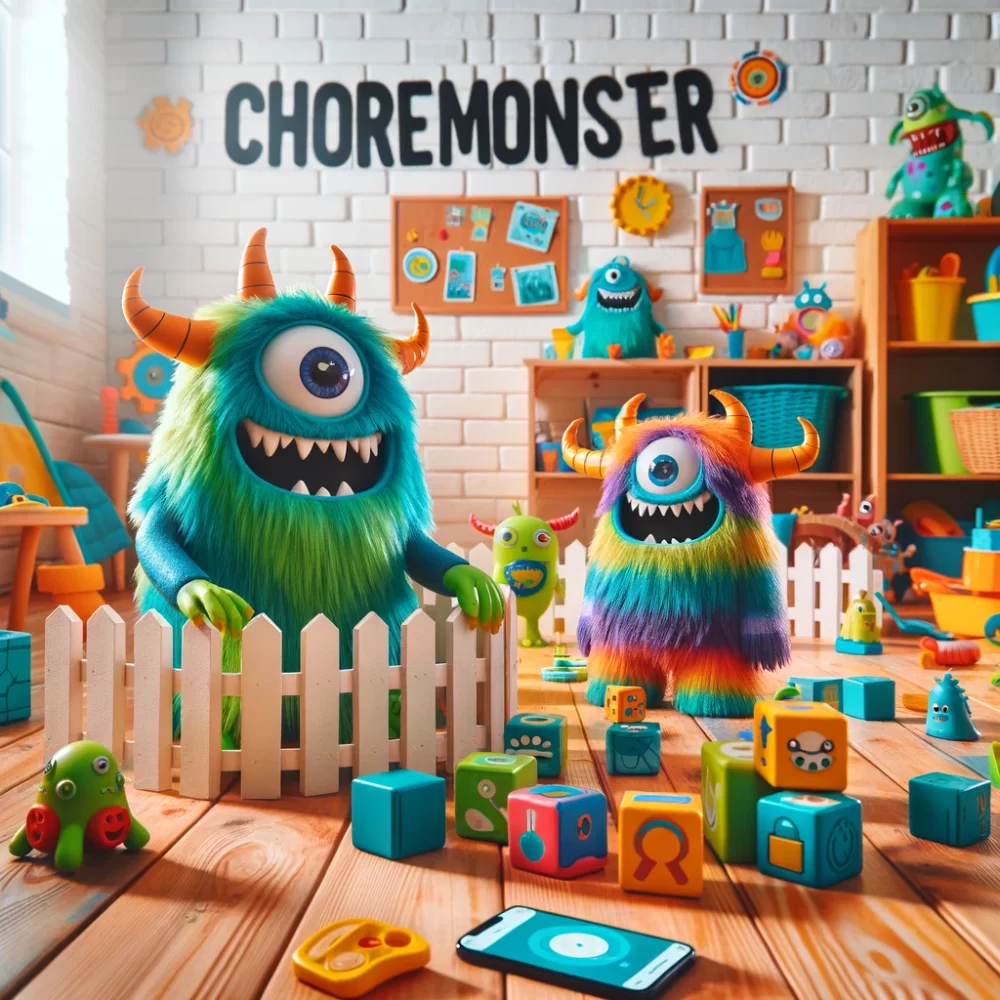
2. ChoreMonster

DALL-E

ChoreMonster makes chores fun for kids by turning tasks into games, with rewards and incentives. It helps teach children about responsibility and the value of work. Parents can customize chore lists and assign point values, while kids earn points to exchange for rewards.

The app promotes positive behavior and helps establish routine and structure in children’s daily lives. ChoreMonster is an interactive way to engage kids in household responsibilities, making it less of a chore and more of a fun activity.

3. iRewardChart

DALL-E

iRewardChart is a customizable app that helps parents track and reward their children’s behavior. Parents can set tasks and goals, and children earn stars for completing them. These stars can be exchanged for agreed-upon rewards, teaching kids about earning and saving.

iRewardChart promotes positive behavior, responsibility, and goal-setting, making it a valuable tool for behavioral management. It’s user-friendly and adaptable to each family’s needs, making it a popular choice for parents.

4. Toca Boca Apps

DALL-E

Toca Boca offers a series of apps designed to stimulate children’s imagination and creativity. These apps are open-ended play experiences where children can explore, create, and experiment in safe, whimsical environments.

From running a virtual hair salon to building a city, Toca Boca apps encourage problem-solving, storytelling, and artistic expression. They are designed to be kid-friendly and are free from ads and in-app purchases, making them a trusted choice for parents.

5. Epic!

DALL-E

Epic! is a digital library for kids aged 12 and under, offering access to thousands of books, videos, and educational content. It’s a resource-rich app that fosters a love of reading and learning, with personalized recommendations based on interests and reading level.

Epic! tracks reading progress and provides badges and rewards to encourage kids to read more. The app is used widely in schools and homes, making it a valuable tool for supporting children’s literacy and learning.

6. MyMedela

DALL-E

MyMedela is a breastfeeding support app that offers personalized content, tracking tools, and expert advice. It helps new mothers navigate the early days of breastfeeding, providing support for milk supply, pumping schedules, and baby’s growth.

MyMedela includes a problem-solver tool to quickly address common breastfeeding issues, making it a must-have for nursing mothers. The app also allows for tracking baby’s sleep, feeding, and diaper changes, helping parents stay organized and informed.

7. BabySparks

DALL-E

BabySparks is a developmental app providing daily activities to support early childhood development. It offers personalized programs for physical, cognitive, language, and social-emotional development. The app provides guidance and tips for each developmental milestone, making it easier for parents to support their child’s growth. BabySparks includes videos and tutorials for activities, making it a comprehensive tool for proactive developmental support.

8. Sleepy Sounds

DALL-E

Sleepy Sounds is an app designed to help babies and young children fall asleep. It features a variety of soothing sounds, like white noise, lullabies, and nature sounds, which can be customized to create the perfect sleep environment.

The app also includes a sleep timer and night light feature, making it a versatile tool for bedtime routines. Sleepy Sounds is beneficial for parents struggling with getting their child to sleep, offering a simple solution to improve sleep quality.

9. Quick Math Jr.

DALL-E

Quick Math Jr. is an educational app designed to make math learning fun for kids. It covers basic math skills like counting, addition, subtraction, and number recognition, using interactive games and challenges. The app adapts to the child’s skill level, providing a personalized learning experience. Quick Math Jr. helps improve math skills while keeping children engaged and entertained, making it a favorite among educators and parents.

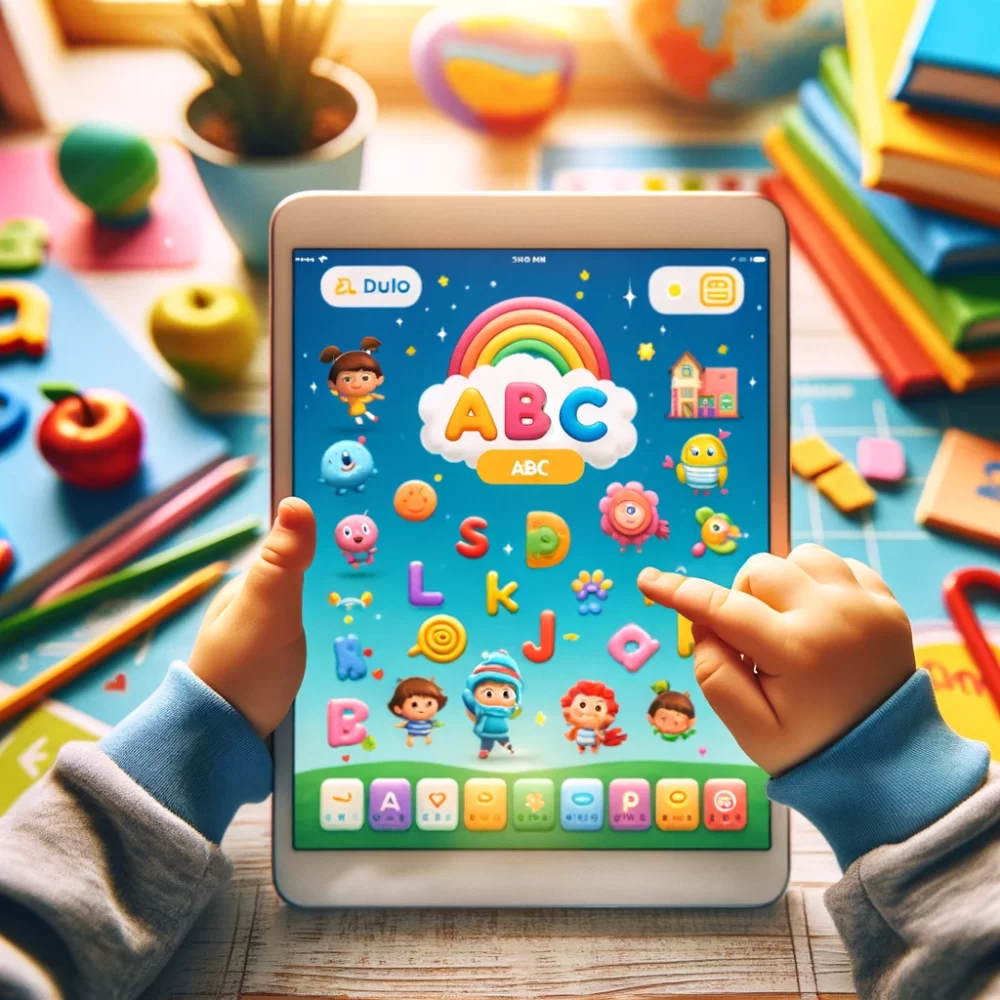
10. Duolingo ABC

DALL-E

Duolingo ABC is an educational app designed to teach children aged 3-7 how to read and write. With engaging, interactive lessons, children can learn the basics of the alphabet, phonics, and simple words in a playful environment.

The app uses a systematic approach to literacy, building skills progressively with each level. It’s free of advertisements, ensuring a safe and focused learning experience. Duolingo ABC is not just beneficial for early readers but also for older children looking to strengthen their reading and writing skills.

11. Headspace for Kids

DALL-E

Headspace for Kids offers meditation and mindfulness exercises tailored for different age groups. These sessions aim to teach children about emotional regulation, stress management, and mindful awareness through guided activities.

The app helps in creating routines for calm mornings, peaceful afternoons, and restful nights. Headspace for Kids is a great tool for introducing children to the benefits of meditation, fostering lifelong skills that promote mental well-being. It’s an extension of the popular Headspace app, ensuring a quality and research-backed approach to mindfulness.

12. Brush DJ

DALL-E

Brush DJ is an innovative app that encourages children to brush their teeth for the recommended two minutes. By playing music from the user’s device, it turns brushing into a fun activity. The app also helps in promoting dental hygiene by setting reminders for brushing twice a day, flossing, and scheduling dental visits. Brush DJ can be personalized with the user’s favorite music, making oral hygiene enjoyable and effective. It’s endorsed by dental professionals and helps in establishing healthy habits early on.

13. Hoopla Digital

DALL-E

Hoopla Digital is a multimedia borrowing service that provides free access to digital books, music, movies, and more through local libraries. With a library card, families can enjoy a vast selection of educational and entertaining content.

Hoopla Digital’s user-friendly platform allows for instant streaming or downloading for offline viewing, accommodating different needs and schedules. It’s an excellent resource for promoting literacy and learning, offering diverse content for all ages.

14. Greenlight

DALL-E

Greenlight is a financial app designed for families, providing a debit card for kids with parental controls. It teaches money management skills by allowing parents to allocate funds for spending, saving, and giving. The app offers real-time notifications of purchases and provides educational content to enhance financial literacy. Greenlight empowers children to make informed financial decisions under parental guidance, preparing them for future financial independence.

15. Artsonia

DALL-E

Artsonia is the world’s largest student art museum, allowing children to upload and showcase their artwork online. It provides a platform for students to express their creativity and receive feedback. Parents and relatives can view the art, leave comments, and purchase custom keepsakes featuring the artwork. Artsonia supports art education and provides a unique space for children to develop their artistic talents and confidence.

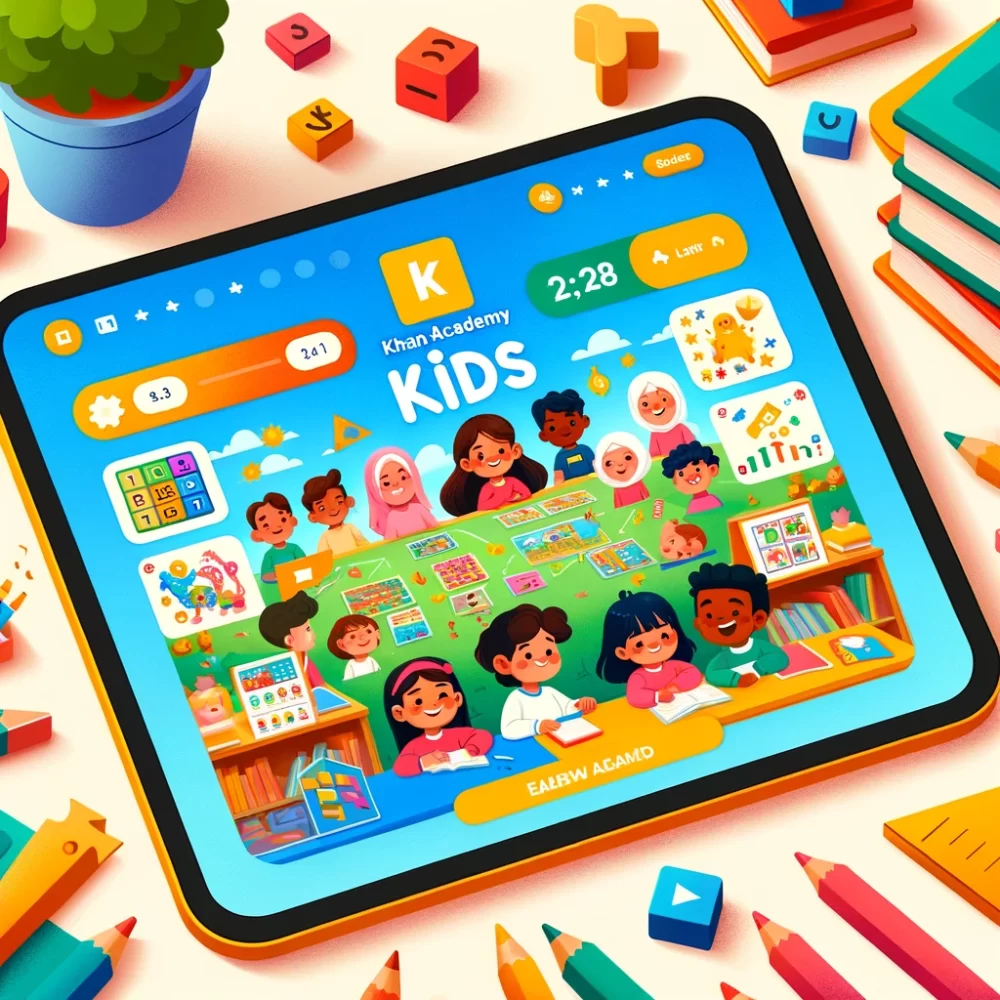
16. Khan Academy Kids

DALL-E

Khan Academy Kids is a free educational app offering thousands of interactive activities, books, videos, and lessons for children ages 2-8. It covers subjects such as math, reading, writing, and emotional development. The app features a cast of colorful characters that guide children through learning experiences, making education engaging and fun. Khan Academy Kids is ad-free and aligned with national education standards, ensuring high-quality content.

17. Lightbot: Code Hour

DALL-E

Lightbot: Code Hour introduces children to the basics of coding and computer science through puzzle-solving gameplay. Designed for ages 9 and up, it teaches logical thinking and problem-solving skills without the need for reading. As players navigate Lightbot through various levels, they learn concepts like sequencing, procedures, and loops. This app is a great entry point into the world of coding, presenting complex concepts in an accessible and entertaining way.

Empowering Modern Parenting

DALL-E

These 17 innovative apps offer modern parents a variety of tools to aid in the multifaceted task of raising children. From educational support and developmental tracking to fun and safety, technology provides practical solutions that can make parenting more manageable and enjoyable. By integrating these apps into daily routines, parents can enhance their children’s growth, learning, and well-being, paving the way for a happy, healthy, and connected family life.

Latrice Perez

Latrice is a dedicated professional with a rich background in social work, complemented by an Associate Degree in the field. Her journey has been uniquely shaped by the rewarding experience of being a stay-at-home mom to her two children, aged 13 and 5. This role has not only been a testament to her commitment to family but has also provided her with invaluable life lessons and insights.  As a mother, Latrice has embraced the opportunity to educate her children on essential life skills, with a special focus on financial literacy.

Filed Under: Parenting Tagged With: BabySparks, ChoreMonster, Empowering Modern Parenting, FamilyTime, Innovative Apps

Are the Brands You’re Buying for Your Child Worth the Money?

March 7, 2024 | Leave a Comment

As a parent, it’s only natural to strive to give the very best to your child so that they thrive and enjoy their formative years. That said, it can be too easy to get carried away and start to buy brands for your kids that aren’t worth the money at all. This will lead to waste, and there’s no good reason to contribute to the ever-expanding landfill and miss the opportunity to teach your children the best way to live by buying them things that aren’t worth it. Here are a few things that you can do to make sure that the brands you buy for your child end up being worth the money every single time.

Think About Brand Reputation

The first thing that you need to do is to think about brand reputation before you put any money down on a purchase. This may call for you to reign in the purchases and put some space between each one that you make. This way, you can think about what you buy and avoid ending up with junk, a serious potential issue given that 58.4% of internet users buy something online on a weekly basis. It’s no secret that certain brands are a lot better than others in terms of toys, clothing, and all other child-related supplies. By buying items from a brand that’s trusted and held in high regard, complete with certification and quality standard attainment, you can be sure that you’re making a worthwhile purchase.

Prioritize Safety and Durability

A rise in consumerism has seen people become more lenient with their money in terms of what they buy. There’s not a lot of attention paid to the durability of an item, and sometimes even safety goes out of the window. This shouldn’t be the case, since you want to make sure that every dollar counts and your child isn’t exposed to any danger.

Shop for brands that have many positive reviews, as well as those that have been around for long enough to have proved their worth. You can also look at the trends followed by shoppers for the items that you want to buy and rely on those that consistently make the highest sales. This may call for you to learn details such as that the United States, according to ZipDo, is the largest direct sales market in the world and accounts for 19% of sales made globally.

Be Choosy with Gizmos and Gadgets

Finally, keep in mind that you don’t have to buy every single gadget and gizmo that you hear about. There’s bound to be a new thing or other as technology evolves, and it’s absolutely fine for your baby to skip some of it. They do grow fast, too, so you may soon end up with a pile of unused toys that you paid a premium price for. Worse is if these items have a poor resale value, since you may spend more resources trying to get a buyer for them when you no longer need them. The more gadgets you buy, the higher the chances of exposing your baby to risk as well, because some of them may not meet safety standards or be the best quality.

These are a few of the considerations that you need to make in terms of whether the brands that you’re buying your kids are actually worth the money, or if you’re better off leaving them alone. Take time to think about what you expose your child to, where you put your money, and what values you teach your children in the form of purchases that you make. This way, you can increase your odds of raising happy, well-balanced children while making significant savings.

Filed Under: Money and Finances, Shopping

12 Things Schools Will Never Be Able to Teach Your Kids About Life

March 7, 2024 | Leave a Comment

123rf

Education is a cornerstone of personal development and societal progress. Schools play a pivotal role in imparting knowledge and skills necessary for academic and professional success.

However, there are vital life lessons and insights that educational institutions are inherently limited in teaching. These lessons, often learned through experience and personal reflection, are crucial for navigating life’s complexities. Here, we explore 12 things schools will never be able to fully teach your kids about life.

1. The Value of Failure

123rf

Schools often emphasize success and high achievement, but life’s most enduring lessons come from failure. It teaches resilience, perseverance, and the importance of bouncing back stronger. Failure fosters creativity and innovation by encouraging us to explore alternative paths and solutions.

It also humbles us, teaching the importance of humility and empathy towards others’ struggles. Understanding and embracing failure as a stepping stone to success is a lesson best learned through personal experience.

2. Emotional Intelligence

123rf

While schools can teach the basics of emotional awareness, the deeper aspects of emotional intelligence are learned through lived experiences. Recognizing and managing one’s own emotions, and understanding and influencing the emotions of others, are complex skills developed over time.

Emotional intelligence is crucial for building strong relationships, navigating social dynamics, and achieving personal and professional success. It involves empathy, self-regulation, and the ability to handle interpersonal relationships judiciously and empathetically. Schools can provide a foundation, but the nuances of emotional intelligence are honed in the real world.

3. The Importance of Self-Care

123rf

Schools focus on academic and extracurricular achievements but often overlook the importance of teaching self-care. Learning to prioritize one’s mental, physical, and emotional well-being is crucial for long-term happiness and success.

Self-care practices help manage stress, prevent burnout, and maintain overall health. They encompass a wide range of activities, from exercise and nutrition to mindfulness and self-compassion. Developing a personal self-care routine is a deeply individual process that extends beyond the classroom.

4. Personal Finance Management

123rf

Although some schools offer basic economics or personal finance courses, the intricacies of managing finances are rarely covered comprehensively. Understanding budgeting, saving, investing, and navigating financial challenges are critical life skills.

Financial literacy involves making informed and effective decisions with all financial resources. The ability to plan for the future, understand the value of investments, and handle debt responsibly are essential skills for independence. Real-world experience, mentorship, and self-education fill the gaps left by formal education.

5. The Art of Relationship Building

123rf

Schools teach students to collaborate and work in teams, but the art of building and maintaining personal and professional relationships goes beyond this. It involves active listening, empathy, mutual respect, and the ability to communicate effectively. Strong relationships are built on trust and understanding, which require time and effort to develop. Networking, nurturing friendships, and building professional connections are ongoing processes that are essential for personal growth and career advancement. These skills are cultivated through real-life interactions and experiences.

6. The Reality of Work-Life Balance

123rf

The concept of work-life balance is crucial for a fulfilling life but is not a focus of traditional schooling. Learning how to balance professional ambitions with personal life, family, and hobbies is essential for well-being. It involves setting boundaries, prioritizing tasks, and understanding one’s limits. Work-life balance is a dynamic equilibrium that changes with life’s phases and is learned through trial and error. Mastering this balance is key to long-term happiness and health.

7. The Significance of Self-Discovery

123rf

Schools play a role in shaping identity, but the journey of self-discovery extends far beyond the classroom. Understanding one’s passions, strengths, weaknesses, and values is a lifelong process. It involves exploring different interests, facing challenges, and reflecting on personal experiences. Self-discovery is about finding purpose and meaning in life, which often requires stepping out of one’s comfort zone. This introspective journey is personal and unique to each individual.

8. Navigating Life’s Uncertainties

123rf

Life is full of uncertainties and changes that schools can hardly prepare students for. Learning to adapt to unforeseen challenges, make difficult decisions, and cope with loss and disappointment is crucial. These experiences teach resilience, flexibility, and the value of having a support system. Navigating life’s uncertainties involves embracing change and finding growth opportunities in adversity. These lessons are learned through facing life’s unpredictability’s head-on.

9. The Power of Curiosity and Lifelong Learning

123rf

While schools ignite the spark of curiosity, fostering a lifelong love for learning is a personal journey. Curiosity drives innovation, creativity, and personal growth. It involves asking questions, seeking new experiences, and being open to new ideas. Lifelong learning extends beyond formal education to include skills, hobbies, and knowledge acquired outside of traditional academic settings. Cultivating a mindset of continuous learning and curiosity is essential for adapting to the ever-changing world.

10. Understanding and Practicing Mindfulness

123rf

Mindfulness and the ability to be present in the moment are seldom taught in schools, yet they are crucial for mental and emotional well-being. Mindfulness practices help reduce stress, improve concentration, and enhance overall happiness. It involves being aware of our thoughts, emotions, and surroundings without judgment. Practicing mindfulness leads to greater self-awareness and a deeper appreciation for life. This skill is developed through personal practice and reflection.

11. The Importance of Independence and Self-Sufficiency

123rf

Schools teach collaboration and dependency on systems, but true independence and self-sufficiency are learned through personal experience. Being able to rely on oneself for decision-making, problem-solving, and taking care of one’s needs is crucial for adult life. Independence involves taking responsibility for one’s actions and their consequences. It also includes the ability to live alone, manage daily tasks, and navigate the world without constant guidance. Developing independence is a key milestone in the transition from youth to adulthood.

12. The Art of Giving Back and Community Service

123rf

While community service may be encouraged in schools, the deeper value of giving back and contributing to society is often realized through personal experience. Understanding the impact of altruism, empathy, and civic responsibility on both the individual and community level is vital. Giving back is about more than just fulfilling a requirement; it’s about making a meaningful difference in the lives of others. It fosters a sense of connection, gratitude, and purpose. Engaging in community service out of genuine concern and willingness is a profound life lesson.

Beyond the Classroom

123rf

The true essence of life’s most important lessons lies beyond the reach of traditional schooling. While education provides a crucial foundation, the complexities, challenges, and beauty of life are often best understood through personal experience and introspection. Encouraging kids to explore, question, and engage with the world around them prepares them for the richness of life in ways that the classroom cannot. As parents and educators, our role is to guide, support, and inspire our children to embrace these lessons, ensuring they grow into well-rounded, resilient, and mindful individuals.

Latrice Perez

Latrice is a dedicated professional with a rich background in social work, complemented by an Associate Degree in the field. Her journey has been uniquely shaped by the rewarding experience of being a stay-at-home mom to her two children, aged 13 and 5. This role has not only been a testament to her commitment to family but has also provided her with invaluable life lessons and insights.  As a mother, Latrice has embraced the opportunity to educate her children on essential life skills, with a special focus on financial literacy.

Filed Under: Parenting Tagged With: Personal Finance Management, Teach Your Kids About Life, The Art of Relationship Building, The Reality of Work-Life Balance

Retirement Reimagined: 15 Controversial Trends Among Baby Boomers

March 6, 2024 | Leave a Comment

Retirement, a phase of life traditionally associated with leisure and relaxation, is undergoing a dramatic transformation, particularly among the Baby Boomer generation. This cohort, born between 1946 and 1964, is challenging the conventional notions of retirement in ways that are both innovative and, at times, controversial. Here are 15 trends that illustrate how Baby Boomers are redefining retirement.

1. Delayed Retirement

Many Baby Boomers are choosing to work beyond the traditional retirement age. This decision is driven by a mix of necessity and a desire to stay active, challenging the notion that retirement should be a time of leisure. Financial insecurities, especially after the 2020 financial crisis, have made it difficult for some to retire as planned. There’s also a growing trend of seeking fulfillment and identity through work, leading to careers extending well into what used to be considered the retirement years. However, this delay in retirement can strain younger generations’ career advancement opportunities, sparking debates about intergenerational fairness.

2. Phased Retirement

Phased retirement programs are becoming more popular, allowing Baby Boomers to gradually reduce their working hours while maintaining a partial income. These programs offer a smoother transition to full retirement, providing a balance between work and leisure. They benefit employers by retaining experienced workers’ knowledge and skills for longer. However, not all industries offer such flexibility, limiting this option’s availability. Critics argue that phased retirement may hinder promotional opportunities for younger employees and prolong older workers’ dominance in the workforce.

3. Rise of the Gig Economy

The gig economy has become an attractive option for many Baby Boomers seeking flexible work arrangements in retirement. Platforms like Uber, Airbnb, and freelance marketplaces enable Boomers to use their skills and assets to generate income. This trend reflects a shift towards more autonomous, but less secure, forms of work. While it offers freedom and flexibility, it also exposes retirees to financial instability due to the lack of traditional employment benefits. The gig economy’s growth among retirees highlights changing attitudes towards work and retirement security.

4. Relocation in Retirement

Traditionally, retirees have sought warmer climates or downsized to more manageable living spaces. Today’s Baby Boomers, however, are increasingly moving to urban areas or overseas to enjoy cultural amenities, better healthcare, and lower living costs. Some are even moving closer to work opportunities or family members, reversing the trend of retiring to distant communities. This mobility reflects a desire for an active, engaged lifestyle, but it also raises concerns about community detachment and the environmental impact of frequent travel.

5. Investment in Health and Wellness

Baby Boomers are investing in their health and wellness more than any previous generation, with a focus on active living, preventive healthcare, and anti-aging products. This investment reflects a desire to maintain a high quality of life well into retirement.

Fitness clubs, travel, and hobbies are becoming significant expenditures, shifting the retirement economy towards wellness and leisure industries. However, this focus on health also highlights disparities in access to healthcare and wellness resources, underscoring the inequality among retirees.

6. Social Media and Technology Adoption

Unlike previous generations, Baby Boomers are embracing social media and technology, using these tools to stay connected with family, manage their finances, and pursue interests. This adoption challenges stereotypes about older adults’ tech-savviness and opens up new avenues for communication and learning. However, it also exposes them to risks such as online scams and misinformation, raising concerns about digital literacy. The digital divide between tech-savvy retirees and those without access or skills remains a significant issue.

7. Voluntourism and Social Impact

Many retirees are engaging in “voluntourism,” combining travel with volunteer work to make a social impact. This trend reflects a desire to contribute to society and find purpose in retirement. While such initiatives can provide meaningful experiences and aid to communities, they also face criticism for potentially fostering dependency or not addressing the root causes of problems. The ethics and effectiveness of voluntourism are subjects of ongoing debate.

8. Continuing Education

Lifelong learning is becoming a hallmark of modern retirement, with many Baby Boomers taking courses at local colleges, online, or through community programs. This pursuit of knowledge and skills can enrich retirement life, offer new career paths, and maintain cognitive health. However, the cost of education can be a barrier for some, and the value of additional qualifications in the job market is often questioned.

9. Increased Divorce Rates

The phenomenon known as “gray divorce” is on the rise, with more Baby Boomers ending marriages in retirement. This trend is reshaping family dynamics and financial planning for many retirees, leading to challenges in wealth division and emotional wellbeing. While it offers a chance for personal growth and new beginnings, it also introduces complexities in estate planning and healthcare decisions.

10. Alternative Living Arrangements

Retirees are exploring alternative living arrangements, such as co-housing, communal living, and intergenerational homes, driven by desires for community, support, and affordability. These arrangements challenge traditional views of retirement living but can offer richer social connections and shared responsibilities. However, they also raise legal and financial questions about property ownership, privacy, and compatibility among residents.

11. Emphasis on Legacy Projects

Many Baby Boomers are focusing on legacy projects, such as writing memoirs, creating art, or establishing charities, to leave a mark on the world. This trend underscores a shift from accumulating wealth to creating meaningful impacts. While these projects can provide a sense of purpose and accomplishment, they also reflect the existential concerns of aging and the desire to be remembered.

12. Political Activism

Retirees are becoming more politically active, participating in campaigns, advocacy groups, and community organizing. Their activism is driven by concerns about the environment, healthcare, and social justice, reflecting a commitment to shaping a better future. However, this involvement can sometimes lead to generational conflicts, as priorities and methods differ between age groups.

13. Sustainable and Eco-Friendly Living

Environmental consciousness is influencing Baby Boomers’ retirement choices, with a growing interest in sustainable living, green travel, and eco-friendly housing. This trend demonstrates a responsibility towards future generations and the planet. Nevertheless, it also highlights the challenges of balancing environmental goals with economic and lifestyle aspirations.

14. The Rise of Solo Agers

A significant number of Baby Boomers are facing retirement alone, either by choice or circumstance. This “solo aging” trend is reshaping needs for housing, healthcare, and social support, emphasizing the importance of community networks and planning. While it offers independence, it also presents unique challenges in ensuring care and companionship in later life.

15. Reimagining Retirement Communities

Retirement communities are evolving to meet the demands of Baby Boomers, offering more than just living spaces. These communities are now hubs for learning, wellness, and cultural activities, reflecting a demand for an engaged and active lifestyle. However, the cost and exclusivity of such communities raise questions about accessibility and inclusivity.

A New Vision for Retirement

Retirement for Baby Boomers is not a quiet retreat but a vibrant, dynamic phase of life full of possibilities and challenges. These trends reveal a generation determined to redefine what it means to grow older, seeking fulfillment, purpose, and connectivity. As society adapts to these changes, the controversy surrounding them sparks important conversations about work, community, and aging. Ultimately, Baby Boomers are showing that retirement is not an end but a beginning, a chance to explore, contribute, and transform both their lives and the communities they inhabit.

Latrice Perez

Latrice is a dedicated professional with a rich background in social work, complemented by an Associate Degree in the field. Her journey has been uniquely shaped by the rewarding experience of being a stay-at-home mom to her two children, aged 13 and 5. This role has not only been a testament to her commitment to family but has also provided her with invaluable life lessons and insights.  As a mother, Latrice has embraced the opportunity to educate her children on essential life skills, with a special focus on financial literacy.

Filed Under: Family Time Tagged With: Controversial Trends among baby boomers, Delayed Retirement

15 Baby Names Handed Down From The Rich to The Poor

March 5, 2024 | Leave a Comment

Throughout history, the naming conventions of the rich and noble have significantly influenced the names chosen by those from less affluent backgrounds. This phenomenon, where names trickle down from the upper echelons of society to become popular among the general population, highlights the impact of cultural and social dynamics on naming practices. In this article, we explore 15 baby names that have made this journey from the drawing rooms of the wealthy to the homes of the everyday person.

1. Charlotte

Originating from French royalty, Charlotte is a name that has found its way into the hearts of many across different social strata. It gained popularity in England and other parts of the world following its association with Queen Charlotte, the wife of King George III. The name conveys a sense of elegance and sophistication, attributes that made it desirable among the upper classes. Over time, Charlotte became a favorite among the wider population, cherished for its timeless beauty and royal connotations. Today, it remains a popular choice for parents seeking a name with a rich historical background and a noble flair.

2. Edward

Edward, a name borne by several kings of England, epitomizes the transfer of regal tradition to the masses. Its Old English origins, meaning “wealth, fortune; guard,” resonate with the noble qualities of leadership and protection. The name’s popularity persisted through the ages, bolstered by its royal connections, including Edward VIII, who abdicated the throne for love. Its classic and strong sound appeals to many parents outside the aristocracy, making Edward a common choice for their sons. This enduring appeal ensures Edward remains a timeless selection, bridging the gap between historical grandeur and contemporary appeal.

3. Eleanor

Eleanor, a name of French and English royalty, signifies the spread of aristocratic elegance to wider society. It was popularized by Eleanor of Aquitaine, one of the most powerful and influential figures of the Middle Ages. The name’s appeal lies in its association with strength, intelligence, and beauty, qualities admired by both the nobility and the public. Over the centuries, Eleanor has been embraced by parents from various socioeconomic backgrounds, drawn to its noble origins and the remarkable women who bore it. Today, Eleanor continues to be celebrated for its classic beauty and rich heritage, making it a sophisticated choice for a daughter.

4. Alexander

Alexander, a name of Greek origin meaning “defender of the people,” has been borne by kings and emperors throughout history, most notably Alexander the Great. Its noble connotations and timeless appeal made it a favored name among the elite. As stories of Alexander the Great’s conquests and achievements spread, so did the popularity of the name beyond the corridors of power. It has since become a popular choice for boys among families of all backgrounds, admired for its strong and heroic resonance. Alexander represents the blending of historical magnificence with universal appeal, making it a perennial favorite.

5. Victoria

Victoria, a name derived from the Latin for “victory,” is indelibly associated with the British Queen Victoria and the era of prosperity and innovation her reign represents. The name’s regal bearing and association with triumph made it popular among the aristocracy and newly affluent families of the 19th century. As the queen’s influence extended beyond Britain, so did the appeal of her name, becoming a symbol of elegance and strength across the globe. Today, Victoria is chosen by parents from diverse backgrounds, who appreciate its noble roots and the timeless quality it bestows upon their daughters. It epitomizes the transition of a name from royal palaces to the homes of people worldwide, maintaining its dignity and allure.

6. William

William, with its origins in Germanic words meaning “will helmet” or “protection,” has been a staple among European royalty, including the English monarchy. The name’s popularity soared with figures like William the Conqueror, setting a precedent for leadership and strength. Its noble aura, combined with a versatile and enduring charm, has made William a preferred name among all social classes. Over the centuries, it has remained a constant, signifying the blend of tradition and accessibility that characterizes names of regal origin. William’s widespread popularity ensures it continues to be a top choice for boys, embodying a rich history while being perfectly suited for the modern world.

7. Elizabeth

Elizabeth, derived from the Hebrew for “God is my oath,” boasts a royal pedigree stretching back to the biblical Elizabeth and encompassing queens of England. Its association with Elizabeth I, the “Virgin Queen,” and the current Queen Elizabeth II, has cemented its status as a name of dignity and grace. The timeless appeal of Elizabeth has transcended social divides, becoming a favorite for its elegance and the strength of character it suggests. Its versatility, with numerous nicknames and variations, has made it accessible and beloved by many. Elizabeth exemplifies how a name can embody royal majesty while appealing to a broad audience, making it a perennial favorite.

8. Henry

Henry, a name of German origin meaning “home ruler,” has been borne by numerous kings throughout history, including eight English monarchs. Its royal connotations, coupled with a sense of strength and reliability, have made it a favored choice among the nobility. Over time, Henry’s appeal broadened, attracting parents from various backgrounds seeking a name with historical depth and a noble air. Its enduring popularity is a testament to the name’s ability to blend tradition with a timeless, approachable charm. Henry continues to be a popular choice, representing the seamless transition of a regal name to widespread acceptance.

9. Catherine

Catherine, with roots in the Greek word for “pure,” has been a name of empresses and queens across Europe, symbolizing elegance and nobility. Its association with figures like Catherine the Great of Russia highlighted its connection to power and intellect. The name’s versatility and international appeal have made it a popular choice beyond the aristocracy, embraced for its timeless beauty and strong historical lineage. Catherine remains a favored name for its ability to convey a sense of sophistication and classic grace, appealing to a wide range of parents today. It showcases the enduring influence of royal names on broader naming trends.

10. Arthur

Arthur, a name steeped in legend and royalty, particularly through its association with King Arthur and the Knights of the Round Table, carries connotations of chivalry and nobility. Its mythical and historical resonance made it a prestigious choice among the elite, symbolizing leadership and valor. Over time, Arthur’s appeal extended beyond the aristocratic circles, capturing the imaginations of parents looking for a name with depth and character. Today, Arthur enjoys renewed popularity, embraced for its vintage charm and the timeless qualities it represents. It exemplifies how legendary names can traverse social boundaries, becoming cherished by many.

11. Margaret

Margaret, derived from the Greek for “pearl,” is a name that has been borne by saints, queens, and noblewomen, symbolizing purity and beauty. Its royal associations, particularly in Scotland and England, have made it a name of distinction and grace. Over centuries, Margaret’s appeal has broadened, becoming a popular choice for its classic elegance and strength. It has a rich history of use among various social classes, reflecting its ability to transcend its noble origins. Margaret remains a testament to the enduring appeal of names that combine historical depth with a sense of timeless beauty.

12. George

George, from the Greek word for “farmer,” became royal with Saint George, the patron saint of England, and has been a popular name among British royalty. Its association with qualities of bravery and loyalty made it a revered choice among the aristocracy. As the name of kings and princes, George’s noble allure spread, becoming a favored name among the wider populace for its strong and classic connotation. Today, George continues to be a popular choice, embodying the blend of tradition and universality that marks the journey of royal names into the public domain. It signifies the widespread appeal of names that carry a rich historical and cultural significance.

13. Sophia

Sophia, meaning “wisdom” in Greek, has been a name of choice for European royalty, reflecting qualities of intelligence and grace. Its regal connections, combined with its beautiful sound and meaning, have made it a favorite among those seeking a name with depth and elegance. Over time, Sophia’s popularity has extended beyond the elite, appealing to a broad audience for its universal charm and sophistication. It remains a sought-after name, embodying the seamless transition of elegance from the palaces to the people, cherished for its blend of beauty and wisdom.

14. Louis

Louis, a name with French and German roots meaning “famous warrior,” has been borne by eighteen kings of France and other monarchs, embodying the essence of leadership and strength. Its royal prestige and timeless appeal made it a popular choice among the nobility and, eventually, among people from all walks of life. The name’s rich historical connotations and classic elegance have made it a favorite, symbolizing a bridge between noble tradition and contemporary popularity. Louis continues to be a top choice for parents valuing a name with a strong historical legacy and a noble bearing.

15. Alice

Alice, derived from the Old French for “noble,” has been a favorite in royal circles, notably among the British royal family. Its association with nobility and grace made it a prestigious choice, while its simplicity and charm have broadened its appeal. Over the years, Alice has become a beloved name across different social classes, appreciated for its timeless elegance and gentle strength. It symbolizes the ability of a name to traverse social divides, embodying a blend of nobility and accessibility that appeals to many. Alice stands as a testament to the enduring appeal of names that carry a sense of history and dignity, making it a cherished choice for daughters around the world.

The Journey

The journey of these 15 names from the corridors of power to the broader society illustrates the profound influence of the rich and noble on naming conventions. It showcases how names that once symbolized wealth, power, and exclusivity have become symbols of beauty, strength, and history accessible to all, reflecting the dynamic nature of cultural exchange and social evolution.

Latrice Perez

Latrice is a dedicated professional with a rich background in social work, complemented by an Associate Degree in the field. Her journey has been uniquely shaped by the rewarding experience of being a stay-at-home mom to her two children, aged 13 and 5. This role has not only been a testament to her commitment to family but has also provided her with invaluable life lessons and insights.  As a mother, Latrice has embraced the opportunity to educate her children on essential life skills, with a special focus on financial literacy.

Filed Under: Parenting Tagged With: Alexander, Baby Names Handed Down From The Rich to The Poor, Charlotte, Henry, Olivia

The Top 15 Parenting Myths Debunked by Child Psychologists

March 4, 2024 | Leave a Comment

Parenting is an ever-evolving journey filled with joys, challenges, and a fair share of myths. With a plethora of advice available, it can be tough to discern fact from fiction. Child psychologists have stepped in to debunk some of the most common parenting myths, helping parents navigate this crucial role with better insight and understanding.

1. Myth: Strict Parenting Leads to Better Behavior

Strict parenting, often characterized by rigid rules and high expectations, is believed to produce well-behaved children. However, child psychologists argue that this can lead to fear-based compliance rather than genuine understanding. Strictness without warmth can hinder emotional development and damage the parent-child relationship. An authoritative approach, blending structure with empathy, is more effective. Psychologists advocate for a balance where rules are enforced, but emotional understanding and support are equally prioritized.

2. Myth: Constant Praise Boosts Self-Esteem

While praising children is important, overpraising can be detrimental. Child psychologists warn that constant praise, especially for mundane tasks, can lead to an inflated ego or a reliance on external validation. It’s important to praise effort and progress rather than just results. Encouraging self-motivation and resilience in the face of failure is crucial. Effective praise is specific, sincere, and focuses on effort rather than innate ability.

3. Myth: Letting Babies Cry It Out Is Harmful

The ‘cry it out‘ method of sleep training has been a topic of debate. Some believe it can cause long-term psychological issues and harm the bond between parent and child. However, studies show that when done correctly, it’s a safe and effective method for teaching self-soothing. It’s important to ensure the baby is fed, healthy, and in a safe environment before implementing this method. Child psychologists Ayten Bilgin Ph.D. emphasize that parents should follow their instincts and comfort their children if they feel it’s necessary.

4. Myth: Screen Time Is Always Bad for Kids

In today’s digital age, the screen time debate is more relevant than ever. While excessive screen time can be harmful, it’s not inherently bad. Quality and context matter; educational and interactive content can be beneficial. It’s about finding a healthy balance and setting appropriate boundaries. Psychologists suggest co-viewing and discussing content to enhance the learning experience.

5. Myth: Good Parents Always Put Their Children’s Needs First

While prioritizing children’s needs is important, neglecting personal well-being can lead to burnout and resentment. Child psychologists Matthew H. Rouse, PhD stress the importance of self-care for parents. A well-balanced parent is more capable of providing the support and love their children need. It’s crucial to find a balance between parenting responsibilities and personal needs. Modeling self-care teaches children the importance of personal well-being.

6. Myth: Children Are Naturally Resilient

The belief that children are naturally resilient can lead to overlooking their emotional needs. Children learn resilience through experience and guidance. They need support and tools to navigate challenges and develop coping skills. It’s important to acknowledge their feelings and provide a safe space for expression. As a parent it is great encourage open communication and problem-solving skills helps build resilience.

7. Myth: Parenting Instincts Are Always Right

While parental instincts play a crucial role, they are not infallible. Parents are also influenced by their own experiences and biases. It’s beneficial to seek information, advice, and sometimes professional guidance. Open-mindedness and willingness to learn can enhance parenting skills. Encourage a combination of instinct and informed parenting practices.

8. Myth: Discipline and Punishment Are the Same

Discipline is often confused with punishment, but they are not synonymous. Discipline is about teaching and guiding, not just penalizing bad behavior. Effective discipline involves setting clear expectations and consequences and understanding the child’s perspective. Punishment alone can lead to fear and resentment, whereas discipline fosters learning and growth. Psychologists advocate for positive discipline strategies that respect the child’s dignity.

9. Myth: Parent-Child Bonding Only Happens in Early Years

The early years are crucial for bonding, but it’s an ongoing process. Bonding can and should continue throughout childhood and adolescence. It evolves as the child grows, requiring different approaches and understanding. Ongoing bonding activities and open communication are key. Child psychologists emphasize that it’s never too late to strengthen the parent-child relationship.

10. Myth: Successful Parenting Means Having a Perfect Child

The pressure to raise a ‘perfect’ child can be overwhelming. Child psychologists argue that this is not only unrealistic but also unhealthy. Emphasizing perfection can lead to anxiety and a fear of failure in children. Success in parenting is about raising a happy, healthy, and well-adjusted individual. Celebrating uniqueness and supporting individual strengths is more important than striving for perfection.

11. Myth: Parents Should Be in Control at All Times

The idea that parents must always be in control can lead to authoritarian parenting styles. Effective parenting involves flexibility, understanding, and sometimes letting children take the lead. It’s about guiding rather than controlling. Teaching children decision-making skills and independence is crucial for their development. A collaborative approach fosters respect and mutual understanding.

12. Myth: Children Don’t Remember Early Trauma

There’s a common belief that children are too young to remember early traumas. However, early experiences, even if not consciously remembered, can impact emotional development and behavior. Early interventions and support are crucial in addressing the effects of trauma. Creating a safe and nurturing environment helps mitigate these impacts. Understanding the long-term effects of early experiences is important in fostering healthy development.

13. Myth: Parenting Doesn’t Require Personal Growth

Many assume that parenting is solely about the child’s growth. However, parenting is a journey of personal growth as well. Reflecting on one’s own upbringing and biases is crucial in effective parenting. Openness to learning and adapting is key to meeting the evolving needs of children. Parenting offers opportunities for personal development and deepening emotional intelligence.

14. Myth: Strict Gender Roles Benefit Children

Adhering to strict gender roles can limit a child’s exploration and self-expression. Child psychologists advocate for a more fluid approach, allowing children to explore interests and roles freely. Breaking down gender stereotypes encourages a more inclusive and diverse understanding. It’s important to support children in discovering their own identity. Encouraging exploration and expression across the gender spectrum fosters a more open-minded and accepting worldview.

15. Myth: Children Should Be Seen and Not Heard

The old adage that children should be seen and not heard undermines their value as individuals. Children’s thoughts and feelings are important and deserve attention. Encouraging expression and active listening validates their experiences. This approach fosters self-esteem and communication skills. Children who feel heard and understood are more likely to develop into confident and expressive adults.

Embracing Enlightened Parenting

Debunking these myths is not just about correcting misconceptions; it’s about embracing a more enlightened and effective approach to parenting. By understanding the complexities of child development and the dynamics of the parent-child relationship, we can create a nurturing environment that supports our children’s growth into well-rounded, resilient, and confident individuals. Let’s move forward with parenting strategies that are informed, empathetic, and adaptable, shaping a brighter future for our children.

Latrice Perez

Latrice is a dedicated professional with a rich background in social work, complemented by an Associate Degree in the field. Her journey has been uniquely shaped by the rewarding experience of being a stay-at-home mom to her two children, aged 13 and 5. This role has not only been a testament to her commitment to family but has also provided her with invaluable life lessons and insights.  As a mother, Latrice has embraced the opportunity to educate her children on essential life skills, with a special focus on financial literacy.

Filed Under: Parenting Tagged With: Constant Praise Boosts Self-Esteem, Letting Babies Cry It Out Is Harmful, Parenting Myths Debunked, Screen Time Is Always Bad for Kids, Strict Parenting Leads to Better Behavior

« Previous Page
Next Page »
  • Facebook
  • Pinterest
  • RSS
  • Twitter
Best Parenting Blogs

Most Popular

Baby Girl

12 “Grandma” Baby Names That Are Suddenly Cool Again

Evan Morgan
Baby

9 Baby Names That Sound Rare Without Being Hard to Spell

Evan Morgan
Target Store

Choking Incident Prompts Recall of 49,000 Target Gigglescape “Under the Sea” Popping Toys

Evan Morgan
Frustrated Girl

Why Some Students on the Spectrum Are Labeled With ODD

Evan Morgan
Coke Bottles

12 Things Kids Took to School in the ’70s That Would Never Be Allowed Today

Evan Morgan

All content on Kids Ain’t Cheap is for entertainment purposes only. By reading this blog, you agree that Kids Ain’t Cheap is not responsible for any actions taken after reading this blog. For the full disclaimer, see our privacy policy.

Please note that Kids Ain’t Cheap has financial relationships with some of the merchants mentioned here. Kids Ain’t Cheap is funded by banner advertising, commission sales and search optimization consulting.

Copyright © 2006–2026 | District Media | All Rights Reserved | Privacy Policy

Copyright © 2026 Runway Pro Theme by Viva la Violette