• Home
  • About Us
  • Toolkit
  • Archives
  • Advertise
  • Privacy Policy

Kids Ain't Cheap

But They Sure Are Worth It

  • Parenting
    • Baby Stuff
    • Books and Reading
      • Aesops Fables
      • Comic Books
    • Education
    • Family Time
    • Green Living
    • Growing Up
    • Healthy Living & Eating
    • Holidays
    • Parenting
    • Random Musings
    • Shopping
    • Stuff to Do
  • Money
  • Product Reviews
    • Books and Magazines
    • Discount Sites
    • Furniture
    • House Keeping
    • Reviews News
    • Toys and Games
  • Contact Us
  • Our Editorial Commitment
  • Search

15 Unexpected Benefits of Raising Kids in a Multicultural Environment

March 18, 2024 | Leave a Comment

In an increasingly globalized society, the advantages of raising children in a multicultural environment are more significant than ever. This exposure to diverse cultures and traditions provides a unique educational experience that extends beyond the classroom walls, preparing them for a world that is interconnected and multifaceted. Children who grow up in such environments gain a broader perspective on life, understanding and appreciating the richness that different cultures bring to their worldview. These experiences shape them into more well-rounded and empathetic individuals, equipped with skills and insights that are invaluable in the modern world. Let’s explore the myriad unexpected benefits that this multicultural upbringing can offer.

1. Broadened Perspectives

123rf

Children exposed to multiple cultures from a young age develop an open-minded approach to life. They learn that there are multiple ways to perceive the world, which encourages flexibility in thinking and problem-solving. This exposure helps to dismantle stereotypes and reduce prejudices, fostering a sense of global citizenship. Kids become more curious, often leading to a lifelong love of learning and discovery.

2. Enhanced Communication Skills

123rf

Multicultural environments are linguistic goldmines, offering children the chance to learn and master new languages. This multilingual ability enhances cognitive development and increases adaptability in communication. They become adept at switching between languages and cultural contexts, improving their overall communication skills. This linguistic dexterity can open doors to international opportunities in the future.

3. Increased Empathy and Cultural Sensitivity

123rf

Regular interaction with diverse cultural groups nurtures empathy and cultural sensitivity in children. They understand and respect differences in opinions, beliefs, and lifestyles, which is crucial in today’s global village. This empathy goes beyond mere tolerance, leading to a deep-rooted respect for others, regardless of their background.

4. Stronger Social Skills

123rf

Kids raised in multicultural settings often develop better social skills, as they interact with a wide range of people. They learn to navigate various social norms and behaviors, making them adept at making friends and building relationships with people from different cultures. This inclusivity and social adaptability are key traits for personal and professional success.

5. Resilience and Adaptability

123rf

Adapting to different cultural norms and environments builds resilience and flexibility. Children learn to manage change and uncertainty, traits that are highly valued in today’s ever-evolving world. This resilience helps them face life’s challenges with a positive outlook and a can-do attitude.

6. Creative Thinking and Innovation

123rf

Multicultural exposure stimulates creativity and innovative thinking. Children learn to combine and apply ideas from various cultural backgrounds, leading to unique problem-solving skills. This ability to think outside the traditional box is a critical skill in many creative and professional fields.

7. Improved Academic Performance

123rf

Studies have shown that children in multicultural environments often perform better academically. They gain a more comprehensive understanding of the world, which can enhance their studies and increase their enthusiasm for learning. This academic advantage can lead to better educational and career opportunities in the future.

8. A Sense of Global Citizenship

123rf

Growing up in a multicultural setting instills a sense of global citizenship in children. They are more aware of global issues and feel a sense of responsibility toward addressing them. This global awareness can shape them into proactive, conscientious adults who contribute positively to society.

9. Enhanced Professional Prospects

123rf

The skills acquired from a multicultural upbringing, such as language proficiency, cultural sensitivity, and adaptability, are highly sought after in the global job market. These individuals are well-equipped to work in diverse teams and adapt to global market demands, giving them a competitive edge in their careers.

10. Appreciation for Diversity

123rf

Children raised in multicultural environments naturally develop an appreciation for diversity. They celebrate differences and recognize the value of varied cultural experiences. This appreciation can lead to richer personal relationships and a deeper understanding of the world.

11. Greater Tolerance and Reduced Discrimination

123rf

Multicultural upbringing fosters tolerance and reduces the likelihood of discrimination. Children learn to value diversity and see it as a strength rather than a difference. This mindset can lead to more harmonious communities and a more inclusive society.

12. A More Comprehensive Worldview

123rf

Children immersed in a multicultural setting develop a more comprehensive worldview, enabling them to understand and appreciate global complexities and cultural nuances. This enriched perspective helps them recognize and value the interconnectedness and interdependence of our world. It broadens their understanding of international issues, fostering a mindset that is both global and inclusive. As they grow, these children are likely to think globally and act locally, applying a broad perspective to address societal and global challenges effectively.

13. Lifetime Networking

123rf

Being raised in a multicultural environment offers children a lifetime of networking opportunities. They build connections with peers, families, and community members from diverse backgrounds, creating a global network that spans cultures and continents. These connections can later translate into professional opportunities, partnerships, and collaborations. Having a multicultural network enhances cultural exchange and understanding, providing a robust support system that spans the globe and offering unique insights and opportunities throughout their lives.

14. Personal Growth and Self-Discovery

Multicultural environments foster significant personal growth and self-discovery among children. They often engage in a continuous process of learning about their cultural heritage and the cultures of others, which enriches their identity and self-awareness. This journey of discovery helps them to form a complex and integrated personal identity that incorporates the best of multiple cultures. Such environments promote self-reflection, critical thinking, and a deeper understanding of one’s place in the world, leading to increased self-confidence and a clear sense of self.

15. Fun and Fulfillment

Experiencing a variety of cultures firsthand makes for a fun and fulfilling upbringing. Children in multicultural settings enjoy a vibrant array of festivals, foods, music, and traditions, which contribute to a joyful and exciting childhood. This diversity in daily life sparks curiosity and a sense of adventure, making the learning process enjoyable and engaging. Moreover, the celebration of different cultures and traditions fosters a sense of belonging and community, contributing to a child’s overall happiness and well-being.

Embracing a World of Opportunities

World of Opportunities
123rf

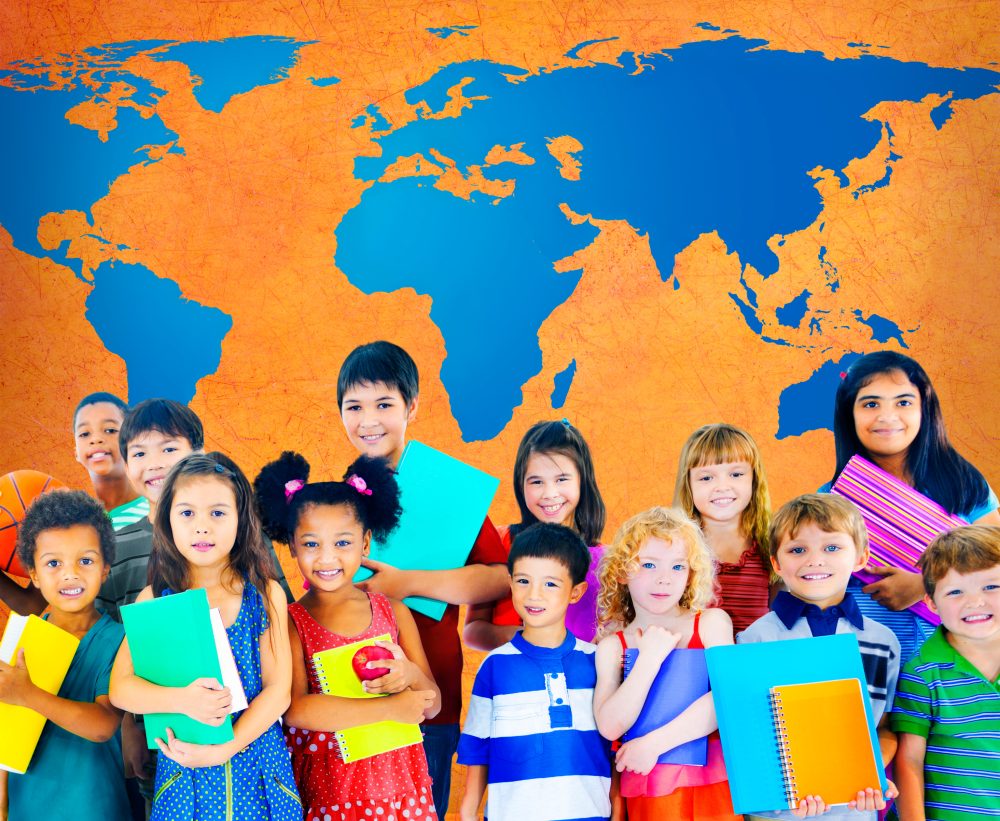
The journey of raising children in a multicultural environment is one of the most enriching experiences a family can have. It equips young individuals with the tools they need to navigate and contribute to a diverse world. As they grow, these children transform into global citizens who not only appreciate the beauty of diversity but are also ready to embrace the opportunities it brings. The path may be less conventional, but the rewards are boundless, opening doors to a world where diversity is celebrated and cherished.

Latrice Perez

Latrice is a dedicated professional with a rich background in social work, complemented by an Associate Degree in the field. Her journey has been uniquely shaped by the rewarding experience of being a stay-at-home mom to her two children, aged 13 and 5. This role has not only been a testament to her commitment to family but has also provided her with invaluable life lessons and insights.  As a mother, Latrice has embraced the opportunity to educate her children on essential life skills, with a special focus on financial literacy.

Filed Under: Parenting Tagged With: Broadened Perspectives, Cultural Sensitivity, Enhanced Communication Skills, Increased Empathy, Stronger Social Skills

  • Facebook
  • Pinterest
  • RSS
  • Twitter

Basic Principles Of Good Parenting

Here some basic principles for good parenting:

  1. What You Do Matters: Your kids are watching you. So, be purposeful about what you want to accomplish.
  2. You Can’t be Too Loving: Don’t replace love with material possessions, lowered expectations or leniency.
  3. Be Involved Your Kids Life: Arrange your priorities to focus on what your kid’s needs. Be there mentally and physically.
  4. Adapt Your Parenting: Children grow quickly, so keep pace with your child’s development.
  5. Establish and Set Rules: The rules you set for children will establish the rules they set for themselves later.  Avoid harsh discipline and be consistent.
  6. Explain Your Decisions: What is obvious to you may not be evident to your child. They don’t have the experience you do.
  7. Be Respectful To Your Child: How you treat your child is how they will treat others.  Be polite, respectful and make an effort to pay attention.
Best Parenting Blogs

Most Popular

Baby

10 Vintage Baby Names That Sound Surprisingly Modern Again

Evan Morgan
Baby

9 Baby Names That Sound Expensive Even Though Naming Your Baby Is Still Free

Evan Morgan
Baby names

Teachers Admit: These 6 Baby Names Create Instant Bias in the Classroom

Latrice Perez
6 Baby Names That Sound Cute Now but Cause Problems Later

6 Baby Names That Sound Cute Now but Cause Problems Later

Brandon Marcus
11 Ways Kids Are Outsmarting Parental Controls 1. Using Alternate Devices One common trick is simply turning to another device. If a child’s main phone or tablet is restricted, they may borrow a sibling’s, friend’s, or even a school laptop. This instantly gives them access to content outside of parental oversight. Parents often focus on one device, forgetting that others in the household can serve as loopholes. Knowing this tactic helps families tighten controls across all electronics. 2. Clearing Browsing Histories Many kids quickly learn that clearing browsing history hides evidence of restricted activity. With just a few clicks, they can erase any trace of websites visited. This makes it harder for parents to notice when rules are being broken. Parents may assume no history means no browsing, but the reality is often the opposite. Kids are outsmarting parental controls by making it seem like nothing happened at all. 3. Using Private Browsing Modes Most browsers offer “incognito” or private browsing features. Kids use this mode to access websites without leaving a record in the history. To parents checking later, everything looks clean and safe. This simple trick is often one of the first ways kids discover how to bypass restrictions. Conversations about private browsing can help close this gap. 4. Guessing or Resetting Passwords Children who are persistent may try to guess passwords to parental control apps or accounts. Others may find ways to reset them through email prompts or security questions. Once inside, they can disable restrictions entirely. Parents may not even realize controls have been altered until much later. Stronger, less predictable passwords can make this more difficult. 5. Using VPNs to Hide Activity Virtual private networks, or VPNs, let kids disguise their online locations. With one downloaded app, they can bypass geographic or parental restrictions. Some children learn about VPNs through friends or even social media. This makes it easy for them to reach content that should be blocked. Parents often underestimate just how simple it is for kids to use these tools. 6. Creating Fake Accounts When parents monitor social media, kids may create hidden accounts. These “finstas” or fake profiles allow them to interact freely without parental oversight. While their main account appears harmless, the secondary one tells a different story. Kids are outsmarting parental controls by playing both sides at once. Checking for duplicate accounts can help parents stay more aware. 7. Exploiting Time Zone Settings Some kids change the time zone on their devices to bypass screen time limits. This trick allows them to gain extra hours of usage undetected. Parents may assume controls are working, but in reality, the child is bending the clock. It’s a clever loophole that highlights just how resourceful kids can be. Monitoring device settings regularly can catch this tactic. 8. Disabling or Uninstalling Apps Parental control apps can be deleted or disabled with surprising ease. Some kids even reinstall them before a parent checks, making it seem like nothing changed. Others may simply restrict permissions to prevent apps from functioning properly. When apps aren’t monitored closely, parents may not notice they’ve been tampered with. This shows the importance of consistent follow-up. 9. Turning to Friends for Access If a child can’t get past restrictions on their own, they may rely on friends. Visiting a friend’s house or borrowing their phone can give them a free pass. Parents often forget that peer environments can override restrictions set at home. This kind of social workaround is especially common with gaming or social media. Open conversations about trust and responsibility are essential. 10. Hiding Apps in Plain Sight Kids sometimes download apps that look innocent but serve as gateways to hidden activity. These apps may disguise themselves as calculators or utilities. In reality, they allow file storage, private messaging, or browser access. Parents glancing at a home screen may overlook them entirely. Learning to recognize these disguised apps can help parents stay informed. 11. Outpacing Parents’ Tech Knowledge Finally, kids often know more about devices than their parents do. Whether through YouTube tutorials, TikTok hacks, or peer groups, they quickly learn advanced workarounds. This knowledge gap means controls can be bypassed before parents even realize the loophole exists. Staying informed and continually learning about new technology is the best defense. Kids are outsmarting parental controls because they adapt faster than most adults. The Real Solution Lies Beyond Restrictions While controls and filters are important, no system is perfect. Kids will always find creative ways around barriers, making communication the strongest safeguard. Setting clear expectations, building trust, and having ongoing conversations about online behavior matter more than apps alone. Parents who combine technology with open dialogue create a safer digital environment. The goal isn’t to win a battle of wits but to build a relationship that keeps kids both safe and honest. Do you think kids are outsmarting parental controls faster than parents can keep up? Share your experiences in the comments below. What to Read Next... 6 Parenting Tech Shortcuts That Can Expose Your Child to Strangers How Much Screen Time Is Too Much—Legally Speaking? Is Your Child’s School Quietly Tracking Their Location Without Your Consent? How Much Screen Time Is Quietly Reshaping Childhood Behavior? Why Some Parents Are Being Investigated Over Homeschooling Records

11 Ways Kids Are Outsmarting Parental Controls

Catherine Reed

All content on Kids Ain’t Cheap is for entertainment purposes only. By reading this blog, you agree that Kids Ain’t Cheap is not responsible for any actions taken after reading this blog. For the full disclaimer, see our privacy policy.

Please note that Kids Ain’t Cheap has financial relationships with some of the merchants mentioned here. Kids Ain’t Cheap is funded by banner advertising, commission sales and search optimization consulting.

Copyright © 2006–2026 | District Media | All Rights Reserved | Privacy Policy

Copyright © 2026 Runway Pro Theme by Viva la Violette