• Home
  • About Us
  • Toolkit
  • Archives
  • Advertise
  • Privacy Policy

Kids Ain't Cheap

But They Sure Are Worth It

  • Parenting
    • Baby Stuff
    • Books and Reading
      • Aesops Fables
      • Comic Books
    • Education
    • Family Time
    • Green Living
    • Growing Up
    • Healthy Living & Eating
    • Holidays
    • Parenting
    • Random Musings
    • Shopping
    • Stuff to Do
  • Money
  • Product Reviews
    • Books and Magazines
    • Discount Sites
    • Furniture
    • House Keeping
    • Reviews News
    • Toys and Games
  • Contact Us
  • Our Editorial Commitment
  • Search

Think You’re Just Average? These 12 Signs Say You Might Have Grown Up Rich!

February 15, 2024 | Leave a Comment

Sometimes, the privileges of a wealthy upbringing can be so ingrained that they seem normal. This article explores 12 signs that might indicate you grew up in an affluent household – signs that go beyond the obvious and delve into the subtler aspects of a rich upbringing.

1. International Travel was a Regular Occurrence

For many, international travel is a dream, but if your childhood included frequent trips abroad, you might have grown up richer than you thought. These vacations weren’t just about leisure; they were educational experiences, exposing you to different cultures and languages.

Your passport was filled with stamps, and you have a collection of memories from around the globe. Your friends marveled at your summer stories from exotic locations. Such experiences, normal for you, are often out of reach for the average family.

2. Private Education Was the Norm

If attending a private school was a given in your family, it’s a sign of a wealthy background. Private education, often with high tuition fees, is a significant indicator of financial privilege. You probably wore a uniform, had small class sizes, and received personalized attention from teachers.

Your school might have had state-of-the-art facilities and offered a wide range of extracurricular activities. Alumni from your school are likely influential figures, and this network has possibly opened doors for you.

3. A Home with Ample Space and Amenities

Growing up in a large home with multiple bedrooms, bathrooms, and perhaps even a swimming pool or a tennis court is a tell-tale sign of wealth. You had your own room, decorated to your liking, and a backyard that was more like a private park.

Your home was in a prestigious neighborhood, known for its safety and affluence. House help, like gardeners and maids, were part of your everyday life. Such a living situation is a luxury that goes unnoticed when it’s all you’ve known.

4. Access to High-End Technology and Gadgets

If the latest technology and gadgets were readily available in your home, it suggests a level of wealth that exceeds the average. You had your own laptop or tablet from a young age and the newest gaming consoles.

Your home was equipped with advanced systems like smart home technology or a high-end home theater. These gadgets were updated regularly without much thought. This access to technology provided you with an early digital literacy that many of your peers lacked.

5. Owning Designer Clothing and Accessories

A wardrobe filled with designer labels is a clear indicator of growing up rich. You had access to high-quality, brand-name clothing from an early age.

Your sports gear and equipment were also top-of-the-line. Shopping for clothes was not about budgeting but about style and preference. You may not have realized it then, but your fashion choices set you apart from your peers.

6. A Calendar Filled with Structured Activities

A childhood filled with structured extracurricular activities like horseback riding, ballet, or music lessons, particularly private ones, suggests a privileged upbringing. These activities were not just hobbies; they were part of your structured development.

They were supplemented with private tutoring or coaching to enhance your skills. Your weekends and after-school hours were carefully planned with these activities. This level of structured enrichment is often financially out of reach for many families.

7. Healthcare Was Never a Concern

If you never had to worry about the cost of healthcare, it’s a sign of financial security. Regular check-ups, dental braces, or any needed medical procedures were taken care of without hesitation.

You had access to top healthcare professionals and facilities. Health insurance and emergency funds were a given in your family. This aspect of life, often a significant concern for many, was a seamless part of your upbringing.

8. Networking with Influential People

Your family’s social circle included influential people, and networking started at a young age for you. You were familiar with attending high-profile events, galas, or charity functions.

These events were opportunities for you to meet leaders in various fields. Your parents’ connections often played a role in your internships or job opportunities. This network, a norm for you, is a luxury that many work years to build.

9. A Higher Education Without Student Loans

The ability to attend college without the burden of student loans is a significant indicator of a wealthy background. Your education was seen as an investment, and the cost was not a limiting factor in choosing a university.

You might have attended a prestigious college, often a family alma mater. The concept of student debt was foreign to you, a reality for many of your peers. This financial freedom allowed you to focus solely on your studies and extracurricular activities.

10. Owning High-Quality Vehicles

Having access to a car during your teenage years, especially a high-end model, is a sign of a privileged upbringing. You might have received a car as a gift for your sweet sixteen or graduation.

This vehicle was not just about transportation; it was a status symbol. Your family owned multiple cars, and they were often luxury or premium brands. This level of automobile ownership is far from the norm for most families.

11. Gourmet Food and Dining Experiences

If your meals regularly included gourmet dishes or dining at fine restaurants, it indicates a lifestyle above the average. You were exposed to a variety of cuisines from a young age.

Eating out was a regular occurrence, not a special occasion. Your palate was sophisticated, and you knew your way around an upscale menu. This culinary lifestyle is a subtle yet clear sign of growing up in affluence.

12. Financial Literacy and Investment Knowledge from a Young Age

Learning about stocks, real estate, and investments as part of your childhood conversations signifies a wealthy background. You were educated about managing finances, savings, and the importance of assets.

You may have received stocks or bonds as gifts. This early financial literacy gave you a head start in understanding and managing wealth. For many, this education comes much later in life, if at all.

A Glimpse of These 12 Signs

These 12 signs offer a glimpse into the often-unnoticed privileges that come with a wealthy upbringing. While these experiences may seem ordinary to those who lived them, they are clear indicators of a financial advantage that shapes one’s perspective and opportunities in life.

Recognizing these signs can lead to a greater understanding of one’s privileged position and foster a more empathetic view towards the diverse financial backgrounds of others.

Tamila McDonald
Tamila McDonald

Tamila McDonald is a U.S. Army veteran with 20 years of service, including five years as a military financial advisor. After retiring from the Army, she spent eight years as an AFCPE-certified personal financial advisor for wounded warriors and their families. Now she writes about personal finance and benefits programs for numerous financial websites.


Filed Under: Growing Up Tagged With: A Home with Ample Space, Access to High-End Technology, Signs Say You Might Have Grown Up Rich

17 Telltale Signs Your Childhood is Still Calling the Shots in Your Adult Life

February 13, 2024 | Leave a Comment

Childhood experiences play a crucial role in shaping our adult lives. Sometimes, the habits, fears, and dreams of our younger years continue to influence us in ways we may not fully realize. This phenomenon can manifest in various aspects of adulthood, from decision-making and relationships to personal habits and career choices.

In this article, we’ll explore 17 telltale signs that your childhood might still be steering the course of your adult life. Recognizing these signs is the first step towards understanding and potentially reshaping the impact of your formative years.

1. Difficulty with Emotional Regulation

Struggling with emotional regulation in adulthood can often be traced back to childhood experiences. If you find yourself frequently overwhelmed by emotions or, conversely, feel detached and unable to express feelings, it may be a sign of unresolved childhood issues.

This can lead to impulsive reactions, mood swings, or a tendency to bottle up emotions. It’s essential to recognize that emotional patterns established in childhood often require conscious effort to change. Seeking professional help can be a constructive step in learning healthier emotional regulation strategies.

2. Fear of Abandonment

A deep-seated fear of abandonment that persists into adulthood can often originate from childhood experiences of loss or instability.

This fear might manifest in clinging to relationships, even unhealthy ones, or experiencing anxiety when loved ones are not physically present. It can also lead to over-pleasing behavior, where you constantly strive to make others happy at your expense.

Understanding and addressing these fears can be vital in forming secure and healthy adult relationships. Therapy or counseling can provide valuable tools for working through these deep-rooted fears.

3. Perfectionism

Perfectionism in adulthood can be a carryover from childhood pressures to excel. This might stem from parental expectations, academic demands, or early competition.

As an adult, this can translate into an unrelenting drive for perfection in work or personal projects, often at the cost of your mental health. Perfectionism can lead to burnout, anxiety, and a persistent sense of inadequacy.

Recognizing and challenging perfectionist tendencies can help in developing a more balanced and forgiving approach to yourself and your endeavors.

4. Difficulty Trusting Others

If you find it hard to trust people in your adult life, it could be due to trust issues developed during childhood. This might stem from experiences of betrayal, inconsistency in caregiving, or witnessing untrustworthy behavior in adults.

As a result, you may build walls around yourself, fearing vulnerability. Working through trust issues often involves exploring past experiences, understanding their impact, and gradually learning to open up in safe and healthy ways.

5. Overdependence on External Validation

Seeking constant approval and validation from others can be a sign that your self-worth was heavily influenced by external validation in childhood. This might manifest in an excessive need for compliments, a fear of criticism, or basing your self-esteem on others’ opinions.

Learning to cultivate self-validation and internal measures of worth can be transformative in breaking this cycle. Mindfulness practices and self-compassion exercises can be effective in developing a stronger sense of self-worth.

6. Avoidance of Conflict

An aversion to conflict in adult life can often be traced back to a childhood where conflict was either non-existent (due to over-shielding) or excessively traumatic.

This can lead to a tendency to avoid confrontations, suppress your needs, or give in to others easily. Understanding that healthy conflict is a part of life and learning assertiveness skills can be crucial in overcoming this tendency.

7. Difficulty Making Decisions

If you find decision-making particularly stressful, it could be due to childhood experiences where your decisions were either disregarded or overly criticized.

This can lead to indecisiveness, a fear of making the wrong choice, or an over-reliance on others to make decisions for you. Building decision-making confidence often involves small steps in trusting your judgment and accepting that mistakes are a natural part of learning.

8. Imposter Syndrome

Imposter syndrome, where you doubt your abilities and feel like a fraud, can often be linked to childhood dynamics where your achievements were downplayed or overshadowed. This can lead to a constant fear of being ‘exposed’ and can hinder your career progress.

Addressing imposter syndrome involves recognizing your achievements and understanding that self-doubt does not equate to incompetence.

9. Need for Control

A strong need to control situations or people might stem from a childhood where there was little predictability or security. This can manifest in micromanaging tendencies, difficulty delegating tasks, or anxiety when things are uncertain. Learning to embrace uncertainty and trust the process can be liberating and reduce stress associated with the need for control.

10. Fear of Failure

A paralyzing fear of failure in adulthood often has roots in a childhood where failure was not seen as a natural part of learning. This fear can hold you back from taking risks or trying new things. It’s important to reframe failure as a stepping stone to success and an essential part of personal growth.

11. Emotional Dependence

Emotional dependence on others for happiness or decision-making can be a continuation of childhood patterns where you were not encouraged to be independent.

This might lead to relationships where you overly rely on your partner for emotional support or find it hard to be alone. Working towards emotional independence involves recognizing your own strength and developing self-reliance.

12. Overreacting to Criticism

If criticism, even when constructive, feels deeply personal and upsetting, it could be due to childhood experiences where criticism was harsh or punitive. This sensitivity can hinder personal and professional growth. Learning to separate constructive feedback from your self-worth is key in dealing with criticism healthily.

13. Seeking Chaos

Sometimes, a subconscious attraction to chaotic or unstable situations can be traced back to a tumultuous childhood. This might manifest in choosing turbulent relationships or careers. Recognizing this pattern can be the first step in seeking stability and peace in your adult life.

14. Submissive Behavior

If you find yourself consistently yielding to others’ opinions or desires, it might be due to a childhood where your voice was suppressed. This can lead to a pattern of submissive behavior in adulthood. Learning to assert yourself and value your opinions is crucial for personal empowerment.

15. Compulsive People-Pleasing

A compulsive need to please others, often at your expense, can stem from a childhood where your worth was measured by how much you pleased others. Breaking this cycle involves setting boundaries and learning to say no without feeling guilty.

16. Escapist Fantasies

Frequent daydreaming or escaping into fantasies can be a continuation of a childhood coping mechanism used to deal with unpleasant realities. While it’s a natural form of self-soothing, excessive escapism can disconnect you from the present. Balancing fantasy with mindful living can improve your engagement with the real world.

17. Fear of Intimacy

A fear of intimacy, both emotional and physical, can be a sign of childhood experiences where close bonds were fraught with pain or betrayal. Overcoming this fear involves understanding its roots and gradually building trust in relationships.

Recognizing These Signs

Recognizing these signs can be a powerful tool in understanding the influence of your childhood on your adult life. Addressing these issues, possibly with the help of a professional, can lead to a more self-aware, balanced, and fulfilling adulthood. Remember, it’s never too late to rewrite the script of your life and break free from the patterns of the past.

Tamila McDonald
Tamila McDonald

Tamila McDonald is a U.S. Army veteran with 20 years of service, including five years as a military financial advisor. After retiring from the Army, she spent eight years as an AFCPE-certified personal financial advisor for wounded warriors and their families. Now she writes about personal finance and benefits programs for numerous financial websites.

Filed Under: Parenting Tagged With: 17 Telltale Signs Your Childhood is Still Calling the Shots in Your Adult Life, Fear of Abandonment, Perfectionism

The Secret World of Kids: 12 Things They Do When You’re Not Looking!

February 12, 2024 | Leave a Comment

In the ever-evolving landscape of childhood, where technology meets creativity, kids are engaging in activities that might surprise even the most plugged-in parent. This insightful exploration reveals the secret world of kids, showcasing 12 common yet often overlooked behaviors and interests that flourish when adults aren’t around.

1. Digital Natives in Action

Children today are digital natives, seamlessly navigating the online world with a proficiency that often surpasses their parents. They explore the latest social media trends, engage in multiplayer online games, and even create content for platforms like TikTok and YouTube.

Their digital footprint is vast, often encompassing online communities and virtual friendships that parents might not be aware of. Privacy settings and internet safety are their familiar territory, but they also expose them to a world far beyond their years. This digital exploration is a blend of creativity, learning, and, sometimes, a touch of rebellion.

2. The Secret Snack Society

The kitchen becomes a clandestine meeting place where the art of snack smuggling takes center stage. Children, with ninja-like stealth, often find ingenious hiding spots for their favorite treats.

They understand the household schedules perfectly, timing their snack raids when parents are busy or away. This covert operation is not just about the thrill of snacking; it’s a playful exercise in autonomy and decision-making. However, it also raises questions about healthy eating habits and the importance of open communication about food choices.

3. Imaginative Playgrounds

When left to their own devices, kids’ imaginations run wild. They create elaborate fantasy worlds, often involving role-playing games where they are superheroes, explorers, or even mythical creatures.

These imaginative plays are not just a form of entertainment; they are crucial for cognitive and social development. They learn to navigate complex social scenarios, solve problems, and develop empathy. This unstructured play is a critical aspect of childhood, often overlooked in our structured, adult-driven world.

4. DIY Creators and Innovators

The DIY culture has significantly influenced children’s activities. From crafting slime to building makeshift forts, kids love creating things with their hands. These activities are not just fun; they are educational, fostering creativity, innovation, and problem-solving skills.

The rise of maker spaces and STEM (Science, Technology, Engineering, and Mathematics) activities has further encouraged this trend. Kids are becoming mini engineers and artists, often using household items in ways parents never imagined.

5. The Learning Hackers

Beyond the confines of traditional education, children are finding new ways to learn. They watch educational videos on YouTube, engage in language learning apps, and even participate in online coding challenges.

This self-directed learning showcases their curiosity and adaptability. They are not just passive consumers of information; they are active seekers of knowledge, often exploring subjects that they are genuinely passionate about.

6. Fitness Fanatics

Children today are surprisingly aware of fitness trends. They mimic workouts seen on Instagram, participate in dance challenges on TikTok, and even practice yoga or mindfulness exercises they find online.

This engagement with fitness is not just about physical health; it’s also about mental well-being and self-expression. Parents might be surprised to know how seriously their kids take their fitness routines, often making it a fun and integral part of their daily lives.

7. Eco-Warriors

Environmental awareness has significantly impacted children’s activities and perspectives. They are more informed and concerned about issues like climate change, pollution, and conservation.

Kids participate in recycling efforts, create upcycled crafts, and even initiate conversations about sustainable living. This environmental consciousness is not just a phase; it’s a reflection of a generation that is growing up in a world facing ecological challenges.

8. The Budding Entrepreneurs

The spirit of entrepreneurship is alive and well in the younger generation. Kids are starting small businesses, from lemonade stands to online ventures, using platforms like Etsy to sell homemade crafts.

They are learning about marketing, finance, and customer service, skills that are invaluable in today’s economy. This entrepreneurial spirit is driven by a desire for independence and a keen understanding of the digital marketplace.

9. Secret Keepers of Family Dynamics

Children are often more aware of family dynamics than parents realize. They observe and understand the nuances of relationships, sometimes keeping secrets to maintain harmony or protect someone’s feelings.

This emotional intelligence is a critical skill, but it also places a certain level of responsibility on young shoulders. Parents need to foster open communication, ensuring that children feel comfortable sharing their observations and concerns.

10. The Little Linguists

In a multicultural world, children are often exposed to multiple languages. Whether through friends, media, or formal learning, they are picking up new languages at an impressive rate.

This linguistic ability is not just about communication; it’s about cultural understanding and cognitive development. Parents might be surprised to find their children conversing in a foreign language, picked up from a TV show or a friend at school.

11. Volunteers and Community Helpers

Children are actively participating in community service and volunteer work. They are involved in initiatives like food drives, community clean-ups, and charity events.

This involvement is a testament to their compassion and desire to make a positive impact on the world. It’s a side of their lives that often goes unnoticed but reflects a deep sense of social responsibility.

12. The Mini Mindfulness Practitioners

Mindfulness and meditation are not just for adults. Children are increasingly engaging in these practices, often learning them at school or through apps.

They use these techniques to manage stress, enhance focus, and promote emotional well-being. This early adoption of mindfulness practices is a positive trend, indicating a generation that values mental health and self-care.

The Secret World of Kids

The secret world of kids is a dynamic mix of creativity, learning, and exploration. As parents, understanding and supporting these activities can help foster a more open, understanding, and enriching family environment. It’s a world where curiosity reigns supreme, and every day is an adventure waiting to be discovered.

Tamila McDonald
Tamila McDonald

Tamila McDonald is a U.S. Army veteran with 20 years of service, including five years as a military financial advisor. After retiring from the Army, she spent eight years as an AFCPE-certified personal financial advisor for wounded warriors and their families. Now she writes about personal finance and benefits programs for numerous financial websites.

Filed Under: Parenting Tagged With: DIY Creators and Innovators, The Learning Hackers, The Secret World of Kids: 12 Things They Do When You're Not Looking!

Alert for Parents: 12 Unexpected Things Your Teen is Doing Behind Closed Doors!

February 9, 2024 | Leave a Comment

Navigating the teenage years can be a perplexing journey for parents. As teens seek independence, their lives become more private, often leaving parents in the dark. We will shed light on 12 unexpected activities that teens are engaging in behind closed doors, offering parents a glimpse into the hidden world of adolescence.

1. Embracing Digital Creation and E-Sports

Many teens are passionately involved in digital creation, including video editing, graphic design, and even app development. They’re not just playing video games; they’re becoming proficient in e-sports, a rapidly growing industry. These activities are more than hobbies; they’re avenues for creativity and potential career paths.

E-sports, in particular, can teach valuable skills like teamwork, strategic thinking, and problem-solving. Understanding and supporting these interests can foster a positive connection between parents and teens.

2. Exploring Niche Subcultures Online

The internet has opened doors to a plethora of subcultures and communities. Teens might be deeply involved in fandoms, from anime to K-pop, forming global connections with like-minded individuals. These interests can significantly influence their identities and social interactions.

While it’s important to monitor online activity, these communities can also offer support, acceptance, and a sense of belonging. Parents should aim to understand these interests and engage in open dialogues about them.

3. Self-Education and Online Learning

Away from the traditional classroom, teens are turning to online platforms for self-education. They’re exploring subjects beyond their school curriculum, from coding languages to advanced mathematics, often using resources like Khan Academy or Coursera.

This self-directed learning showcases their curiosity and initiative. It also reflects a shift in how the digital generation perceives education: as an ongoing, self-driven process. Encouraging this thirst for knowledge can have long-term benefits for their educational journey.

4. Experimenting with Digital Entrepreneurship

The entrepreneurial spirit is strong in many teens, and they’re using digital platforms to experiment with business ideas. From starting a YouTube channel to selling artwork on Etsy, these ventures teach valuable skills like marketing, financial management, and customer service.

This trend reflects a shift towards gig economy and digital entrepreneurship among the younger generation. While these endeavors should be monitored for safety and balance with other responsibilities, they can be a powerful learning experience.

5. Dabbling in Content Creation and Influencing

The allure of becoming a social media influencer is strong among teens. Many are actively working on building their brand, be it through fashion blogging, travel vlogging, or lifestyle content creation.

This pursuit isn’t just about fame; it’s about harnessing creativity, developing digital skills, and understanding online marketing. However, parents must discuss the implications of online presence and privacy with their teens.

6. Exploring Health and Fitness Trends

Health and fitness have become significant interests for many teens, thanks to the influence of social media. They’re following workout routines, experimenting with diets, and exploring wellness trends they find on platforms like Instagram and TikTok.

While this can foster a healthy lifestyle, parents need to ensure that these pursuits are balanced and don’t lead to negative body image or health issues.

7. Delving into DIY and Crafting Projects

The DIY movement has a strong appeal among the younger generation. Teens are engaging in various crafting projects, from upcycling clothes to building electronics.

These activities not only spark creativity but also promote problem-solving skills and patience. They offer a hands-on break from the digital world and can be a source of pride and accomplishment.

8. Secret Struggles with Mental Health

Many teens grapple with mental health issues behind closed doors. From anxiety to depression, these struggles are often hidden from parents.

The pressure from social media, academics, and social life can be overwhelming. Recognizing the signs and encouraging open communication about mental health is crucial for parents.

9. Navigating Romantic Relationships and Sexuality

Adolescence is a time of exploring romantic relationships and sexuality, often privately. Teens are figuring out their identity and preferences, which can be a complex and emotional journey. Parents should aim to provide a safe, open environment for discussions about relationships and sexual health.

10. Experimenting with Identity and Self-Expression

Teens often use their private space to experiment with their identity. This could involve changing their appearance, exploring different fashion styles, or expressing themselves through art and music. These experiments are a crucial part of their journey to self-discovery and should be approached with an open mind by parents.

11. Participating in Online Activism

Many teens are actively involved in online activism, championing causes from climate change to social justice. They’re using social media to spread awareness, participate in campaigns, and connect with activist groups. This engagement reflects a socially conscious and connected generation.

12. Seeking Independence and Autonomy

The ultimate goal for many teens behind closed doors is to seek independence and autonomy. They’re making decisions about their lives, often without parental input. This quest for independence is a natural part of growing up and should be supported with guidance and understanding.

The World of Teens 

The world of teens is complex and multi-faceted. As parents, understanding and empathizing with these hidden aspects of their lives and knowing what things your teen is doing behind closed doors can lead to stronger, more open relationships. It’s about finding the balance between guidance and allowing independence, ensuring our teens grow into well-rounded, responsible adults.

Tamila McDonald
Tamila McDonald

Tamila McDonald is a U.S. Army veteran with 20 years of service, including five years as a military financial advisor. After retiring from the Army, she spent eight years as an AFCPE-certified personal financial advisor for wounded warriors and their families. Now she writes about personal finance and benefits programs for numerous financial websites.

Filed Under: Parenting Tagged With: Navigating the teenage years, teens, unexcepted things

The 13 Most Controversial TV Shows of the Decade

February 8, 2024 | Leave a Comment

In the past decade, television has pushed boundaries and sparked conversations like never before. From tackling sensitive social issues to exploring graphic content, some shows have ignited debates, backlash, and even cultural shifts. Here’s a look at the 13 controversial TV shows that stirred the pot and became the most talked-about for their content.

1. “Game of Thrones” – Redefining Brutality and Nudity

HBO’s “Game of Thrones” redefined what epic fantasy could entail, with its complex characters and intricate plotlines. However, it also drew criticism for its graphic depictions of violence and sexual content, including scenes of rape and brutality.

The show was both hailed for its storytelling and critiqued for its often-gratuitous use of nudity and violence. Its portrayal of women and the handling of sensitive subjects remained a point of contention throughout its run. Despite this, it became one of the most popular and discussed series of the decade.

2. “13 Reasons Why” – A Polarizing Take on Teen Issues

Netflix’s “13 Reasons Why” sparked an intense debate over its portrayal of teen suicide, bullying, and mental health. Critics argued that it glamorized suicide and could negatively impact vulnerable young viewers.

The show’s explicit scenes of assault and suicide led to public outcry and calls for censorship. Despite the controversies, it sparked important discussions about mental health awareness among teens. The series highlighted the need for responsible storytelling, especially on sensitive topics.

3.”The Handmaid’s Tale” – A Disturbing Dystopia

Hulu’s “The Handmaid’s Tale” presented a dystopian future that was as compelling as it was horrifying. The show’s depiction of women’s oppression and the stripping away of their rights resonated with contemporary political and social issues.

It was both praised for its bold storytelling and criticized for its brutal and often hard-to-watch content. The show became a symbol of resistance in women’s rights movements but also faced backlash for its intense and graphic scenes. “The Handmaid’s Tale” remains a powerful yet divisive piece of television.

4. “Breaking Bad” – The Moral Decline of Walter White

AMC’s “Breaking Bad” was lauded for its writing and performances, particularly Bryan Cranston’s portrayal of Walter White. However, the show was controversial for its unflinching look at drug manufacturing and violence.

It raised questions about morality, depicting the protagonist’s descent into criminality. Some viewers felt it glorified drug trade and violence, while others appreciated its complex character study. “Breaking Bad” stands as a masterpiece of television, albeit one that continues to spark debate.

5. “Orange Is the New Black” – Prison Life Unfiltered

Netflix’s “Orange Is the New Black” offered an unfiltered look at life inside a women’s prison. The show was groundbreaking in its diverse representation but faced criticism over its portrayal of prison life and racial stereotypes.

It was both praised for bringing light to issues within the penal system and critiqued for its sometimes sensationalized storytelling. The series navigated a fine line between drama and reality, making it a continual subject of discussion.

6. “Black Mirror” – The Dark Side of Technology

“Black Mirror” on Netflix became synonymous with its dark, often unsettling tales about the impact of technology on society. Each episode presented a new, often dystopian vision of the future, leading to mixed reactions. Some episodes were accused of being overly pessimistic and nihilistic.

However, it was also praised for its thought-provoking content and innovative storytelling. “Black Mirror” consistently pushed the envelope, making it one of the most talked-about shows in terms of its controversial themes.

7. “Homeland” – Espionage with Ethical Quandaries

Showtime’s “Homeland” was acclaimed for its intense drama and complex characters but faced backlash for its portrayal of Muslims and the Middle East. The show was criticized for promoting stereotypes and for its sometimes-one-dimensional representation of terrorism.

Despite these controversies, it was praised for its gripping narrative and performances. “Homeland” walked a tightrope between thrilling television and cultural insensitivity, sparking much debate.

8. “Louie” – Blurring the Lines Between Fiction and Reality

“Louie,” created by and starring Louis C.K., was a critical darling for its unique blend of comedy and drama. However, the show became controversial in light of sexual misconduct allegations against Louis C.K. The semi-autobiographical nature of the show led to questions about the separation between the artist and the art.

“Louie” went from being celebrated for its originality to being scrutinized under a moral lens, highlighting the complexities of evaluating art in the context of the artist’s personal life.

9. “Girls” – Millennial Life, Unvarnished and Unapologetic

HBO’s “Girls,” created by and starring Lena Dunham, was a candid portrayal of millennial women navigating life in New York City. The show was both praised for its realistic depiction of young women and criticized for its lack of diversity and Dunham’s off-screen controversies.

“Girls” sparked conversations about representation in media and the responsibility of creators. It remains a polarizing yet significant part of television history.

10. “True Detective” – A Dark Dive into Crime and Corruption

HBO’s “True Detective” was acclaimed for its gritty storytelling and strong performances, especially in its first season. But, the show faced criticism for its depiction of women and violence.

The dark themes and graphic content, while integral to its noir style, were points of contention. “True Detective” was a critical success but also prompted discussions about the portrayal of gender and violence in television.

11. “House of Cards” – Power Plays and Real-Life Scandals

Netflix’s “House of Cards” was a political drama that became embroiled in controversy following sexual assault allegations against its star, Kevin Spacey. The show was groundbreaking in its storytelling and format, being one of the first successful streaming series.

However, the off-screen scandal overshadowed its on-screen achievements, leading to discussions about the impact of real-life controversies on television shows.

12. “American Horror Story” – Pushing the Boundaries of Horror

FX’s “American Horror Story” pushed the boundaries of what could be shown on television with its graphic and often disturbing content. The show was both lauded and criticized for its bold approach to horror and dark themes.

While it gained a cult following for its unique style, it also faced backlash for its sometimes excessive gore and shock tactics. “American Horror Story” remains a divisive yet influential series in the horror genre.

13. “Westworld” – A Philosophical Puzzle Box

HBO’s “Westworld” combined sci-fi with Western elements to create a complex narrative about consciousness and humanity. The show was praised for its thought-provoking content and visual splendor but criticized for its convoluted plot and treatment of violence, especially against women.

“Westworld” challenged viewers in both its storytelling and its ethical implications, making it one of the most debated shows of the decade.

The Past Decade of Controversial TV Shows

The past decade has seen TV shows become more daring and divisive, reflecting and challenging societal norms. These 13 shows, with their controversial themes and execution, not only entertained but also sparked important conversations, underscoring the power of television as a medium that influences and reflects the zeitgeist.


Tamila McDonald
Tamila McDonald

Tamila McDonald is a U.S. Army veteran with 20 years of service, including five years as a military financial advisor. After retiring from the Army, she spent eight years as an AFCPE-certified personal financial advisor for wounded warriors and their families. Now she writes about personal finance and benefits programs for numerous financial websites.

Filed Under: Family Time Tagged With: "13 Reasons Why" - A Polarizing Take on Teen Issues, "Game of Thrones" - Redefining Brutality and Nudity, The 13 Most Controversial TV Shows of the Decade

Revamp Your Game Night! 13 Classic Board Games That Desperately Need a 21st Century Twist!

February 7, 2024 | Leave a Comment

In a world where technology reigns supreme, the classic charm of board games remains timeless. Yet, even these beloved pastimes can benefit from a modern refresh. Here, we delve into 13 classic board games that are primed for a 21st-century makeover, promising to add a spark to your game nights with a perfect mix of nostalgia and innovation.

Monopoly: Digital Currency Edition

Imagine a Monopoly where paper money is replaced with digital currency, creating a seamless and futuristic gaming experience. Players could use an app to manage their finances, bringing a touch of real-world financial savvy to the game. Dynamic market scenarios could be introduced, where property values fluctuate based on real-time economic trends. This version would offer a relevant and engaging way to understand and navigate the complexities of modern economics.

Scrabble: Tech Talk

Scrabble could incorporate contemporary terminology, especially from the tech world, to stay current. Adding tech jargon and acronyms would challenge players to keep up with the constantly evolving language of the digital age. An online version could allow for global multiplayer matchups, using social media platforms for an interconnected gaming experience. This could also include a digital thesaurus and dictionary for instant word validation.

Clue: Augmented Reality Detective

Transform Clue into an augmented reality (AR) experience, where players use their smartphones to find virtual clues and solve the mystery. This could involve interactive crime scenes and virtual suspects, adding depth and excitement to the classic whodunit game. An accompanying app could offer side stories and additional evidence, enriching the narrative and gameplay.

Risk: Global Strategy Online

Risk could be elevated with an online, interactive world map, reflecting real-time geopolitical changes and environmental challenges. Players could face new strategic scenarios, like climate crises or pandemics, requiring adaptive tactics. Online multiplayer modes would allow for global competition, bringing an exciting and contemporary edge to the game.

Battleship: Interactive Naval Combat

Revamp Battleship with electronic boards featuring touch-sensitive screens and realistic sound effects. Players could experience the thrill of naval warfare with visual and audio feedback for each move. The game could offer different modes, like stealth or advanced warfare, introducing modern naval tactics into play.

Chess: AI Enhanced

Introduce an AI component to chess, offering personalized tutorials and adaptive challenges. This could include virtual opponents with varying styles and strategies, providing a diverse range of challenges. Online play with global rankings would add a competitive edge, while AI analysis could offer insights into improving one’s game.

The Game of Life: Modern Life Edition

Update The Game of Life to reflect contemporary life choices and careers, including gig economy jobs and digital nomad lifestyles. Introduce modern financial concepts like investments in startups or cryptocurrencies. This edition could also include diverse family structures and life paths, making it more inclusive and relatable.

Candy Land: Interactive Adventure

Transform Candy Land into an interactive adventure with AR, where players explore a virtual candy world. Mini-games and challenges could be included in each location, making the journey more dynamic. An accompanying app could allow for custom candy creations, which players could encounter in the game.

Operation: High-Tech Surgeon

Give Operation a high-tech twist with realistic medical simulations. Players could use electronic instruments to perform delicate procedures, with different levels of difficulty. Introduce modern medical scenarios and tools, offering an educational glimpse into the world of medicine.

Trivial Pursuit: Digital Genius Edition

Update Trivial Pursuit with a digital interface that offers constantly updated questions and categories. Include social media trends, current events, and modern pop culture to keep the game relevant. An online play option could allow for real-time competitions with players around the world.

Connect Four: Virtual Reality Challenge

Reinvent Connect Four with a virtual reality (VR) setup, where players enter a 3D space to strategically place their pieces. Different game modes could be introduced, like gravity-defying challenges or time-based puzzles, adding new layers of strategy and fun.

Sorry! Interactive Board Adventure

Sorry!

Enhance Sorry! with an interactive board that creates unexpected challenges and obstacles as players move their pieces. Incorporate story elements and mini-games for each player’s journey, making each game a unique adventure. An app could allow for customizing game pieces and boards, adding a personal touch.

Jenga: Augmented Reality Tower

Elevate Jenga with AR, visualizing a towering structure that players must carefully dismantle without toppling. AR could introduce various themes and environments, like a skyscraper or an ancient temple. An app could track the tower’s stability in real-time, offering a thrilling and immersive experience.

Breathing New Life Into Classic Board Games

Breathing new life into these 13 classic board games with modern twists not only preserves their legacy but also aligns them with the digital age. These reinventions promise to bring a fresh, exciting dimension to your game nights, blending the best of tradition and innovation.

Excited to see these classic games revamped? Share this article with fellow board game enthusiasts and spark a conversation about the future of gaming. Let’s embrace the digital age while holding onto the charm of traditional board games. Comment below with your ideas for modernizing your favorite classic game!

Tamila McDonald
Tamila McDonald

Tamila McDonald is a U.S. Army veteran with 20 years of service, including five years as a military financial advisor. After retiring from the Army, she spent eight years as an AFCPE-certified personal financial advisor for wounded warriors and their families. Now she writes about personal finance and benefits programs for numerous financial websites.

Filed Under: Family Time Tagged With: Chess: AI Enhanced, operation the game, Revamp Your Game Night! 13 Classic Board Games, The Game of Life: Modern Life Edition

Normal or Not? 8 Clues That Might Change Everything You Thought About Your Childhood

February 7, 2024 | Leave a Comment

As we journey through life, the lens through which we view our childhood experiences often changes. We look back with a mix of nostalgia and insight, piecing together memories that seemed innocent and ordinary at the time. But what if these recollections hold deeper, more complex truths than we initially perceived?

We will dive into the heart of this introspection, revealing eight startling clues that may indicate your childhood wasn’t quite what it seemed. From subtle family dynamics to overlooked emotional signals, we unravel the layers of what many of us consider a ‘normal’ upbringing. Prepare to embark on a journey of self-discovery, as we uncover the hidden truths lurking beneath the surface of our childhood memories.

1. Overemphasis on Appearances

In some families, there is a significant focus on maintaining a perfect image. This could mean hiding family issues, showcasing an ideal life on social media, or prioritizing material possessions over emotional wellbeing. Constant pressure to look and act a certain way, especially in public, can be exhausting and confusing for a child.

If you felt like your family was performing for an audience, this might indicate a dysfunctional undercurrent. Behind closed doors, if things were vastly different, it’s a sign that appearances were more important than reality.

2. Unpredictable Emotional Environment

Did you often feel like you were walking on eggshells at home? An environment where moods and reactions are unpredictable can be a sign of dysfunction.

Were you constantly trying to gauge the mood of a parent or caregiver to avoid conflict? If so, it suggests an unstable emotional atmosphere. This unpredictability can lead to constant anxiety and a feeling of never being able to relax at home. Children in such environments often grow up to be hyper-vigilant adults, always on edge.

3. Excessive Criticism or Expectations

Families that set unrealistically high expectations or are overly critical can leave lasting impacts. If mistakes were met with severe criticism rather than support, it could foster a sense of inadequacy. This environment often leads to children developing perfectionist tendencies, constantly striving for approval. If you felt that nothing you did was ever good enough, it’s a sign of a dysfunctional family dynamic. Remember, constructive support fosters growth, but constant criticism can hinder it.

4. Lack of Emotional Support

A key sign of a dysfunctional family is the absence of emotional support. If expressing feelings was discouraged or met with indifference or ridicule, it’s a significant red flag. Children in such families often learn to suppress their emotions, leading to difficulty in expressing themselves in adulthood. If you felt alone in dealing with your problems or emotions, it suggests a lack of necessary support. Every child deserves a safe space to express themselves without fear of judgment.

5. Inconsistent Discipline or Boundaries

Inconsistent discipline or unclear boundaries can create a confusing environment for a child. If rules changed frequently or punishments were unpredictable, it can lead to a sense of insecurity. On the other hand, overly rigid and strict rules can be equally damaging, creating an oppressive environment. Healthy families have clear, consistent rules and boundaries that are enforced with fairness. Remember, discipline is about teaching, not punishment.

6. Parentification

Parentification involves roles being reversed, where a child takes on the responsibilities of a caregiver. This could be due to a parent’s physical or mental health issues, or their inability to cope with adult responsibilities. If you found yourself caring for siblings or taking on adult tasks at a young age, it’s a sign of dysfunction. While it can lead to maturity and resilience, it can also result in missed childhood experiences and emotional burden.

7. Lack of Privacy or Autonomy

If your family did not respect your privacy or autonomy, it could indicate dysfunction. Overly intrusive parents or guardians who don’t allow personal space or independent decision-making can hinder a child’s development. A healthy family environment fosters independence while providing guidance and support. If you felt like you were under constant surveillance or control, it’s a sign that your family dynamics were skewed.

8. Conditional Love

The foundation of a healthy family is unconditional love. If love and affection in your family seemed contingent on achievements, behavior, or meeting certain expectations, it’s a cause for concern. Conditional love can lead to a lifelong struggle with self-esteem and worthiness. Remember, everyone deserves love and acceptance, no matter what.

Recognizing These Signs

In recognizing these signs, it’s important to understand that it’s not about placing blame, but about gaining awareness of how your childhood has shaped you. If you relate to these signs, consider seeking support or therapy to work through these issues. And remember, it’s never too late to heal and create a life that feels genuinely fulfilling.


Tamila McDonald
Tamila McDonald

Tamila McDonald is a U.S. Army veteran with 20 years of service, including five years as a military financial advisor. After retiring from the Army, she spent eight years as an AFCPE-certified personal financial advisor for wounded warriors and their families. Now she writes about personal finance and benefits programs for numerous financial websites.

Filed Under: Growing Up Tagged With: Childhood, Excessive Criticism or Expectations, Overemphasis on Appearances, Unpredictable Emotional Environment

15 Nostalgic Snacks and Treats We Wish Would Make a Comeback

February 6, 2024 | Leave a Comment

In a world where food trends come and go, there’s something undeniably appealing about the snacks and treats of our past. The mere mention of these nostalgic goodies can transport us back to simpler times. Let’s delves into 15 iconic snacks and treats that have vanished from the shelves but remain in our hearts. We’ll explore why they were so loved, and why they should make a grand return.

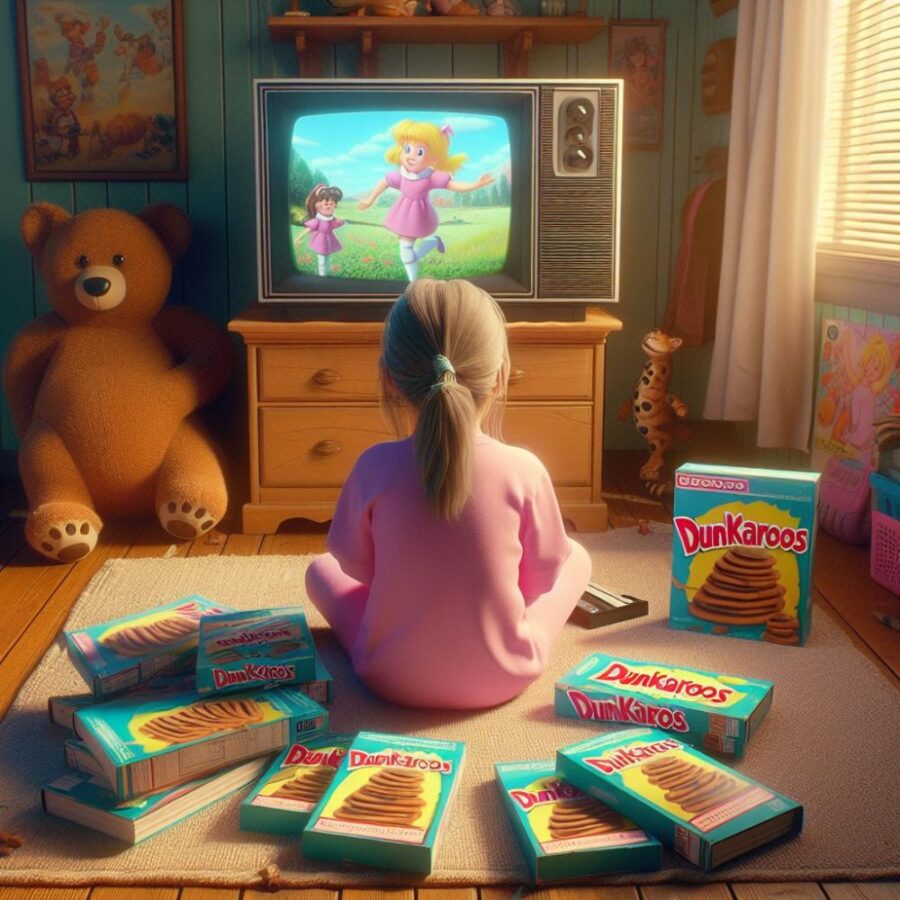
1. Dunkaroos

The 90s were a magical time, and Dunkaroos were the epitome of snack-time joy. These delightful cookie and frosting combos were not only delicious but also fun to eat. The excitement of dunking cookies into creamy frosting made every bite an adventure. With a recent surge in 90s nostalgia, the return of Dunkaroos would be a welcomed treat for both millennials and the new generation.

2. Planters Cheez Balls

Planters Cheez Balls were a crunchy, cheesy delight that left our fingers coated in orange dust. Their perfect round shape and intense cheese flavor made them a hit at any party. Although there have been many attempts to replicate this snack, none have quite captured the unique taste and texture of the original. A comeback would surely be a hit.

3. Altoids Sours

Altoids Sours were the perfect blend of sweet and sour in a tiny, portable tin. These tangy candies were a favorite for freshening breath with a zesty twist. Their disappearance left a void in the candy world that’s yet to be filled. The revival of Altoids Sours would bring back a beloved treat and add some zest to our lives.

4. Oreo O’s Cereal

The breakfast of champions for any kid of the 90s, Oreo O’s cereal was like having dessert for breakfast. The combination of chocolatey, crunchy O’s with that distinct Oreo flavor was a dream come true. With the recent comeback of several retro cereals, Oreo O’s would be a perfect addition to the breakfast club.

5. Butterfinger BB’s

Butterfinger BB’s took the classic Butterfinger bar and transformed it into bite-sized bliss. Their crunchy texture and peanut butter flavor were uniquely satisfying. These little balls of joy were not just a treat but an experience. It’s high time these tiny treasures made a return to our snack line-up.

6. 3D Doritos

3D Doritos were more than just a snack; they were an innovation in the world of chips. Their unique shape and texture created a snacking experience unlike any other. The light, airy, and crunchy feel of 3D Doritos is something fans have been missing and longing for since their disappearance.

7. Wonder Ball

The Wonder Ball was the ultimate surprise treat – a chocolate ball filled with more candy and stickers. The anticipation of discovering what was inside made it a thrilling snack for kids. In an age where unboxing videos are all the rage, the Wonder Ball would fit right in.

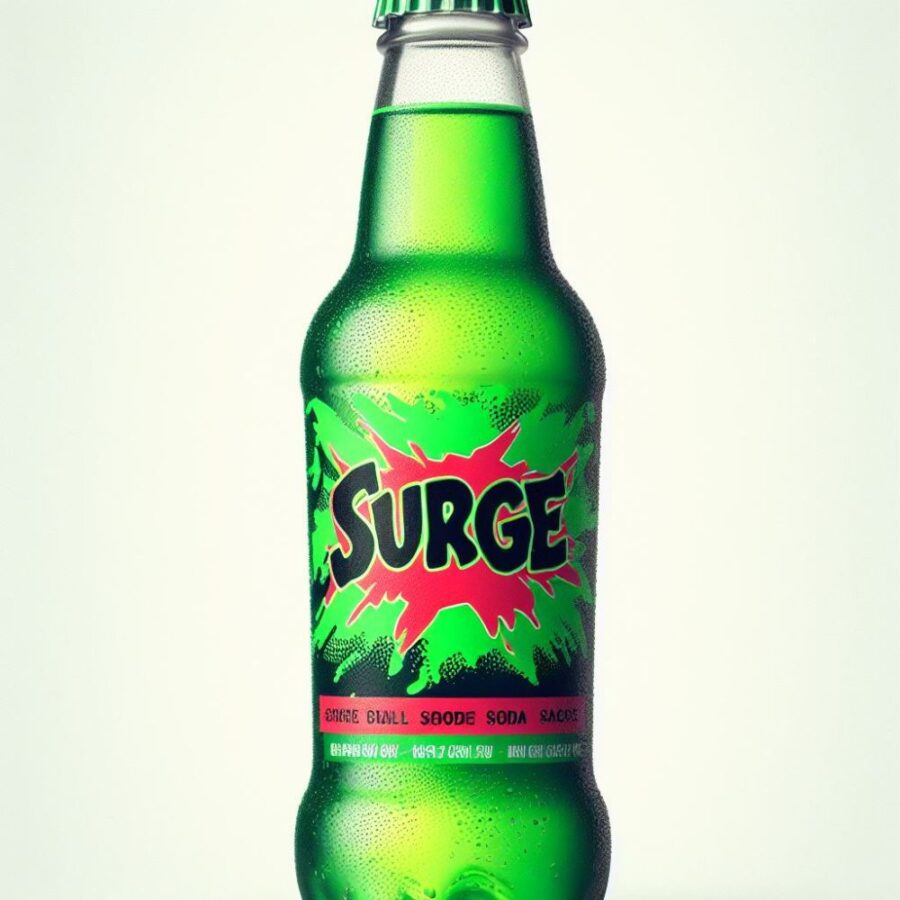
8. Surge

Surge soda was the energy boost of choice for many teens and young adults in the 90s. Its vibrant green color and citrusy flavor made it stand out. With the recent resurgence of retro sodas, Surge would be a nostalgic and refreshing addition to the beverage aisle.

9. Squeezit

Squeezit colored drinks were not just delicious – they were fun! Kids loved squeezing the plastic bottles to get every last drop of the fruity drink. The interactive nature of Squeezit made it more than just a beverage; it was an experience.

10. Shark Bites Fruit Snacks

Shark Bites were more than just fruit snacks; they were a hunt for the elusive white shark in each pack. Their fruity flavor and fun shapes made them a hit among kids. With the current trend of retro revivals, Shark Bites would be a welcome return to the snack world.

11. Crystal Pepsi

Crystal Pepsi stood out for its clear appearance and refreshing taste. It was a novel idea that captured the imagination of soda lovers. With the ongoing trend of transparent and natural-looking foods, Crystal Pepsi’s comeback would be both timely and trendy.

12. P.B. Crisps

P.B. Crisps were a peanut butter lover’s dream come true. These crispy, peanut-shaped snacks filled with creamy peanut butter were addictively delicious. There’s been a continuous demand for their return among snack enthusiasts.

13. Fruitopia

Fruitopia was more than a fruit drink; it was a cultural icon of the 90s. Its variety of flavors and psychedelic packaging captured the essence of the era. In today’s health-conscious world, a revamped, natural version of Fruitopia could find a whole new audience.

14. Magic Middles

Magic Middles cookies offered a delightful surprise with their soft, gooey, chocolatey center. They were the perfect balance of cookie and chocolate, making them an irresistible treat. The return of Magic Middles would certainly be a hit among cookie connoisseurs.

15. Reggie! Bar

Named after baseball legend Reggie Jackson, the Reggie! Bar was a unique blend of caramel, peanuts, and chocolate. It wasn’t just a candy bar; it was a tribute to an American sports hero. With the current interest in sports memorabilia, the Reggie! Bar could make a nostalgic comeback.

Nostalgic Snacks and Treats

These 15 nostalgic snacks and treats represent more than just flavors; they symbolize memories and simpler times. Their comeback would not only satisfy our taste buds but also our hearts.  Share your memories of these classic snacks and join the movement to bring them back! Let’s make nostalgia the trend of today. Share, like, and comment with your favorite snack from the list! #BringBackOurSnacks

Tamila McDonald
Tamila McDonald

Tamila McDonald is a U.S. Army veteran with 20 years of service, including five years as a military financial advisor. After retiring from the Army, she spent eight years as an AFCPE-certified personal financial advisor for wounded warriors and their families. Now she writes about personal finance and benefits programs for numerous financial websites.

Filed Under: Growing Up Tagged With: Altoids Sours, Dunkaroos, nostalgic snacks and treats, Planters Cheez Balls

11 Unique Parenting Techniques from the 90s That Are Worth Revisiting

February 5, 2024 | Leave a Comment

parenting 90s

While parenting techniques have evolved over the years, some unique approaches from the 90s may still hold value today. These unconventional methods offer a fresh perspective on raising children and can foster strong bonds between parents and their kids. Let’s explore 11 unique parenting techniques from the 90s worth revisiting.

1. Treasure Hunts for Chores

In the 90s, transforming chores into exciting treasure hunts was a creative parenting technique. Parents crafted clues and riddles leading children to their next household task. This innovative approach made mundane activities enjoyable and engaging for kids. Not only did it make chores fun, but it also honed children’s problem-solving abilities. By turning housework into a game, children learned to approach tasks with enthusiasm.

2. DIY Craft Days

The 90s were a golden era for fostering creativity through DIY craft days. Parents encouraged their children to explore their artistic side with various materials. These craft days were pivotal in boosting children’s creative confidence. Engaging in art and craft activities provided a fun outlet for self-expression. Such activities were crucial in developing children’s artistic abilities and imagination.

3. Family Game Nights

Family game nights were a quintessential part of 90s home life. Reviving this tradition can strengthen family bonds through playful competition. Board games of the era provided both entertainment and educational value. These nights taught children valuable lessons in sportsmanship and teamwork. Regular game nights ensured quality family time and created lasting memories.

4. Allowance Tied to Savings

In the 90s, some parents linked allowances to children’s savings efforts. This method taught kids the value of saving money from a young age. Parents would often match the amount their child saved, encouraging fiscal responsibility. Such practices instilled a sense of financial discipline and planning. This innovative approach to allowances laid the groundwork for smart money management.

5. “No Homework” Days

The occasional “no homework” day was a popular 90s parenting strategy. These breaks provided children with a much-needed respite from academic pressures. Implementing such days helped maintain a balance between study and leisure. It also encouraged kids to engage in other creative or outdoor activities. These days were instrumental in fostering a more rounded and stress-free learning environment.

6. Pajama Story Nights

Pajama story nights were a beloved 90s bedtime ritual. Parents and children would don pajamas for a cozy storytelling session. This practice not only nurtured a love for reading but also strengthened family bonds. The relaxed atmosphere made bedtime an eagerly awaited part of the day. These nights were key in establishing a comforting and enjoyable bedtime routine.

7. Mystery Dinners

Mystery dinners added an element of intrigue and fun to mealtime. Parents would create clues for children to decipher the evening’s menu. This concept turned dining into an interactive and adventurous experience. It was a unique way to engage children’s curiosity and problem-solving skills. Such dinners made regular meals exciting and memorable for the whole family.

8. DIY Science Experiments

The ’90s saw a surge in the popularity of home-based science experiments. Parents encouraged exploration and learning through practical science activities. These experiments made learning fun and fostered a love for science and technology. Conducting experiments at home provided hands-on educational experiences. This approach helped demystify scientific concepts and sparked lifelong interests in STEM fields.

9. Reverse Punishment

Reverse punishment was a novel disciplinary method in the 90s. Rather than traditional punishments, children were assigned educational and enjoyable tasks. This technique aimed to teach lessons through positive experiences. It encouraged children to reflect on their actions in a constructive manner. This approach was effective in promoting good behavior and instilling valuable life lessons.

10. Invention Day

Setting aside a day for inventions was a creative way to encourage innovation. Children were given the freedom to create anything they imagined. This practice nurtured creativity and problem-solving skills. It provided a supportive environment for expressing unique ideas. “Invention Day” was instrumental in developing future thinkers and inventors.

11. Nature Camping Trips

In the 90s, camping trips were a way to introduce families to outdoor adventures. These excursions provided valuable lessons in nature and survival skills. Spending time in nature was crucial for children’s physical and mental well-being. Camping fostered a sense of independence and respect for the environment. Such trips were key in creating a lasting appreciation for the natural world.

Reviving 90s Parenting Magic

Incorporating these innovative 90s parenting techniques into modern family life can bring a touch of nostalgia and create unforgettable experiences. From treasure hunts for chores to nature camping trips, these methods showcase the timeless creativity and resourcefulness of parents. They not only add fun and excitement to everyday routines but also contribute significantly to children’s growth and development.

Choose one or more of these unique 90s parenting techniques to try with your family. Witness the positive impact and joy they bring to your 21st-century parenting journey!

Tamila McDonald
Tamila McDonald

Tamila McDonald is a U.S. Army veteran with 20 years of service, including five years as a military financial advisor. After retiring from the Army, she spent eight years as an AFCPE-certified personal financial advisor for wounded warriors and their families. Now she writes about personal finance and benefits programs for numerous financial websites.

Filed Under: Parenting Tagged With: DIY Craft Days, Treasure Hunts for Chores, Unique Parenting Techniques from the 90s That Are Worth Revisiting

Decoding the 11 Most Confusing Phrases in American English

February 2, 2024 | Leave a Comment

The English language is an intricate maze of words and phrases, and American English adds a unique layer of complexity with its array of idiomatic expressions. Some of these phrases are so perplexing that they leave even native speakers scratching their heads. We will embark on a journey to decoding the 11 most confusing phrases in American English phrases that you won’t believe actually exist.

1. Bite the Bullet

“Bite the bullet” is an idiom that means to endure a painful or otherwise unpleasant situation that is seen as unavoidable. The phrase is believed to have its origins in the battlefield, where injured soldiers had to bite on a bullet during surgical procedures without anesthesia to cope with the pain.

In modern usage, it symbolizes the act of facing up to a difficult or unpleasant task and enduring it with fortitude. This expression is often used to convey the idea of bravely or stoically confronting a challenging situation, rather than avoiding it. “Bite the bullet” captures the essence of human resilience and the capacity to endure hardship with courage and determination.

2. Break a Leg

“Break a leg” is an idiom commonly used in the performing arts as a way of wishing an actor good luck in an ironic manner. Stemming from a superstitious belief that directly wishing someone good luck would actually bring bad luck, this phrase takes an opposite approach.

The saying has become a theatrical tradition, often heard backstage before a performance, embodying a sense of camaraderie and mutual support among performers.

Its usage extends beyond the theater, becoming a colloquial way of wishing anyone luck in an upcoming endeavor, particularly when facing a challenging or nerve-wracking task. “Break a leg” reflects the unique blend of superstition, humor, and culture that characterizes the world of performance and artistic expression.

3. Hit the Sack

“Hit the sack” is a colloquial expression commonly used to indicate going to bed or starting the process of falling asleep. The phrase originates from a time when mattresses were often sacks filled with straw or other soft materials, making the action of “hitting” the sack a final step before lying down to sleep.

It’s frequently used to convey a sense of weariness or the need to rest after a long day or exhausting activity. The saying encapsulates the universal human experience of seeking rest and the comfort of one’s bed at the end of the day. In contemporary usage, “hit the sack” remains a casual and relatable way of saying that one is ready to end the day and retreat to the comfort of sleep.

4. Piece of Cake

The saying “piece of cake” is a popular idiom used to describe a task or activity that is very easy to accomplish. Originating from the 1930s, it equates the simplicity and pleasure of eating a piece of cake to effortlessly completing a certain job or challenge.

This expression is often employed to convey confidence in one’s ability to achieve a goal without much effort or to reassure others of the ease of a task. It highlights the human tendency to compare complex activities to simpler, more enjoyable experiences to make them seem less daunting.

In everyday language, “piece of cake” serves as a lighthearted and optimistic way of looking at potentially challenging situations.

5. Let the Cat out of the Bag

“Let the cat out of the bag” is an idiom that refers to revealing a secret or disclosing information that was supposed to be kept hidden.

The phrase is believed to have its origins in medieval markets, where unscrupulous vendors would trick buyers by substituting a cat for a pig in a bag. When the cat was let out, the deceit was revealed, much like when a secret is exposed in modern usage.

This expression captures the moment of surprise and the unintended consequences of revealing something confidential. In contemporary usage, it often carries a sense of accidental disclosure, highlighting the difficulty of keeping certain information concealed.

6. Spill the Beans

“Spill the beans” is an idiomatic expression used to describe the act of revealing secret or confidential information, often unintentionally.

The origin of this phrase is somewhat unclear, but it is thought to date back to ancient Greece, where beans were used in voting and spilling them could inadvertently reveal a vote or secret decision. In modern usage, it typically implies the disclosure of information that was meant to be kept under wraps, whether in a personal or professional context.

The saying often conveys a sense of accidental revelation, where someone might divulge a secret without realizing the implications or being fully aware of doing so. “Spill the beans” has become a common phrase in everyday language, capturing the human tendency to reveal more than intended in moments of carelessness or under pressure.

7. Kick the Bucket

“Kick the bucket” is a colloquial and somewhat euphemistic idiom used to refer to the act of dying. The phrase’s origin is unclear, but one theory suggests it may come from the method of slaughtering animals in which a bucket was kicked away to facilitate the process.

In contemporary usage, it often serves to lighten the conversation about death, using humor to deal with a typically somber topic. The expression is widely recognized and used in various cultures, particularly in English-speaking countries, to talk about death in a less direct and more casual way.

Despite its light-hearted tone, “kick the bucket” is usually reserved for informal contexts, as it might be considered inappropriate or insensitive in more serious or solemn discussions about death.

8. The Ball Is in Your Court

The Ball Is in Your Court” is a popular idiom derived from tennis, symbolizing that it’s someone’s turn to take action or make a decision. It places responsibility squarely on the individual, emphasizing that the next move or response in a situation is theirs to choose.

This expression is often used in contexts where a person is given the opportunity to take initiative or assert control over how events will unfold. It highlights the importance of personal agency and the ability to influence outcomes based on one’s decisions and actions.

In both personal and professional settings, this phrase serves as a motivational call to action, encouraging proactive engagement and decision-making.

9. Don’t Cry over Spilled Milk

The proverb “Don’t cry over spilled milk” teaches the valuable lesson of not dwelling on past mistakes or misfortunes that cannot be undone. It encourages a positive outlook, urging individuals to move forward and focus on what can be controlled in the present and future. This phrase serves as a reminder of the importance of resilience and adaptability in the face of life’s inevitable setbacks.

Embodying a practical approach to life’s small disappointments, it suggests that time and energy are better spent on constructive solutions rather than regret. Through its enduring wisdom, this saying continues to resonate across generations, emphasizing the power of maintaining perspective and emotional balance.

10. When Pigs Fly

“When pigs fly” is a popular idiom used to express skepticism or disbelief in the likelihood of a particular event or scenario occurring. The phrase conjures an image of an impossible feat – pigs, naturally unable to fly, taking to the air – to emphasize the improbability of the situation in question.

It’s often employed humorously to respond to outlandish claims or overly optimistic plans, highlighting their unrealistic nature. This saying is a vivid example of hyperbole in language, using absurdity to make a point about the unlikelihood of an event.

Despite its playful tone, “when pigs fly” effectively communicates a serious level of doubt about the feasibility or reality of a given situation.

11. A Penny for Your Thoughts

The idiom “a penny for your thoughts” is a charming invitation to share one’s inner musings, often used in moments of reflective silence.

Historically, this phrase symbolizes the modest value of a penny compared to the priceless nature of personal thoughts and feelings. In conversation, it serves as a gentle nudge, encouraging someone to open up about what’s preoccupying their mind.

This expression highlights the human connection, valuing the sharing of ideas and emotions over material wealth. As a cultural artifact, it reminds us that sometimes, the simplest gestures of interest in another’s thoughts can forge deeper understanding and empathy.

Mind-boggling American English Phrases

These 11 mind-boggling American English phrases offers a glimpse into the quirks and intricacies of the language. While these expressions may initially seem bewildering, they contribute to the richness and diversity of American English. So, the next time you encounter one of these enigmatic phrases. You can unravel its meaning and appreciate the linguistic tapestry that makes American English so captivating.

Tamila McDonald
Tamila McDonald

Tamila McDonald is a U.S. Army veteran with 20 years of service, including five years as a military financial advisor. After retiring from the Army, she spent eight years as an AFCPE-certified personal financial advisor for wounded warriors and their families. Now she writes about personal finance and benefits programs for numerous financial websites.

Filed Under: Money and Finances Tagged With: Break a leg, Decoding the 11 Most Confusing Phrases in American English, Hit the sack, let the cat out the bag

The Best and Worst Places to Raise a Family in the U.S.- Our Top 20 Revealed

February 1, 2024 | Leave a Comment

Raise a Family

Choosing the right place to raise a family is a significant decision for any parent. Factors like education, safety, affordability, and family-friendly activities play a huge role.

Across the United States, some cities stand out as exceptional places for families, while others pose considerable challenges. We will reveal the top 10 best and worst places in the U.S. to raise a family, providing insights into what makes these locations unique.

Best Places to Raise a Family

1. Plano, Texas

Plano is renowned for its excellent school system, low crime rate, and affordable housing, making it a top choice for families. The city boasts numerous parks and recreational areas, fostering a great environment for outdoor activities.

Its economy is strong, with a variety of job opportunities for parents. Plano’s community is diverse and family-oriented, offering cultural and educational opportunities for children. Additionally, its proximity to Dallas ensures that families have access to big-city amenities.

2. Madison, Wisconsin

Madison offers a perfect blend of urban and natural environments, ideal for family living. It’s known for its top-rated schools, vibrant community events, and extensive network of bike paths and parks.

The city has a strong emphasis on education and health, with several renowned universities and hospitals. Madison’s low crime rates and strong sense of community make it a safe and welcoming place for families. The city also excels in providing a plethora of family-friendly activities and festivals year-round.

3. Ann Arbor, Michigan

Ann Arbor is celebrated for its excellent education system, from primary schools to the University of Michigan. The city is culturally rich, offering numerous museums, theaters, and music venues that are great for family outings.

It’s known for its green spaces, including parks and nature areas, providing ample opportunities for outdoor activities. Ann Arbor’s economy is robust, with opportunities in education, healthcare, and technology. The city also has a strong community vibe, making it a warm and welcoming place for new families.

4. Overland Park, Kansas

Overland Park is a suburb of Kansas City and is known for its safety, great schools, and affordability. The city offers a suburban feel with the benefits of nearby urban amenities.

It’s rich in parks and recreational facilities, making it ideal for outdoor enthusiasts. The community is family-friendly, with plenty of activities and events for children. Overland Park also boasts a low unemployment rate, making it a stable environment for raising a family.

5. Fremont, California

Fremont stands out for its excellent schools, high safety ratings, and diverse population. Located in the San Francisco Bay Area, it offers a mix of suburban and urban lifestyles.

Fremont is in close proximity to Silicon Valley, providing ample job opportunities in the tech industry. The city is environmentally conscious, with numerous parks and outdoor spaces for families to enjoy. Despite its high cost of living, Fremont is considered one of the best places in California for family life.

6. Cary, North Carolina

Cary is noted for its low crime rates, excellent public schools, and strong community feel. It’s located in the Research Triangle Park area, offering plentiful job opportunities, especially in tech and academia.

The city is family-oriented, with numerous parks and cultural activities. Cary’s weather is pleasant, and it’s close to both the mountains and the beach. Additionally, it boasts a diverse population, adding to its cultural richness.

7. Naperville, Illinois

Naperville is known for its high-ranking schools, vibrant community, and an array of family-friendly activities. The city has a charming downtown area, rich in history and entertainment.

It’s recognized for its safety, cleanliness, and well-maintained public spaces. The community is actively engaged in various cultural and social events. Moreover, Naperville has numerous parks and outdoor areas, ideal for family outings.

8. Boulder, Colorado

Boulder offers a perfect mix of urban living and outdoor adventure, making it ideal for families who love nature. The city has excellent schools and a strong emphasis on health and wellness. Boulder is known for its safe neighborhoods and environmentally conscious community.

Its proximity to the Rocky Mountains provides endless outdoor activities. The city also has a vibrant arts scene and a variety of family-friendly festivals.

9. Irvine, California

Irvine is celebrated for its top-notch education system, safe neighborhoods, and well-planned urban layout. The city is diverse and offers a range of cultural experiences.

Irvine has numerous parks, biking trails, and open spaces for recreational activities. Its economy is strong, with opportunities in education, technology, and business sectors. Additionally, Irvine’s location in Orange County makes it close to beaches and major attractions.

10. Bellevue, Washington

Bellevue is known for its beautiful scenery, excellent schools, and high quality of life. The city is economically stable with a booming tech industry. It offers a balance of urban and suburban living, with plenty of green spaces.

Bellevue is culturally diverse and family-friendly. It also ranks high in healthcare facilities and environmental sustainability.

Worst Places to Raise a Family

1. Detroit, Michigan

Detroit, despite its rich cultural history, faces significant challenges such as high crime rates and struggling public schools. The city has been through economic hardships, impacting job opportunities and community resources.

Urban blight and a lack of investment in certain areas have contributed to less-than-ideal living conditions. While there are efforts to revitalize Detroit, it currently remains a tough place for families. The city also struggles with access to quality healthcare and child-friendly recreational spaces.

2. Memphis, Tennessee

Memphis is known for its high crime rates, which is a major concern for families. The city also struggles with poverty, affecting access to quality education and healthcare.

Public schools in Memphis face numerous challenges, including underfunding and low graduation rates. While the city has a rich cultural heritage, it lacks sufficient family-friendly activities and safe public spaces. Additionally, Memphis has a high unemployment rate, further impacting family stability.

3. Baltimore, Maryland

Baltimore faces significant challenges with crime and public safety, affecting its suitability for family life. The city’s public school system struggles with underperformance and lack of resources.

Urban decay and economic struggles have led to a decrease in livability in certain areas. Despite its rich history and cultural significance, Baltimore’s issues with poverty and unemployment impact the quality of family life. The city also lacks sufficient green spaces and recreational areas for children.

4. Albuquerque, New Mexico

Albuquerque has high crime rates, particularly in property and violent crimes, making it a concern for families. The city’s public schools often rank below average in national comparisons. Issues with drug abuse and homelessness have impacted the city’s overall safety and livability.

Albuquerque’s economy is not as robust as other cities, affecting job stability for parents. However, the city does offer some cultural attractions and outdoor activities, but these are overshadowed by the prevailing safety concerns.

5. Stockton, California

Stockton faces significant challenges including high crime rates, especially in violent crimes. The city has struggled with bankruptcy in the past, impacting public services and infrastructure.

Public schools in Stockton are often under-resourced, affecting educational outcomes. While there are efforts for urban revitalization, many areas still lack adequate family amenities. The city also suffers from high unemployment and poverty rates, further complicating family life.

6. St. Louis, Missouri

St. Louis faces significant challenges with high crime rates, particularly in some urban areas. The city’s public schools struggle with performance and resource issues.

Despite its rich cultural history, St. Louis has areas that suffer from urban decay and economic hardship. The city also struggles with racial segregation and income disparity. However, there are initiatives underway aimed at urban renewal and community development.

7. New Orleans, Louisiana

New Orleans, while culturally rich, faces challenges such as high crime rates and poverty. The city’s public education system has been undergoing reforms but still faces many hurdles.

Flood risks and hurricane threats also add to the concerns for families. Despite its vibrant culture and unique heritage, New Orleans struggles with infrastructure and public service issues. The city also has high rates of unemployment and underemployment.

8. Cleveland, Ohio

Cleveland has issues with poverty, unemployment, and crime, affecting its suitability for families. The city’s public school system faces challenges in terms of funding and student performance.

Although there are areas with cultural attractions, many neighborhoods lack sufficient family-friendly amenities. Cleveland also struggles with health disparities and access to quality healthcare. However, efforts are being made to revitalize the city and improve living conditions.

9. Fresno, California

Fresno faces challenges with air quality, high crime rates, and educational disparities. The city suffers from economic issues, impacting job opportunities and living conditions.

Public schools in Fresno are often underfunded, affecting the quality of education. Although there are some cultural and recreational options, they are limited compared to other cities. Fresno also struggles with issues related to poverty and access to healthcare.

10. Milwaukee, Wisconsin

Milwaukee, Wisconsin

Milwaukee is challenged by high crime rates, particularly in certain urban areas. The city’s public school system struggles with low graduation rates and resource limitations. Economic disparities and unemployment are significant issues, affecting family stability.

While Milwaukee has a rich cultural history, it faces problems with racial segregation and social inequality. The city also has fewer green spaces and recreational areas compared to other family-friendly cities.

Choosing The Best Place to Raise a Family

Choosing the best place to raise a family involves considering various factors, including education, safety, and community. While cities like Plano, Madison, and Ann Arbor offer enriching environments for children, others like Detroit and Memphis pose significant challenges. It’s essential for parents to weigh these factors carefully to ensure the best possible upbringing for their children.

Tamila McDonald
Tamila McDonald

Tamila McDonald is a U.S. Army veteran with 20 years of service, including five years as a military financial advisor. After retiring from the Army, she spent eight years as an AFCPE-certified personal financial advisor for wounded warriors and their families. Now she writes about personal finance and benefits programs for numerous financial websites.

Filed Under: Home and Living Tagged With: Bellevue, Best Places to Raise a Family, Detroit, New Orleans, The Best and Worst Places to Raise a Family in the U.S, Worst Places to Raise a Family

16 Embarrassing Trends and Phases Everyone Went Through in Middle School

January 31, 2024 | Leave a Comment

Middle school is a time of exploration, identity formation, and, let’s face it, some cringe-worthy trends. From fashion faux pas to social media mishaps, these are the phases that many of us would rather forget but can’t help but laugh at now.

In this stroll down memory lane, we’ll revisit 16 embarrassing trends that almost everyone went through during those formative middle school years. The contrast between these past trends and the current ones, as well as their surprising endurance, makes for an interesting read.

1. Overplucked Eyebrows

There was a time when thin, overplucked eyebrows were all the rage. Countless middle schoolers fell victim to the tweezer, resulting in barely-there brows that seemed like a good idea at the time. Trends now have swung dramatically in the opposite direction, with full, natural brows dominating the beauty scene. The stark contrast between then and now makes this trend a particularly humorous memory. It’s a testament to how beauty standards evolve, often leaving us wondering what we were thinking.

2. Silly Bandz Obsession

Remember when Silly Bandz were more than just rubber bands, but a full-blown social currency? Middle schoolers collected, traded, and flaunted these colorful bracelets with a fervor that bordered on obsession. The craze was such that schools had to ban them for being a distraction. Today’s trends might lean towards more sophisticated tech gadgets, but the simplicity and innocence of Silly Bandz remain a charming relic of middle school days. It’s a reminder of how quickly fads can come and go.

3. Duck Face Selfies

The duck face selfie was a quintessential part of middle school social media presence. Puckering up for the camera was considered the height of cool, despite how ridiculous it looks in hindsight. Selfie trends today are more about natural expressions and candid shots, making the duck face seem even more outlandish. This trend is a humorous example of how social media can influence and amplify teenage behavior. Looking back, it’s a reminder of the power of trends in shaping our digital identities.

4. Flashy Graphic Tees with Slogans

Graphic tees with loud, often nonsensical slogans were a staple of middle school fashion. These shirts were a way for tweens to express their budding personalities, albeit in a not-so-subtle way. In contrast, current fashion trends favor minimalism and understated designs, making these flashy tees seem like a distant, somewhat embarrassing memory. The evolution from bold statements to refined styles reflects a broader shift in fashion sensibilities. It’s a trend that many are happy to leave in the past.

5. Excessive Hair Gel Use

Spiked, stiff hairstyles held in place with copious amounts of hair gel were a common sight in middle school hallways. This trend, though popular at the time, often resulted in hairstyles that were more comical than cool. Hairstyles now favor a more natural look, making the gel-caked spikes of yesteryear a funny, if not slightly embarrassing, memory. This trend serves as an example of how personal grooming standards can change drastically over time. It’s a reflection of the trial-and-error process of finding one’s style.

6. Neon Everything

Neon colors were the go-to choice for clothing, accessories, and even school supplies. This trend was all about being as bright and attention-grabbing as possible, a stark contrast to the more subdued color palettes popular today. The neon phase was a fun, if not blinding, expression of youthful exuberance. Looking back, it’s a colorful reminder of the fearless fashion choices of middle school. It’s interesting to see how color trends have shifted towards more earthy and pastel tones in recent years.

7. Obsession with Boy Bands

Boy bands dominated the middle school social scene, with posters, albums, and fan merchandise being highly coveted items. This phase often included passionate debates about which band member was the cutest. Compare this with the diverse and eclectic music tastes of today’s youth, and the boy band craze seems almost quaint. It’s a nostalgic look at how music can define a generation and its trends. The shift from boy bands to a more varied music landscape reflects the broadening of cultural horizons.

8. Emo Phase

The emo phase, with its black eyeliner, skinny jeans, and moody music, was a rite of passage for many. This trend was all about expressing angst and emotions, often in an exaggerated way. Today’s youth are more about authentic self-expression and mental health awareness. The emo phase, though often mocked, was an important outlet for many during a confusing time. It’s a trend that speaks to the timeless teenage need to be understood and to belong.

9. Crazy Hair Colors

Experimenting with wild hair colors was a bold statement made by many middle schoolers. From electric blues to fiery reds, these hair choices were a form of self-expression and rebellion. While colorful hair is still in, the approach is more sophisticated and often more temporary. This trend highlights the fun and fearless experimentation that is characteristic of middle school years. It’s a celebration of individuality, even if it was a bit over the top.

10. Wearing Too Much Axe Body Spray

Axe body spray was almost a rite of passage for middle school boys, often used in excessive amounts. The overpowering scent became synonymous with middle school locker rooms and hallways. Today’s grooming products emphasize subtlety and personalization. The Axe phenomenon is a humorous yet poignant reminder of the awkwardness of adolescent grooming habits. It’s a trend that many are glad to have left behind.

11. YOLO Mentality

The phrase “YOLO” (You Only Live Once) became a mantra for impulsive and often questionable decisions. This trend reflected a carefree, sometimes reckless, attitude that is typical of middle school thinking. Trends now lean towards more mindful and considered life choices, even among the youth. YOLO, while an amusing relic of the past, serves as a reminder of the evolving nature of youth culture. It’s a phrase that encapsulates the fearless, if not always wise, spirit of adolescence.

12. Loom Band Craze

Loom bands were yet another crafting craze that swept through middle schools. These tiny rubber bands were woven into bracelets, keychains, and other accessories. While current trends might favor digital creativity, the loom band phase was all about hands-on crafting. It’s a trend that, while somewhat embarrassing in its intensity, highlights the creativity and resourcefulness of middle schoolers. It’s a testament to how trends can spark creativity and community.

13. Planking Everywhere

Planking, the act of lying face down in unusual locations for photos, became a bizarre trend. This practice was often done in the name of humor and social media clout. TikTok challenges are still all the rage, but planking was a precursor to many of these viral phenomena. It’s an amusing example of how social media can drive odd behavior. Planking was a harmless, if not slightly ridiculous, phase that many participated in.

14. Heelys and Roller Shoes

Heelys and other roller shoes were a popular, if not hazardous, trend. Gliding down hallways and sidewalks, middle schoolers embraced this unique blend of footwear and transportation. Newer trends lean towards more practical and less gimmicky shoes. Heelys represent a time of playful innocence and a willingness to embrace the unconventional. It’s a fun memory of a time when footwear was about more than just style.

15. Twilight and Vampire Obsession

The “Twilight” saga sparked a vampire obsession that took over middle school culture. From team Edward vs. team Jacob debates to vampire-themed parties, this trend was inescapable.

Current pop culture trends are more diverse, encompassing a wide range of genres and interests. The vampire craze is a reminder of how a single book or movie series can influence an entire generation. It’s a nostalgic look back at the power of fandom.

16. Virtual Pet Mania

Virtual pets, like Tamagotchis, were a major craze, with students obsessively caring for their digital critters. This trend was the precursor to today’s mobile gaming and app crazes. The shift from simple keychain games to sophisticated mobile gaming reflects the rapid evolution of technology. Virtual pet mania was a charming phase that combined responsibility with fun. It’s a trend that many look back on with fondness, despite the occasional stress of keeping their pet alive.

Looking back!!!

Looking back at these 16 embarrassing trends and phases, it’s clear that middle school is a time of exploration, experimentation, and, yes, a few cringe-worthy moments. From over-the-top fashion choices to quirky social media crazes, are a part of growing up.

They reflect the evolving nature of youth culture and the constant search for identity during adolescence. While we might laugh at these memories now, they are a reminder of the fearless and unapologetic spirit of middle schoolers, always ready to embrace the next big thing, no matter how embarrassing it might seem in hindsight.

Tamila McDonald
Tamila McDonald

Tamila McDonald is a U.S. Army veteran with 20 years of service, including five years as a military financial advisor. After retiring from the Army, she spent eight years as an AFCPE-certified personal financial advisor for wounded warriors and their families. Now she writes about personal finance and benefits programs for numerous financial websites.

Filed Under: Growing Up Tagged With: 2010's Middle schoolers, Duck Face Selfies, Embarrassing Trends and Phases Everyone Went Through in Middle School, Flashy Graphic Tees with Slogans

« Previous Page
Next Page »
  • Facebook
  • Pinterest
  • RSS
  • Twitter
Best Parenting Blogs

Most Popular

Baby Girl

12 “Grandma” Baby Names That Are Suddenly Cool Again

Evan Morgan
Baby

9 Baby Names That Sound Rare Without Being Hard to Spell

Evan Morgan
Target Store

Choking Incident Prompts Recall of 49,000 Target Gigglescape “Under the Sea” Popping Toys

Evan Morgan
Frustrated Girl

Why Some Students on the Spectrum Are Labeled With ODD

Evan Morgan
Coke Bottles

12 Things Kids Took to School in the ’70s That Would Never Be Allowed Today

Evan Morgan

All content on Kids Ain’t Cheap is for entertainment purposes only. By reading this blog, you agree that Kids Ain’t Cheap is not responsible for any actions taken after reading this blog. For the full disclaimer, see our privacy policy.


Please note that Kids Ain’t Cheap has financial relationships with some of the merchants mentioned here. Kids Ain’t Cheap is funded by banner advertising, commission sales and search optimization consulting.

Copyright © 2006–2026 | District Media | All Rights Reserved | Privacy Policy

Copyright © 2026 Runway Pro Theme by Viva la Violette