• Home
  • About Us
  • Toolkit
  • Archives
  • Advertise
  • Privacy Policy

Kids Ain't Cheap

But They Sure Are Worth It

  • Parenting
    • Baby Stuff
    • Books and Reading
      • Aesops Fables
      • Comic Books
    • Education
    • Family Time
    • Green Living
    • Growing Up
    • Healthy Living & Eating
    • Holidays
    • Parenting
    • Random Musings
    • Shopping
    • Stuff to Do
  • Money
  • Product Reviews
    • Books and Magazines
    • Discount Sites
    • Furniture
    • House Keeping
    • Reviews News
    • Toys and Games
  • Contact Us
  • Our Editorial Commitment
  • Search

12 Over the Top Ideas for Fixing Your Child’s Bullying Problem

January 30, 2024 | Leave a Comment

Childs bullying

Bullying is a serious issue that affects many children across the globe. As parents, it’s crucial to find effective and sometimes creative ways to tackle this problem. Here are twelve over-the-top ideas that are not only trendy but might just be the unconventional solutions you need. 

1. Superhero Confidence Camp

Enroll your child in a “Superhero Confidence Camp,” where they can learn resilience and self-esteem in a fun, comic book-themed environment. These camps use role-playing games to teach children how to handle bullying situations, emphasizing the power of inner strength and kindness. Participants create their own superhero persona, complete with a unique backstory that reinforces their personal strengths and values. Team-building activities help them understand the importance of collaboration and empathy. The camp concludes with a “graduation” ceremony where kids showcase their superhero personas and newfound confidence.

2. AI-Powered Bully Deterrent App

AI-Powered Bully Deterrent App

Introduce your child to an AI-powered app designed to identify and deter bullying. This high-tech solution monitors social media interactions and alerts parents if it detects potential bullying behavior. The app also provides real-time advice to children on how to respond to negative situations. It features interactive scenarios and role-play exercises to teach effective communication skills. Plus, the app includes a support network where kids can connect with others who have faced similar challenges.

3. Celebrity Anti-Bullying Workshop

Organize a celebrity-led workshop that focuses on anti-bullying. Celebrities who have personally experienced bullying can share their stories and coping strategies, making the issue more relatable. These workshops can include interactive sessions like music, drama, or art, allowing children to express their feelings creatively. Celebrity involvement brings a trendy appeal, making the message more impactful for young audiences. Furthermore, these workshops often receive media attention, helping to spread awareness about bullying prevention.

 4. Virtual Reality Empathy Training

Utilize virtual reality (VR) technology to provide empathy training. In these sessions, children experience simulated scenarios from the perspective of both the bully and the victim, fostering a deeper understanding of the impact of their actions. VR environments are engaging and immersive, making the lessons more memorable. The training includes guided discussions post-simulation to help children process their experiences. Additionally, this high-tech approach appeals to the digital-savvy generation, making learning about empathy both trendy and effective.

 5. Fashion Against Bullying Campaign

Launch a “Fashion Against Bullying” campaign where children design anti-bullying themed clothing. This initiative allows them to express their stand against bullying creatively. Collaborate with local designers or brands to bring their designs to life and organize a fashion show to showcase their creations. The campaign can also include creating custom t-shirts with empowering messages, which kids can wear to school. This approach not only raises awareness but also unites students in a fashionable and positive cause.

 6. Social Media Influencer Outreach

Partner with popular social media influencers to speak out against bullying. Influencers can create content that resonates with young audiences, spreading the anti-bullying message in a language they understand. They can share personal stories, offer advice, and even start trending anti-bullying hashtags. Organize live Q&A sessions where influencers interact with their followers, discussing bullying and promoting kindness. This strategy uses the power of social media for a positive cause, engaging children where they spend a lot of their time.

 7. Therapy Animal Visits

Arrange regular visits from therapy animals to provide comfort and support to bullied children. Interacting with animals has been shown to reduce stress and increase feelings of happiness. These visits can take place in schools or community centers, creating a safe space for children to open up about their experiences. Therapy animals can include dogs, cats, and even horses, each offering unique therapeutic benefits. This approach not only helps children cope with bullying but also teaches them about compassion and caring for others.

 8. Interactive Theater Performances

Host interactive theater performances that address bullying in an engaging way. Professional actors can portray various bullying scenarios, followed by discussions and audience participation to find solutions. These performances can be tailored to suit different age groups, ensuring the content is appropriate and impactful. The interactive element allows children to be part of the story, making the lessons more personal. Plus, the use of theater adds an element of fun and creativity to the serious topic of bullying.

 9. Culinary Anti-Bullying Workshops

Organize culinary workshops where kids learn to cook and discuss bullying prevention. Cooking together fosters teamwork and communication, skills that are essential in combating bullying. Each session can focus on recipes that promote the theme of unity and diversity. Chefs and nutritionists can be invited to lead these workshops, making the experience educational and enjoyable. Plus, sharing a meal they’ve cooked together can be a bonding experience, helping to build a supportive community.

10. Adventure-Based Conflict Resolution Trips

Plan adventure trips that focus on conflict resolution and team-building. Activities like hiking, rafting, or rock climbing require teamwork and trust, valuable lessons in dealing with bullying. Professional facilitators guide the children through challenging situations, teaching them how to work together and support each other. These trips also offer a break from the regular school environment, allowing children to form new friendships. The excitement of adventure appeals to kids, making the learning experience something they look forward to.

11. Bullying Prevention Flash Mobs

Flash Mob

Stage bullying prevention flash mobs in public spaces to raise awareness in a fun and unexpected way. These flash mobs can include dance, music, and drama, attracting attention and spreading a powerful message. Involving children in the planning and execution of the flash mob empowers them and gives them a sense of ownership over the anti-bullying cause. This high-energy approach is not only entertaining but also makes a strong visual impact on both participants and spectators.

 12. Mindfulness and Yoga Retreats for Kids

Mindfulness retreats

Offer mindfulness and yoga retreats specifically designed for children dealing with bullying. These retreats focus on teaching kids stress-relief techniques and how to manage their emotions effectively. Yoga and mindfulness can improve self-esteem and resilience, key qualities in overcoming bullying. Retreats provide a peaceful environment away from daily stressors, allowing children to focus on healing and self-care. Incorporating trendy mindfulness practices ensures that children are engaged and receptive to the lessons.

Feeling Empowered

Feeling Empowered

Each of these ideas combines trendy elements with practical strategies to address the issue of bullying in a way that resonates with today’s youth. It’s about creating a supportive environment where children feel empowered to stand up against bullying and advocate for a kinder, more inclusive world.


Tamila McDonald
Tamila McDonald

Tamila McDonald is a U.S. Army veteran with 20 years of service, including five years as a military financial advisor. After retiring from the Army, she spent eight years as an AFCPE-certified personal financial advisor for wounded warriors and their families. Now she writes about personal finance and benefits programs for numerous financial websites.


Filed Under: Parenting Tagged With: 12 Over The Top Ideas For Fixing Your Child's Bullying Problem, feel empowered, Therapy Animal Visits, Virtual Reality Empathy Training

Parents, Listen Up! 12 Gentle Parenting Fails and the Fixes That’ll Change Your Life

January 26, 2024 | Leave a Comment

Gental Parents

Gentle parenting, a method that emphasizes empathy, respect, and understanding over traditional authoritarian discipline, has gained much popularity among modern parents. While this approach fosters a deep emotional connection between parents and children, it is not without its challenges.

Here are 12 common issues faced by gentle parents and practical solutions to address them effectively.

1. Limited Immediate Compliance

Obey commands

Gentle parenting often means children won’t immediately obey commands. This can be frustrating for parents used to quicker compliance. The key is to prioritize long-term respect and understanding over short-term obedience. Consistent, calm communication and explaining the reasons behind requests can gradually improve a child’s responsiveness.

2. Testing Boundaries

Children raised with gentle parenting might test limits more frequently. It’s essential to establish clear and consistent boundaries. Explain the reasons behind rules, and involve your child in setting them where possible. This approach not only helps in maintaining discipline but also aids in developing a child’s sense of responsibility.

3. Time-Intensive Approach

Gentle parenting requires a significant investment of time and patience. It involves in-depth conversations and understanding the child’s perspective. To manage this, parents should try to organize their schedules to allow for meaningful interactions. Remember, investing time now can lead to a more harmonious relationship in the future.

4. Handling Public Situations

Managing tantrums or misbehavior in public is a common challenge. It’s important to remain calm and consistent with your parenting style, even under public scrutiny. Preparing for these situations through role-play at home can be effective. Also, developing a set of strategies to calmly navigate these moments helps in maintaining composure.

5. Balancing Empathy with Discipline

Gentle parenting is not about avoiding discipline, but about understanding the root cause of behaviors. Use natural consequences and positive reinforcement as disciplinary tools. Explain the consequences of actions in a way that is empathetic yet firm. This balanced approach helps in maintaining order while nurturing emotional intelligence.

6. Pressure to Be Perfect

Parents often feel pressure to be perfect when practicing gentle parenting. However, it’s important to recognize that mistakes are inevitable and part of the learning process. When errors occur, use them as teachable moments for both you and your child. Apologizing and discussing these moments openly can be very powerful.

7. Perceived as Permissive

Gentle parenting can sometimes be mistaken for permissiveness. It’s crucial to differentiate between being empathetic and being overly lenient. Maintain consistent rules and follow through with agreed-upon consequences. This ensures that children understand boundaries while being respected and heard.

8. Navigating Family and Cultural Expectations

Adopting a parenting style that differs from cultural or familial norms can lead to criticism or misunderstanding. It’s important to confidently communicate your parenting choices to others. Seek out a supportive community that shares your parenting values for encouragement and advice.

9. Balancing Everyone’s Needs

In gentle parenting, balancing the needs of all family members, including the parent’s own, can be challenging. It’s essential to allocate time for self-care and to attend to the needs of other family members. A balanced approach ensures that the family functions harmoniously and that parenting doesn’t lead to burnout.

10. Risk of Overwhelm and Burnout

Gentle parenting can be emotionally draining and lead to parental burnout. To prevent this, it’s important to take regular breaks and engage in self-care activities. Building a support network of friends, family, or parenting groups can provide much-needed relief and guidance.

11. Adapting to Each Child

Every child is unique, and a one-size-fits-all approach doesn’t work in gentle parenting. Be observant and responsive to each child’s individual needs and personality. Adapting your approach to suit each child helps in effectively addressing their specific emotional and behavioral challenges.

12. Maintaining Long-Term Consistency

Consistency is key in gentle parenting, but it can be challenging to maintain, especially during stressful periods. Developing a support system, such as a partner or a parenting group, is crucial. Regularly reminding yourself of your parenting goals and values can also help in staying consistent over the long term.

Gentle Parenting Challenges

While gentle parenting presents various challenges, these can be effectively managed with patience, understanding, and a willingness to adapt. This approach, centered on building a strong, empathetic relationship with your child, promises to nurture a generation of emotionally intelligent, respectful, and self-aware individuals.

Tamila McDonald
Tamila McDonald

Tamila McDonald is a U.S. Army veteran with 20 years of service, including five years as a military financial advisor. After retiring from the Army, she spent eight years as an AFCPE-certified personal financial advisor for wounded warriors and their families. Now she writes about personal finance and benefits programs for numerous financial websites.

Filed Under: Parenting Tagged With: Balancing Empathy with Discipline, Challenges of Gentle Parenting, Limited Immediate Compliance, Pressure to Be Perfect

Guiding The Future: 12 Crucial Conversations With Your Son on His Road to Manhood

January 26, 2024 | Leave a Comment

Guiding our sons

Raising a son is an intricate dance of guidance, understanding, and love. As boys transition into men, it’s crucial for parents, especially fathers, to initiate conversations that help shape their character and perspective. This journey is dotted with numerous milestones and learning opportunities that, if navigated well, can set them up for a successful and fulfilling manhood.

Here are twelve essential conversations to have with your son on this road.

1. Understanding and Respecting Women

respecting women

Instill the importance of respecting women from an early age, teaching your son about equality, consent, and the significance of women’s rights in society. Discuss the role of empathy in understanding women’s experiences, emphasizing the need to challenge stereotypes and acknowledge their contributions in all aspects of life.

Encourage your son to value women as equals, highlighting the importance of respectful behavior in all interactions, whether in personal relationships, the workplace, or social settings. Address the concept of consent clearly, teaching him that it is a fundamental aspect of all relationships and interactions with women.

Emphasize the importance of listening to and learning from women’s perspectives and experiences, fostering an environment of mutual respect and understanding.

2. Emotional Intelligence

Emotional Intellgence

Teach your son the importance of recognizing and expressing his emotions healthily, explaining that understanding emotions is a key component of emotional intelligence.

Discuss how being in touch with his emotions does not diminish masculinity, but rather strengthens his ability to connect with others empathetically. Encourage open communication about feelings, teaching him that sharing and discussing emotions is a sign of strength, not weakness. 

Explain the role of emotional intelligence in building strong relationships, resolving conflicts, and navigating social situations effectively. Provide guidance on empathizing with others – understanding their feelings and perspectives, which is essential for personal and professional success.

3. Responsibility and Integrity

Responsibility and Integrity

Emphasize the importance of taking responsibility for one’s actions, explaining how this reflects on a person’s character and impacts those around them. Discuss integrity as the act of being honest and having strong moral principles, and how it plays a vital role in building trust and respect in various aspects of life.

Use real-life examples to demonstrate how responsibility and integrity influence decision-making in school, work, and personal relationships. Talk about the consequences of actions lacking in responsibility or integrity, such as loss of trust, damaged relationships, and missed opportunities. Encourage your son to own up to his mistakes and learn from them, underlining that accountability is a key aspect of maturity and personal growth.

4. Healthy Relationships

Healthy RelationshipsDiscuss the foundational elements of healthy relationships, such as mutual trust, honest communication, respect, and establishing clear boundaries. Emphasize the importance of empathy and understanding in relationships, teaching your son to consider and value the perspectives and feelings of others.

Talk about the significance of respect in all forms of relationships, whether they are platonic, romantic, familial, or professional. Encourage your son to be a good listener and a supportive partner, highlighting that healthy relationships are a two-way street with give and take. Discuss the red flags of unhealthy relationships, like manipulation or disrespect, and the importance of having the courage to walk away from negative situations.

5. Dealing with Peer Pressure

Peer Pressure

Acknowledge the challenges that come with peer pressure, particularly during adolescent years, and how it can lead to compromising personal values or engaging in risky behaviors.

Encourage your son to make independent decisions based on his own judgment and values, rather than succumbing to the influence of peers. Stress the importance of individuality and self-confidence, teaching him that it’s okay to stand out and have different opinions or interests.

Discuss strategies for resisting negative peer pressure, such as assertiveness, choosing the right friends, and seeking support from trusted adults when needed. Emphasize the long-term benefits of staying true to oneself, including personal growth, genuine friendships, and a strong sense of self-worth.

6. Sexual Health and Consent

Sexual consent

Discuss the importance of understanding and respecting sexual consent, emphasizing that it must be clear, enthusiastic, and ongoing. Teach about safe sex practices, including the use of protection to prevent sexually transmitted diseases and unwanted pregnancies.

Address the emotional dimensions of sexual relationships, highlighting the importance of mutual respect and understanding. Encourage open communication about sexual health issues and questions, stressing that seeking information is responsible and healthy.

Explain the consequences of irresponsible sexual behavior on physical and emotional well-being, emphasizing the need for informed and respectful choices.

7. Financial Literacy

Money Talk

Introduce the concept of budgeting and the importance of living within one’s means to ensure financial stability. Teach the basics of saving and investing, explaining how early and consistent saving can lead to long-term financial security.

Discuss the value of earning money, including the importance of hard work, dedication, and the satisfaction of financial independence. Explain the risks of debt and the importance of understanding credit, loans, and their potential long-term impacts.

Encourage responsible spending habits, highlighting the difference between needs and wants and the importance of planning for future financial goals.

8. Career and Ambitions

Career and Ambition

Encourage exploring different career paths and finding one that aligns with personal interests and skills. Discuss the importance of education, continuous learning, and skill development in achieving career goals.

Highlight the value of hard work, perseverance, and resilience in the face of challenges and setbacks. Stress the importance of setting realistic goals and the satisfaction of achieving them through dedication and effort. Encourage seeking mentors and role models who can provide guidance, advice, and inspiration on the career journey.

9. Mental Health Awareness

Mental Health awareness

Stress the importance of acknowledging and talking about feelings, and that it’s okay to seek help for mental health issues.  Discuss common mental health challenges, such as stress, anxiety, and depression, and the importance of recognizing their signs.

Encourage healthy coping mechanisms, like exercise, hobbies, and talking to trusted individuals, for managing mental health. Highlight the resources available for mental health support, including counseling, therapy, and support groups. Break down the stigma surrounding mental health, emphasizing that mental well-being is as crucial as physical health.

10. Substance Abuse Awareness

substance abuse

Talk about the dangers of substance abuse, including the impact on health, relationships, and life goals. Discuss the reasons why people might turn to substances, such as peer pressure or stress, and healthier ways to cope.

Emphasize the legal and social consequences of substance abuse and the importance of making informed choices. Encourage open dialogue about any questions or pressures related to drugs, alcohol, and tobacco.

Highlight the importance of personal responsibility and the strength in making choices that are beneficial to long-term well-being.

11. Cultural and Global Awareness

Encourage curiosity and understanding about different cultures, emphasizing the value of diversity and inclusion. Discuss current global issues, fostering a sense of empathy and awareness of the world beyond one’s immediate environment. Highlight the importance of being respectful and open-minded towards different perspectives and ways of life. 

Encourage travel, learning new languages, or engaging with different cultural communities as ways to broaden understanding and appreciation. Discuss how cultural awareness and global understanding can lead to more informed, compassionate, and effective participation in a global society.

12. Self-Care and Personal Growth

Self-care and Personal Growth

Emphasize the importance of physical health, including regular exercise, a balanced diet, and adequate sleep. Encourage the development of personal hobbies and interests as a means of self-expression and relaxation. Discuss the importance of setting aside time for self-reflection and personal growth activities.

Stress the value of lifelong learning and remaining open to new experiences and knowledge. Teach the importance of setting personal boundaries and the need for balance between work, leisure, and relationships.

Our Sons

Our sons

These conversations are not one-time discussions but ongoing dialogues that evolve as your son grows. They require patience, honesty, and sometimes even admitting your own mistakes and learning from them. The goal is to prepare your son not just to be a man but to be a good human being, contributing positively to society. Remember, the road to manhood is a journey, not a destination.

Tamila McDonald
Tamila McDonald

Tamila McDonald is a U.S. Army veteran with 20 years of service, including five years as a military financial advisor. After retiring from the Army, she spent eight years as an AFCPE-certified personal financial advisor for wounded warriors and their families. Now she writes about personal finance and benefits programs for numerous financial websites.

Filed Under: Parenting Tagged With: Career and Ambitions, Crucial Conversations With Your Son, Cultural and Global Awareness, Mental Health Awareness, Self-Care and Personal Growth

Discover the Best Mini Cribs of 2024

January 26, 2024 | Leave a Comment

In the quest for the perfect nursery setup, the size and functionality of the crib play a pivotal role, especially in compact living spaces. For new parents facing space constraints, finding the best mini cribs for their little ones is essential. In 2024, the market will offer a variety of mini cribs that combine style, safety, and practical features. Here, we explore 6-8 of the best mini cribs of the year, highlighting their key features, prices, and where you can purchase them. [Read more…]

Shay Huntley
Shay Huntley

Shatel Huntley has a Bachelor’s degree in Criminal Justice from Georgia State University. In her spare time, she works with special needs adults and travels the world. Her interests include traveling to off-the-beaten-path destinations, shopping, couponing, and saving.

Filed Under: Baby Stuff Tagged With: Compact Baby Cribs, Infant Bedding, Mini Cribs 2024, Modern Cribs, Nursery Furniture, Space-Saving Cribs

Postpartum Depression: 16 Scary Truths About Being a Mom

January 25, 2024 | Leave a Comment

The journey of motherhood is often depicted as a blissful and fulfilling experience, but the reality can be starkly different for many. Postpartum depression (PPD) lurks as a hidden struggle for countless new mothers, casting a shadow on what should be a joyous time. We have uncovered 16 unspoken realities of PPD, a condition far more prevalent and serious than often acknowledged. By understanding these truths, we aim to shed light on this hidden struggle, offering support and insight to those affected.

1. Surprising Prevalence of PPD

Despite common misconceptions, PPD affects a significant number of new mothers – with estimates suggesting up to 1 in 7 women experience it. This startling prevalence shows that PPD is not a rare anomaly but a widespread issue that needs more attention and understanding.

 2. Beyond “Baby Blues”

Often mistaken for “baby blues,” PPD is a more severe, persistent form of clinical depression. It’s a stark contrast to the mild, transient mood swings of baby blues, requiring medical attention and carrying more intense symptoms that can severely disrupt a mother’s life.

 3. Debilitating Symptoms

Debilitating Symptoms

PPD presents with debilitating symptoms like severe mood swings, persistent sadness, and in some cases, thoughts of self-harm or harm to the baby. These symptoms can be overwhelming, leaving new mothers feeling helpless and isolated.

4. Unexpected Early Onset

Contrary to popular belief, PPD can begin during pregnancy, not just after birth. This early onset is a surprising trend that highlights the need for proactive mental health support for expectant mothers.

5. Complex Causes

PPD is caused by a complex interplay of factors, including hormonal changes, genetic predisposition, and environmental stresses. This multifaceted origin makes PPD a condition that can affect any new mother, regardless of her background or history.

6. Impact on Mother-Child Bonding

Mother and child bonding

One of the most distressing aspects of PPD is its impact on the mother-child bond. This condition can hinder the crucial emotional connection between a mother and her newborn, with potential long-term developmental implications for the child.

7. Life-Encompassing Effects

PPD affects all facets of a woman’s life, from her relationships and self-esteem to her career and overall well-being. This comprehensive impact is often underestimated, making PPD a condition that can redefine a woman’s experience of motherhood.

8. Not Just for First-Time Moms

Contrary to the common belief that PPD primarily affects first-time mothers, it can occur after the birth of any child. This revelation underscores the importance of ongoing mental health support for all mothers, regardless of how many children they have.

9. Fathers Are Not Immune

PPD is not exclusively a mother’s condition. New fathers can also experience postpartum depression, a surprising and often overlooked fact that highlights the universal challenges of new parenthood.

10. A Gap in Treatment Seeking

Despite the availability of effective treatments, many women with PPD do not seek help, often due to stigma or lack of awareness. This gap between suffering and support is a critical issue that needs addressing to ensure more women get the help they need.

11. Stigma as a Barrier

The stigma surrounding mental health, particularly in the context of motherhood, is a major barrier preventing women from seeking help. This stigma contrasts sharply with the real, human experience of PPD, creating an unnecessary obstacle in the path to recovery.

 12. Long-Term Risks

PPD is not just a short-term challenge; without treatment, it can persist for months or even years. This long-term risk contrasts with the common misconception of PPD as a brief, post-birth issue, highlighting the need for early and effective intervention.

13. Increased Risk of Chronic Depression

Women who experience PPD face an increased risk of chronic depression later in life. This trend points to the long-term implications of PPD, making early detection and treatment even more crucial.

14. Physical Health Consequences

PPD can also manifest in physical health problems like chronic pain and sleep disturbances. These physical symptoms contrast with the often solely mental health focus of PPD discussions, underscoring the condition’s comprehensive impact on a mother’s health.

15. Isolation Exacerbates Symptoms

Isolation can worsen the symptoms of PPD, yet, paradoxically, PPD often leads women to withdraw and isolate themselves. This cycle of isolation and depression is a critical aspect of the condition that needs to be addressed through community support and awareness.

16. The Need for Awareness and Support

Raising awareness and providing support are essential in helping mothers overcome PPD. Through education and empathy, we can break down barriers and foster a supportive environment for those affected by this condition.

 Postpartum Depression, Often Misunderstood

Postpartum depression is a complex, often misunderstood condition that affects many new mothers. By bringing these 16 truths to light, we aim to increase awareness and understanding of PPD. If you or someone you know is struggling with PPD, remember that help is available, and recovery is possible. Let’s break the silence around PPD and build a supportive community for all new mothers. Share this article to spread awareness and encourage those affected to seek the support they deserve.

Tamila McDonald
Tamila McDonald

Tamila McDonald is a U.S. Army veteran with 20 years of service, including five years as a military financial advisor. After retiring from the Army, she spent eight years as an AFCPE-certified personal financial advisor for wounded warriors and their families. Now she writes about personal finance and benefits programs for numerous financial websites.

Filed Under: Parenting Tagged With: Beyond 'Baby Blues, Debilitating Symptoms, Physical Health Consequences, Postpartum Depression Is A Complex, Surprising Prevalence of PPD

15 Game-Changing Traits That Set Exceptional Parents Apart: Are You One of Them?

January 24, 2024 | Leave a Comment

Exceptional ParentsParenting is an ever-evolving journey, and what sets exceptional parents apart are certain key traits that they consistently exhibit. These traits not only contribute to the healthy development of their children but also foster a nurturing and positive family environment. In this article, we explore 15 such traits that can transform your parenting style.

1. Unconditional Love and Support

unconditional love

Exceptional parents provide unwavering love and support. They create a safe space for their children to grow, make mistakes, and learn. This unconditional love fosters a deep-rooted sense of security and belonging in children.

2. Consistent and Fair Discipline

consistent and fair disciplineEffective parents understand the importance of consistent and fair discipline. They set clear boundaries and consequences, but also ensure they are reasonable and explained. This approach teaches children responsibility and the consequences of their actions.

3. Active Listening

active listening

Great parents practice active listening. They give their full attention, show empathy, and validate their children’s feelings. This trait builds trust and encourages open communication.

4. Patience and Perseverance

patience

Parenting tests patience on many levels. Exceptional parents display patience and perseverance, even in challenging situations. This trait is crucial in guiding children through their developmental stages.

5. Adaptability

adaptability

The ability to adapt to changing circumstances is a hallmark of great parenting. Whether it’s adjusting parenting styles as children grow or dealing with unexpected challenges, adaptability is key.

6. Emotional Intelligence

emotional intelligence
emotional intelligence illustration with four people in front of green chalk board and white text vector

Parents with high emotional intelligence can understand and manage their emotions and those of their children. This ability leads to better conflict resolution and a more empathetic family dynamic.

7. Encouraging Independence

encouraging independence

Encouraging independence in children is a trait of excellent parents. They provide opportunities for kids to make choices, take risks, and learn from their experiences.

8. Prioritizing Quality Time

quality time

Spending quality time with children is essential. It’s not just about quantity but also about meaningful interactions that strengthen the parent-child bond.

9. Modeling Respectful Behavior

Respectful Behavior

Children learn by example. Parents who model respectful behavior, such as kindness, honesty, and empathy, are more likely to see these traits reflected in their children.

10. Education and Learning Advocates

Education and Learning

Exceptional parents value education and foster a love of learning. They encourage curiosity, support academic endeavors, and are involved in their children’s education.

11. Strong Communication Skills

Strong Communication Skills

Effective communication is key in parenting. This includes not only how parents talk to their children but also how they listen and respond.

12. Balanced Lifestyle

balanced lifestyle

Great parents strive for a balanced lifestyle. They understand the importance of self-care and maintaining interests outside of parenting, which in turn benefits the whole family.

13. Teaching Responsibility

teaching responsibility

Teaching children responsibility, whether it’s through chores or personal duties, is an important trait. It prepares them for the real world and fosters a sense of accomplishment.

14. Flexibility in Problem-Solving

problem solving
Exceptional parents are flexible problem-solvers. They can think creatively to navigate parenting challenges and find solutions that work best for their family.

15. Sense of Humor

sense of humor

Lastly, a sense of humor goes a long way in parenting. It can defuse tense situations and make the journey more enjoyable for both parents and children.

Not Just Qualities But Practices

These 15 traits are not just qualities but are practices that can be developed over time. They set exceptional parents apart and positively impact the growth and development of their children.

Are you on your parenting journey and looking to enhance your skills? Dive into our resources for practical tips, expert advice, and supportive community discussions. Remember, every step towards embracing these traits is a step towards exceptional parenting.

Tamila McDonald
Tamila McDonald

Tamila McDonald is a U.S. Army veteran with 20 years of service, including five years as a military financial advisor. After retiring from the Army, she spent eight years as an AFCPE-certified personal financial advisor for wounded warriors and their families. Now she writes about personal finance and benefits programs for numerous financial websites.

Filed Under: Parenting Tagged With: active listening, adaptability, consistent and fair discipline, good communication skills, unconditional love

12 Parenting Mistakes You’re Making Right Now: Learn How to Save Your Child’s Happiness Before It’s Too Late

January 23, 2024 | Leave a Comment

unhappy kids


As parents, we want our kids to grow up to be happy, healthy and successful. We try to teach them good values, habits and skills that will help them in life. But sometimes, we forget that our kids are watching us and learning from our actions more than our words. How to Avoid the 12 Common Parenting Traps That Ruin Your Kids’ Happiness

1. Not Apologizing 

We all make mistakes, but it takes courage and humility to admit them and say sorry. When we apologize to our kids, we show them that we respect them and care about their feelings. We also teach them how to take responsibility for their actions and how to repair relationships.

2. Listen More Than We Talk

We often assume that we know what our kids are thinking or feeling, or that we have the best advice for them. But sometimes, they just need us to listen and empathize with them. When we listen more than we talk, we show our kids that we value their opinions and perspectives. We also help them develop their communication and problem-solving skills.

3. Praise Their Efforts, Not Their Outcomes

We want our kids to succeed, but we also want them to enjoy the process of learning and growing. When we praise their efforts, we encourage them to try new things, work hard and overcome challenges. When we praise their outcomes, we may create pressure, anxiety and fear of failure. We also risk making them dependent on external validation rather than internal motivation.

4. Model Healthy Habits

We want our kids to be physically and mentally healthy, but we often neglect our own well-being. When we model healthy habits, such as eating well, exercising regularly, sleeping enough and managing stress, we show our kids how to take care of themselves and prevent illnesses. We also boost our energy, mood and productivity, which benefits our whole family.

5. Respect Their Boundaries

We want our kids to respect us and others, but we often disrespect their boundaries. When we respect their boundaries, such as their privacy, preferences and personal space, we show them that we trust them and respect their autonomy. We also teach them how to set and enforce their own boundaries and how to respect those of others.

6. Express Gratitude

We want our kids to be grateful for what they have, but we often take things for granted. When we express gratitude, such as saying thank you, writing notes or keeping a journal, we show our kids how to appreciate the people and things in their lives. We also cultivate a positive mindset that helps us cope with challenges and enjoy happiness.

7. Be Honest

We want our kids to be honest with us and others, but we often lie or hide the truth. When we be honest, such as telling the truth, keeping promises and admitting faults, we show our kids how to be trustworthy and reliable. We also build a strong foundation for our relationships with them and others.

8. Have Fun With Them

We want our kids to have fun and enjoy life, but we often get too busy or stressed to join them. When we have fun with them, such as playing games, telling jokes or going on adventures, we show our kids how to balance work and play. We also create memories that last a lifetime and strengthen our bond with them.

9. Show Kindness To Others

We want our kids to be kind and compassionate to others, but we often forget to be kind ourselves. When we show kindness to others, such as helping a neighbor, donating to a charity or volunteering for a cause, we show our kids how to make a positive difference in the world. We also inspire them to follow our example and spread kindness wherever they go.

10. Learn New Things With Them

We want our kids to be curious and lifelong learners, but we often stop learning ourselves. When we learn new things with them, such as taking a class, reading a book or exploring a museum, we show our kids how to expand their horizons and discover new possibilities. We also keep our minds sharp and share our passions with them.

11. Respect Their Environment

We want our kids to care about the environment and protect it for the future generations, but we often waste resources or pollute the planet ourselves. When we respect the environment, such as recycling, conserving water or using renewable energy sources, we show our kids how to be responsible stewards of the Earth. We also contribute to a cleaner, greener and healthier world for everyone.

12. Love Ourselves

We want our kids to love themselves and have a positive self-image, but we often criticize ourselves or compare ourselves to others. When we love ourselves, such as accepting ourselves, celebrating our strengths or practicing self-care, we show our kids how to be confident and happy with who they are. We also set an example for them to love themselves and others unconditionally.


Parenting Is A Journey

Parenting is a journey filled with challenges and opportunities. The 12 common traps outlined in this article remind us that our actions and attitudes have a profound impact on our children’s happiness and well-being. From apologizing and listening attentively to modeling healthy habits and expressing gratitude, each point highlights the importance of being mindful and intentional in our interactions with our kids.


Tamila McDonald
Tamila McDonald

Tamila McDonald is a U.S. Army veteran with 20 years of service, including five years as a military financial advisor. After retiring from the Army, she spent eight years as an AFCPE-certified personal financial advisor for wounded warriors and their families. Now she writes about personal finance and benefits programs for numerous financial websites.

Filed Under: Parenting Tagged With: Learn new things with them, Love ourselves, Parenting is a journey, Respect their boundaries, Respect their environment

The Curse of Wealth: 15 Reasons Why Wealthy Kids Struggle with Mental Health and Happiness

January 22, 2024 | 1 Comment


Wealth is often seen as a golden ticket to a life of luxury, success, and happiness. However, this is not always the case, especially for children born into wealthy families. Despite their material abundance, many of these children struggle with mental health and happiness.

Here are 15 reasons why this paradox exists:

1. High Expectations

Wealthy kids often grow up in environments where excellence is not just encouraged but expected, leading to immense pressure in academics, sports, and social standing. This constant push to excel can create a fear of failure, where children feel they are never good enough. The stress and anxiety from these expectations can lead to mental health issues like depression and anxiety disorders.

2. Lack of Genuine Relationships

Children from affluent families may struggle to discern if friendships are formed for genuine reasons or the benefits of their wealth. This skepticism can lead to loneliness and difficulty in forming deep, trusting relationships. The lack of genuine connections can contribute to feelings of isolation and low self-esteem.

3. Limited Life Skills

In many wealthy households, children are provided with everything they need and more, which can impede the development of basic life skills. Without the need to work for things, they might lack problem-solving skills and resilience when faced with challenges. This over-reliance on family wealth can lead to helplessness and incompetence in adulthood.

4. Isolation

The exclusive lifestyles of the wealthy can create a bubble that isolates these kids from the real-world experiences and struggles of others. This isolation can lead to a lack of empathy and understanding of broader societal issues. It also deprives them of diverse experiences that are crucial for well-rounded character development.

5. Identity Issues

Wealthy children often grapple with their identity, feeling overshadowed by their family’s wealth. They may struggle to establish a sense of self that is independent of their financial status. This struggle can lead to issues with self-worth and difficulty in finding personal fulfillment.

6. Pressure to Uphold Family Image

In affluent families, there is often an unspoken expectation to maintain a certain social image, which can be overwhelming. Kids may feel they have to live up to the legacy of their parents or ancestors, limiting their freedom to explore their true interests. This pressure can lead to a lack of authenticity and personal unhappiness.

7. Guilt and Embarrassment

Children from wealthy backgrounds can experience guilt over their unearned privilege, especially when confronted with societal inequalities. They might also feel embarrassed or out of place in situations where their wealth sets them apart from their peers. These feelings can lead to social withdrawal and a distorted sense of self-worth.

8. Lack of Motivation

With financial security assured, finding intrinsic motivation and drive can be challenging for wealthy kids. The absence of financial struggles, which often drive ambition, can result in a lack of direction and purpose. This lack of motivation can lead to a sense of aimlessness and dissatisfaction with life.

9. Parental Absence

Wealth often comes with demanding careers or businesses, leading to parents being physically or emotionally unavailable. This lack of parental involvement can leave children feeling neglected and seeking attention in unhealthy ways. The absence of a nurturing environment can lead to emotional and behavioral issues.

10. Substance Abuse

Easy access to financial resources can lead to early and sometimes excessive experimentation with drugs and alcohol. This exposure can escalate into addiction, as these substances are often used as coping mechanisms for underlying issues. The culture of affluence can sometimes normalize such behaviors, exacerbating the problem.

11. Mental Health Stigma

In many wealthy communities, there is a stigma around mental health issues, which are often seen as a sign of weakness. This stigma can prevent children from seeking the help they need, leading to untreated mental health conditions. The emphasis on maintaining a perfect facade can exacerbate feelings of loneliness and despair.

12. Unrealistic Standards of Perfection

The pursuit of perfection in everything from physical appearance to social status is prevalent in affluent circles. This relentless drive for perfection can lead to chronic dissatisfaction, self-critical thoughts, and mental health issues like anxiety and depression. The constant comparison with others in similar affluent circles can intensify these feelings.

13. Fear of Losing Wealth

For those in families where wealth is a relatively new phenomenon, there can be an underlying fear of losing it. This fear can lead to anxiety and stress, especially in unstable economic times. It can also create a hyper-focus on material wealth at the expense of personal happiness and relationships.

14. Lack of Fulfillment

Continually focusing on material success and accumulation often leads to a lack of fulfillment. Wealthy kids may find that material possessions and status do not bring lasting happiness. This realization can lead to an existential crisis, as they search for deeper meaning and purpose in life.

15. Neglecting Personal Passions

In the race to meet family expectations and maintain social status, personal passions, and talents are often neglected. This neglect can lead to a loss of identity and a sense of regret later in life. Encouraging children to pursue their true interests is vital for their mental well-being and personal growth.


Unhappy Wealthy Kids

While wealth can provide opportunities, it also brings unique challenges, especially for the younger generation. Parents, educators, and society as a whole must acknowledge these issues and provide the support and understanding needed to help wealthy children lead more balanced, happy, and fulfilling lives.

Tamila McDonald
Tamila McDonald

Tamila McDonald is a U.S. Army veteran with 20 years of service, including five years as a military financial advisor. After retiring from the Army, she spent eight years as an AFCPE-certified personal financial advisor for wounded warriors and their families. Now she writes about personal finance and benefits programs for numerous financial websites.

Filed Under: Mental Health, Parenting, Try a Coffee Date Tagged With: High Expectations, Lack of Genuine Relationships, Limited Life Skills, The Curse of Wealth: 15 Reasons Why Wealthy Kids Struggle with Mental Health and Happiness

How To Teach a Child To Count Money

January 22, 2024 | Leave a Comment

Teach a Child to Count Money

Counting money is one of the most foundational skills children must learn. Counting and making change are critical skills that many entry-level jobs require. When you apply the following lessons on how to teach a child to count money, you challenge his or her mind to grow in other ways, too.

To give you a thorough array of options on teaching counting skills, I sought out advice from experienced educators and parents. Here are my findings.

How to Teach a Child to Count Money

Create a Play Store

Parents who have taught their children the basics of money said one of the best ways to do so was to set up a play store. Together with their child, they created a fake shop with household items or toys listed for sale. Use a sticky note to indicate the price of each item, then give your child change, and open the shop for business.

Depending on your child’s age, you can vary the degree of difficulty. For example, for a 3-year-old, you could say, “This costs one quarter,” and teach her to identify that coin. For older children, you can pay with a dollar bill and walk them through making change.  Don’t forget to also teach them how to count change back to the “customer.”

Teach Them to Count by Fives and Tens

Teach Kids to Count Money
Photo by Katie Harp on Unsplash

“Kids need to have a good understanding of place value and number sense before they count money,” says a third-grade teacher with I spoke via Facebook. “Start with one coin, and teach them how to count it and how many it takes to make a dollar.”

She goes on to describe a great money game involving two dice. Give the child as many pennies as the number he or she rolled. Have the child then exchange it for the highest value possible.

For example, if the child rolls a ten he or she can trade in pennies for a dime.

In addition to teach your child how to count money, when you teach them to count by fives and tens, you’re teaching them the beginning stages of multiplication.

Let Them See Real Transactions

Many people have had great success with giving their children real world experience.

Here are several examples:

Earn Money Through Chores

Help them understand that “work = pay,” and help them count their earnings. If there’s something they want to buy, help them estimate the cost.

Lead by Example

Allow your child to watch you pay for something in cash. This will help him see how money works and how it requires lots of it to pay for his needs and wants.

Study the History of Real Money Together

Hand your child the coins you received in change that day and quiz her on some coin facts. Not only can learning to count money teach your children better math skills, but you can also create an impromptu history lesson. For example, did you know that the nickel used to be called a “half dime” up until 1883? Half dimes were made of silver which became scarce during the Civil War. After that, they were made of copper and nickel, and they finally were made and referred to entirely of nickel in the 1880s. Click here for more U.S. coin facts.

Final Thoughts

The overall theme of how to teach a child to count money is YOUR involvement. Set aside time to sit at the table and talk about how many nickels are in a quarter or how many pennies are in a dollar. Talk about how much money you earned at your first job or something you saved up for, like a bicycle. That will help your child apply what he or she has learned.

How did you learn to count money? In school? At home?

Read More

6 Fun Money Games for Kids

Yes, A Penny Doubled Every Day For 30 Days Is A Lot More Than You Think

Melissa Batai
Melissa Batai

Melissa is a writer and virtual assistant. She earned her Master’s from Southern Illinois University, and her Bachelor’s in English from the University of Michigan. When she’s not working, you can find her homeschooling her kids, reading a good book, or cooking. She resides in Arizona where she dislikes the summer heat but loves the natural beauty of the area.

Filed Under: Education, Money and Finances, Parenting Tagged With: chores, Counting money, how to teach a child to count money, money games, Teach your child about money

18 Stupid Things That Kids Do That Costs Their Parents Money

January 21, 2024 | Leave a Comment

Stupid Things That Kids Do That Costs Their Parents Money

Parenting is a journey filled with love, laughter, and the occasional facepalm moment. As adorable as kids can be, their innocent actions sometimes lead to unexpected expenses. In this article, we’ll explore 18 such ‘stupid’ things kids do that end up costing their parents money, while also delving into how these moments can turn into valuable life lessons.

1. The Art Attack on Walls

drawing on the wall

Children are natural-born artists, but their choice of canvas – your freshly painted walls – can be costly. Whether it’s crayon masterpieces or marker murals, these artistic expressions can lead to repainting costs or professional cleaning bills. Encourage creativity but guide them towards paper or digital art platforms.

2. Tech Troubles: Phones and Tablets Swimming Lessons

Phone swimming

Kids and technology have a complicated relationship. When your phone or tablet takes an accidental dive into the bath or a bowl of water, it can mean expensive repairs or replacements. Investing in waterproof cases or setting clear rules around technology in ‘wet zones’ can save a lot of money.

3. The Mystery of the Missing Keys

Missing Car Keys

Ever been late because your car keys decided to go on an adventure, courtesy of your little one? Replacing modern car keys can be surprisingly expensive, not to mention the potential cost of being late to work. A designated spot for keys can keep them out of reach from curious hands.

4. The Toilet Paper Experiment

playing in toilet paper

To a child, the toilet is a fascinating vortex where things disappear. From toys to entire rolls of toilet paper, these experiments can lead to plumbing disasters. Teaching kids about what should and shouldn’t go down the toilet is crucial.

5. DIY Haircuts: A Snip Too Far

DIY Haircut

DIY haircuts by kids are a recipe for an emergency trip to the salon. These adventurous trims can often result in uneven bangs or bald patches, leading to professional haircut costs to fix the self-styled ‘do. Keeping scissors out of reach and explaining their proper use is essential.

6. Food Fiascos in Electronics

Food Fiasco

Crumbs in keyboards, juice on game consoles – kids often don’t realize that food and electronics don’t mix. Cleaning or repairing these devices can be pricey. Teaching kids about respecting electronics and keeping food away from them is a lesson in responsibility.

7. Unplanned Art Supplies Shopping

Unplanned Art Supplies

When kids decide to use your makeup as their art supplies, it’s not just the mess that’s a problem. High-end makeup isn’t cheap, and replacing it can hurt your wallet. Secure your cosmetics and provide kids with child-friendly art supplies.

8. The Great Indoors: Broken Windows and Decor

broken window

Playing ball inside the house is a classic recipe for disaster. Broken windows and damaged decor can lead to significant repair costs. Encouraging outdoor play or designating safe indoor play areas can prevent these accidents.

9. Pet Project Mishaps

pet mishap

Kids love to experiment, and sometimes pets become part of these experiments, leading to vet bills. Teaching children to respect and care for animals is a vital part of their development.

10. Garden Misadventures: Trampled Flowers and Veggies

trampling on a garden

Your garden might be your pride and joy, but to kids, it’s a jungle to explore. Trampled plants and uprooted veggies can mean a loss of time and money invested. Involve kids in gardening to teach them the value of nurturing nature.

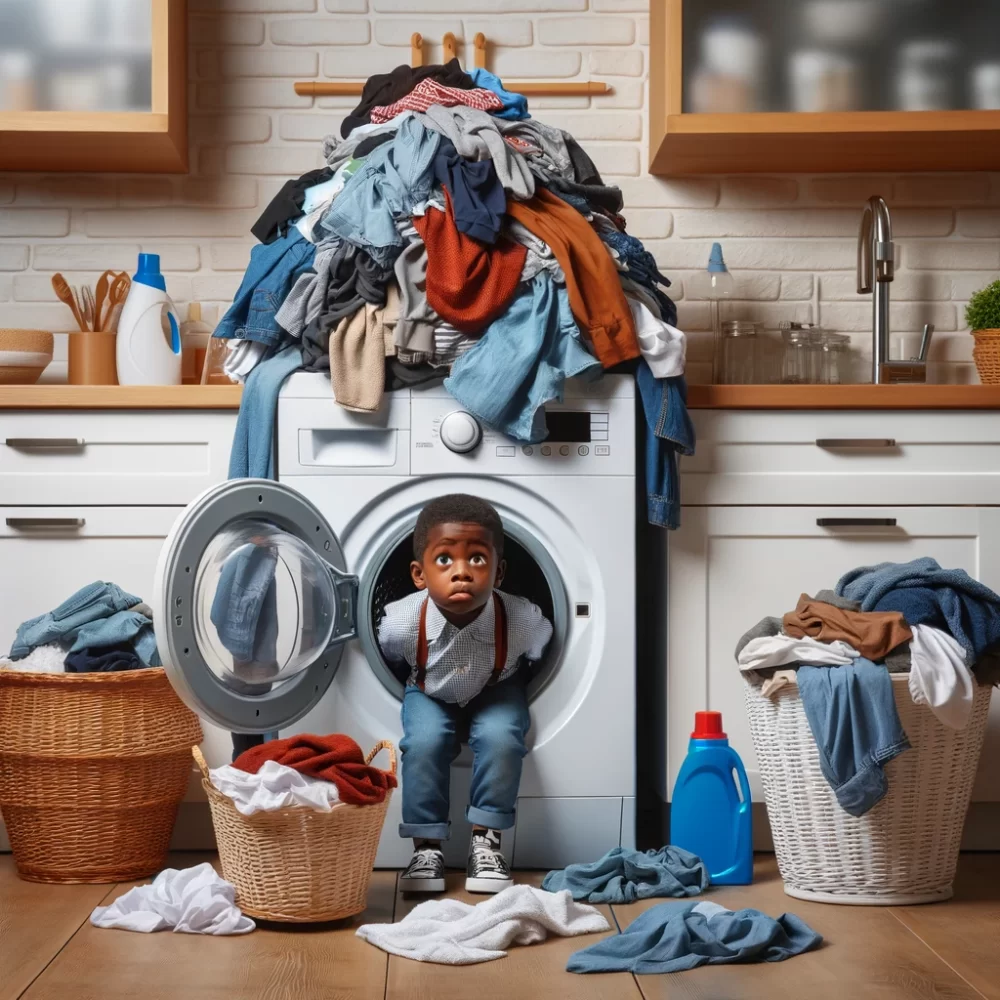
11. The Curious Case of Overloaded Washing Machines

overloaded washing machine

An overloaded washing machine can break down, leading to costly repairs. Teaching kids about laundry basics can prevent such mishaps and instill responsibility.

12. Accidental Online Purchases

accidental online purchase

With just a few clicks, kids can accidentally make purchases online. Setting up parental controls and monitoring their internet usage can prevent these surprise expenses.

13. Water Wastage Woes

wasting water

Leaving taps running or playing with water can lead to high utility bills. Educating kids about water conservation is crucial in today’s environmentally conscious world.

14. Lost or Broken Glasses

broken glasses

Glasses are expensive, and kids often lose or break them. Teaching kids the importance of taking care of their belongings is a valuable lesson.

15. School Supply Squander

school supplies

Kids can be careless with school supplies, leading to frequent replacements. Teaching them to value and care for their belongings is important.

16. Forgotten Library Books

Library Books

Library fines for overdue or lost books can add up. Encouraging kids to be organized and responsible for their borrowings can save money.

17. The Forgotten Lunch

forgotten lunch bag

Forgetting a packed lunch at home means buying lunch at school, which can be more expensive. Creating a morning routine can help in remembering all the essentials.

18. The Sticky Fingers Phase

child stealing

Whether it’s unintentional or a phase of exploration, kids sometimes take things that don’t belong to them. Teaching them about honesty and the value of property can prevent uncomfortable situations and potential restitution costs.

Invaluable Teaching Moments

teaching moment

While these “stupid” things can be frustrating and sometimes costly, they offer invaluable teaching moments for both parents and children. Each mishap is an opportunity to instill responsibility, creativity, and respect for property and others.

Have you experienced any of these situations with your kids? Share your stories and how you turned them into teaching moments in the comments below.

Tamila McDonald
Tamila McDonald

Tamila McDonald is a U.S. Army veteran with 20 years of service, including five years as a military financial advisor. After retiring from the Army, she spent eight years as an AFCPE-certified personal financial advisor for wounded warriors and their families. Now she writes about personal finance and benefits programs for numerous financial websites.

Filed Under: Money and Finances Tagged With: accidental online purchases, art supplies, broken eye glasses, broken window, swimming tech, writing on walls

13 Parenting Guidelines That Don’t Apply to Grandparents

January 20, 2024 | Leave a Comment

Grandparents and Grandkids

In a world where parenting styles are continuously evolving, grandparents often find themselves in a unique position. They have the joy of spending time with their grandchildren without the full array of responsibilities that parents face. Here are 13 parenting guidelines that, surprisingly, don’t apply to grandparents, offering a fresh perspective on the grandparent-grandchild relationship.

1. Strict Bedtimes: A Flexible ApproachStaying up late

While parents often enforce strict bedtimes to ensure proper rest and routine, grandparents are known for being a bit more lenient. This flexibility allows for special moments, like late-night storytelling or stargazing, creating cherished memories. However, it’s crucial to balance this with the child’s overall routine and well-being.

2. Tech-Free Zones: Introducing Retro Fun

Tech Free Zone

In a bid to limit screen time, many parents create tech-free zones. Grandparents, however, can use this opportunity to introduce grandchildren to the joys of the past. Activities like building model airplanes, knitting, or exploring vintage board games not only provide a break from screens but also offer a window into the grandparent’s childhood, fostering a deep generational connection.

3. Constantly Saying “No”: The Power of Yes

YES

Parents often have to be the enforcers of rules, which means saying “no” to their children’s many requests. Grandparents can afford to say “yes” more often, indulging in small treats or activities that parents might not. This can create a sense of adventure and spontaneity.

4. Strict Diet Regimen: Culinary Adventures

Culinary Delights Cake

Parents today are incredibly conscious about their children’s diets, focusing on organic and balanced meals. Grandparents might occasionally bend these rules, introducing grandchildren to traditional family recipes or special treats, thus sharing cultural heritage and culinary joy.

5. Rigorous Daily Schedules: Embracing Spontaneity

Embracing Spontaniety

Parents’ lives often revolve around meticulously planned schedules. Grandparents have the liberty to be more spontaneous, turning an ordinary day into an unexpected adventure. Whether it’s a surprise trip to the zoo or an impromptu picnic, these experiences can be thrilling for grandchildren.

6. Overemphasis on Structure: The Joy of Unstructured Play

Unstructured Play

While parents focus on structured activities and educational play, grandparents often emphasize the importance of unstructured play. This approach encourages creativity, imagination, and the development of social skills in a more relaxed setting.

7. High Academic Expectations: Emphasizing Fun Learning

Fun Learning

Parents are understandably concerned about academic performance and often emphasize structured learning. Grandparents, however, can create a fun and stress-free learning environment, where education is about exploration and discovery, not just grades and achievements.

8. Limited Indulgences: Special Treats and Rewards

Special indulgences

Parents have to be cautious about not over-indulging their children, but grandparents are in a position to offer special treats and rewards. This doesn’t mean spoiling the child, but rather making their time with grandparents extra special.

9. Consistent Discipline: A Softer Approach

Softer approach

While consistent discipline is crucial in parenting, grandparents might adopt a softer approach. This doesn’t undermine parental authority but offers a different type of support and understanding, often valuable for a child’s emotional growth.

10. Emphasis on Safety: Balanced Risk-Taking

Balanced Risk Taking

Parents are naturally protective, often prioritizing safety in all activities. Grandparents, while still ensuring safety, might encourage balanced risk-taking, like trying a new sport or activity, fostering independence and confidence.

11. Digital Detachment: Embracing Tech Connections

Tech Connection

In a bid to keep children grounded, parents might limit tech usage. Grandparents, especially those living far away, often use technology to stay connected, embracing video calls, and even social media to bridge the distance.

12. Always Being the Teacher: Learning from Grandchildren

Learning from grandchildren

Parents often find themselves in the role of the teacher. Grandparents, however, have the unique opportunity to learn from their grandchildren, staying updated with new trends, ideas, and perspectives, which keeps the relationship dynamic and reciprocal.

13. Emphasis on Independence: Fostering Self-Reliance

Parents often take a hands-on approach to guide and protect their children in every aspect of life. Grandparents, however, may take a step back, allowing grandchildren to explore their independence in a safe and supportive environment. This might manifest in activities like allowing the grandchildren to plan a day out, make simple decisions about meals, or manage small amounts of money during shopping trips. This approach not only boosts the grandchildren’s confidence and decision-making skills but also gives them a sense of responsibility. Grandparents, through their wisdom and experience, can provide a safety net while encouraging a healthy degree of autonomy.

Contrast to Parents

Contrast to Parents

The role of grandparents in a child’s life offers a contrast to that of parents. While it’s important to respect the parents’ rules and guidelines, the differences in approach can enrich the lives of grandchildren, providing them with a broader, more diverse experience. Remember, the bond between grandparents and grandchildren is special and should be cherished.

Share your own experiences or thoughts on how grandparents play a different role in children’s lives in the comments below.

Tamila McDonald
Tamila McDonald

Tamila McDonald is a U.S. Army veteran with 20 years of service, including five years as a military financial advisor. After retiring from the Army, she spent eight years as an AFCPE-certified personal financial advisor for wounded warriors and their families. Now she writes about personal finance and benefits programs for numerous financial websites.

Filed Under: Parenting Tagged With: Embracing Spontaneity, fun learning, indulgences, learning from grandkids, staying up late

14 Profitable Stay-at-Home Mom Jobs Online (That Are Worth Your Time)

December 14, 2023 | Leave a Comment

stay-at-home mom jobs onlineIf you dream of staying home with your kids and want to work from home, then it’s likely your finances will make a significant change. That’s only natural, but planning ahead as you search for stay-at-home mom jobs online can be crucial to a successful transition.

I made that switch in 2015, launching my own part-time freelance writing business. I have two young children under my care and work 12 to 15 hours a week earning $1,500 to $2,500 per month. None of this just happened, so the last thing you’ll hear from me is that it’ll be easy.

But if your goal is to stay home, and your whole family is willing to put in the sacrifices and commitment, then this dream can become a reality.

14 Cash-Generating Stay-at-Home Mom Jobs Online

I write in the personal finance and work-at-home mom niches multiple times each week, so I’ve got an ongoing list of places that pay you to work at home.

You’re likely tired of hearing bloggers promise quick six-figure success as a work-at-home mom because that’s simply not the norm. I’m also not going to talk about taking surveys because those require large quantities of time and typically generate a few gift cards each month.

Where to begin?

You may need to start with something in your field of interest that doesn’t generate the ultimate income you’d like. Just getting your foot in the door and starting up that experience is so important.

Let’s take a look at these job opportunities for SAHMs:

Remote work for companies

Every year, Forbes publishes a top 100-list of companies offering remote jobs. To ensure they bring you the most valuable information, they study the current marketplace, job trends, and validity of these companies. If your skills lie in one of these industries, check out Forbes’ list of potential remote jobs:

  • Computer and Information Technology
  • Medical and Health
  • Government
  • Finance
  • Customer Service
  • Education
  • Training
  • Sales

A lot of these jobs can make up to $60,000 salary per year – which a lot of people consider the minimum needed for a healthy fulfilling life.

Virtual Assistant

If you have a knack for organization and administrative duties, then you’ve got the potential to make serious cash as a virtual assistant. Seriously, this is a stay-at-home mom’s bread and butter. So many online entrepreneurs have irons in the fire and need help running the many details of their business. Some responsibilities for a virtual assistant might include:

  • Answering emails
  • Scheduling appointments
  • Managing invoices
  • Managing blog content
  • Sharing content on social media
  • Designing graphics

What can you earn? According to Payscale.com, virtual assistants earn anywhere from $10 to $28 per hour. Your hours are very flexible and the work is remote, so you can conduct all of your business from the comfort of your home.

Alternate VA Jobs

  • Social Media Manager – Average annual salary according to Payscale.com: $47,472.
  • Graphic Designer – Average annual salary according to Payscale.com: $41,764.

Freelance Writer

Got a gift with words? Hundreds of sites hire writers to create relatable and informative content for their blogs. For example, here are 28 parenting magazines and blogs that pay contributors. If you’re a mom, then take a look at what’s being published on those sites and see if something inspires you to tell your own story.

Another great way to get started is by Googling your field of interest + “write for us.” Some writing niches include:

  • Nutrition
  • Adoption
  • Personal Finance
  • Organization
  • Marriage
  • Travel
  • Fashion

What can you earn? When I started my freelance writing business in 2015, I earned peanuts while I learned the ropes. That changed as my skills and quality of writing improved. According to Payscale.com, most writers earn $10 to $58 per hour. I speak from experience when I say that pay scale is totally accurate.

Alternate Writing Jobs

  • Proofreader – $11 to $30 per hour
  • Transcriber – $9 – $25 per hour
  • Blogger – You won’t likely generate an income with your blog right away. But some very profitable ways to monetize are: Ads, affiliate sales, sponsored posts, and selling your own products. There several good instructions for how to get started – one good site to read is here.

One of the most profitable affiliate niches is in online trading, you can easily become an affiliate by visiting a broker’s site like this one.

Teach via Video

Do you have a specific skill you can teach to others, like how to sing? Perhaps you’d like to educate others in your area of work experience like how to file your taxes, become a photographer, or give a speech.

For example, one of my daughter’s favorite things to do is draw. When she was three and couldn’t draw more than a stick figure, we found a YouTube channel called “Art for Kids Hub” where easy-to-follow drawing tutorials are published every day.

By the end of my daughter’s first lesson, she’d drawn her very first robot. Since then, she’s filled a notebook, cover to cover, with drawings from this YouTube channel.

Watch the tutorial: How to Draw a Cartoon Robot

What can you earn? There is no definitive wage for educational videos. It’s all about creating your brand and giving your audience fantastic content every time. For example, Art for Kids Hub has more than 600,000 subscribers and receives millions of views on its tutorials. YouTube pays ad revenue per 1,000 clicks. Some YouTube educators make millions with their channels. Others break even. It’s all about getting eyes on your videos.

Alternate Online Teaching Jobs

  • Create a course – Selling a course on your website or Udemy.com can become a great passive income. Some courses are $10 and some are in the hundreds.
  • Become a coach – Teach people one-on-one in your field of expertise. For example, life coaches can earn anywhere from $11 to $120 per hour according to Payscale.com.

Online Shop Owner

Can you create a product and sell it online? Etsy and Shopify are two great platforms for this. Product ideas include:

  • Jewelry (earrings for men, men’s leather bracelets)
  • Customized T-shirts
  • Hand-Crafted Decor
  • Calligraphy
  • Baby/Kids Accessories

What can you earn? The income scale is difficult to measure due to the vast array of business possibilities. Here is one company that earns $70,000 per month selling on Etsy. You’ll need to know how much time it takes to create each product and to price them accordingly. Online marketing plays a huge role here, too. It’s likely a competitive market.

Flipper for online garage sales

Online pickers are getting better and better at finding hidden gems in garage sales, on eBay, and on social media. If you can spruce up a worn down cabinet or reupholster a chair, you may be able to upsell those items for a nice profit.

What can you earn? One woman I interviewed said she bought some old clay bowls in a Facebook buy, sell, and trade group. She purchased them for $0.50 to $1, then cleaned them up and added a fresh coat of paint. They sold for $15 to $20 each.

Direct sales/MLM online

If there is a product you believe in and want to become a consultant from home, then online is the ideal marketplace for you. Products like LuLaRoe, Norwex, or Young Living sell best through the power of word of mouth. Where is everybody talking these days? Facebook.

One word of caution: This is a heavily saturated marketplace. Don’t annoy your friends. If you believe in your product, then get out there and talk your heart out, but do so in a tasteful and non-aggressive way when it’s very likely your friends have been “pitched to” by others from the same company before.

What can you earn? Each company will tell you the earning potential for contributors. That information is not disclosed online. There is typically an upfront investment to acquire the merchandise, then a set timeframe in which you need to sell a certain amount of product. Bonuses may be issued if you exceed these goals.

What’s my next step?

1. Find like-minded stay-at-home moms in the same fields of interest. Getting real-life feedback on what these jobs are like is crucial to understanding how you’ll build your business.

For example, if you want to blog, join blogging groups on Facebook. If you want to sell LuLaRoe, pick a consultant’s brain. Follow websites or social media celebrities that talk about the topic you’re interested in.

2. Financially prepare for this transition. The #1 reason I was able to launch an at-home business was because of the financial steps my husband and I took before my business launched. How could I run a business when we couldn’t run our budget? How could I quit my full-time job while I spent the time it took to develop my career at home when we owed thousands of dollars in debt?

Our very imperfect journey had many ups and downs, but we overcame the lion’s share of those financial hurdles. Today, we are debt-free minus the mortgage and comfortably live on my husband’s modest income while we use mine to save for emergencies, traveling, and paying extra on the house.

Your Turn: If you could work from home doing something you enjoy, what would it be? Share with us below!

This post contains affiliate links.

Are you a stay-at-home mom? Check out these bonus resources created just for you!

  • 10 Steps to a Successful Stay-at-Home Mom Budget
  • How to Afford Your Dream of Becoming a Stay-at-Home Mom
  • 13 Ways for Stay-at-Home Moms to Save Money
  • Loans for Stay-at-Home Moms – What Are YOUR Options?
  • The SAHM Budget Test: How to Afford to Be a Stay-at-Home Mom

Filed Under: Books and Reading, Home and Living, Money and Finances Tagged With: at-home business, earn money from home, how to make money online, stay-at-home mom jobs online, work-at-home mom

« Previous Page
Next Page »
  • Facebook
  • Pinterest
  • RSS
  • Twitter
Best Parenting Blogs

Most Popular

Baby Girl

12 “Grandma” Baby Names That Are Suddenly Cool Again

Evan Morgan
Baby

9 Baby Names That Sound Rare Without Being Hard to Spell

Evan Morgan
Target Store

Choking Incident Prompts Recall of 49,000 Target Gigglescape “Under the Sea” Popping Toys

Evan Morgan
Frustrated Girl

Why Some Students on the Spectrum Are Labeled With ODD

Evan Morgan
Coke Bottles

12 Things Kids Took to School in the ’70s That Would Never Be Allowed Today

Evan Morgan

All content on Kids Ain’t Cheap is for entertainment purposes only. By reading this blog, you agree that Kids Ain’t Cheap is not responsible for any actions taken after reading this blog. For the full disclaimer, see our privacy policy.

Please note that Kids Ain’t Cheap has financial relationships with some of the merchants mentioned here. Kids Ain’t Cheap is funded by banner advertising, commission sales and search optimization consulting.

Copyright © 2006–2026 | District Media | All Rights Reserved | Privacy Policy

Copyright © 2026 Runway Pro Theme by Viva la Violette