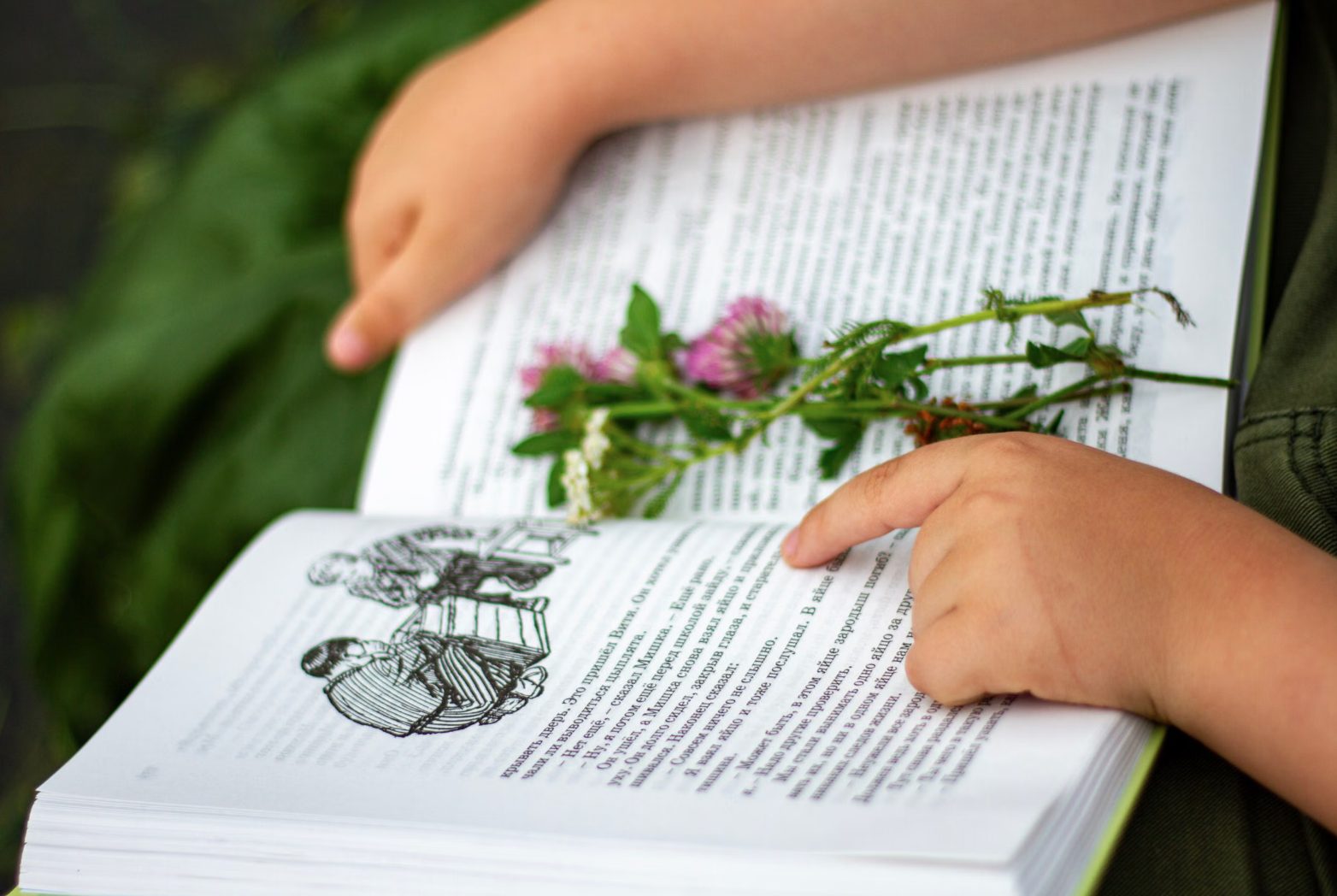
Every child deserves the chance to experience the joy of reading, yet millions of children with print disabilities face barriers that make traditional books difficult or impossible to access. A print disability can include blindness, low vision, dyslexia, cerebral palsy, or other physical conditions that make holding or reading printed text challenging. Fortunately, technology and nonprofit organizations have made accessible reading easier than ever through high-quality, free digital resources. If you’re looking for free reading resources for children with print disabilities, these six options can help build literacy, confidence, and a lifelong love of books.
1. Bookshare Opens the Door to More Than One Million Accessible Books
Bookshare is one of the most comprehensive resources available for children with print disabilities. Eligible U.S. students can access more than 1.4 million ebooks, textbooks, and children’s titles at no cost, with features like synchronized text highlighting, audio narration, adjustable fonts, and digital braille support. A child with dyslexia can listen while following highlighted text, improving decoding and comprehension over time. Parents appreciate that books can be read on computers, tablets, smartphones, and compatible assistive devices. For qualifying students, it remains one of the best free reading resources for children with print disabilities.
2. Unite for Literacy Makes Reading Accessible for Early Learners
Unite for Literacy offers hundreds of free digital picture books for young readers. The books include colorful photographs, simple language, and narration in more than 50 languages. Families can begin reading immediately without creating an account or downloading software. Children who struggle with printed text often enjoy listening while viewing engaging images. This combination helps build vocabulary and encourages independent reading.
3. Tar Heel Reader Supports Emerging Readers of All Abilities
Tar Heel Reader provides thousands of easy-to-read books designed for beginning readers and individuals with disabilities. Many books include speech output, simple layouts, and predictable sentence patterns that reduce frustration. Teachers and speech-language pathologists regularly use the platform because content can be adapted for different learning needs. Children using augmentative and alternative communication can participate more actively in reading activities. This flexibility makes Tar Heel Reader one of the most practical free reading resources for children with print disabilities.
4. Storyline Online Brings Books to Life Through Read-Aloud Videos
Storyline Online features popular children’s books read aloud by well-known actors while illustrations are displayed on screen. Listening to fluent reading helps improve vocabulary, pronunciation, and comprehension. Parents can pause videos to ask questions and discuss the story together. Although it is not designed exclusively for children with disabilities, it works well alongside assistive technology. It is an excellent supplement to other accessible reading tools.
5. International Children’s Digital Library Expands Global Reading Choices
The International Children’s Digital Library offers a diverse collection of free children’s books from around the world. Families can explore stories representing different cultures, languages, and traditions. Many books work well with screen magnifiers and other assistive technologies. Parents may discover stories reflecting their family’s heritage while supporting literacy development. International literature broadens children’s understanding of the world while encouraging reading.
6. Project Gutenberg Offers Timeless Children’s Classics at No Cost
Project Gutenberg provides thousands of public-domain books that can be downloaded in multiple digital formats. Older children using screen readers or text-to-speech software can enjoy classic literature without cost. EPUB and plain-text files can often be customized to meet accessibility needs. Although the library focuses on classic books instead of recent releases, it remains an excellent educational resource. Pairing these titles with accessible reading software creates a personalized reading experience.
Every Child Deserves Access to Great Stories
Finding the right reading tool can transform frustration into confidence for a child with a print disability. Whether your family chooses Bookshare, Unite for Literacy, Tar Heel Reader, or another resource, each platform helps remove barriers to learning. Combining multiple resources often provides the best experience based on your child’s needs and interests. As technology continues to improve, free reading resources for children with print disabilities are becoming even more accessible.
Which of these resources has helped your family the most, or do you have another recommendation? Share your thoughts in the comments and help other parents discover valuable reading tools.
What to Read Next
Sign This? 10 Things Never to Sign for Your Child Without Reading
6 Methods to Instill a Love of Reading in Your Child
8 False Myths About Reading That Could Keep Kids from Books

Evan Morgan has been a full-time freelance writer and editor for 10+ years. When not working, he enjoys catching the latest true crime documentary or getting lost in a good book.
