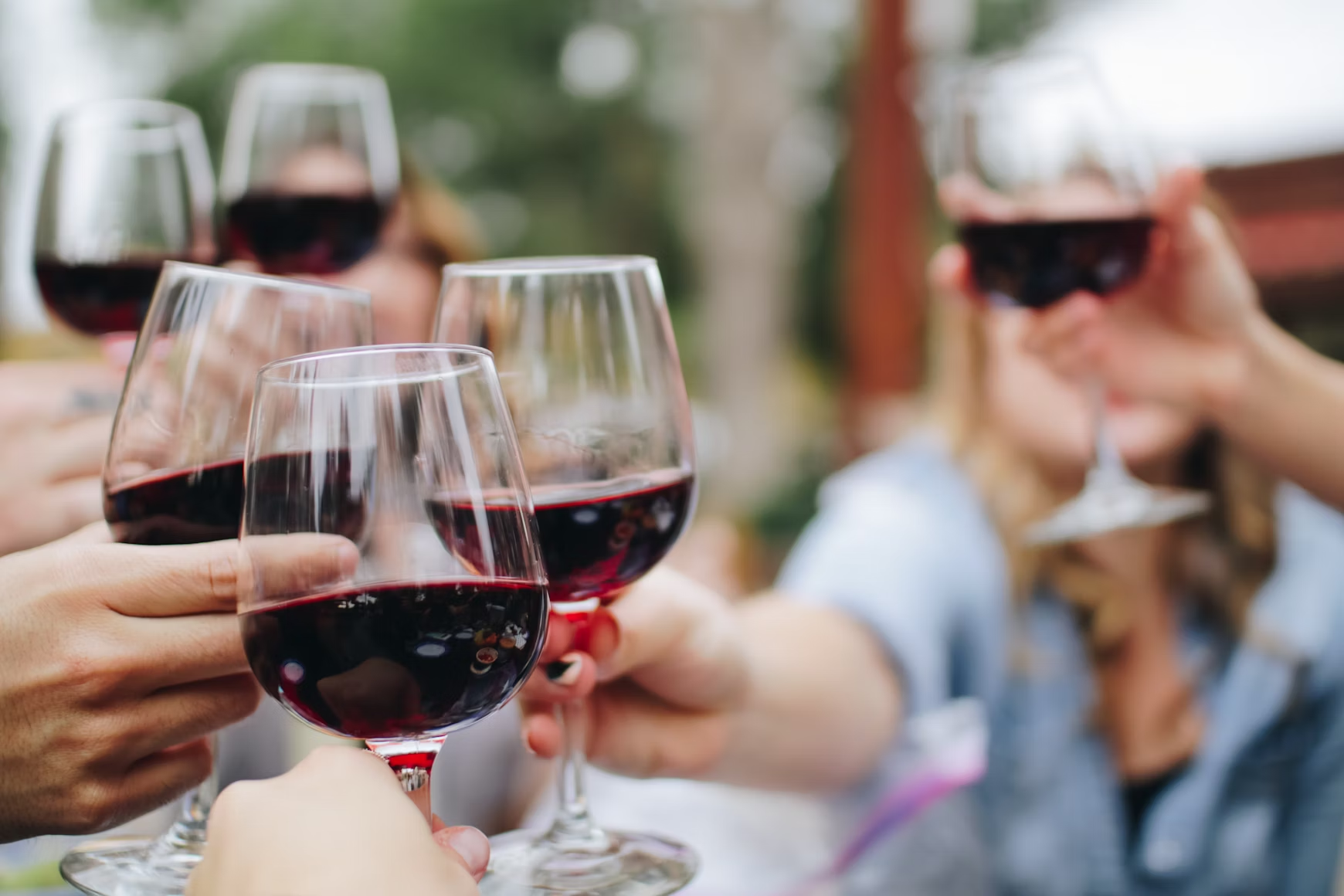
Glittery glasses labeled Mommy Juice. Instagram memes about needing Chardonnay to survive math homework. What began as tongue‑in‑cheek solidarity has quietly morphed into a normalized coping mechanism—and high‑risk drinking among women is climbing fast. Below, we unpack why the joke has gone too far and how parents can reclaim healthier stress‑relief strategies.
High‑Risk Drinking Among Women Is Skyrocketing
A landmark study in JAMA Psychiatry found high‑risk drinking among women jumped 58 percent between 2001 and 2013. Problem drinking rose more than 80 percent in the same window. These spikes parallel the rise of social‑media humor celebrating daily “wine o’clock.” While correlation isn’t causation, the timing signals a cultural shift worth examining.
The Culture Normalizes Binge Drinking
“Mom wine” jokes glamorize heavy pours and portray caregivers as perfectly functional—even heroic—while drinking. Addiction specialists warn that hiding behind humor delays recognition of unhealthy patterns and makes it harder to seek help before dependency sets in.
Alcohol as a Coping Strategy Worsens Mental Health
Self‑medicating with alcohol may provide a quick mood lift, but the science is clear: over time, it compounds exhaustion, anxiety, and depression. Alcohol fragments your sleep cycle, spikes next‑day cortisol, and disrupts hormones—fueling the very stress you hoped to escape.
The result is a vicious loop: drink to relax → sleep poorly → feel wired and anxious → reach for another glass.
Kids Notice More Than We Think
Children internalize how adults handle stress. Frequent jokes about “needing wine” risk teaching them that alcohol is essential for coping with everyday life. Long‑term research links parental drinking patterns to greater odds that children will experiment earlier—and more heavily—with alcohol themselves.
Social Media and Targeted Marketing Fan the Flames
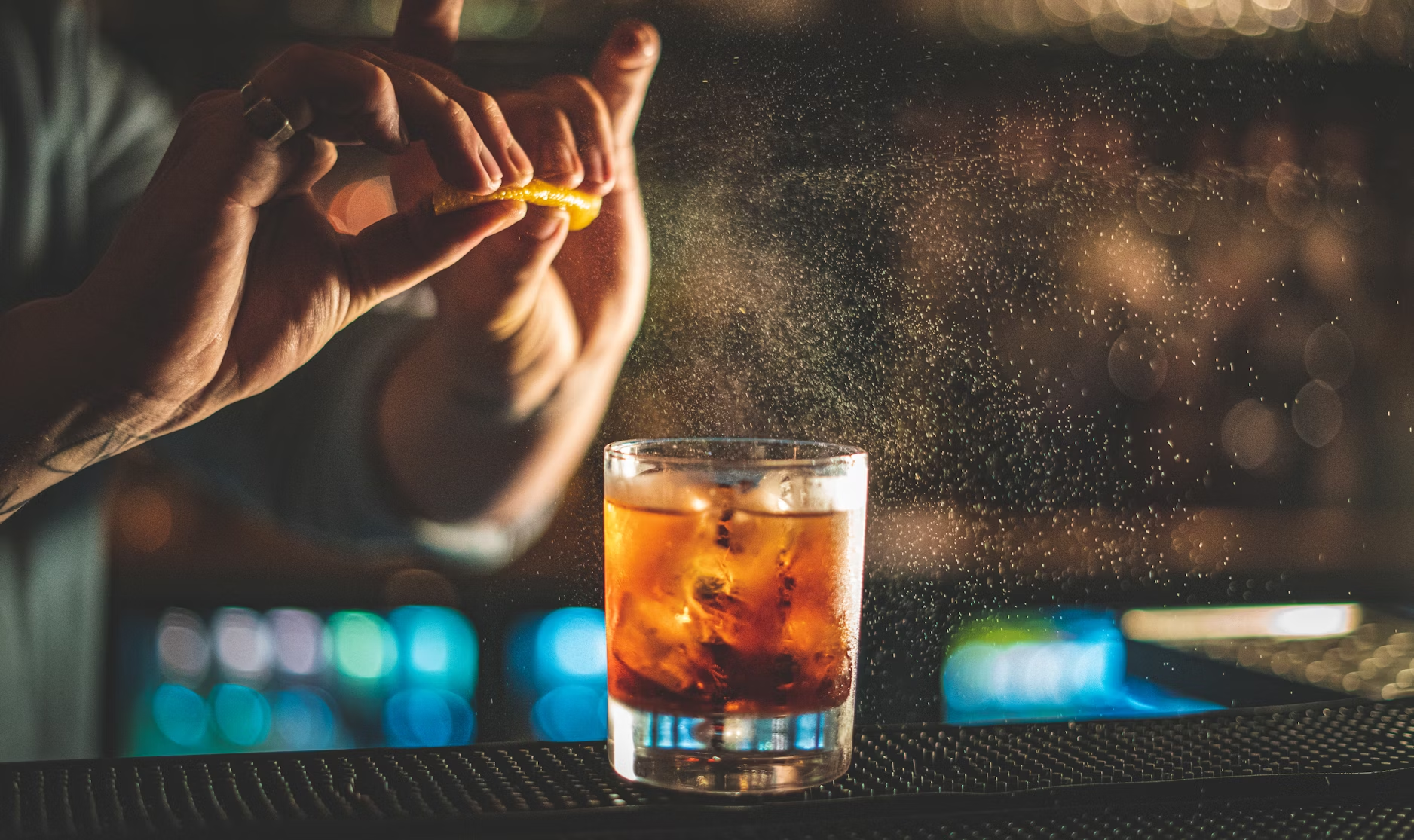
Alcohol companies market pastel cans, “slim” cocktails, and hashtags like #MomJuice to position drinking as a reward for maternal sacrifice. The result? A feedback loop where marketing, memes, and peer pressure frame alcohol as both fashionable and harmless.
Recognizing When Wine‑O’Clock Crosses the Line
Ask yourself:
- Frequency: Do wine jokes (and drinks) show up nightly?
- Quantity: Are pours creeping larger, or is that “one glass” actually half a bottle?
- Mood Dependence: Does a tough day automatically trigger the thought I deserve a drink?
- Secrecy: Are you hiding bottles, under‑reporting consumption, or bristling at concern from loved ones?
- Functioning: Are morning headaches, irritability, or foggy focus impacting work or parenting?
If you nodded to several points, it might be time to reset your relationship with alcohol.
Why Women Are Uniquely Vulnerable
- Biology: Women metabolize alcohol differently; the same number of drinks raises blood‑alcohol levels faster and causes more liver and heart damage.
- Marketing: Brands pitch low‑calorie “health‑conscious” cocktails, blurring the line between wellness and drinking culture.
- Mental Load: Juggling childcare, careers, and household management heightens chronic stress—fertile ground for habitual coping behaviors.
- Stigma of Help‑Seeking: Social pressure to “do it all” keeps many mothers from admitting they’re struggling.
Healthier Ways to De‑Stress
| Swap the Wine For | How It Helps |
| 10‑minute walk or stretch | Lowers cortisol and boosts mood naturally |
| Group text with honest venting | Provides connection without hangovers |
| Guided meditation app | Calms racing thoughts in 5 minutes |
| Mocktail or herbal tea ritual | Keeps the “pause and sip” habit minus the alcohol |
| Short therapy check‑ins | Offers professional tools to manage overwhelm |
Rewriting the Narrative
“Mom wine culture” may have started as harmless humor, but normalizing alcohol as the default coping tool risks real harm. True self‑care comes from rest, supportive community, and honest conversations—not the bottom of a glass. By modeling healthier habits, parents protect both their own well‑being and the example they set for their children.
Have you felt pressured to join in #MommyJuice jokes? What sober‑friendly strategies help you unwind? Share your story in the comments—let’s swap real support for punchlines.
Read More

Samantha Warren is a holistic marketing strategist with 8+ years of experience partnering with startups, Fortune 500 companies, and everything in between. With an entrepreneurial mindset, she excels at shaping brand narratives through data-driven, creative content. When she’s not working, Samantha loves to travel and draws inspiration from her trips to Thailand, Spain, Costa Rica, and beyond.
