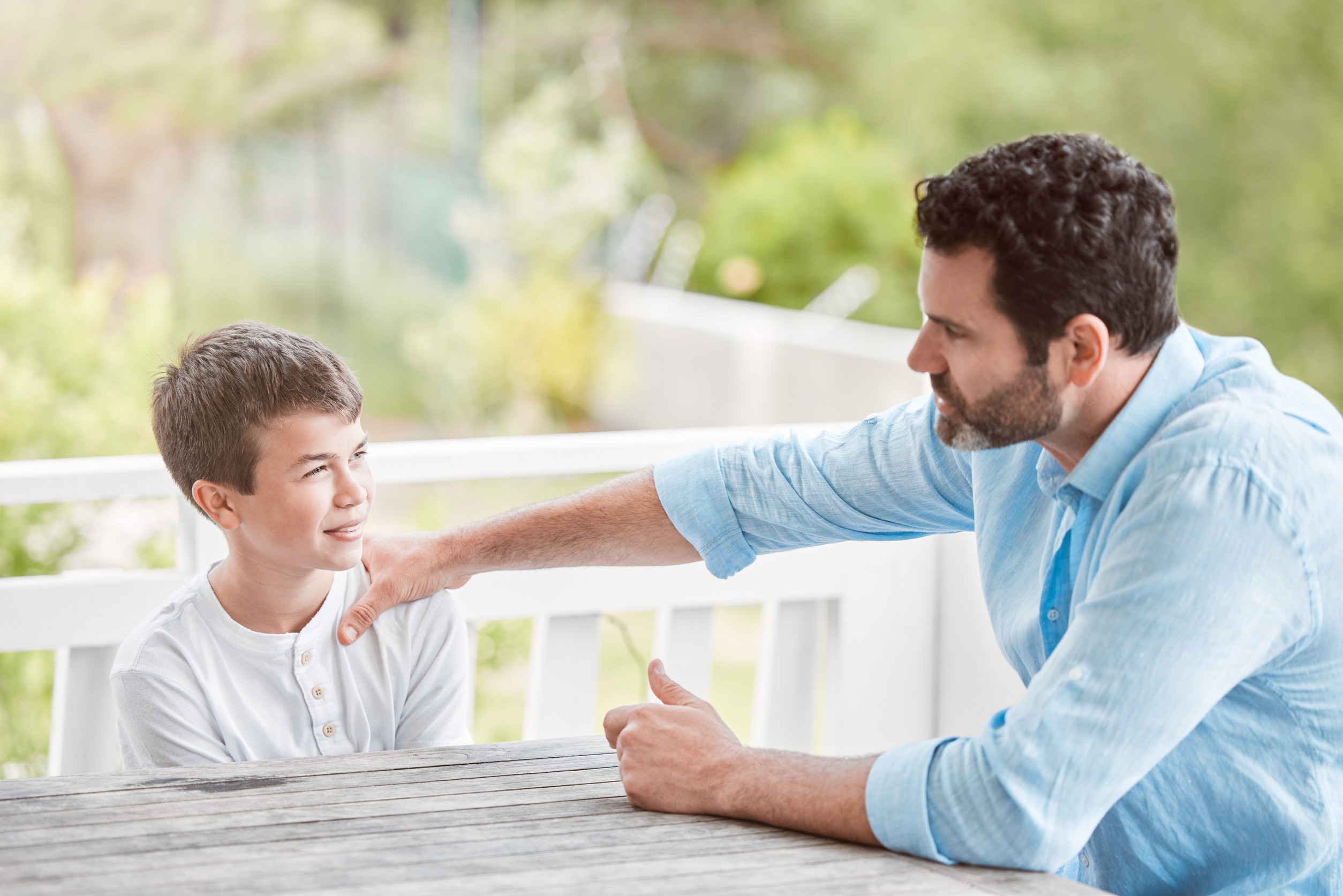
Parents aren’t perfect – and no one expects them to be. But many adults still hesitate when it comes to admitting fault, especially to their own kids. Maybe it feels like a loss of authority or like you’ll lose respect if you let your guard down. In reality, apologizing to your child builds trust, shows strength, and teaches accountability far better than lectures ever could. Kids learn what they live, and a parent who owns their mistakes sets the stage for emotionally healthy relationships in the future.
Here are six powerful moments when a genuine apology isn’t just appropriate – it’s essential.
1. When You Lose Your Temper
We all have our breaking points. Whether it’s after repeating the same request five times or cleaning up yet another spilled drink, even the most patient parents can explode. But yelling, snapping, or using harsh language often leaves kids confused, hurt, or scared – especially if the reaction feels bigger than the mistake. Taking a deep breath, calming down, and saying, “I’m sorry I yelled. I was overwhelmed, and I shouldn’t have taken it out on you,” can instantly shift the tone. It teaches your child that emotions are real but should be handled with care.
2. When You Break a Promise
Kids don’t forget broken promises – especially when it’s something they were looking forward to. Maybe you promised a trip to the park or said you’d be at the school play and couldn’t make it. Life happens, but what matters is how you follow up. A heartfelt apology that acknowledges the disappointment goes a long way in healing the hurt. Apologizing to your child in this situation reminds them that their feelings matter, even when plans change.
3. When You Embarrass Them
It might seem harmless to tell a funny story or tease your child in front of others – but kids can feel exposed and humiliated, especially as they get older. What feels like lighthearted joking to you might sting them deeply. If your words or actions made them feel small, it’s worth apologizing sincerely and taking their embarrassment seriously. Try saying, “I thought it was funny, but I see now it upset you. I’m sorry – I’ll be more careful.” Respecting their boundaries strengthens your connection and builds mutual respect.
4. When You Blame Them Unfairly
Sometimes, parents make snap judgments. Maybe you assumed your child broke something, lost an item, or started an argument – only to find out later they didn’t. It can be tempting to move on quickly, but your child deserves a clear apology. Saying, “I was wrong to blame you without knowing the full story. I’m really sorry,” models accountability and fairness. It also helps rebuild your child’s sense of trust that you’ll listen and see them clearly next time.
5. When You Dismiss Their Feelings
Saying things like “You’re fine,” “Stop being dramatic,” or “It’s not a big deal” might shut down a meltdown – but it also shuts down your child’s emotional world. Even if their reaction seems over the top, those feelings are real to them. Dismissing emotions teaches kids to bottle things up instead of working through them. An apology such as, “I’m sorry I didn’t take you seriously earlier. I want to understand how you’re feeling,” reopens the door to connection. Kids who feel heard are less likely to act out.
6. When You Expect More Than They Can Handle
Kids aren’t mini-adults – they’re learning, growing, and doing their best. Sometimes we forget that and expect them to manage responsibilities or emotions beyond their current abilities. If you’ve snapped because they didn’t “act their age” or pushed them too hard, it’s time for reflection and a real apology. A simple, “I’m sorry I expected too much from you. Let’s work through it together,” can bring healing and clarity. Apologizing to your child in these moments shows you’re paying attention to their individual needs and growth.
Apologies Don’t Weaken Authority – They Build Respect
Many parents fear that apologizing undermines their role. In truth, it does the opposite. Owning your mistakes makes you more trustworthy, not less. Kids who see adults take responsibility are more likely to do the same, which leads to fewer power struggles, better communication, and stronger emotional intelligence over time. At the heart of every genuine apology is love, humility, and the understanding that parenting is a relationship – not a power trip.
Have you ever had to apologize to a child? What was the moment – and how did it change things? Share your story in the comments below!
Read More:
10 Parenting Duties Most Moms and Dads Completely Underestimate
6 Times Parents Should Discipline in Public – Not Behind Closed Doors

Catherine is a tech-savvy writer who has focused on the personal finance space for more than eight years. She has a Bachelor’s in Information Technology and enjoys showcasing how tech can simplify everyday personal finance tasks like budgeting, spending tracking, and planning for the future. Additionally, she’s explored the ins and outs of the world of side hustles and loves to share what she’s learned along the way. When she’s not working, you can find her relaxing at home in the Pacific Northwest with her two cats or enjoying a cup of coffee at her neighborhood cafe.
