Remember the excitement of opening a birthday present and discovering the toy you had been begging your parents to buy? From Barbie dolls to Beanie Babies and Furby, certain childhood favorites became unforgettable parts of growing up. The most nostalgic toys tell fascinating stories about changing childhood trends, family spending, and the products that captured America’s imagination. Some remain popular today, while others have become treasured collectibles gathering dust in closets and attics.
The 1950s: Barbie Changes The Doll Industry
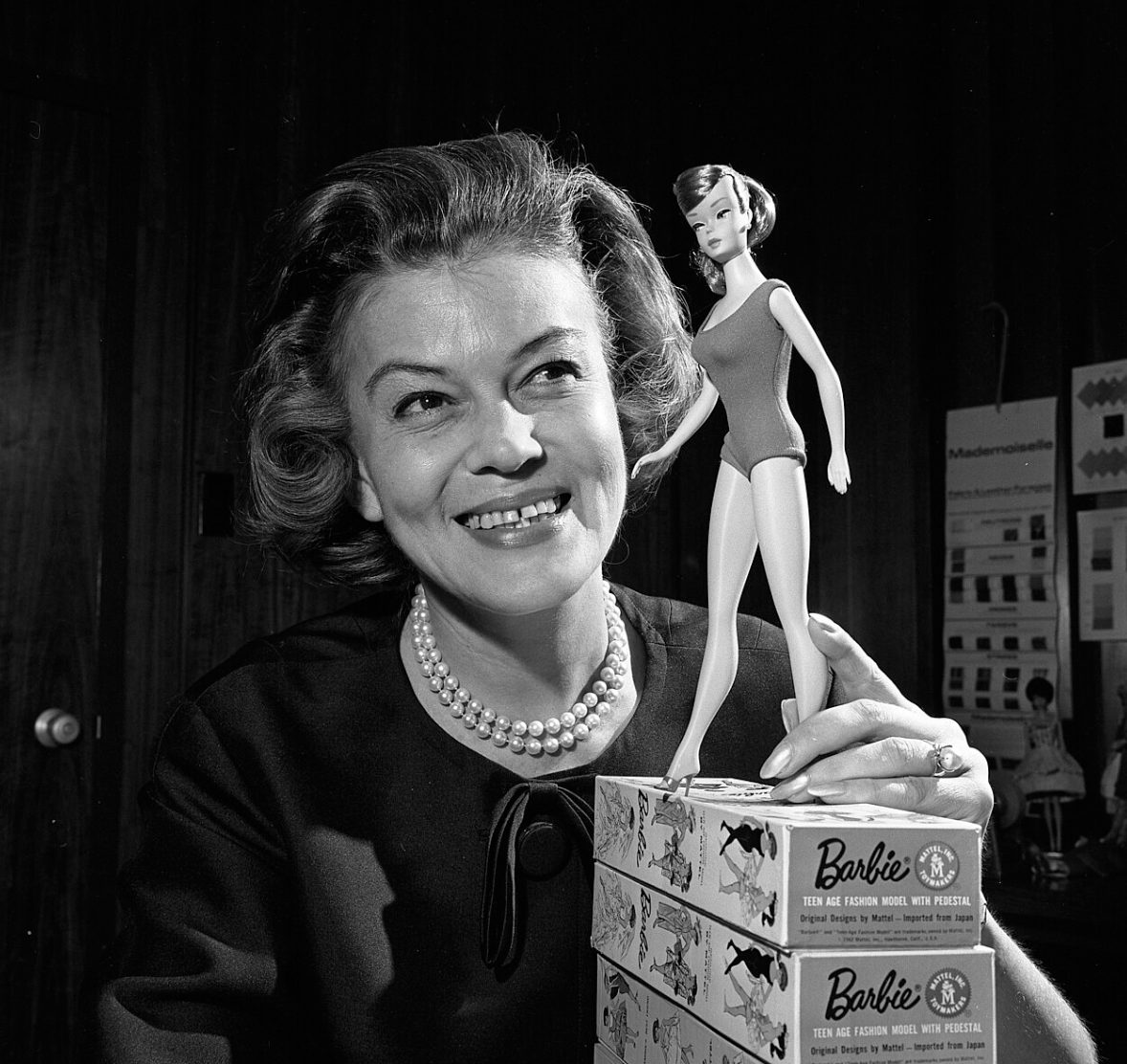
Barbie made her debut in 1959, introducing children to a fashion doll with an adult appearance and seemingly endless possibilities. Created by Ruth Handler, the doll offered an alternative to traditional baby dolls that encouraged pretend parenting. According to the National Toy Hall of Fame, Barbie quickly became a groundbreaking success in the toy industry. Children could imagine different careers, create elaborate wardrobes, and build entire stories around their dolls. More than six decades later, Barbie remains among the most nostalgic toys, connecting generations through a shared childhood experience.
The 1960s: Hot Wheels Races Into Childhood Memories
Hot Wheels arrived in 1968, giving children miniature cars designed for speed, style, and imaginative racing adventures. The original collection featured 16 models, including customized versions of popular American muscle cars. Kids spent hours building racetracks, organizing competitions, and arguing over whose car was fastest. Unlike larger toys requiring considerable storage space, these miniature vehicles were affordable collectibles that could fit inside a pocket. Today, collectors still search for original models, although age alone does not guarantee a valuable find.
The 1970s: LEGO Minifigures Bring Imagination To Life
LEGO bricks were already popular when the company introduced its recognizable minifigures in 1978. These small characters featured movable arms, legs, and hands, allowing children to create increasingly elaborate adventures. According to LEGO’s official history, the figures originally featured simple faces with two black dots and a smile. Children could transform ordinary brick constructions into bustling towns, castles, and imaginary worlds. Their lasting appeal makes LEGO figures some of the most nostalgic toys for families who still pass collections between generations.
The 1980s: Cabbage Patch Kids Spark Shopping Frenzies
Few toys captured the excitement of the 1980s quite like Cabbage Patch Kids. These distinctive dolls became especially popular during the 1983 holiday shopping season, when demand overwhelmed many retailers. Each doll came with its own name and adoption-themed paperwork, making ownership feel surprisingly personal. Parents sometimes visited multiple stores hoping to find one before Christmas morning. The craze demonstrated how limited availability and emotional appeal could transform an ordinary shopping trip into a nationwide phenomenon.
The 1990s: Beanie Babies And Furby Become Cultural Phenomena
The 1990s delivered some of the most nostalgic toys ever, including Beanie Babies, Furby, and Tamagotchi. Beanie Babies encouraged collecting through their distinctive names, heart-shaped tags, and frequently changing product selections. Furby debuted in 1998, combining electronic responses, animated movements, and its fictional language into an unusual interactive companion. According to Hasbro, more than 40 million Furbys were sold worldwide during the toy’s first three years. Meanwhile, Tamagotchi introduced millions of children to the responsibility of caring for a virtual pet that demanded regular attention.
The 2000s: Bratz Dolls And Digital Pets Redefine Playtime
The 2000s introduced a new generation of fashionable dolls, electronic companions, and increasingly interactive entertainment. Bratz dolls, launched in 2001, became recognizable for their oversized eyes, distinctive clothing, and fashion-focused personalities. Children collected outfits, accessories, and characters while creating their own stories around the dolls. Meanwhile, updated Tamagotchi devices expanded digital pet ownership with additional features and opportunities for interaction. These products reflected a growing connection between traditional imaginative play, personal style, and electronic entertainment.
The 2010s: Squishmallows Make Collecting Cuddly Again
Squishmallows debuted in 2017 and quickly attracted attention with their soft textures and distinctive character designs. Unlike traditional stuffed animals, these plush toys encouraged collectors to seek particular characters, sizes, and seasonal releases. Children enjoyed their comforting designs, while older collectors embraced the excitement of discovering new additions. Social media eventually helped transform certain characters into highly sought-after collectibles. Their popularity showed that even during an increasingly digital era, simple plush toys could still generate enormous enthusiasm.
The 2020s: Childhood Favorites Return With Modern Features
The 2020s have brought renewed interest in familiar toys alongside increasingly sophisticated interactive products. Furby returned in 2023 with updated features, including voice activation, movement, and colorful light effects. Barbie also continued evolving, with Mattel introducing its first autistic Barbie in January 2026. Meanwhile, Bandai Namco reported that cumulative worldwide Tamagotchi shipments reached 100 million units by July 2025. These developments demonstrate how established toy brands can attract younger audiences while reconnecting adults with childhood memories.
The Hidden Cost Of Collecting Childhood Favorites
Finding an old toy in storage might feel like discovering a forgotten treasure, but resale values vary considerably. A Beanie Baby advertised online for $500 is not necessarily worth that amount unless buyers actually pay it. Before selling, compare completed transactions rather than relying on ambitious asking prices. For example, a collector spending $100 on a supposedly rare toy could lose money if comparable items consistently sell for only $25. Original packaging, condition, authenticity, and genuine buyer demand matter more than nostalgic memories alone.
Why These Childhood Treasures Still Matter Today
The most nostalgic toys remind us that childhood memories often outlast the products themselves. From Barbie’s imaginative possibilities to Furby’s electronic personality, each generation developed its own unforgettable favorites. Today’s parents can introduce children to these classics without paying inflated collectible prices by choosing modern reproductions or affordable secondhand versions. Before throwing away an old collection, check its condition, research actual selling prices, and consider whether its sentimental value outweighs potential earnings.
Which childhood toy would you love to own again, and do you think today’s toys will inspire the same nostalgia decades from now? Share your memories in the comments.
What to Read Next
Bought Kids’ Toys From SHEIN or Amazon? Check These New Recalls Before Playtime
Choking Incident Prompts Recall of 49,000 Target Gigglescape “Under the Sea” Popping Toys
How Much Are You Really Paying for Developmental Toys?

Evan Morgan has been a full-time freelance writer and editor for 10+ years. When not working, he enjoys catching the latest true crime documentary or getting lost in a good book.
