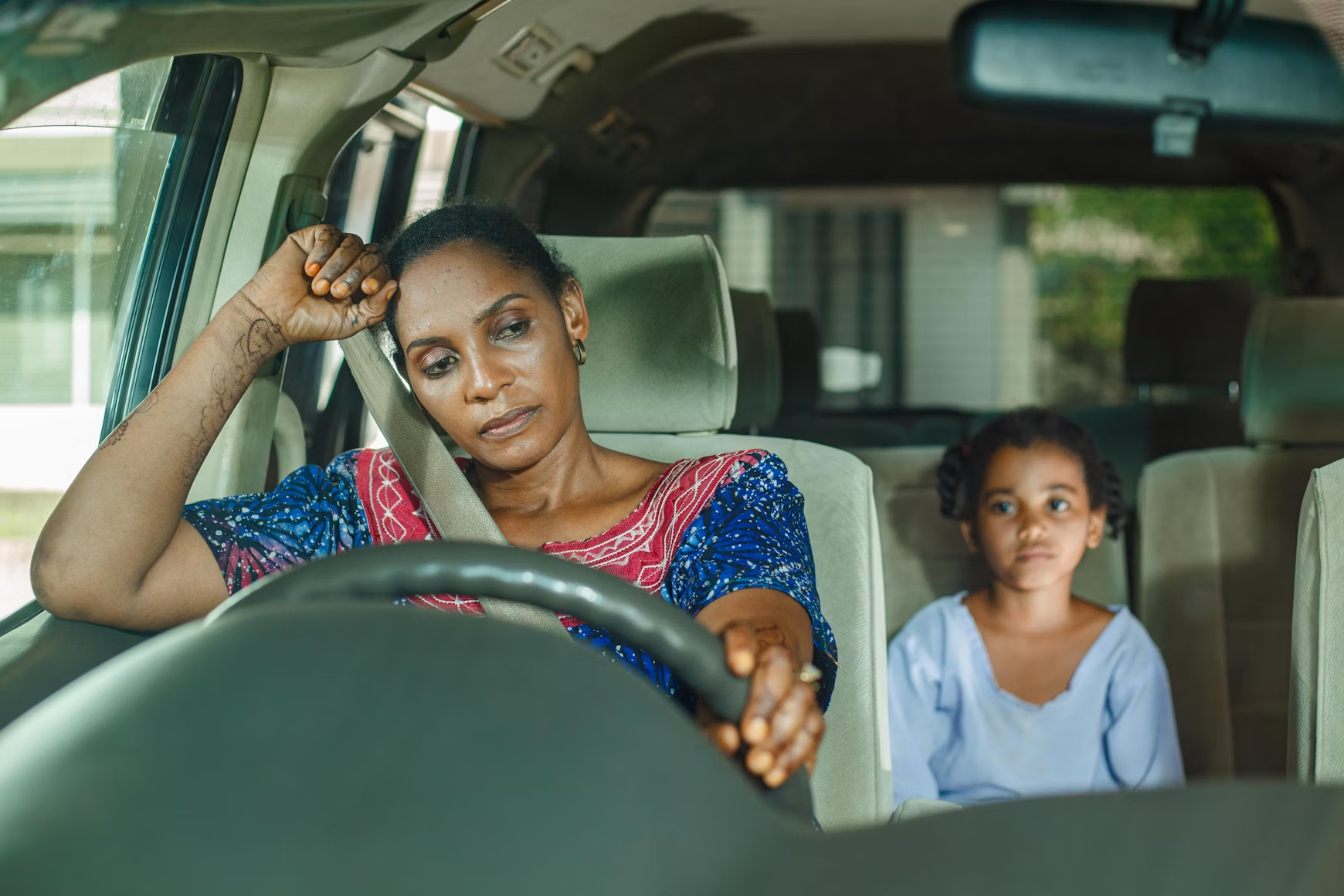
Let’s be honest—driving with kids in the backseat can sometimes feel like juggling fire while solving a math problem. You’re keeping one eye on the road, fiddling with the radio, and trying to ignore the snack debate happening behind you. Yet those everyday moments are precisely when your attention is most vulnerable. Certain behaviors in the car can turn an ordinary trip into a dangerous scenario within seconds. If you want car safety for kids to remain a top priority, here are eight things your children should never be allowed to do while you’re behind the wheel.
1. Demand Your Attention
It might feel harsh to momentarily ignore your child when they’re asking for something, but giving in to emotional demands mid-drive can drastically raise your accident risk. Splitting your attention, especially with tense or emotional requests, is a serious distraction. Experts in traffic safety emphasize how these interruptions slow reaction times, making accidents more likely. The fix? Establish expectations before starting the engine: let your child know you can’t give them your full focus until you’re safely parked.
Tip: If your kids are old enough, encourage them to write or draw what they need on a small pad. Once you’ve stopped, you can review and respond to their requests together.
2. Make Excessive Noise or Start Arguments
A sudden yelling match about who has the “wrong” water bottle can catch any parent off-guard. But loud noises and shouting matches aren’t just grating—they’re dangerous. They divert your focus from the road, which slows reaction times. Keep the atmosphere calmer by providing soft music, audiobooks, or quiet-time activities for your kids. A quieter car means you’re more likely to notice crucial external sounds—like sirens or honking—that help you stay alert.
3. Unbuckle or Escape Their Car Seat
Whether it’s a five-point harness or a simple booster seat, keeping safety restraints locked is a non-negotiable. Some children might learn to slip free or unlock their harness if they feel uncomfortable or think they’ve “outgrown” it. But if the straps seem too tight or the seat doesn’t fit well anymore, adjust or upgrade—don’t drop the rule. Reinforce that staying buckled is mandatory. It’s how your family stays safe, every single time you’re on the road.
For additional guidance on proper car seat use, check out the NHTSA’s child passenger safety recommendations. They detail everything from harness adjustments to booster seat requirements based on age, height, and weight.
4. Reach for Items on the Floor or Backseat
Dropping a snack or toy mid-ride can be frustrating. But leaning over, twisting around, or climbing into precarious positions to retrieve it is a recipe for danger. When your child leaves the safety of their seat (even partially), they’re more vulnerable in a sudden stop or crash. Teach a “wait-and-ask” rule: if they drop something, have them wait until you’re parked or at a red light and then ask for help. For longer drives, consider a small bin or pouch within easy reach to keep essential items handy.
5. Play With Vehicle Controls
Kids see dashboard buttons, window switches, or gear levers as fascinating gadgets—but letting them fiddle with these while you’re driving can cause sudden and dangerous distractions. They might even accidentally shift gears or roll down a window unexpectedly. Make it crystal clear that the driver’s area is off-limits. If your car has child-lock settings for windows or doors, use them every ride. Briefly explaining why the knobs and buttons aren’t for play typically reduces pushback down the line.
6. Eat Small or Hard-to-Chew Snacks
Yes, snacking keeps kids occupied, but certain foods pose a choking hazard when eaten on the go—grapes, nuts, candies, or other bite-sized items. If your child suddenly chokes while you’re driving, pulling over safely can become a race against time. Whenever possible, limit food to times when the vehicle is stopped or at least moving at low speed. If the drive is short, opt for drinks or easy-melt snacks to minimize choking risks.

7. Lean or Hang Out of the Window
A child leaning out to catch the breeze can be far more dangerous than they realize. Debris from the road, sudden turns, or unexpected stops can turn a moment of excitement into a serious hazard. Plus, other drivers might not notice a small head or arm protruding, increasing the risk of an accident. Make it a steadfast rule: no part of anyone’s body—hands, arms, or face—goes outside the car window. Instead, consider vents, sunshades, or air conditioning to keep the car’s interior comfortable.
8. Use Electronics Without Headphones or Volume Control
Tablets and gaming devices can keep kids happily occupied, but blasting the sound through your car’s speakers might drown out essential road noises—like sirens or another vehicle’s horn. Encourage your child to wear volume-limiting headphones if they’re old enough to manage them responsibly. If that’s not feasible, keep the volume low and choose quiet, engaging games or apps. You’ll stay more focused—and keep your sanity intact.
Let Your Focus Drive the Ride
When it comes to car safety for kids, remember that you’re juggling two main roles—driver and parent. Each of these “don’ts” might seem minor, but together, they can massively affect your concentration and your children’s protection. The best approach is proactive: discuss car rules before setting out, establish routines that work for both you and your children, and use safety features like child locks and appropriate car seats.
If you want more actionable tips on how to keep kids of all ages secure in transit, visit HealthyChildren.org’s on-the-go safety page. It offers guidelines for managing everything from car seat transitions to preventing distractions.
Parenting on the road can be challenging, but with clear boundaries and consistent follow-through, you’ll not only keep your kids safe—you’ll also safeguard your own peace of mind.
How do you keep your kids settled on daily commutes or road trips? Share your tried-and-true tips in the comments below.
Read More

Samantha Warren is a holistic marketing strategist with 8+ years of experience partnering with startups, Fortune 500 companies, and everything in between. With an entrepreneurial mindset, she excels at shaping brand narratives through data-driven, creative content. When she’s not working, Samantha loves to travel and draws inspiration from her trips to Thailand, Spain, Costa Rica, and beyond.
