It’s every parent’s nightmare: one second your child is giggling over snack time, and the next, they’re suddenly choking. Choking remains a leading cause of injury—and even death—in children under the age of five, yet it often happens silently and in seconds. As scary as that sounds, there’s good news, too: many choking incidents can be prevented with a bit of awareness, supervision, and some simple kitchen scissors. Armed with a little knowledge and a lot of love, you can make mealtime safer for your child without turning it into something stressful. Let’s explore which foods pose the biggest risks and how you can create a safer eating environment at home and on the go.
1. Whole Grapes, Hot Dogs, and Other Round Foods Are a Serious Risk
Children under four are especially vulnerable to choking on round, firm foods. This includes whole grapes, cherry tomatoes, and hot dogs—their shape makes them prime candidates for blocking the airway. While these items are common lunchbox staples, they shouldn’t be served whole to toddlers. Instead, quarter grapes and similar fruits, and slice hot dogs lengthwise before chopping them into small bits.
According to UnityPoint Health’s resource on top choking hazards, pediatric guidelines, and child safety tips from Seattle Children’s, this simple prep step can make a life-saving difference.
2. Popcorn and Peanut Butter? Proceed with Caution
You might be surprised to find out how many everyday snacks can pose a danger. Foods like popcorn, nuts, seeds, chewing gum, hard candies, and thick globs of peanut butter can easily block a young child’s windpipe. Raw vegetables, such as baby carrots, can also lead to accidents if not cut or cooked until they’re soft enough. It’s often recommended to hold off on these items until your child has stronger chewing skills—generally around four years of age or later.
Sticky, hard, or dry textures increase the likelihood of choking, so when in doubt, opt for easy-to-mash options. Even items that seem harmless, like certain fruit snacks, can become a problem if a piece lodges in the throat. Being aware of how textures affect swallowing can help you decide which foods to introduce and which to leave for later.

3. Prep Makes Perfect: Cutting and Cooking for Safety
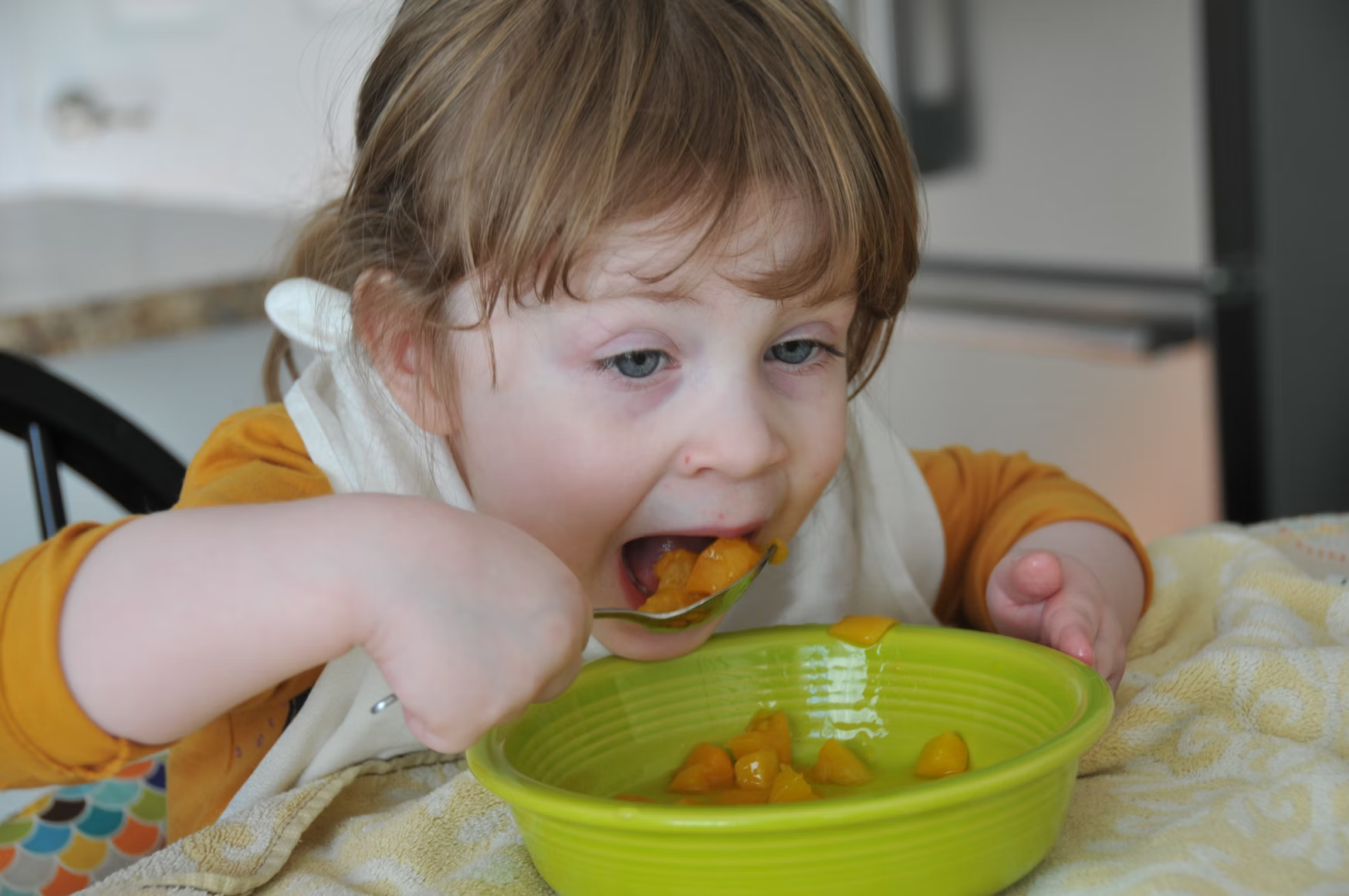
How you prepare food matters just as much as what’s on the plate. For toddlers and young children, aim to cut foods into small, manageable pieces—around half an inch or less in size. Cooking firmer vegetables (carrots, green beans) until soft or mashing them can also reduce the risk of choking.
Guidance from the Utah State University Extension on preventing choking underscores that combining smart prep with age-appropriate food choices can dramatically lower the chance of a scary incident. Even fruits that seem soft, like bananas or melon, should be broken into tiny pieces to help your child chew thoroughly and swallow safely.
4. Mealtime Habits: Where and How Your Child Eats Matters
Choking doesn’t just depend on what your child eats—where and how they’re eating also plays a major role. Children should be seated upright, not running around, lying down, or strapped into a car seat while eating. Distractions like screens or toys can cause kids to laugh or take big gulps of food without chewing properly, increasing the risk of choking.
Creating a calm mealtime routine encourages better chewing habits and allows kids to focus on one thing at a time: eating. Pediatric sources emphasize that a quiet, supervised environment helps children recognize their hunger cues and develop healthier long-term eating behaviors.
5. Stay Close, Watch Closely
Supervision is one of the most effective ways to prevent choking. Sitting nearby and keeping your eyes on your child, especially when they’re eating challenging foods, gives you a chance to prompt them to slow down. Avoid giving snacks when your child is crying, laughing, or otherwise distracted, as emotions can override safe swallowing.
Modeling good habits, like chewing slowly and thoroughly, also reinforces what you want your child to do. Active supervision and simple reminders to “take small bites” or “chew well” can go a long way. Consistency is key, and with time, your child will learn to be more cautious, making mealtime both safer and more enjoyable.
A Safer Plate = A Safer Child
Choking is fast and frightening, but many incidents are avoidable with a few mindful tweaks. Cutting food into small, age-appropriate pieces, softening or cooking firmer items, and steering clear of certain snacks until your child is developmentally ready can significantly reduce risks. It’s also crucial to establish a calm, distraction-free environment and stay close while your child eats. These basic guidelines not only help prevent accidents but also create a positive, relaxed atmosphere for the entire family.
Remember, you don’t need to fear every bite—just keep an eye on your child’s chewing abilities and err on the side of caution if something feels off.
What foods has your child struggled with at mealtime? Have you discovered any tips to keep meals both safe and fun? Share your experiences in the comments—other parents might benefit from your story!
Read More
- Meals So Great Baby Doesn’t Throw it Back: 5 DIY Baby Foods You Can Make at Home
- Basic But Incredibly Important Tips for Keeping Your Kids Safe

Samantha Warren is a holistic marketing strategist with 8+ years of experience partnering with startups, Fortune 500 companies, and everything in between. With an entrepreneurial mindset, she excels at shaping brand narratives through data-driven, creative content. When she’s not working, Samantha loves to travel and draws inspiration from her trips to Thailand, Spain, Costa Rica, and beyond.
