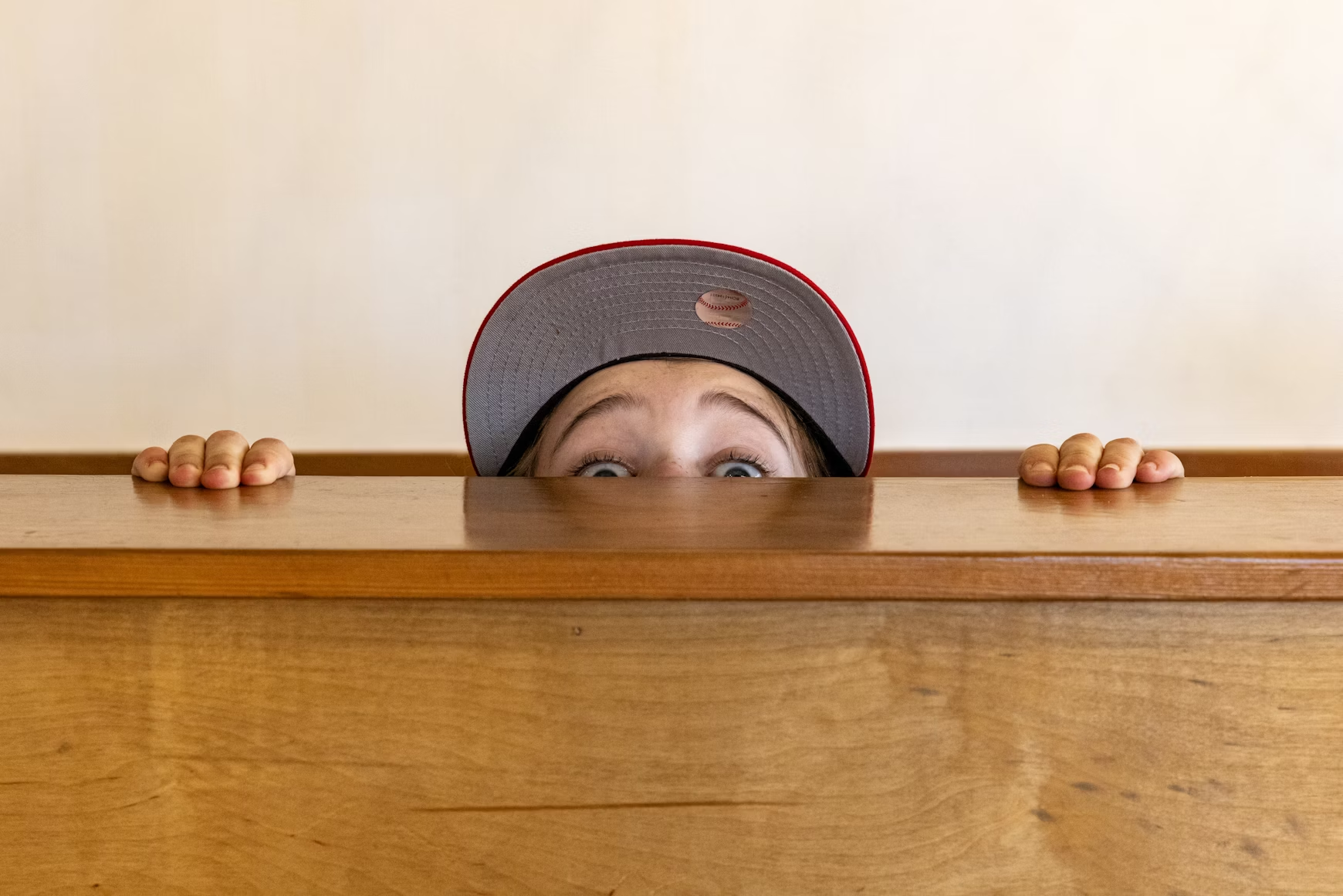
Every parent knows that mischievous sparkle in a child’s eye. One moment, all seems calm; the next, you discover an empty cookie jar or a mysteriously silent tablet with deleted search history. Kids rarely keep secrets simply to be sneaky. More often, they hide mistakes because they feel overwhelmed, anticipate harsh reactions, or lack the skills to manage big feelings. Understanding why kids hide bad behavior helps you respond with connection instead of confrontation.
Below are eight common cover-up tactics—plus deeper insights and practical strategies to encourage honesty and growth.
1. Lying Through Omission
Children sometimes share a partial truth: “I played soccer at recess and then we lined up for class”—omitting, of course, the shove that earned them a warning from the teacher. Leaving out key details feels safer than telling a full lie. It lets kids test the waters of honesty without risking maximum fallout.
What it means: They fear disproportionate consequences or disappointment.
How to respond: Stay calm, thank them for what they did share, and invite the missing pieces with gentle curiosity. Try: “Is there anything else that happened you want me to know? I’m here to help, not to punish.” Reassuring words reduce the temptation to edit the story next time.
2. Hiding Physical Evidence
A stained shirt stuffed in the hamper, a cracked tablet hidden under pillows, or a bandage applied in secret—kids often think: no proof, no problem. This instinct is self-preservation, not maliciousness. They hope to fix or forget the evidence before an adult notices.
What it means: They feel embarrassed or fear losing privileges.
How to respond: When you find evidence, describe it neutrally—“I noticed your tablet screen is cracked”—and ask, “Can you help me understand how this happened?” Emphasize solutions: saving allowance for repair, practicing safer handling, and brainstorming prevention together.
3. Blaming Someone Else
“The dog knocked over the vase” or “My brother pressed delete.” Shifting blame is a fast way to dodge trouble. Yet it can strain sibling relationships, teach avoidance, and prevent kids from learning ownership.
What it means: They’re still developing a sense of responsibility and fear backlash.
How to respond: Separate the behavior from the child’s worth. Say, “Everyone makes mistakes; what matters is fixing them.” Guide them to use “I” statements: “I accidentally broke the vase when I was running.” Reinforce that honesty earns more respect than perfection.
4. Becoming Emotional Escape Artists
A child who suddenly claims exhaustion, disappears to their room, or asks for the bathroom break right after misbehavior may be trying to flee emotional overwhelm. The retreat gives their nervous system space to calm down.
What it means: They lack coping strategies for guilt, shame, or fear.
How to respond: Offer a short cooling-off period, then connect. Knock gently and say, “I’m here when you’re ready.” Teach grounding tools: deep breaths, naming feelings, or squeezing a stress ball. Once calm, discuss the behavior and plan improvements together.

5. Distracting with Cuteness or Goofiness
Big hugs, silly faces, or sudden clowning can derail a serious conversation. Behind the charm is anxiety about consequences and a hope that laughter will replace accountability.
What it means: They seek reassurance of your love and worry they’ve jeopardized it.
How to respond: Accept the affection—“I love hugs too”—but maintain focus: “We’ll hug, then finish talking about what happened.” This models that affection and accountability can coexist and that love isn’t withdrawn when mistakes occur.
6. Overcompensating with “Helpful” Behavior
After spilling juice on the rug, your child may rush to set the dinner table, feed the dog, and fold laundry—all in ten minutes. While kindness is welcome, sudden over-helpfulness can hint at hidden guilt.
What it means: They equate acceptance with good deeds and hope to offset a wrong.
How to respond: Thank them for pitching in while affirming that honest communication matters more than silent repayment. Invite them to share any concerns: “I appreciate your help. If something’s worrying you, we can talk about it.” This teaches that love isn’t earned by cover-up chores.
7. Withdrawing into Silence
A silent stare, refusal to answer, or curt “I don’t remember” often signals internal conflict. Sensitive children, in particular, experience a surge of shame that can shut down verbal expression.
What it means: They fear they’ve damaged your relationship or worry about punishment.
How to respond: Lower the emotional temperature. Sit nearby, maintain gentle eye level, and wait. Offer statements of safety: “You’re not in trouble for talking. Everybody makes mistakes.” Silence can feel tense for adults, but patience allows trust to rebuild at the child’s pace.
8. Masking Struggles with Other Behavior
Ongoing secrecy about homework, sudden aggression, or excessive silliness may camouflage deeper academic or social challenges. A child who routinely hides poor grades could be battling dyslexia, attention issues, or bullying.
What it means: They feel vulnerable and fear judgment more than they fear falling behind.
How to respond: Look for patterns. Consistent avoidance around a subject, tears at homework time, or sudden apathy may signal underlying hurdles. Partner with teachers, counselors, or pediatric specialists to assess needs. Emphasize that seeking help shows strength, not weakness.
Why Kids Hide—and How to Guide Them Back
Secrecy is usually a protective reflex, not proof of bad character. Kids shut down or cover up when they:
- Anticipate harsh consequences
- Feel shame or embarrassment
- Struggle with skills they think they should have mastered
- Fear damaging their bond with you
Transform discipline from a threat into an invitation for growth. Here’s how:
- Lead with calm curiosity. Replace “Why did you lie!” with “Help me understand what was going on.”
- Validate feelings, then address behavior. “I get that you were scared. Let’s figure out how to fix the mistake.”
- Model ownership. Admit your own small slipups—“I misplaced my keys today”—to show everyone errs.
- Teach restitution, not retribution. Guide them to repair harm: replace a broken item, apologize sincerely, or practice a skill they lack.
- Praise honesty every time it appears. Celebrate the courage to tell the truth, even if the news is disappointing. Consistent affirmation builds a cycle of openness.
Turning Hidden Mistakes into Visible Lessons
True learning happens when children feel safe enough to reveal missteps. By responding with empathy, clear expectations, and collaborative solutions, you teach that honesty leads to support, not shame. Over time, kids internalize the message that mistakes are part of growth—and that the shortest path to resolution is always the honest one.
Have you spotted any of these hiding tactics in your own household? Share your challenges and victories in the comments so we can learn from one another.
Read More
- From Chaos to Calm: Strategies for Difficult Toddler Behavior
- Stop Now! 12 Behaviors That Say You’ve Crossed The Line From Discipline to Abuse

Samantha Warren is a holistic marketing strategist with 8+ years of experience partnering with startups, Fortune 500 companies, and everything in between. With an entrepreneurial mindset, she excels at shaping brand narratives through data-driven, creative content. When she’s not working, Samantha loves to travel and draws inspiration from her trips to Thailand, Spain, Costa Rica, and beyond.
