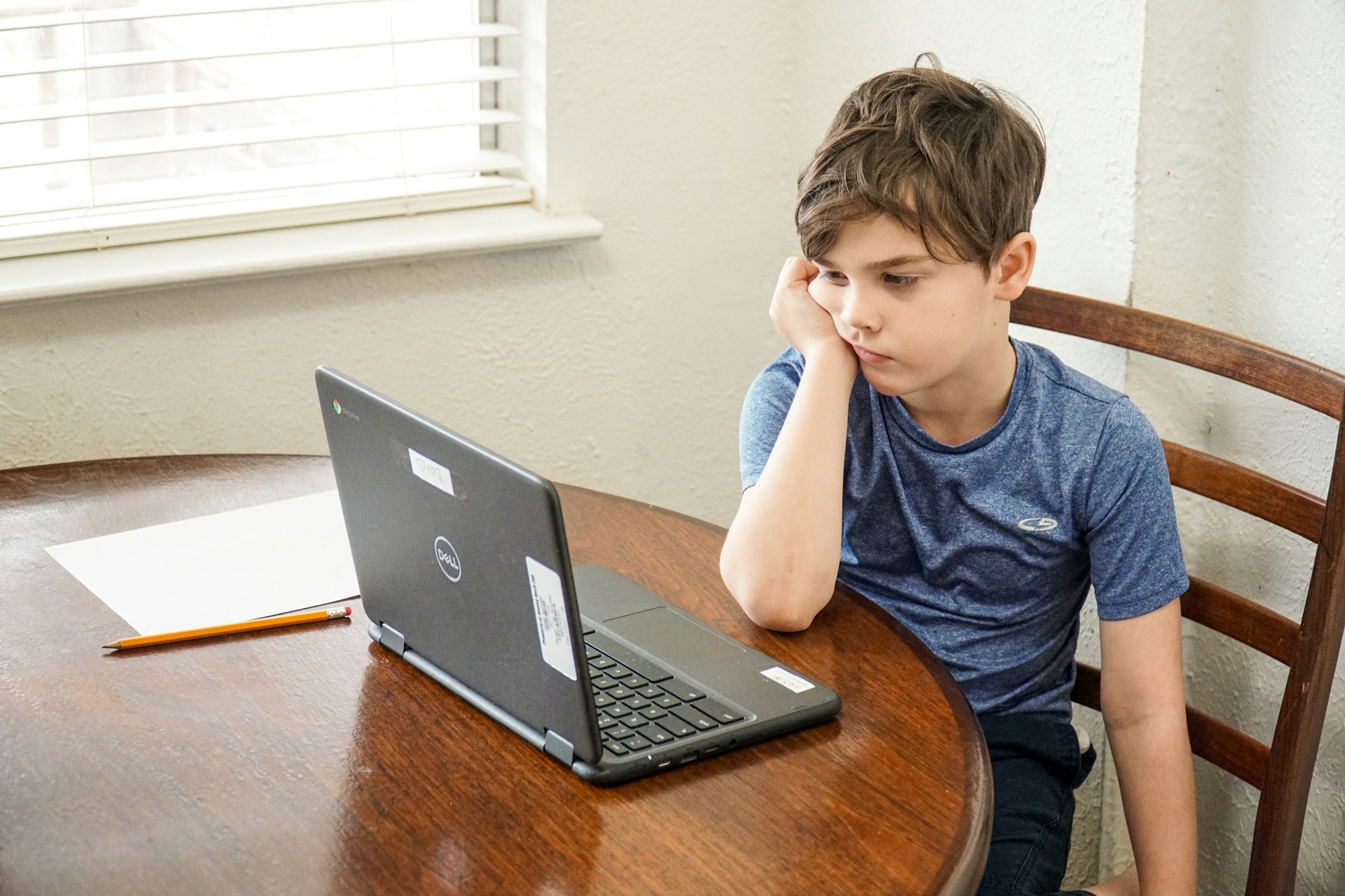
There it is again—the dreaded whine. “I’m booooored.” It creeps into your living room on a Saturday afternoon, echoes in the car during errands, and somehow finds its way into every school break. But before you lose your patience or launch into a list of chores as punishment, pause. When children say they’re bored, they’re not just announcing a lack of entertainment. They’re revealing a need for connection, creativity, or even just quiet.
Learning how to handle this phrase with empathy (and a plan) can turn an annoying complaint into an opportunity for growth for your child and for you.
The Truth Behind “I’m Bored”
Contrary to what it sounds like, boredom in children doesn’t usually stem from a lack of options. In fact, most kids today are surrounded by toys, screens, and structured activities. So why the constant boredom?
Because what they’re really craving is engagement—a feeling that what they’re doing matters, excites them, or, at the very least, feels different from the everyday. Boredom is the mind’s way of saying, “I need something more.” Sometimes, that “more” is stimulation. Other times, it’s a connection or freedom to explore.
Understanding the root of the boredom is key to how you respond.
Don’t Panic. Pause
Your first instinct might be to fill the gap with something—anything—to stop the whining. But this can unintentionally teach kids that boredom is a problem someone else must solve. Instead of panicking or offering a solution right away, pause.
You can calmly respond with, “It’s okay to feel bored sometimes. What do you think you want to do about it?” This approach empowers your child to become a problem-solver, not just a complainer.
Boredom Breeds Creativity (If You Let It)
Here’s a truth we sometimes forget: boredom is good for kids. It can be the soil where imagination grows if we don’t stomp on it with constant entertainment.
When kids are forced to sit with boredom, they often come up with their own solutions. They may build a fort, invent a game, write a story, or pick up a neglected toy. These moments foster creativity, independence, and confidence.
Let them be bored. And let the magic happen.
Reframe the Moment: It’s Not a Problem, It’s a Skill-Building Opportunity
The goal isn’t to eliminate boredom. It’s to teach kids how to move through it. Like any skill, this takes practice. You can support this by gently guiding them rather than entertaining them.
Try offering a simple challenge: “Think of three things you could do with just what’s in this room.” Or make it playful: “If you had to invent a new game right now, what would it be?” These prompts give them a push while still keeping the responsibility in their hands.
When to Step In (and When Not To)
Of course, there are moments when stepping in is helpful, especially with younger children or those with unique developmental needs. If a child is melting down in frustration or feeling stuck after trying their best to self-direct, a little guidance goes a long way.
But make sure your help still encourages autonomy. Instead of directing, offer choices: “Would you like to draw, go outside, or help me with something in the kitchen?” This maintains boundaries while still meeting their emotional needs.
Create a “Boredom Basket”
One practical tip: build a boredom basket. This isn’t a toy bin. It’s a curated collection of simple activities kids can turn to when they don’t know what to do. Think coloring books, puzzles, old magazines for cutting, paper for drawing, brain teasers, or even a small notebook of writing prompts.
When a child says they’re bored, point to the basket and say, “That sounds like a great time to check the basket.” This tool encourages independence and reduces the constant pressure on parents to entertain.
Teach the Art of Doing Nothing
In a world driven by productivity, we’ve forgotten how to do nothing. And our kids are learning that same pattern.
But there is beauty in stillness. In quiet moments. In watching clouds pass or listening to birds. When kids complain of boredom, sometimes they’re being offered a rare gift: the chance to slow down.
Encourage rest. Teach that not every moment has to be filled. Help them understand that being alone with their thoughts isn’t boring. It’s human.
Boredom Isn’t the Enemy. Avoiding It Is
Ultimately, how we react to our children’s boredom shapes their relationship with time, solitude, and self-motivation. If we rush to fill every empty space, we rob them of the chance to learn resilience, patience, and imagination.
So next time you hear the whine of “I’m bored,” don’t rush to fix it. Invite your child to explore it, sit with it, and maybe even enjoy it.
How do you handle boredom in your home? Do you encourage free time, offer guidance, or a mix of both?
Read More:
6 Surprising Ways Kids Benefit From Boredom
The Parent Trap: Why We Feel Guilty About Children Being Bored
