
Dogs are loyal companions, expert snugglers, and some of the best communicators in the animal kingdom—if you know how to read their signals. A tilt of the head, a wag of the tail, or even a low growl can tell you more than words ever could. But sometimes, the signs are easy to miss. Or worse, we mistake them for quirky personality traits, and that’s when problems quietly escalate.
As pet parents, we often interpret our dog’s behavior through a human lens. We might say, “Oh, he’s just being weird today,” or “She’s in a mood,” when what we’re actually witnessing is a call for help. Some of these red flags come off as harmless, even funny. But if your dog consistently displays any of the behaviors below, it might be time to stop laughing and start paying attention.
1. Tail Chasing: Is It Play or a Cry for Help?
At first glance, tail chasing can be hilarious. Your pup spins like a furry tornado, seemingly entertained by its own tail. But if this becomes a daily ritual or goes on for long stretches of time, it could indicate a deeper issue.
Tail chasing is often associated with boredom or lack of exercise, especially in high-energy breeds. But obsessive tail-chasing, particularly when accompanied by whining, barking, or difficulty stopping, can signal canine compulsive disorder (CCD), a condition similar to OCD in humans. In some cases, neurological problems or even flea allergies near the tail area could be to blame.
What to do: Increase physical activity and introduce mentally stimulating toys. If it continues, consult your vet or a veterinary behaviorist for a closer look.
2. Suddenly Hiding or Withdrawing from the Family
Is your once-sociable dog now avoiding eye contact, hiding under the bed, or retreating to corners? Don’t chalk it up to “just wanting space.” A change like this can be a major warning sign of emotional distress or a physical health issue.
Dogs often isolate themselves when they’re in pain. It’s a protective instinct rooted in their ancestry when showing weakness could attract predators. But isolation can also stem from fear, depression, or a reaction to changes in the home, such as a new baby, loud renovations, or increased conflict among humans.
What to do: Keep a journal of when and how often your dog retreats. Combine that with a thorough vet check-up and a conversation about any environmental changes they may be reacting to.
3. Growling When Being Touched or Approached
Many pet owners instinctively scold a dog for growling. But here’s the thing: growling is a form of communication. It’s your dog saying, “Something’s wrong, and I need space.”
Growling when touched, especially during affection or grooming, can signal pain or discomfort. Arthritis, hip dysplasia, or dental disease may be making your pup irritable. Alternatively, growling could indicate fear, past trauma, or resource guarding (like protecting food, toys, or personal space).
What to do: Don’t punish the growl. Instead, respect it. Document when it happens, and speak to your vet to rule out physical causes before consulting a trainer or behaviorist for emotional triggers.
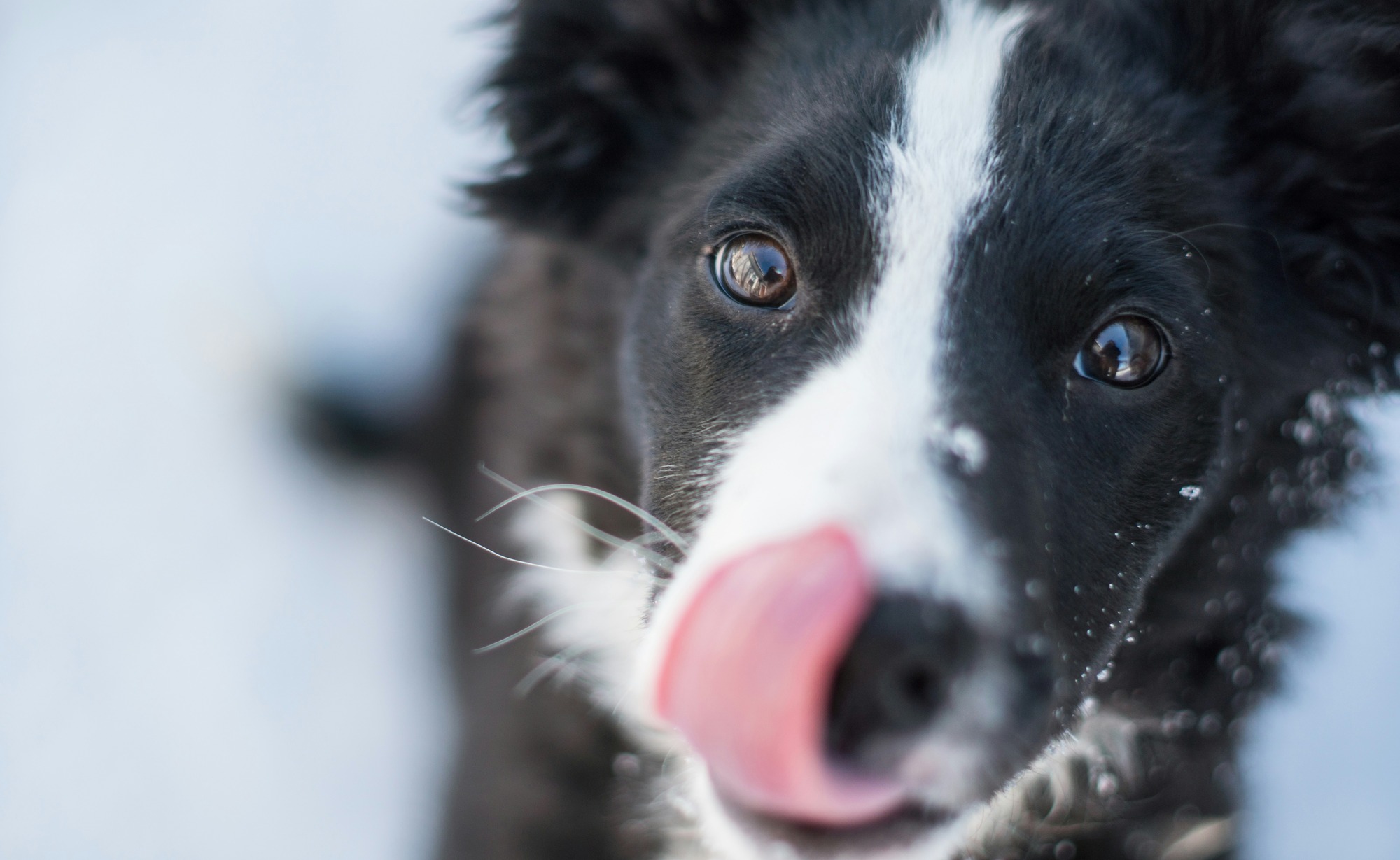
4. Obsessive Licking, Especially of Paws, Walls, or Air
A dog licking its paws after a walk? Normal. But if your dog is constantly licking the same area—day and night—it’s time to take notice.
Excessive paw licking can indicate seasonal allergies, skin infections, joint pain, or anxiety. Meanwhile, air licking or licking non-food surfaces may be linked to nausea, dental discomfort, or compulsive behavior. It’s not just a bad habit. It’s your dog trying to self-soothe.
What to do: Check for cuts, swelling, or odor between your dog’s toes or around the mouth. If nothing’s visible, a vet visit can rule out underlying medical issues and help determine if anxiety might be the cause.
5. Heavy Panting While Resting
Panting is perfectly normal after exercise or on a hot day. But if your dog is panting heavily while lying still in a cool room or during the night while you’re asleep, that’s a potential red flag.
Panting can be a sign of pain, respiratory problems, heatstroke, or anxiety. It can also indicate poisoning or heart disease in older dogs. What makes this one dangerous is how easily it can be overlooked, especially if your dog is older or has a thick coat.
What to do: Monitor your dog’s panting patterns and watch for other signs like drooling, restlessness, or glazed eyes. If your dog is panting heavily without an obvious cause, don’t wait—call your vet immediately.
6. Forgetting Commands They’ve Known for Years
Let’s be real—dogs can be stubborn. But if your well-trained pup suddenly stops responding to “sit,” “stay,” or their name, something deeper may be going on.
Hearing loss (common in aging dogs), vision impairment, cognitive dysfunction (canine dementia), or even a neurological issue can cause a dog to appear “defiant” when, really, they’re struggling to understand you. This behavior might also pop up during periods of high stress or illness.
What to do: Rule out ear infections or other health issues first. If your vet gives a clean bill of health, a canine cognitive assessment may be helpful. And no matter what, never punish a dog for not responding. Focus on rebuilding trust and communication.
When in Doubt, Trust Your Gut
You know your dog better than anyone. If they’re suddenly acting out of character, becoming withdrawn, or just “not themselves,” it’s always worth investigating. Waiting too long to take action can allow a small issue, like a skin allergy or sore joint, to spiral into something more serious.
Behavior is communication. Your dog may not have words, but their body is speaking volumes. And the more fluent you become in dog body language, the safer and happier your furry friend will be.
Have you ever brushed off a strange behavior in your dog, only to realize it was something serious? What helped you spot the difference?
Read More:
