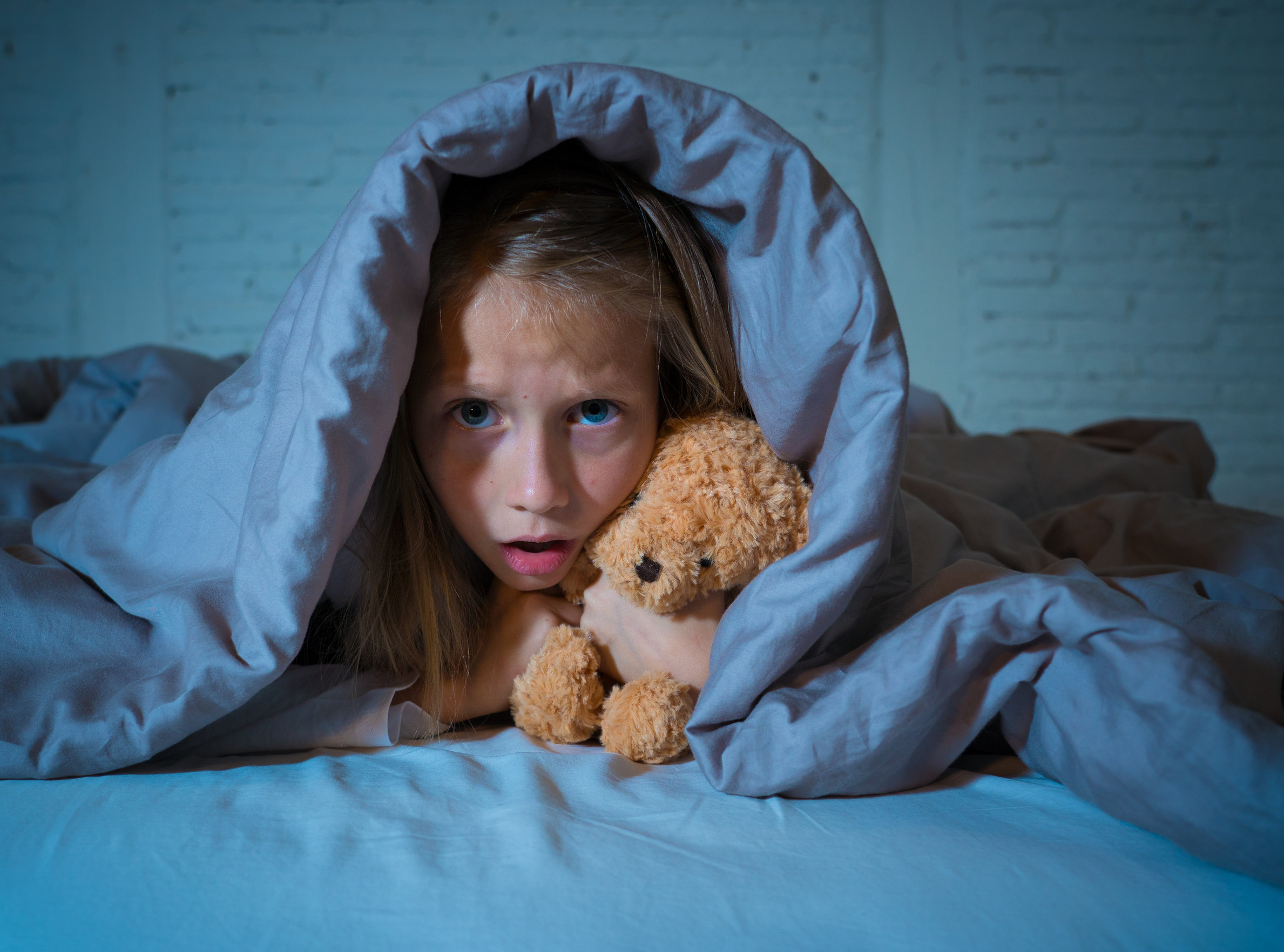
For decades, sleepovers have been a rite of passage for children, filled with games, movies, and whispered conversations long after bedtime. Yet today, many kids are hesitant to participate, and parents are noticing a growing trend of anxiety around these once-exciting events. The reasons behind the fear sleepovers bring vary, from cultural changes to personal insecurities. Understanding why children are increasingly avoiding sleepovers can help families address concerns and create healthier social experiences. Here are eight key factors contributing to this shift.
1. Pandemic Isolation Changed Social Habits
One major reason kids fear sleepovers is the lingering impact of pandemic isolation. Many children missed out on years of small but crucial social milestones that build confidence. Without regular group play and overnight experiences, staying away from home feels overwhelming. Kids who were once comfortable with friends now find the idea intimidating. The gap in social practice has created a sense of unease around normal childhood activities.
2. Rising Anxiety Levels Among Kids
The fear sleepovers trigger is often tied to a broader rise in childhood anxiety. More children today experience worry about safety, separation, and routine disruptions. Overnight stays involve leaving familiar surroundings and parental comfort, which can heighten anxiety. Some kids worry about not falling asleep, embarrassing themselves, or missing home. These internal struggles make sleepovers feel more like challenges than adventures.
3. Increased Awareness of Safety Concerns
Parents and children alike are more aware of safety risks than in previous generations. Stories about bullying, unsafe environments, or inappropriate behavior circulate quickly online and in the media. This heightened awareness makes some kids fearful of sleepovers, worrying that something could go wrong. While safety awareness is important, the constant reminders can amplify fear. Kids may decide it’s easier to avoid the experience altogether.
4. Overexposure to Technology and Screens
Technology plays a surprising role in why some children fear sleepovers. With so much time spent on devices, kids are less accustomed to in-person interactions. Online friendships feel safer because they come with a sense of control. At a sleepover, the unpredictability of face-to-face dynamics can feel intimidating. This reliance on screens reduces confidence in real-world social situations.
5. Pressure to Fit In Socially
The social pressure that comes with group activities can also spark fear of sleepovers. Children may worry about being judged for their pajamas, habits, or quirks. Some stress about not liking the same shows, games, or snacks as their peers. The fear of standing out or not fitting in makes the idea of a sleepover feel risky. For sensitive kids, the pressure to conform is enough to decline invitations.
6. Sleep Issues Make Overnights Difficult
Another reason children fear sleepovers is difficulty with sleep itself. Kids who struggle with insomnia, nightmares, or light sleeping worry about being embarrassed in front of others. The unfamiliar environment, noises, and routines can make these issues worse. A child who fears not sleeping at all may prefer to stay home. This challenge highlights how personal sleep habits play into larger social anxieties.
7. Parents’ Hesitations Influence Kids
Sometimes, the fear sleepovers create isn’t entirely from the children—it stems from parental concern. Parents who are nervous about letting their child stay overnight with others can unintentionally pass on their worries. Kids pick up on hesitation and may mirror that fear, believing sleepovers are unsafe or undesirable. Well-meaning caution can reinforce a cycle of avoidance. Parental reassurance plays a big role in how children view these experiences.
8. Comfort at Home Feels Too Good to Leave
Finally, the simple comfort of home contributes to why some kids fear sleepovers. With cozy beds, favorite routines, and supportive parents, staying home feels far easier. Sleepovers, by contrast, involve uncertainty, new rules, and less control. Children naturally gravitate toward what feels safe and familiar. The more comfortable the home becomes, the harder it is to take that first step into independence.
Helping Kids Move Beyond Fear Sleepovers
The growing number of children who fear sleepovers shows how cultural changes, personal anxieties, and family influences shape childhood experiences. While these concerns are valid, sleepovers can still provide valuable lessons in independence, resilience, and social bonding. Parents can help by starting small—like hosting a movie night that ends at bedtime or encouraging a friend to stay over at their house first. With patience and understanding, children can regain confidence and find joy in these memorable experiences.
Do you think today’s kids face more reasons to fear sleepovers than past generations? Share your thoughts in the comments below!
What to Read Next…
- How Sibling Rivalry Turns Into Financial Battles for Parents
- Why Grandparents Shouldn’t Babysit Their Grandkids Every Week – The Unspoken Issue
- Beyond The Report Card: 11 Discipline Methods That Secretly Backfire On Parents
- 6 Innocent Parenting Habits That Lead to Big Therapy Bills Later
- Here’s 10 Things Chat GPT Told Me People Are Doing Wrong With Raising Their Kids

Catherine is a tech-savvy writer who has focused on the personal finance space for more than eight years. She has a Bachelor’s in Information Technology and enjoys showcasing how tech can simplify everyday personal finance tasks like budgeting, spending tracking, and planning for the future. Additionally, she’s explored the ins and outs of the world of side hustles and loves to share what she’s learned along the way. When she’s not working, you can find her relaxing at home in the Pacific Northwest with her two cats or enjoying a cup of coffee at her neighborhood cafe.
