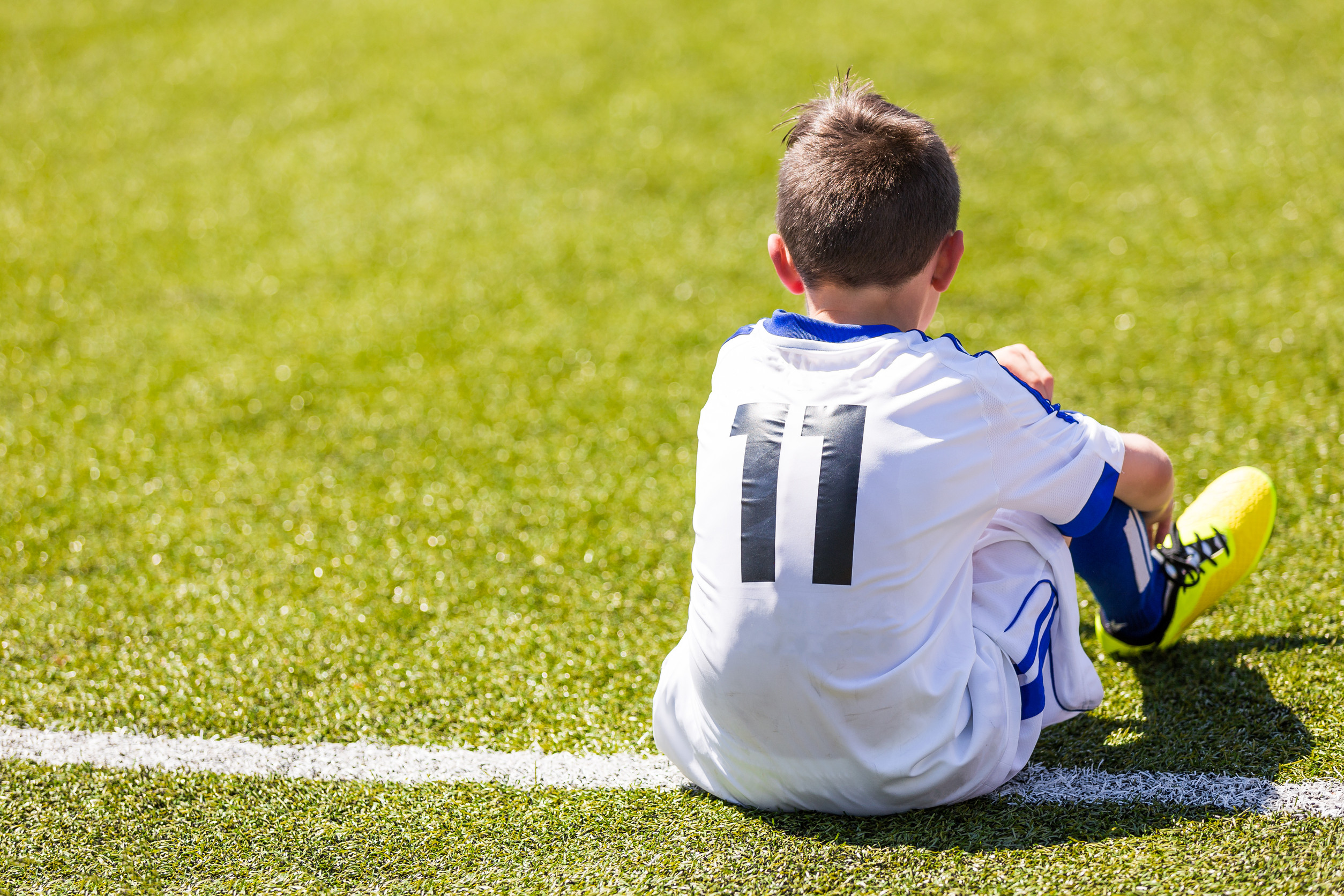
Failure stings, especially when it happens to your child. Whether it’s a failed test, a missed goal, or a social setback, it’s hard to watch kids struggle with disappointment. But moments like these offer powerful opportunities to build resilience, confidence, and emotional strength. If you know how to respond thoughtfully, you can help your child bounce back from failure stronger and more self-assured than before. These nine strategies might surprise you—but they work wonders in turning failure into growth.
1. Let Them Feel the Disappointment
Your first instinct might be to cheer your child up or brush off the failure, but don’t rush them through the emotion. Allowing them to feel sad, frustrated, or angry validates their experience. It also teaches them that big feelings aren’t dangerous—they’re temporary and manageable. Sit with them in the discomfort, and say things like, “That really was tough, huh?” Letting them grieve the loss before moving on is the first step to help your child bounce back from failure.
2. Avoid Over-Praising Effort
We’ve all heard, “Just praise the effort, not the outcome.” While this can be helpful, it shouldn’t be used as a quick bandage. Kids can tell when you’re trying to spin failure into a fake win. Instead, acknowledge the effort and the reality of what didn’t go as planned. “You studied hard, and I know this didn’t turn out how you hoped. Want to talk about what we can learn for next time?” Real growth starts with honest reflection.
3. Share Your Own Failures
Kids need to know they’re not alone—and that even adults mess up. Tell them about a time you failed, what it felt like, and how you moved forward. This helps normalize setbacks and gives them a model of resilience. Bonus: it also makes you more relatable and trustworthy in their eyes. A shared story can do more to help your child bounce back from failure than a dozen pep talks.
4. Ask Questions Instead of Giving Answers
When your child fails, your instinct might be to problem-solve for them. Instead, ask thoughtful questions that help them think it through. Try “What do you think went wrong?” or “Is there anything you’d do differently next time?” This builds self-awareness and gives them a sense of control over their own growth. Empowering them to reflect is far more valuable than handing them a solution.
5. Teach the Brain Is Like a Muscle
Kids love a good visual—and this one works. Explain that just like muscles get stronger with practice and challenge, their brain grows through effort and mistakes. Use phrases like, “Every time you try again, your brain is getting smarter.” This encourages a growth mindset and makes failure feel like part of the process, not the end of the road. Framing failure as fuel helps your child bounce back from failure with less fear.
6. Encourage Healthy Risk-Taking
One of the best ways to build resilience is to let kids stretch outside their comfort zone—without guaranteeing success. Whether it’s trying a new sport, reading aloud in class, or entering a contest, encourage them to take safe, healthy risks. Remind them that bravery matters more than perfection. Even if they fail, they’ll learn that taking chances is worth it. The more they try, the more confident they become in their ability to recover.
7. Focus on What’s in Their Control
After a setback, help your child separate what they can control from what they can’t. This shift keeps them from feeling helpless or blaming others. For example, they can’t control a teacher’s grading style, but they can control how much they study next time. When they focus on actionable steps, they feel empowered instead of defeated. Ownership is a powerful tool to help your child bounce back from failure.
8. Model Self-Compassion
If your child hears you beating yourself up over a mistake, they’ll do the same. When you mess up, say out loud, “That didn’t go the way I wanted, but I’m going to give myself some grace.” This shows them how to be kind to themselves—even in failure. Self-compassion builds emotional resilience and reduces anxiety about making mistakes. Show them that kindness isn’t just for others—it’s for themselves, too.
9. Celebrate the Bounce-Back, Not Just the Success
When your child makes a comeback—studies harder, tries again, or stays calm after a setback—celebrate that. Say, “I’m so proud of how you kept going even when it was hard.” These moments are more important than straight A’s or shiny trophies. They build the kind of grit that lasts a lifetime. Helping your child bounce back from failure means noticing their recovery, not just their wins.
Resilience Is Built One Mistake at a Time
Every failure your child faces is a chance to build strength, wisdom, and grit. The way you respond—by listening, guiding, and encouraging—helps them shape a healthy mindset for the rest of their life. Remember, your goal isn’t to prevent failure. It’s to help your child bounce back from failure with courage, clarity, and confidence. That’s how resilience is born—and how they learn they’re stronger than they ever imagined.
What’s one strategy you’ve used to help your child bounce back from failure? Share your story or tips in the comments below!
Read More:
10 Reasons It’s Okay For Your Kids to Fail
The High Price of Pretending Your Kid Can Do No Wrong

Catherine is a tech-savvy writer who has focused on the personal finance space for more than eight years. She has a Bachelor’s in Information Technology and enjoys showcasing how tech can simplify everyday personal finance tasks like budgeting, spending tracking, and planning for the future. Additionally, she’s explored the ins and outs of the world of side hustles and loves to share what she’s learned along the way. When she’s not working, you can find her relaxing at home in the Pacific Northwest with her two cats or enjoying a cup of coffee at her neighborhood cafe.
