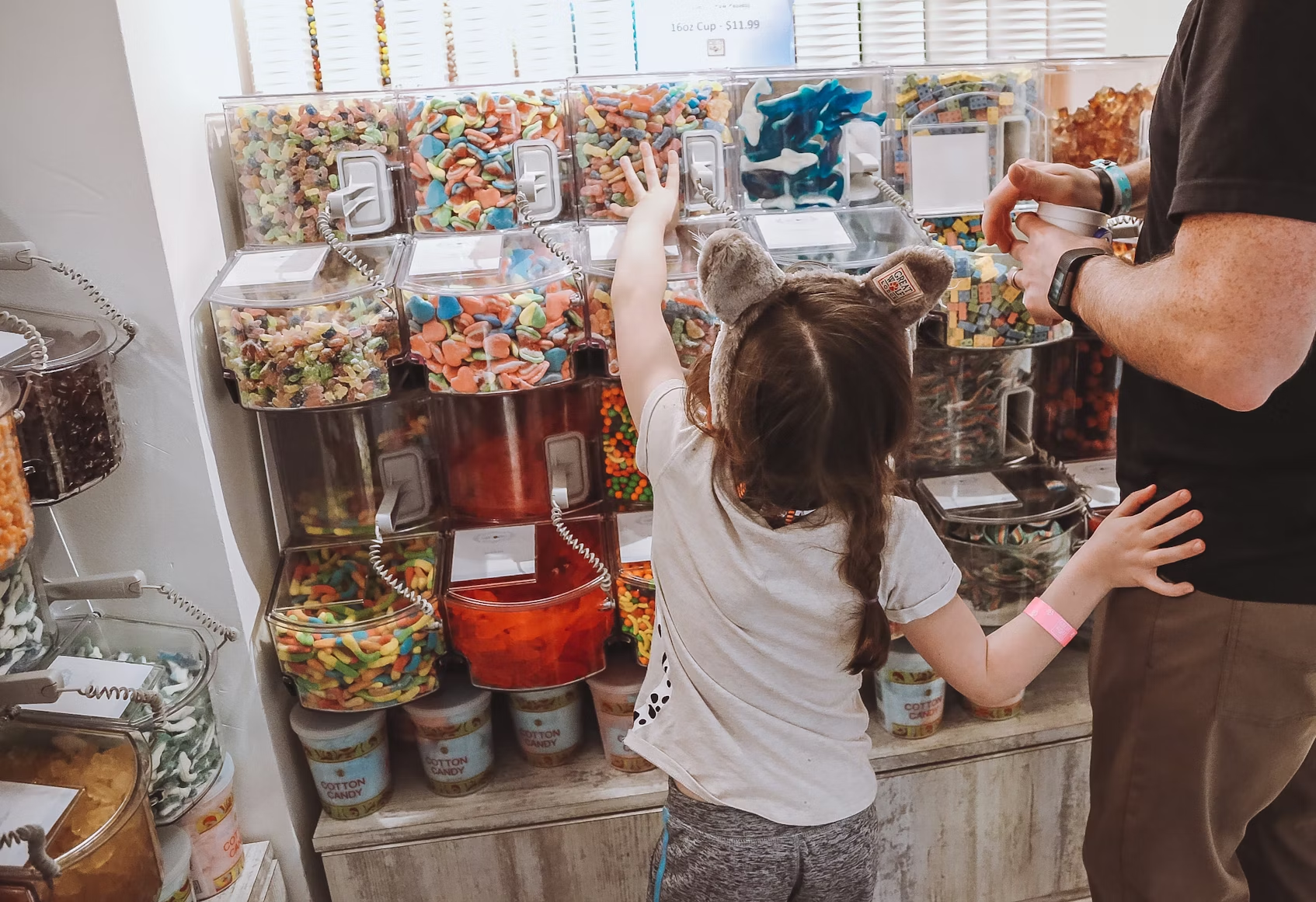
Parents want the very best for their children, yet the modern marketplace can make “best” feel confusing. Flashing lights, catchy slogans, and peer pressure all push us toward purchases that appear benign—or even beneficial—at first glance. But some items come with hidden downsides that can affect health, safety, learning, or emotional well-being. By knowing what to avoid, you sidestep potential hazards, save money, and set a powerful example of mindful consumption. Below are seven surprisingly common things you should never buy for your kids, plus safer and more meaningful alternatives.
1. Cheap Plastic Toys
Bargain-bin toys are tempting: they’re colorful, plentiful, and easy on the wallet. Unfortunately, many are produced under lax safety standards. They can contain phthalates, BPA, or lead—chemicals linked to hormone disruption, learning delays, and compromised immunity. Pieces snap easily, creating sharp edges or choke-sized bits. A toy that breaks on day two isn’t a deal; it’s a hazard and an environmental burden.
A better approach: Keep a small “capsule toy wardrobe” of durable wooden blocks, silicone teethers, or cloth dolls. Rotate items to maintain novelty. When relatives ask what to buy, suggest saving for one high-quality piece instead of five throwaways. Fewer toys often mean richer, more imaginative play.
2. Trendy Gadgets and Electronic Devices
From kid-smartwatches to entry-level tablets, tech is marketed as must-have. Yet children under eight already exceed recommended screen-time limits, and more gadgets mean more temptation. Excessive digital exposure can cause disrupted sleep cycles, shorter attention spans, and increased anxiety.
A better approach: Treat electronics like power tools—useful when supervised, dangerous when unlimited. Introduce a shared family tablet kept in a public space and pre-loaded with educational apps. Create “tech tickets” redeemable for limited minutes of play, so kids learn to budget time the way they’ll one day budget money.
3. Costume Jewelry
Sparkly plastic rings and faux-metal bracelets chatter with potential risk. Recalls routinely cite children’s jewelry for cadmium or lead content dozens of times higher than adult safety limits. Because littles chew on everything, metal absorption can be significant long before symptoms appear.
A better approach: Build a dress-up box stocked with felt crowns, ribbon capes, and wooden beads on elastic string. DIY jewelry kits let kids design their own accessories with paper, yarn, or pony beads—zero toxins required. You still nurture creativity and pretend play while protecting growing bodies.
4. Sugary Snacks and Drinks
Bright wrappers, cartoon mascots, and “vitamin-fortified” labels disguise treats that deliver little more than refined sugar. Regular sugar consumption contributes to childhood obesity, early-onset Type 2 diabetes, mood swings, and tooth decay. Even 100 percent juice contains fructose without the fiber that slows absorption.
A better approach: Normalize naturally sweet foods—frozen grapes, banana “nice cream,” or yogurt topped with cinnamon. Keep a clear pitcher of water infused with citrus slices on the table, making hydration more enticing. Reserve candy for special occasions you celebrate as a family, so it feels intentional—not habitual.
5. Violent Video Games
Digital games can support coordination and teamwork, but titles focused on combat or aggression plant seeds that young brains struggle to process. Research notes higher impulsivity, diminished empathy, and desensitization to real-world violence after frequent exposure.
A better approach: Curate a library of cooperative or creative games—think building puzzles, rhythm challenges, or world-design simulators. Play alongside your child; co-play turns screen time into social time and allows you to model sportsmanship. Use rating guides as a baseline, then watch gameplay clips yourself before approving any new download.
6. Scented Bath Products and Bubble Toys
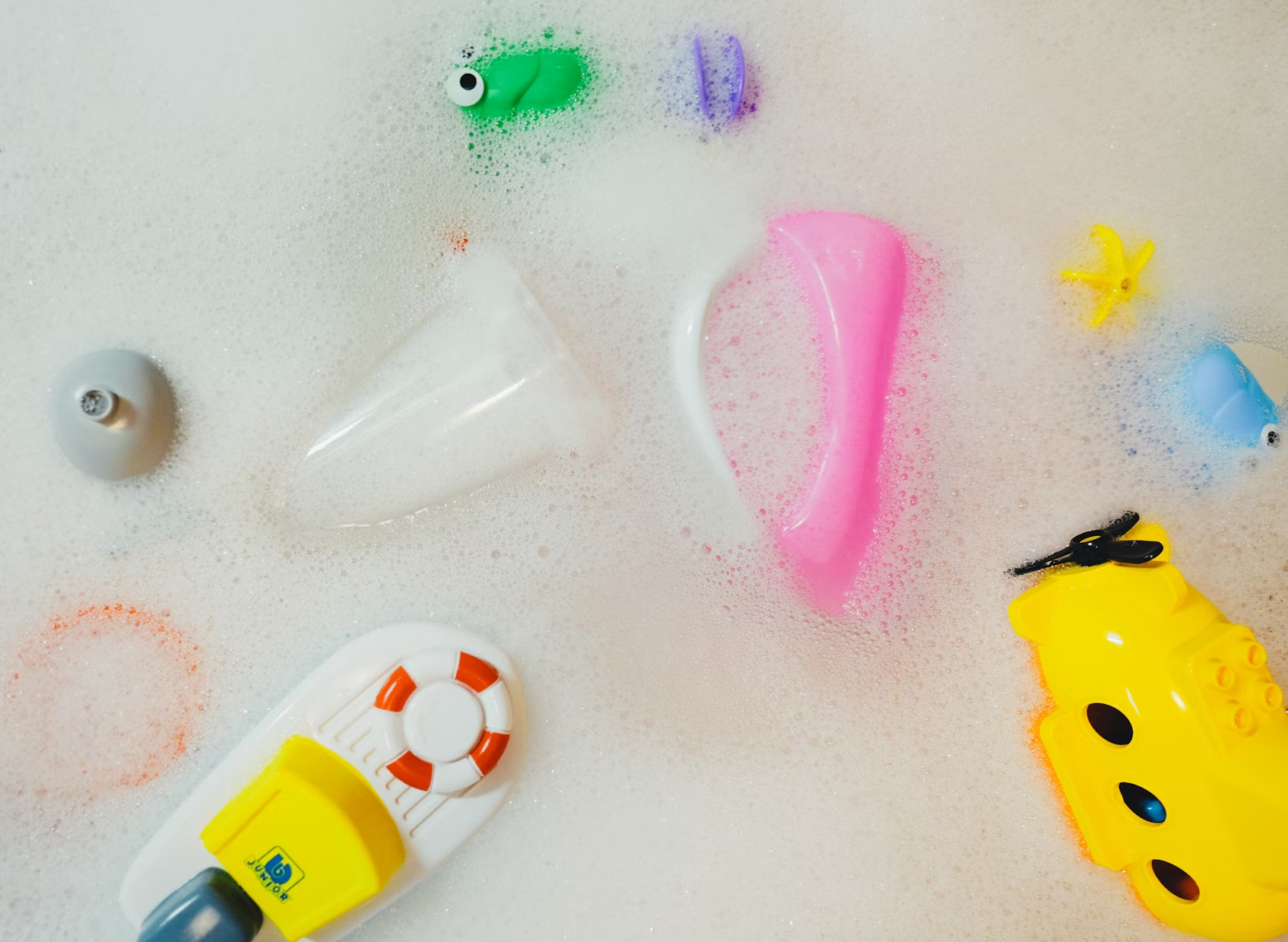
Bubble baths boasting neon colors and cupcake scents can harbor synthetic dyes and fragrances that irritate skin. Rubber squeeze toys trap water. This breeds mold that squirts out during the next soak—straight onto a child’s face. Not good!
A better approach: Choose fragrance-free washes certified for sensitive skin, and swap squeeze toys for solid silicone boats or stacking cups that drain completely. For bubbly fun, a teaspoon of plain, gentle baby soap under running water produces plenty of foam without chemical cocktails.
7. Oversized Stuffed Animals
Giant plush companions look Instagram-ready. However, they crowd sleeping spaces, trap dust mites, and prove nearly impossible to launder. For toddlers, big bears can even raise suffocation risk if tossed into cribs. It’s better to be safe than sorry.
A better approach: Select smaller, machine-washable plushies and establish a “spa day” routine where favorite friends visit the washing machine. Kids learn hygiene habits, and their cuddly crew stays fresh and safe.
Why “Less Is More” Can Be the Best Gift You Give
Saying “no” to popular products isn’t about deprivation—it’s about deliberate abundance: more health, more open space, more opportunities for deep play. Each purchase we skip sends a subtle lesson that joy doesn’t depend on quantity or trendiness. Children who see mindful buying in action are more likely to develop critical thinking, gratitude, and resilience against peer pressure.
Next time slick advertising or playground chatter claims every kid needs the latest gadget or sugary snack, pause. Ask yourself: Will this enrich my child’s body, mind, or relationships? If the honest answer is “probably not,” walking away is a powerful act of love.
Have you ever nixed a trendy item after discovering its drawbacks? Share your story and any safer substitutes below. Your insight could help another parent make a more confident choice.
Read More

Samantha Warren is a holistic marketing strategist with 8+ years of experience partnering with startups, Fortune 500 companies, and everything in between. With an entrepreneurial mindset, she excels at shaping brand narratives through data-driven, creative content. When she’s not working, Samantha loves to travel and draws inspiration from her trips to Thailand, Spain, Costa Rica, and beyond.
