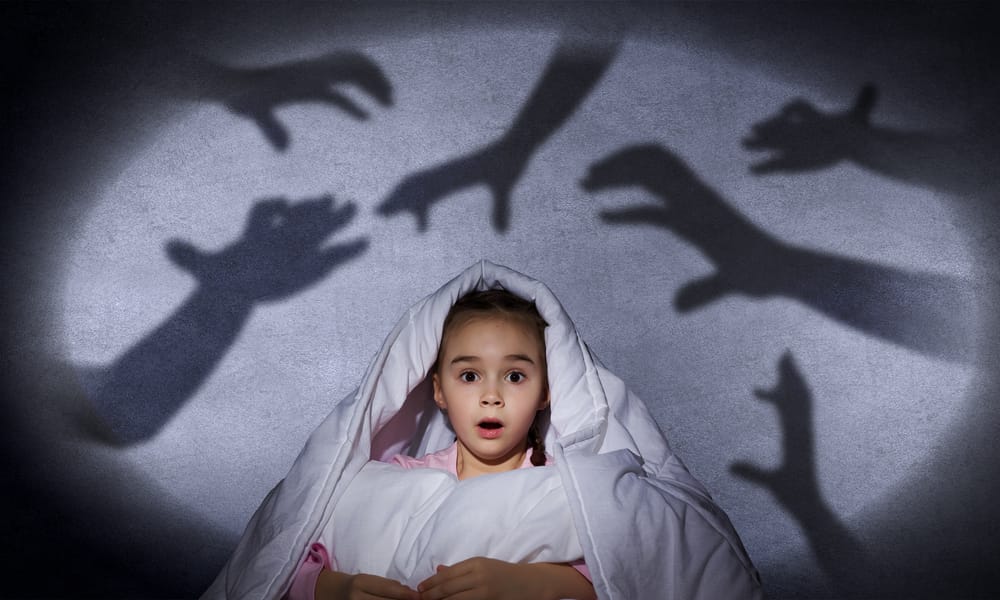
Many parents focus on bedtime routines, night lights, and room temperature, but few realize that everyday household sounds may be the biggest hidden culprit behind nighttime struggles. Kids are far more sensitive to noise than adults, and even sounds we barely notice can interrupt deep sleep cycles and cause restless nights. Whether it is the hum of appliances, footsteps in the hallway, or a late-night television show, noise disruption can affect mood, learning, and overall wellbeing. Understanding which sounds are most disruptive helps parents create quieter, more restful environments for growing children. Small adjustments can dramatically improve sleep quality and make mornings easier for the whole family.
1. The Hum of the Refrigerator
Refrigerators cycle on and off, producing subtle but persistent sounds at home that can disrupt a child’s sleep. Younger children especially struggle when this low vibration interrupts deep sleep stages. The noise often blends into the background, making it easy for adults to overlook. If a child’s bedroom is near the kitchen, this sound becomes even more noticeable. Moving the child’s room or adding soft white noise can help block the disruption.
2. Air Conditioning Units
Air conditioners create sudden clicks, rumbles, and airflow shifts, making them one of the most underestimated household sounds affecting sleep. Even quiet units can startle sensitive sleepers when they turn on unexpectedly. Children may experience micro awakenings that leave them tired the next day. Regular maintenance often reduces the volume and frequency of these disruptions. Using fans with steady noise can also balance out the sudden changes.
3. Television Noise After Bedtime
Even when the volume is low, the changing pitches and dialogue from a television can interfere with a child’s sleep. These are dynamic household sounds that the brain struggles to ignore. Kids may wake up when hearing laughter, theme songs, or sudden loud scenes. Closing doors or lowering volume may still not be enough. Keeping TVs off near bedtime can support more peaceful rest.
4. Kitchen Cleanup Clatter
The sound of dishes, running water, and clinking utensils can be surprisingly loud during the quiet of the night. These sharp sounds at home interrupt children’s ability to settle into deep sleep patterns. Parents who clean up after bedtime may not realize how far the noise travels through walls and floors. Softening routines or shifting cleanup earlier can help. Using rubber mats and gentle handling of dishes also reduces noise.
5. Pets Moving Around the House
Dogs walking on hardwood floors or cats jumping on furniture create irregular noises that can startle young children. These unpredictable household sounds often occur overnight, making them more disruptive than daytime noises. Even gentle animal movements can interrupt sensitive sleepers. Providing pets with designated nighttime spaces helps reduce disturbances. Soft rugs and closed doors also help limit the impact.
6. Squeaky Doors and Hinges
A squeaky bedroom or hallway door can cause repeated interruptions throughout the night. These sharp household sounds can jolt a child awake, especially during light sleep stages. Family members moving from room to room increase the risk of noise. Applying lubricant or tightening hinges is a simple fix. Smooth, quiet door movement helps create a more peaceful nighttime routine.
7. Footsteps in the Hallway
Nighttime footsteps are among the most common sounds at home to wake sleeping children. Hard floors amplify the sound as family members walk across the house. Even slight pressure changes can be enough to disturb light sleepers. Laying down rugs or runners can reduce the noise. Parents can also plan quieter evening routines to help minimize disruptions.
8. Washing Machines and Dryers
Running laundry late at night introduces thumping and rotating noises that echo through floors and walls. These steady but disruptive household sounds make it difficult for children to reach deep rest. The vibration can also travel across shared bedrooms. Adjusting laundry times is often the easiest fix. Scheduling loads earlier supports a quieter nighttime environment.
9. Plumbing and Toilet Flushing
Pipes, draining water, and toilet flushing create sudden, high pitched sounds at home that easily startle kids. Older homes tend to have louder plumbing systems, making the noise even more noticeable. The suddenness of the sound disrupts sleep more than the volume. Encouraging family members to avoid flushing during late hours can reduce disruptions. Pipe insulation may also help soften the noise.
10. Phone Notifications and Alarms
Even subtle notification tones can echo through quiet nighttime environments. Vibrations from phones on hard surfaces also create surprising household sounds that carry farther than expected. Kids, especially light sleepers, may wake up even if the device is in a nearby room. Switching devices to silent mode helps protect children’s sleep. Charging phones in separate rooms is even better.
11. Garage or Car Noises
Opening garage doors or starting cars early in the morning automatically interrupts rest. These are powerful household sounds that travel directly through walls and floors. Morning routines can wake even heavy sleeping children. Planning quieter departure routines or parking farther from bedrooms may help. Small changes in timing can make a big difference.
12. Baby Monitors With Static
Some monitors create steady static or clicking noises that can be surprisingly disruptive. Children may not fully wake up, but their sleep cycles can be disturbed. These sounds at home often go unnoticed by parents focused on safety. Upgrading to a clearer system or lowering volume can improve sleep quality. Choosing a monitor with minimal background noise helps children rest better.
How Noise Awareness Helps Families Build Better Sleep Habits
Paying closer attention to household sounds helps parents understand how small interruptions can affect a child’s rest. Even quiet noises that seem harmless can impact mood, learning, and overall health when they occur throughout the night. By identifying patterns and adjusting routines, families can create more peaceful sleep environments. These thoughtful changes support children in feeling rested and refreshed. A calmer nighttime atmosphere benefits the entire household.
What household noises have disrupted your child’s sleep the most, and how did you handle it? Share your experiences in the comments.
What to Read Next…
6 Ways Shared Tablets Are Quietly Harming Your Child’s Sleep
8 Health Fads Parents Are Pushing on Their Kids Without Science
What’s Causing So Many Children to Fear Sleepovers Again?
8 Children’s Activities That Cause More Stress Than Joy
10 Reasons Your Child’s Sleep Habits Might Be Hurting Their Brain

Catherine is a tech-savvy writer who has focused on the personal finance space for more than eight years. She has a Bachelor’s in Information Technology and enjoys showcasing how tech can simplify everyday personal finance tasks like budgeting, spending tracking, and planning for the future. Additionally, she’s explored the ins and outs of the world of side hustles and loves to share what she’s learned along the way. When she’s not working, you can find her relaxing at home in the Pacific Northwest with her two cats or enjoying a cup of coffee at her neighborhood cafe.
