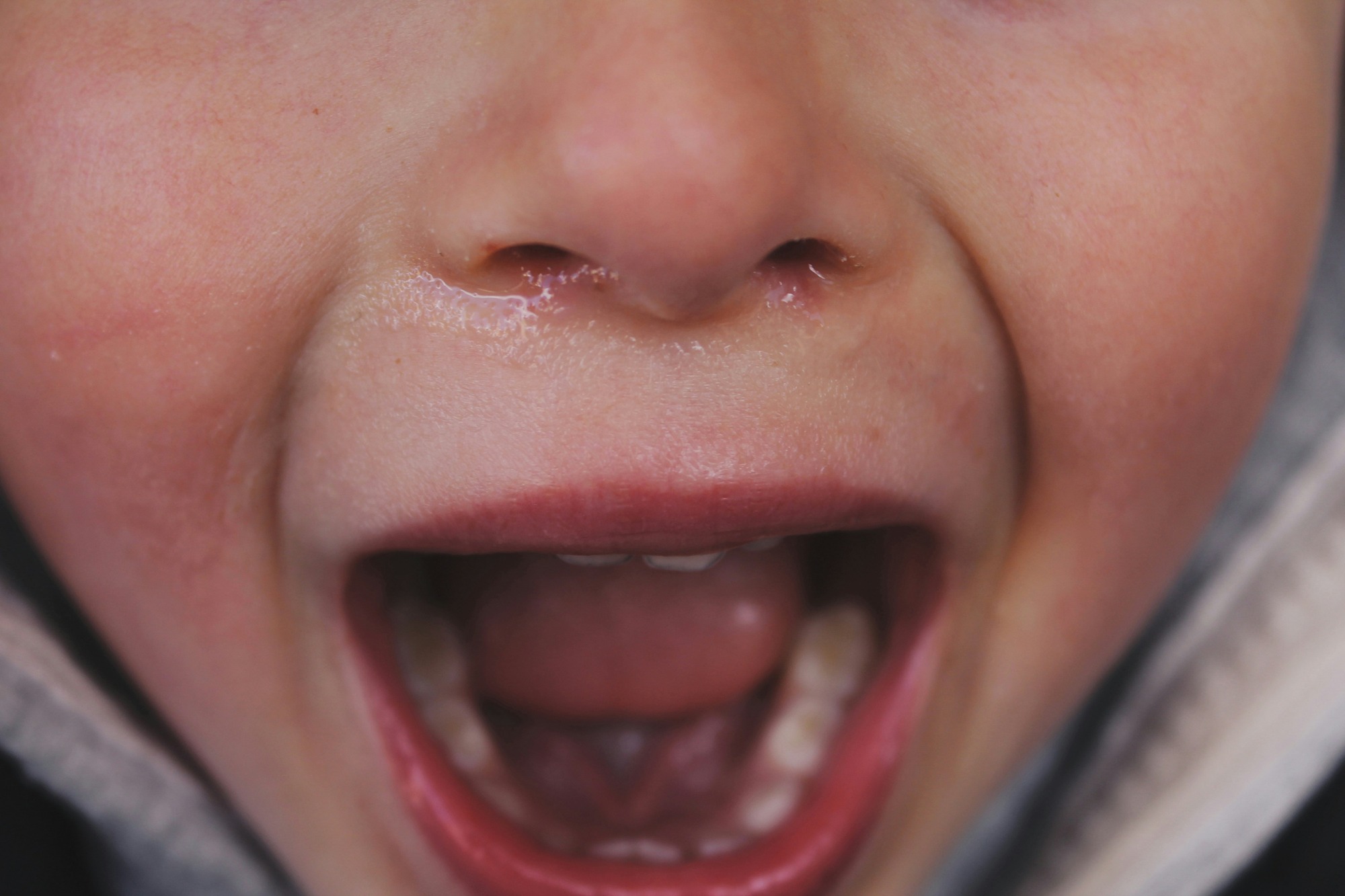
It starts with something small. The wrong color cup, a broken cracker, or the word “no.” Suddenly, your child is red-faced, flailing, and crying like their world is ending. You freeze between frustration and confusion. What happened?
What if we told you tantrums aren’t just normal—they’re actually a good sign? While they may feel disruptive or embarrassing in the moment, tantrums often signal healthy emotional development. Understanding this can shift how you respond and make parenting through these storms far more manageable.
Tantrums Are Emotional Workouts
Just like physical muscles grow through use, emotional regulation grows through struggle. A tantrum is a child’s raw attempt to cope with feelings they don’t yet understand—frustration, disappointment, fear, even hunger. Their brain is still under construction, especially the parts responsible for logic and impulse control.
So when your toddler drops to the floor because they wanted the blue spoon, it’s not about manipulation or misbehavior. It’s about an overwhelmed brain trying to process a big feeling without the tools yet to express it constructively.
This is where tantrums can actually be a sign of progress. They mean your child feels safe enough to let those feelings out. They’re experimenting with boundaries, communication, and independence, aka core parts of growing up.
Connection First, Correction Later
It’s tempting to go straight into discipline mode when a tantrum erupts. But in the height of emotional dysregulation, kids can’t hear logic or correction. They’re too flooded with stress. That’s why a calm, connected response is so effective.
The goal isn’t to “stop” the tantrum but to be a steady presence through it. Get on their level. Use a soft voice. Let them know you see their frustration: “You really wanted that toy. That’s hard.” This doesn’t mean giving in to unreasonable demands. It means validating the feeling behind the meltdown.
Later, once the wave passes, you can talk through what happened. That’s when kids are open to learning better ways to express themselves.

Tantrums Show That They Trust You
Here’s something that might surprise you: kids usually save their biggest meltdowns for the people they feel safest with. It might feel like an insult. Why do they behave for teachers or grandparents but unleash chaos on you?
It’s actually a sign of deep emotional trust. With you, they don’t feel the need to hold it all together. You’re their safe place to fall apart, which speaks volumes about your bond, even if it doesn’t feel like a compliment at the time.
What Triggers Tantrums the Most?
Though tantrums can seem unpredictable, common culprits include hunger, fatigue, overstimulation, transitions, and unmet desires. Many toddlers and young kids simply lack the vocabulary to say, “I’m overwhelmed” or “I don’t want to leave yet.” So they show it the only way they know how.
Being proactive, like offering choices, keeping routines, or giving time warnings before transitions, can help minimize outbursts. But no matter how well you plan, tantrums will still happen. The key is learning how to ride the wave without losing your cool.
Tantrums Don’t Mean You’re a Bad Parent
Let’s get one thing straight: tantrums do not reflect poor parenting. Even the calmest, most consistent caregivers have kids who scream in Target. It doesn’t mean you’re spoiling them, failing them, or raising a future delinquent.
It means your child is going through exactly what they’re supposed to be going through, and you’re right there with them. The fact that you’re looking for thoughtful ways to respond already proves you’re doing the work of a patient, attentive parent.
A Window Into Emotional Growth
Instead of dreading tantrums, try to view them as learning opportunities for your child and for you. Each meltdown is a moment where emotional muscles are being tested and, eventually, strengthened.
As your child learns to name their emotions, use words instead of wails, and accept limits with less protest, you’ll see the fruits of your consistency and connection. But that growth starts with understanding that tantrums aren’t signs of a child who’s broken. They’re signs of a child who’s becoming.
How do you usually respond when your child throws a tantrum? Has your approach changed over time?
Read More:
7 Signs Your Child Is Emotionally Overstimulated, Not Misbehaving
