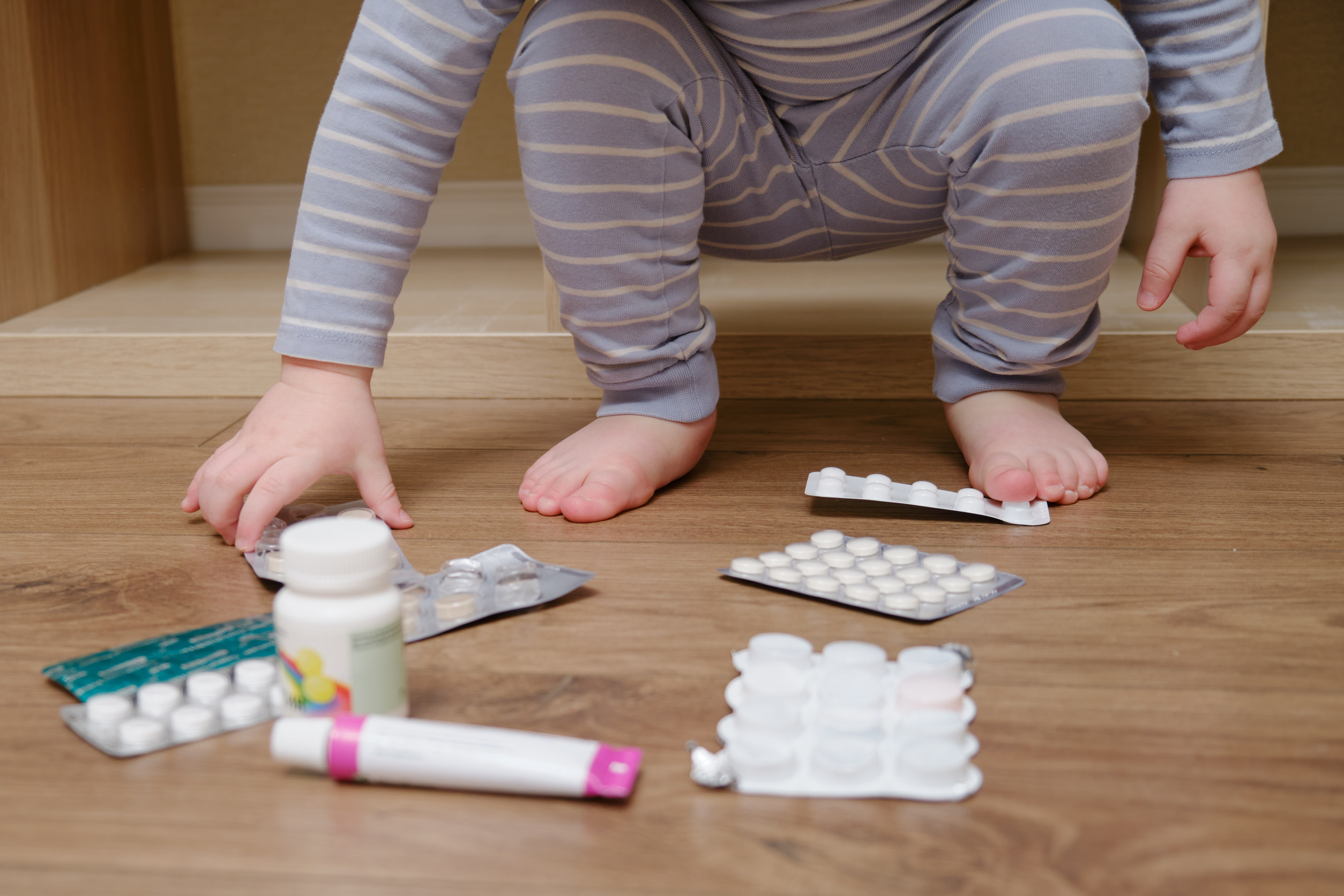
When your child is sick, it’s natural to reach for anything that promises relief. But sometimes, combining medications—even over-the-counter ones—can do more harm than good. Many parents don’t realize that mixing the wrong ingredients can cause dangerous side effects, allergic reactions, or overdoses. Even medications labeled as “safe for children” can become risky when paired with other seemingly harmless drugs. To help you navigate your child’s medicine cabinet with confidence, here are eight medication combinations dangerous for kids that every parent should know.
1. Acetaminophen and Cold Medicine
Many cold medications already contain acetaminophen (often listed as “APAP”), which makes it easy to double-dose without realizing it. Giving a separate dose of acetaminophen along with a multi-symptom cold remedy can quickly lead to liver damage. Since symptoms like fever and aches are common with colds, parents often give both unintentionally. Always read the label carefully and avoid layering medications unless advised by a pediatrician. This combo tops the list of medication combinations dangerous for kids because it’s so easy to overlook.
2. Ibuprofen and Aspirin
Both ibuprofen and aspirin are nonsteroidal anti-inflammatory drugs (NSAIDs), but they’re not safe to combine for children. Aspirin is especially dangerous in children due to the risk of Reye’s syndrome, a rare but potentially fatal condition. Even if you avoid aspirin, pairing it with ibuprofen can increase the risk of stomach bleeding or kidney damage. Stick to one pain reliever at a time, and never give aspirin to children unless explicitly told to do so by a doctor. The overlap of effects makes this one of the riskiest medication combinations dangerous for kids.
3. Antihistamines and Decongestants
Combining allergy medications like diphenhydramine (Benadryl) with decongestants such as pseudoephedrine (Sudafed) can cause rapid heart rate, high blood pressure, and increased drowsiness or irritability in kids. Many combination cold and allergy meds already include both, so adding an extra dose of either can result in accidental overdose. Young children are especially sensitive to these ingredients, which affect their nervous and cardiovascular systems. Always check whether a medicine is “multi-symptom” before adding anything else to the mix. This is a common yet often misunderstood medication combinations dangerous for kids’ scenario.
4. Cough Suppressants and Antihistamines
Using a cough suppressant like dextromethorphan together with an antihistamine can lead to excessive drowsiness or confusion in children. In some cases, kids may become overly sleepy, irritable, or experience trouble breathing. Parents may think treating multiple symptoms at once is helpful, but this mix can cause more discomfort than relief. Unless advised by your pediatrician, avoid giving multiple symptom relievers at the same time. The interaction makes this one of the more quietly problematic medication combinations dangerous for kids.
5. Iron Supplements and Antacids
If your child is prescribed iron for anemia, giving them an antacid (like Tums or Maalox) can interfere with iron absorption. The calcium or magnesium in the antacid can block iron from entering the bloodstream, making the supplement far less effective. Worse, this combo can also upset your child’s stomach or cause constipation. Always space out iron and antacid use by at least two hours. While it may not seem obvious, this is one of the lesser-known medication combinations dangerous for kids that can affect long-term health.
6. Antibiotics and Probiotics (Without Timing)
Probiotics can help reduce antibiotic-related side effects like diarrhea but taking them at the same time can cancel out their benefits. Antibiotics may kill the healthy bacteria in probiotics if given too closely together. This doesn’t make them inherently dangerous, but it does make them ineffective unless timed properly. To get the best result, wait at least two hours after the antibiotic dose before giving a probiotic. Without proper timing, this common pairing becomes a counterproductive medication combination dangerous for kids’ issue.
7. Multiple Products with Diphenhydramine
Diphenhydramine, found in Benadryl and many nighttime cold medications, is not meant to be stacked. Giving your child more than one product with this ingredient can lead to extreme drowsiness, confusion, or even seizures. Parents may not realize that the “PM” version of a cold med or allergy relief is already packed with this sedative. Always check the active ingredient list and avoid duplicates. This overlap of a single ingredient across brands is one of the sneakiest medication combinations dangerous for kids.
8. Herbal Supplements and Prescription Medications
Natural doesn’t always mean safe. Herbal remedies like St. John’s Wort, echinacea, or even melatonin can interact poorly with prescription medications for ADHD, asthma, or anxiety. These interactions may affect how well the prescription works or cause unexpected side effects. It’s essential to tell your child’s doctor about any vitamins or supplements they’re taking. Unregulated herbal products are often unrecognized medication combinations dangerous for kids, especially when mixed with prescribed treatments.
What You Don’t Mix Matters
Kids rely on adults to manage their medications safely, but product labels can be confusing, and symptoms can tempt even careful parents to over-treat. The good news is that avoiding risky medication combinations doesn’t require a medical degree—it just takes a few extra seconds to double-check ingredients and ask your pediatrician when in doubt. Remember, more medication doesn’t always mean more relief. Understanding the medication combinations dangerous for kids is a simple way to keep your child healthier and out of the emergency room.
Have you ever caught a potentially dangerous combo before giving it to your child? What medication tips do you swear by? Share your experience in the comments!
Read More:
8 Everyday Products Dangerous for Toddlers
The Quiet Killer: 8 Hidden Hazards In Your Nursery You’re Not Checking

Catherine is a tech-savvy writer who has focused on the personal finance space for more than eight years. She has a Bachelor’s in Information Technology and enjoys showcasing how tech can simplify everyday personal finance tasks like budgeting, spending tracking, and planning for the future. Additionally, she’s explored the ins and outs of the world of side hustles and loves to share what she’s learned along the way. When she’s not working, you can find her relaxing at home in the Pacific Northwest with her two cats or enjoying a cup of coffee at her neighborhood cafe.
