Schools cover a lot—reading, math, science, and history—but some of life’s most important lessons don’t appear in any textbook. Real-life skills like budgeting, cooking, negotiation, time management, and emotional intelligence often get skipped in favor of standardized testing. That’s where parents come in. The world outside the classroom is full of valuable teaching moments if you know where to look. You don’t need a formal curriculum to help your child become capable, confident, and self-sufficient.
Whether your child is a toddler or a teen, these everyday places can become powerful learning environments. Each one offers hands-on opportunities to build practical knowledge they’ll use for the rest of their lives. Let’s take a look at 10 spots where kids can gain real-world experience and pick up real-life skills that schools often leave out.
1. The Grocery Store
The grocery store is a crash course in budgeting, nutrition, planning, and patience. Have your child help make the shopping list, compare prices, or keep track of spending. They’ll quickly learn how to make trade-offs, read labels, and stick to a plan. Older kids can calculate unit prices and determine which items offer better value. This is one of the easiest ways to sneak in lessons on money management and healthy choices.
2. The Kitchen
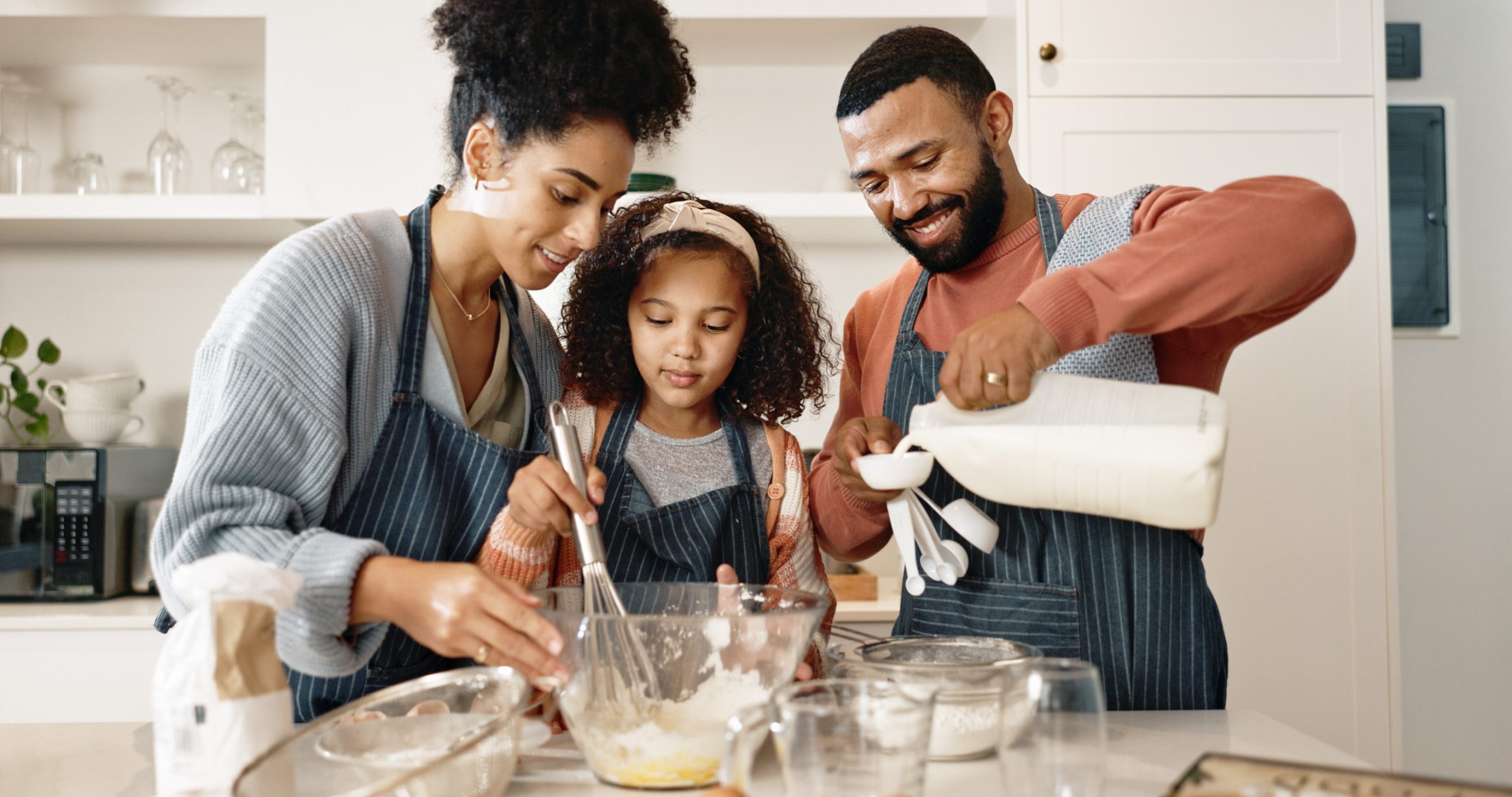
Cooking teaches more than just how to follow a recipe—it builds confidence, creativity, and independence. Measuring ingredients helps with math, while prepping meals reinforces safety, cleanliness, and nutrition. Kids also learn time management and how to multitask effectively. Let younger kids wash veggies or stir ingredients, and give older ones control over simple meals. Kitchen time is hands-on, satisfying, and endlessly useful in adulthood.
3. The Library
Libraries offer more than books—they teach responsibility, self-directed learning, and digital literacy. Kids learn how to find information, manage return deadlines, and explore topics that interest them. Library cards can be their first experience with personal accountability. Many libraries also offer free workshops, tech classes, and community events. It’s a great way to build curiosity while reinforcing real-life skills like organization and follow-through.
4. The Bank
A visit to the bank (or even using a banking app together) is an opportunity to demystify money. Kids can learn how to deposit checks, understand savings and interest, and see where their money goes. Explain the difference between checking and savings accounts and how budgeting tools work. This real-world exposure builds financial literacy from a young age. It also opens the door to conversations about earning, spending, and saving wisely.
5. The Post Office
While it may seem old-school, the post office teaches kids how to address mail, understand postage, and follow procedures. They can learn about sending packages, filling out forms, and respecting queues and deadlines. Understanding how systems work—from stamps to tracking numbers—teaches attention to detail. It’s a small but valuable lesson in responsibility and logistics. Plus, writing letters helps build communication and social skills.
6. Local Volunteer Organizations
Volunteering is one of the best ways to teach empathy, teamwork, and social responsibility. Whether they help at an animal shelter, food bank, or park clean-up, kids gain real-life skills that go far beyond the classroom. They see the impact of their actions and develop a deeper appreciation for their community. Volunteering also helps kids practice leadership, follow directions, and interact with diverse groups of people. It’s an excellent way to foster gratitude and personal growth.
7. The Hardware Store
A trip to the hardware store can turn into a masterclass in problem-solving and home maintenance. Talk about how different tools work, why materials cost what they do, and how to plan for a repair project. Let kids help choose paint colors, count screws, or measure lumber. Projects at home—like fixing a leaky faucet or building a shelf—teach practical skills that schools rarely touch. This kind of hands-on learning builds both competence and confidence.
8. Family Budget Meetings
Inviting your kids into simple money discussions at home helps them understand how financial decisions get made. Break down the basics of income, expenses, bills, and savings goals. Let them suggest ideas for cutting costs or saving up for something fun as a family. Kids who are included in budgeting early learn to be thoughtful and realistic about money. It’s one of the best ways to model financial responsibility.
9. The Car
The car can be a classroom on wheels, from filling up gas to checking tire pressure. Show kids how to read the dashboard, schedule maintenance, or even change a tire. Older teens should know how to budget for gas and basic car care before they’re handed keys. These lessons teach responsibility, attention to detail, and long-term planning. Plus, they help prevent costly mistakes down the road.
10. The Workplace (Even Just Visiting Yours)
Letting your child see what you do for work teaches them about effort, routine, and professionalism. Whether it’s an office, construction site, or small business, they’ll start to understand the value of time and labor. Ask if they want to help with simple tasks or shadow for an hour. It gives context to your daily schedule and helps them think about their own future goals. Plus, they’ll appreciate your efforts more when they see what “a day at work” really means.
Real-Life Lessons Don’t Require a Lesson Plan
You don’t need to be a teacher to teach real-life skills. Daily errands and household routines can become powerful learning moments with just a little intention. By involving your kids in the real world, you’re preparing them for the kind of independence, resilience, and resourcefulness no standardized test can measure.
What everyday places have helped your kids learn real-world lessons? Share your insights in the comments!
Read More:
How to Teach Kids to Say No—Even to Grownups
How Do You Teach Kids About Consent and Boundaries?

Catherine is a tech-savvy writer who has focused on the personal finance space for more than eight years. She has a Bachelor’s in Information Technology and enjoys showcasing how tech can simplify everyday personal finance tasks like budgeting, spending tracking, and planning for the future. Additionally, she’s explored the ins and outs of the world of side hustles and loves to share what she’s learned along the way. When she’s not working, you can find her relaxing at home in the Pacific Northwest with her two cats or enjoying a cup of coffee at her neighborhood cafe.
