
If you’ve ever hesitated between packing lunch or letting your child eat in the cafeteria, you’re not alone. Many parents assume a homemade meal is always healthier—but today’s federally regulated school lunches sometimes come out ahead. Here’s a look at why the cafeteria tray may beat the lunchbox more often than you’d guess.
School Lunches Follow Strict Nutrition Standards
Meals served through the National School Lunch Program are designed to cover roughly one‑third of a child’s daily nutrient requirements. Regulations mandate a minimum amount of fruits, vegetables, whole grains, and lean proteins while capping sodium and saturated fat. Cafeterias must also rotate colorful produce and offer low‑fat or fat‑free milk.
By contrast, a packed meal is limited only by parental diligence and morning time constraints. If you’re running late, it’s easy to default to cheese crackers, processed deli meat, or a single piece of fruit—choices that rarely meet the comprehensive standards set for school kitchens.
Packed Lunches Often Contain More Sugar
Convenience items like juice boxes, cookies, and fruit snacks slip into lunch bags easily. In one large study comparing cafeteria and home‑brought meals, researchers found packed lunches averaged significantly higher amounts of added sugar and dessert items—a difference linked to increased overall calorie intake.
Fruits and Vegetables: Cafeterias Have the Edge
Most districts require students to put at least one fruit or vegetable on the tray. That simple rule works: students who regularly choose school meals eat more produce than peers with packed lunches, according to peer‑reviewed data published in the Journal of Nutrition Education and Behavior.
Many districts employ a simple but effective rule: every student must select at least one fruit or vegetable before reaching the cashier.
That policy, combined with eye‑catching salad bars and pre‑cut produce cups, significantly increases the odds that kids will actually eat their greens (or reds, oranges, and purples). In contrast, the carrot sticks nestled beside a homemade sandwich often come back home untouched, wilted by afternoon. Over time, the cafeteria’s mandatory produce approach adds up to a greater overall intake of fiber, vitamins, and disease‑fighting antioxidants.
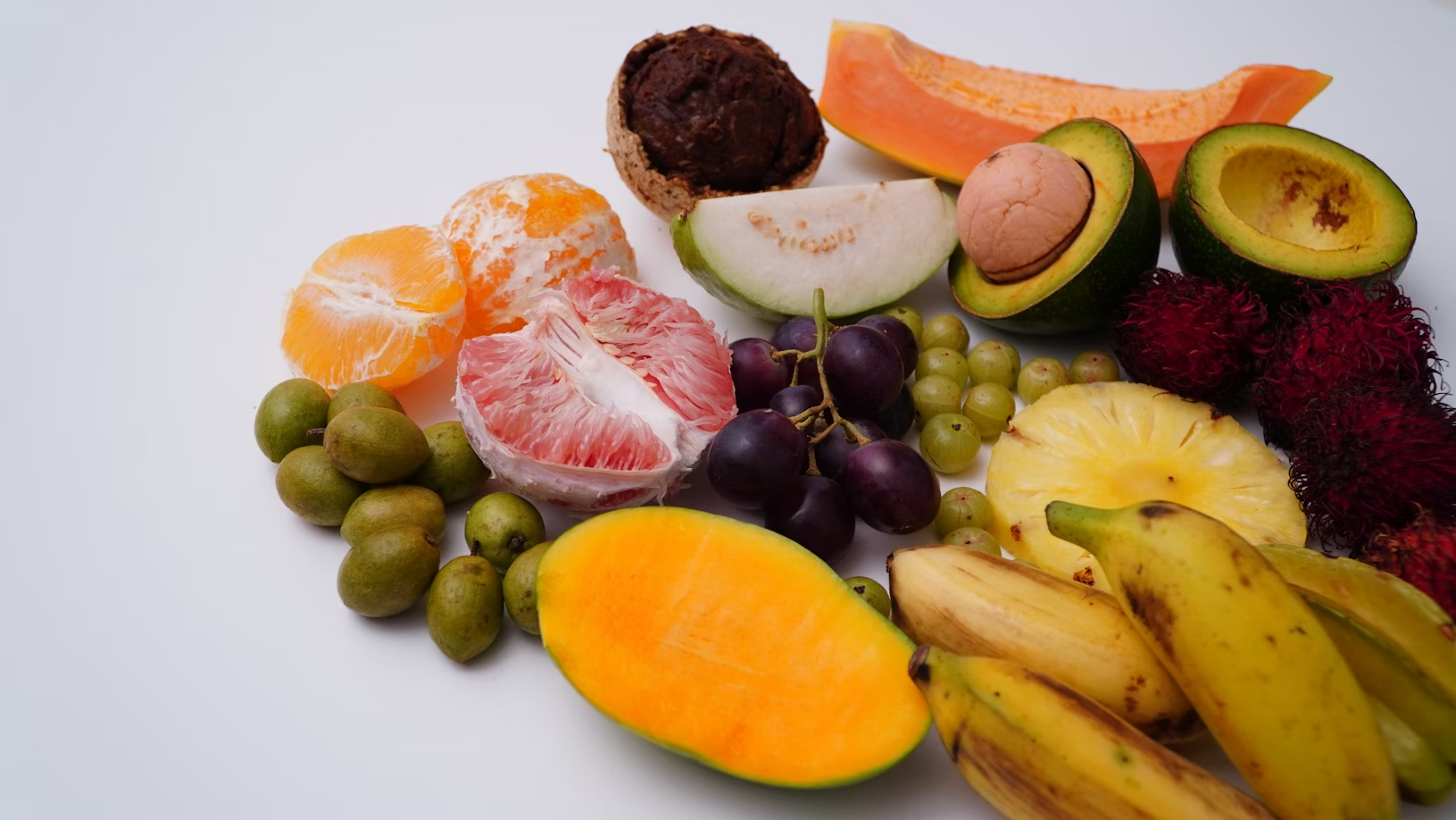
Fiber, Vitamins, and Fat: A Nutrient Check
On average, school lunches deliver more fiber, calcium, and vitamin A while containing less saturated fat than the typical packed alternative. Unless parents plan carefully—think whole‑grain bread, fresh produce, and low‑fat dairy—lunchbox nutrition can fall short.
Cost Isn’t Always What It Seems
At first glance, packing may look cheaper, but rising grocery prices narrow the gap. When researchers at the School Nutrition Association compared actual ingredient costs and container expenses, they found the price difference was minimal—and school meals offered higher nutrient density per dollar.
Many parents assume packing saves money, but rising grocery costs, single‑serve packaging, and the hidden expense of reusable containers can quickly erode perceived savings. Analyses that factor in both ingredients and packaging reveal a surprisingly narrow price gap, and in some cases, school lunches actually offer more nutrients per dollar. For families eligible for free or reduced‑price meals, the cafeteria option can be markedly cheaper without sacrificing quality.
How to Decide What’s Best for Your Family
- Mix and match. Let kids buy lunch on days the menu features balanced favorites, and pack when you want more control.
- Upgrade the lunchbox. If you do pack, aim for at least one fruit, one vegetable, and a whole‑grain main item each day.
- Check the menu together. Reviewing options with your child encourages mindful choices—whether from home or school.
The bottom line: school lunches are often, but not always, the healthier option. A quick look at what’s on the tray—and what’s going in the lunchbox—can help you make the best call for your child.
What are your thoughts regarding your child nutriotional habits? Let us know in the comments below!
Read More
- 15 Nostalgic Snacks and Treats We Wish Would Make a Comeback
- 4 Strategies to Encourage Healthy Eating Habits in Kids

Samantha Warren is a holistic marketing strategist with 8+ years of experience partnering with startups, Fortune 500 companies, and everything in between. With an entrepreneurial mindset, she excels at shaping brand narratives through data-driven, creative content. When she’s not working, Samantha loves to travel and draws inspiration from her trips to Thailand, Spain, Costa Rica, and beyond.
