
There comes a moment in many households that catches parents off guard: your daughter asks to wear makeup. Whether it’s a swipe of lip gloss before school or a request for mascara before a sleepover, it can leave you wondering—“Is she too young?”
While our first reaction might be rooted in concern, the conversation around kids wearing makeup is far more nuanced than a quick yes or no.
The good news? Psychologists point to guidelines—rather than a single “magic age”—and recommend a thoughtful approach grounded in communication, culture, and confidence.
There’s No One‑Size‑Fits‑All Answer
If you’re hunting for a universal age, you won’t find it. Developmental experts note that emotional maturity, family values, and community norms matter more than the number on a birthday cake. In some homes, makeup is seen as playful and harmless; in others, it symbolizes growing up too fast.
The key is identifying what makes sense for your child and your parenting style, then revisiting the conversation as she develops.
Cultural Norms Matter More Than You May Realize
Makeup can signal very different things depending on where—and how—you were raised. In some cultures, cosmetics are part of tradition or spirituality; in others, they’re tied to adulthood.
This wide variation shows there’s no universal social script. What feels “too young” in one community might be completely age‑appropriate in another. Considering cultural context helps parents avoid snap judgments and craft boundaries that fit their family’s worldview.
Your Attitude Toward Makeup Matters Most
Parents often overlook how their own routines shape kids’ perceptions. If you treat makeup as fun or expressive, your child may view it that way. If it seems like a daily necessity, she might learn that appearance comes first. Modeling balanced messages around beauty, confidence, and self‑care goes further than any rulebook.
Ask yourself: “What does my makeup routine communicate about self‑worth?”
The Psychological Impact Is Real—But Manageable
A little lipstick on its own may be harmless, yet peer pressure can give cosmetics extra weight. Rather than treating makeup as the culprit, use it as a springboard for honest talks about body image and media influence. Reinforcing skills like media literacy and self‑compassion keeps appearance anxiety in check.
Start with Healthy Ground Rules and Ongoing Talks
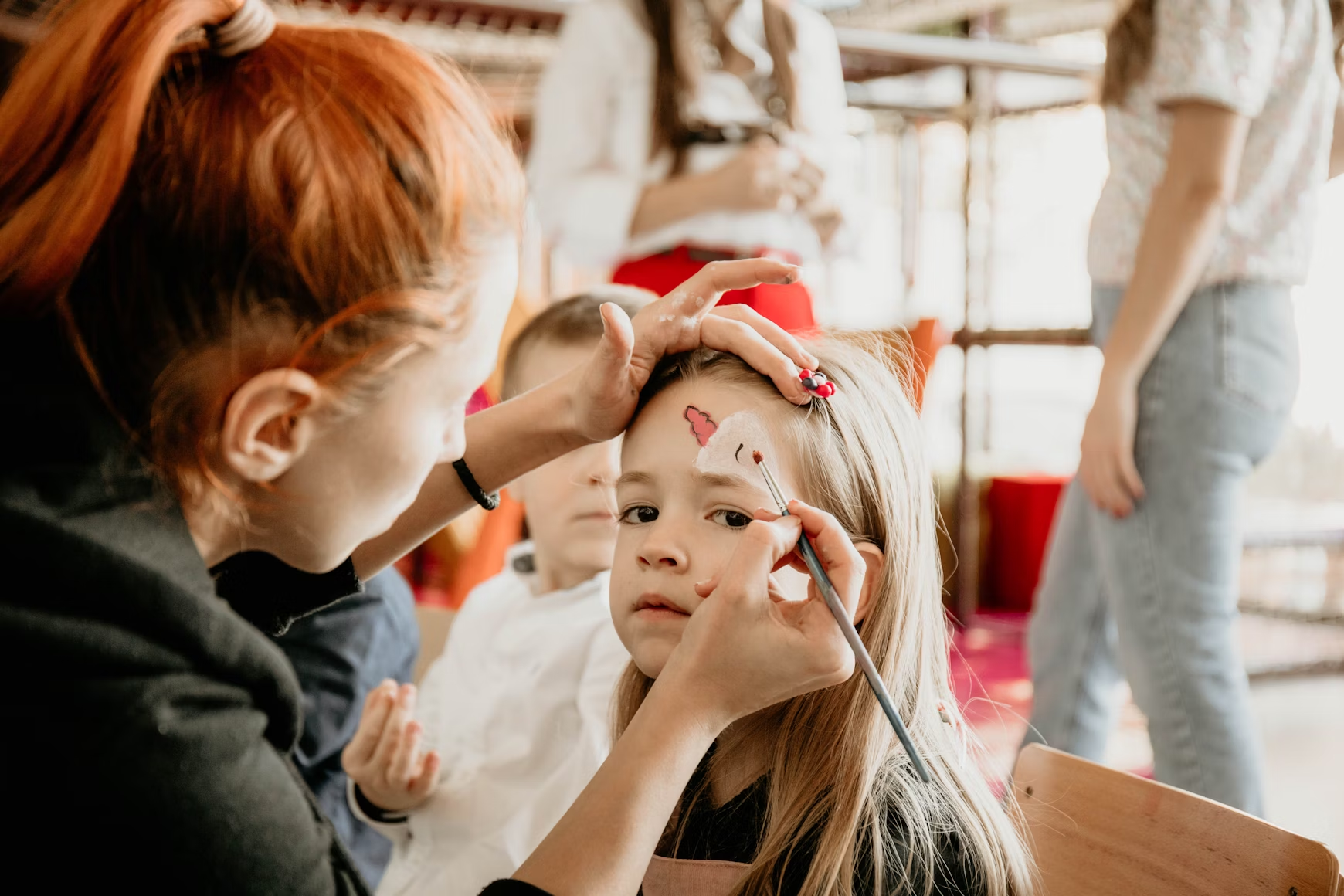
Introducing makeup should be gradual and guided. Many parents find success limiting it to playtime or special occasions at first, then expanding privileges as maturity grows.
Emphasize that cosmetics are a form of self‑expression—not a requirement—and keep discussions open as peer dynamics shift. A good starting point is sheer or natural products that feel more like “training wheels” than a full glam look.
It’s Less About Age—More About Readiness
Still unsure? Focus on emotional and social readiness. Can your child handle comments—positive or critical—about her appearance? Does she understand basic hygiene like removing makeup properly and not sharing products? Is she using cosmetics for fun, or because she feels “less than” without them?
These answers reveal whether she’s prepared, far better than any age guideline.
A Thoughtful First Step Makes All the Difference
Instead of issuing a hard yes or no, frame this milestone as a coaching moment. You can show your child how to choose safe products, budget wisely, and emphasize skin care. Matching nail colors or experimenting with bold (but washable) eye shadow during home playtime can keep the spotlight on fun rather than flaw‑fixing. The discussion is bigger than blush—it’s about fostering confidence and balanced values.
Navigating Makeup with Heart and Intention
Letting your daughter wear makeup doesn’t have to be an all‑or‑nothing choice. By staying tuned in, setting age‑appropriate boundaries, and maintaining open dialogue, you nurture self‑worth over surface impressions.
Remember, the goal is not to ban or endorse cosmetics wholesale but to help your child understand her beauty and strength come from within. Like many parenting milestones, makeup is another chance to connect, validate, and empower.
Do you let your child wear makeup? Share your thoughts in the comments below!
Read More

Samantha Warren is a holistic marketing strategist with 8+ years of experience partnering with startups, Fortune 500 companies, and everything in between. With an entrepreneurial mindset, she excels at shaping brand narratives through data-driven, creative content. When she’s not working, Samantha loves to travel and draws inspiration from her trips to Thailand, Spain, Costa Rica, and beyond.
