Politeness never goes out of style, yet some manners drilled into us decades ago feel more performative than purposeful in 2025. Many of today’s parents want their children to be respectful and authentic, not simply compliant for appearances’ sake. That means re-examining certain etiquette “musts” we absorbed at grandma’s dinner table or in elementary classrooms.
If a rule stifles a child’s autonomy, complicates consent, or ignores inclusivity, maybe it belongs in the past. Updating our approach isn’t about tossing courtesy aside—it’s about aligning social skills with current values of consent, diversity, and mental health.
Just as language and technology evolve, so do social expectations. Children now navigate multicultural classrooms, digital friend groups, and less hierarchical family structures. Teaching them blanket obedience can undermine critical thinking in complex settings. Instead of forcing outmoded customs, we can model empathy, consent, and authentic connection—skills they’ll actually use in future workplaces and relationships. Below are 10 etiquette standards many of us once followed without question, plus the alternative lessons we’re choosing to pass on to the next generation.
1. Always Hug Relatives—Even When You Don’t Want To
Past Rule: “Give Auntie a hug; don’t be rude.”
Modern Swap: Today, parents emphasize body autonomy so children choose whether to hug, high-five, or wave. Respecting a child’s “no” teaches them their boundaries matter and must be honored by others. It also models consent, an essential skill for future relationships. Relatives can still feel welcomed through warm words and eye contact, proving physical contact isn’t the only sign of love. Physical contact becomes an option, not an obligation.

2. Clean Your Plate No Matter What
Past Rule: Wasted food was a sign of disrespect.
Modern Swap: Modern families instead encourage intuitive eating and mindful portioning. Letting children stop when full builds healthier lifelong habits and prevents power struggles at meals. Parents can offer smaller servings first and allow seconds if hunger persists. Respect for food now includes reducing waste through better planning. The focus shifts from empty plates to listening to the body’s cues.
3. Address All Adults as “Sir” or “Ma’am”
Past Rule: Formal titles equaled instant respect.
Modern Swap: Today’s etiquette emphasizes learning and using each person’s preferred name and pronouns. Respect shows up in warm eye contact, attentive listening, and polite language more than honorifics alone. This flexible approach supports inclusivity and diverse identities in modern communities. Children still learn courtesy but without rigid formulas that can exclude or mislabel. Individual preferences become the guide.
4. Never Talk About Feelings at the Dinner Table
Past Rule: Keep conversation light; big emotions are “impolite.”
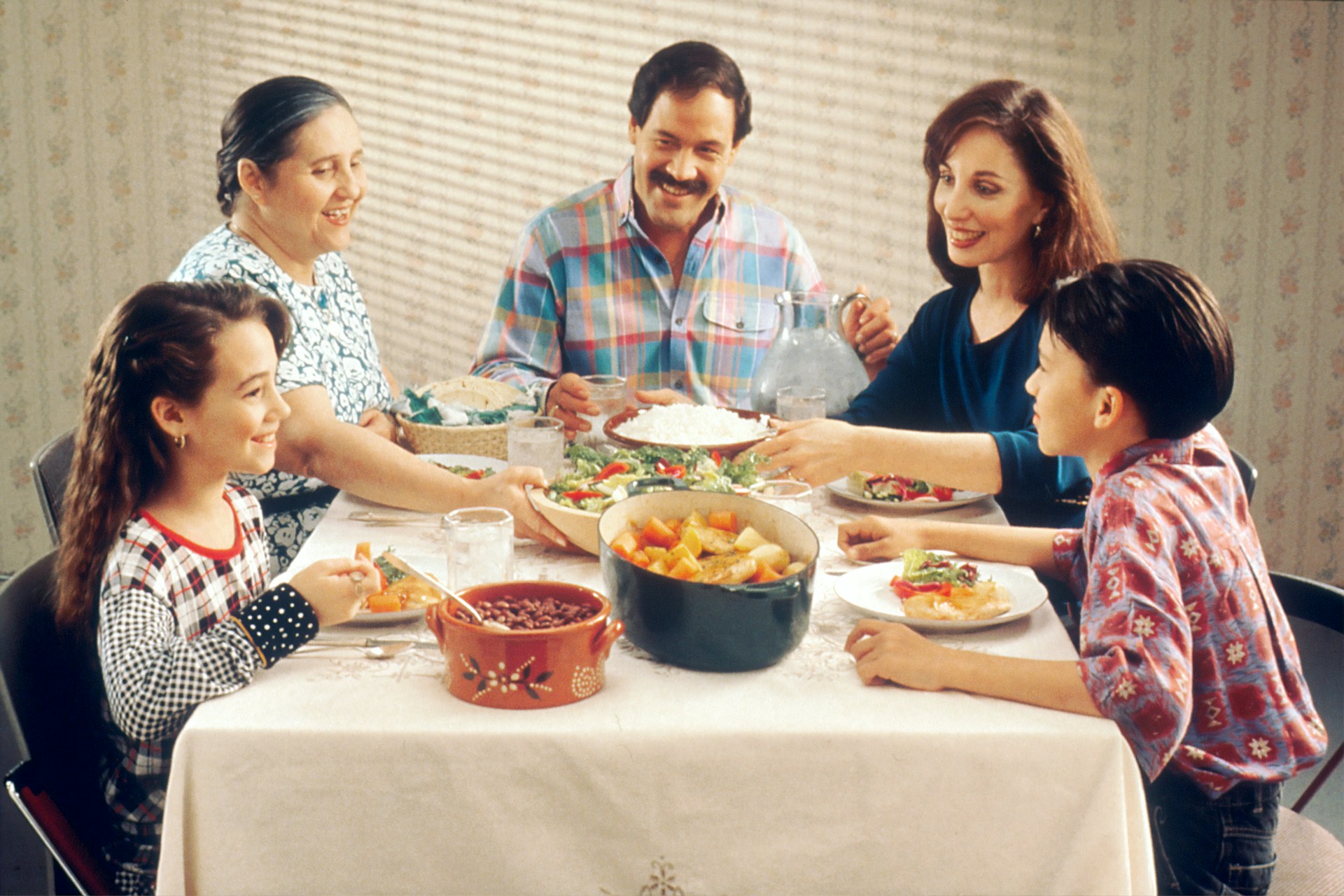
Modern Swap: Now, many parents treat dinner as a safe space for emotional check-ins. Sharing highs, lows, and coping strategies deepens family bonds and emotional intelligence. Kids practice naming feelings and listening with empathy to others’ experiences. The table transforms into a classroom for healthy communication instead of silent etiquette drills. Big emotions become welcome guests rather than taboos.
5. Answer the Landline Politely—Even If You’re Busy
Past Rule: Dropping everything for a ringing phone showed good manners.
Modern Swap: Today, presence and focus outrank instant responses to calls or notifications. Kids are taught it’s courteous to finish ongoing conversations or tasks before picking up. Voicemail, text replies, or scheduled callbacks maintain politeness without sacrificing mindfulness. This shift counters tech overload and reinforces boundaries around personal time. Manners adapt to digital realities while preserving respect.
6. Boys Don’t Cry, Girls Don’t Burp
Past Rule: Gendered behavior defined “proper” conduct.
Modern Swap: Modern parenting rejects those stereotypes as outdated and harmful. All children may express feelings openly and manage natural body processes responsibly. Courtesy is recast as empathy, self-awareness, and consideration for others—not gendered repression. Allowing tears or laughter regardless of sex nurtures emotional health. Everyone learns respect through authenticity rather than restrictive roles.
7. Always Wear “Proper” Attire to Appear Respectable
Past Rule: External appearance signaled character.
Modern Swap: Today’s rule of thumb is situational appropriateness paired with self-expression. Kids learn to choose clothing that suits the occasion while honoring comfort and identity. Respect stems from behavior and attitude rather than a single fashion standard. Inclusivity means jeans, cultural attire, or adaptive gear can all be respectful. Personal style and respect coexist peacefully.
8. Respond Immediately to Every Adult Request
Past Rule: Instant compliance proved you were well-raised.
Modern Swap: Current thinking values respectful dialogue and critical thought instead. Kids are encouraged to ask clarifying questions or express needs before complying. Practicing polite negotiation prepares them for future collaborations and healthy boundaries. Cooperation replaces blind submission, fostering mutual respect between generations. Adults model listening just as much as leading.
9. Silence at the Table (Children Should Be Seen, Not Heard)
Past Rule: Kids stayed quiet while adults talked.
Modern Swap: Practice conversation skills. Turn-taking, active listening, and sharing opinions teach confidence and respect across ages. This inclusion boosts confidence and shows their voices matter at home and beyond. Lively yet courteous discussion enriches the meal’s social flavor. Dialogue, not silence, defines modern table manners.
10. Send Thank-You Notes in Cursive Only
Past Rule: Formality mattered more than authenticity.
Modern Swap: Modern etiquette prioritizes sincerity over medium or penmanship style. Kids can express thanks through drawings, voice messages, short videos, or printed notes. The goal is heartfelt appreciation, delivered in an accessible format. Technology and creativity expand, rather than replace, genuine acknowledgment. Gratitude becomes personalized and meaningful, not merely formal.
Rethinking Manners for a Kinder Tomorrow
Discarding outdated etiquette doesn’t mean raising rude children—it means teaching manners rooted in empathy, autonomy, and relevance. When kids learn why a courtesy matters, they’re more likely to practice it sincerely rather than performatively.
Which old-school rule will you retire—or reinvent—first, and what new habit will you teach in its place? Share your thoughts and family experiments in the comments; we can build a kinder code of conduct together!
Read More
- Tired of Chaos? Blunt Advice for Restoring Order at Home
- Parenting Fairness: 10 Tips to Make Sure Both Parents Share the Load

Samantha Warren is a holistic marketing strategist with 8+ years of experience partnering with startups, Fortune 500 companies, and everything in between. With an entrepreneurial mindset, she excels at shaping brand narratives through data-driven, creative content. When she’s not working, Samantha loves to travel and draws inspiration from her trips to Thailand, Spain, Costa Rica, and beyond.
