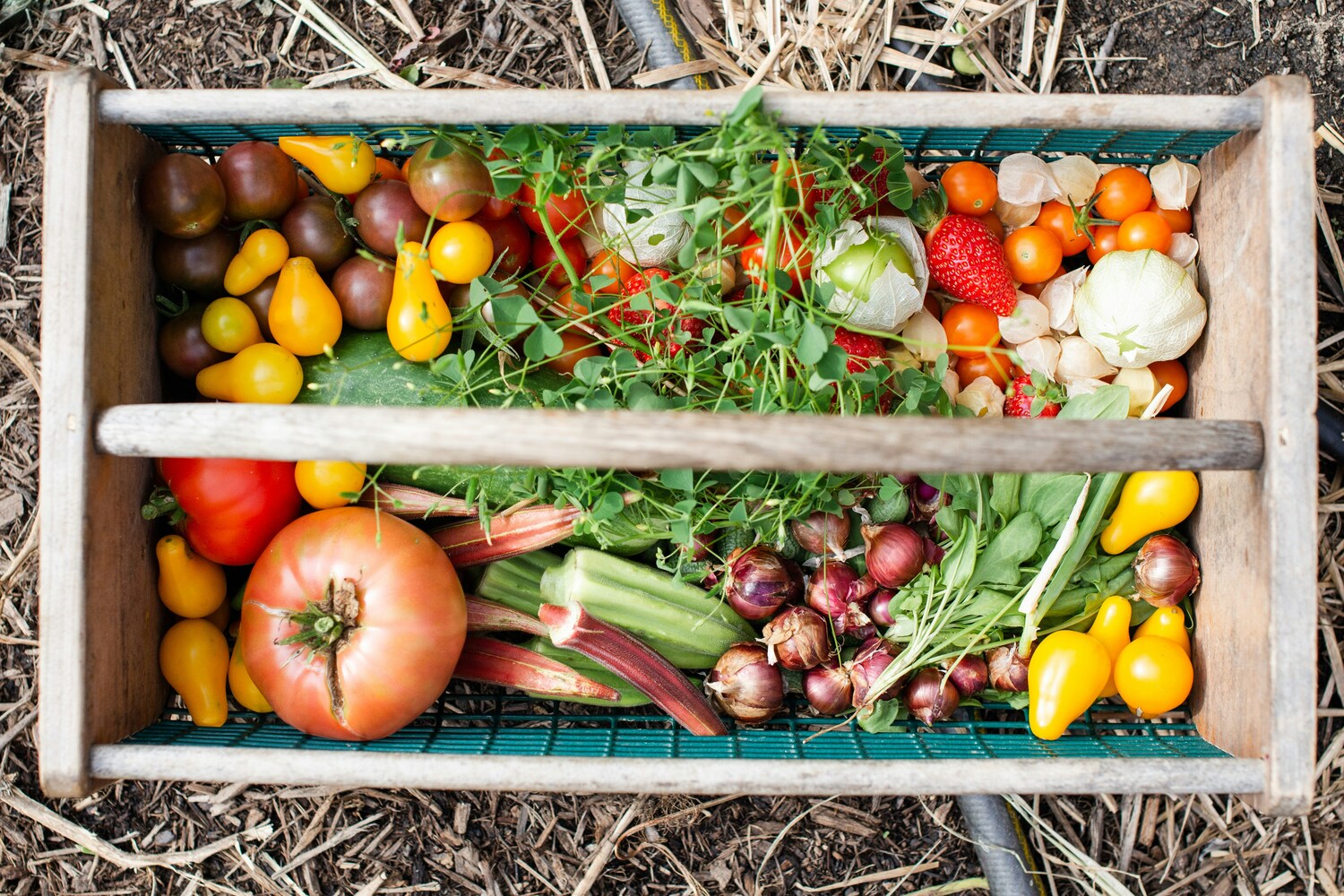
A decade ago, families were racing to the suburbs—eager for HOA amenities, school districts, and the promise of a white picket fence. But today, a growing number are doing the opposite. They’re trading in sidewalks for soil, swim teams for seed catalogs, and HOA bylaws for homemade jam.
Homesteading, once viewed as a niche or old-fashioned lifestyle, is seeing a powerful resurgence among young families. And it’s not just about prepping or going off the grid. For many, it’s about reclaiming control, connection, and a sense of purpose that suburban life can sometimes quietly drain.
A Lifestyle Reboot, Not a Step Backward
For the families embracing homesteading, the shift isn’t about escaping society. It’s about reimagining it. It’s about slowing down, opting out of over-scheduled days, and building a home that’s more functional than fashionable.
Parents are finding that growing their own food, raising backyard chickens, and learning to preserve harvests aren’t just “extra chores.” They’re opportunities to teach kids resilience, patience, and where their dinner actually comes from. In contrast, suburban life, despite its conveniences, can feel sterile, disconnected, and overly reliant on external systems.
Replacing Consumerism With Capability
Suburban living often comes with a high cost—not just in mortgage payments but in the constant pressure to keep up. There’s a temptation to buy rather than build, replace rather than repair, outsource rather than learn.
Homesteading flips that on its head. Families start asking, “Can we grow this?” instead of “Where can we buy it?” They begin preserving food in jars instead of letting leftovers rot in the fridge. They repair clothes, barter with neighbors, and find satisfaction in the skill (not the speed) of their lifestyle.
It’s not that homesteading is easier. In fact, it can be a ton of work. But many families are realizing that hard work done together feels less exhausting than the endless rush of suburban life done apart.
Health, Food, and the Family Table
Another major driver? Food. Homesteading families care deeply about what’s on their plates and how it got there. In a world where food supply chains feel increasingly fragile, and labels can be confusing or misleading, growing your own carrots or raising your own eggs provides clarity and confidence.
Homestead life brings kids into the food journey, too. Children plant seeds, watch them grow, pull weeds, harvest produce, and help turn it into dinner. It’s experiential education that no app or classroom can fully replicate.
Parents also report fewer behavioral issues, improved attention spans, and a greater willingness to try new foods. All because kids were part of the process.
Nature as the New Neighborhood
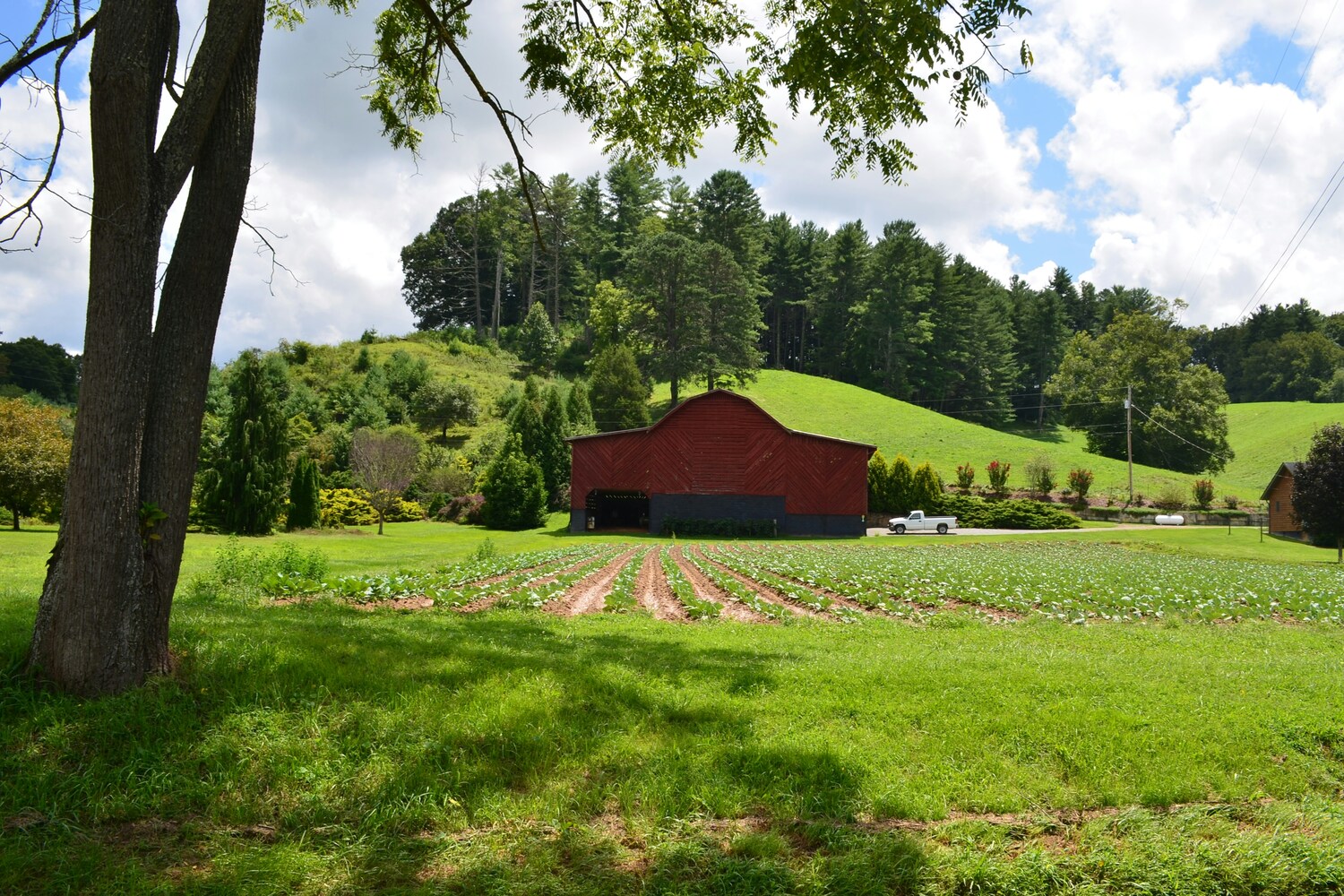
Backyards in suburbia often sit unused or become just another chore to maintain. On a homestead, every inch serves a purpose. Families spend time outside together, not just to play but to work, observe, and appreciate the rhythm of nature.
For many parents, this is a game-changer. Instead of separating “family time” from chores or exercise, homesteading combines them. Kids feed goats alongside their parents, tend gardens before breakfast, and build forts out of leftover wood from the chicken coop.
It’s a far cry from screen-heavy suburban weekends filled with errands, soccer tournaments, and dinner out.
Escaping the Noise (Literally and Figuratively)
There’s a quiet calm that comes with homesteading life. Not just the literal peace of hearing crickets instead of traffic—but the psychological relief of having fewer inputs competing for attention.
Many families report that their relationships improve after making the shift. Without constant background noise—notifications, social pressures, and time-crunch commutes—conversations deepen. Siblings bond. Parents feel more present. Stress, while still a part of life, takes a different shape.
It’s Not Just for the Privileged Few
There’s a misconception that homesteading is only possible for wealthy families who can buy land outright or work remotely. And while it’s true that moving rural takes planning, homesteading itself is scalable.
Some families homestead on five acres. Others do it in backyards or even balconies. It’s not about size. It’s about mindset. The goal is self-reliance, not perfection. It’s about building a life where your family contributes more than it consumes.
Whether that means canning tomatoes from your own tiny raised beds or keeping a compost bin in your apartment kitchen, homesteading is less about where you live and more about how you live.
A Movement Rooted in Values, Not Just Vegetables
At its heart, homesteading isn’t just about food or finances. It’s about values. Families are choosing a lifestyle that aligns with what they believe matters: sustainability, simplicity, community, and time together.
They’re opting out of a system that often feels rushed, reactive, and transactional and choosing one that feels grounded, thoughtful, and hands-on.
As more parents reconsider what “success” looks like for their families, homesteading offers an increasingly appealing answer. It may not come with HOA perks, but for many, it comes with something better: purpose.
Would you ever consider a homesteading lifestyle, or have you already started taking steps toward one in your own backyard?
Read More:
Suburbs Or City: Where Is The Best Place To Raise A Family?
Affordable and Sensible Ways to Take Care of Your Garden Long-Term
