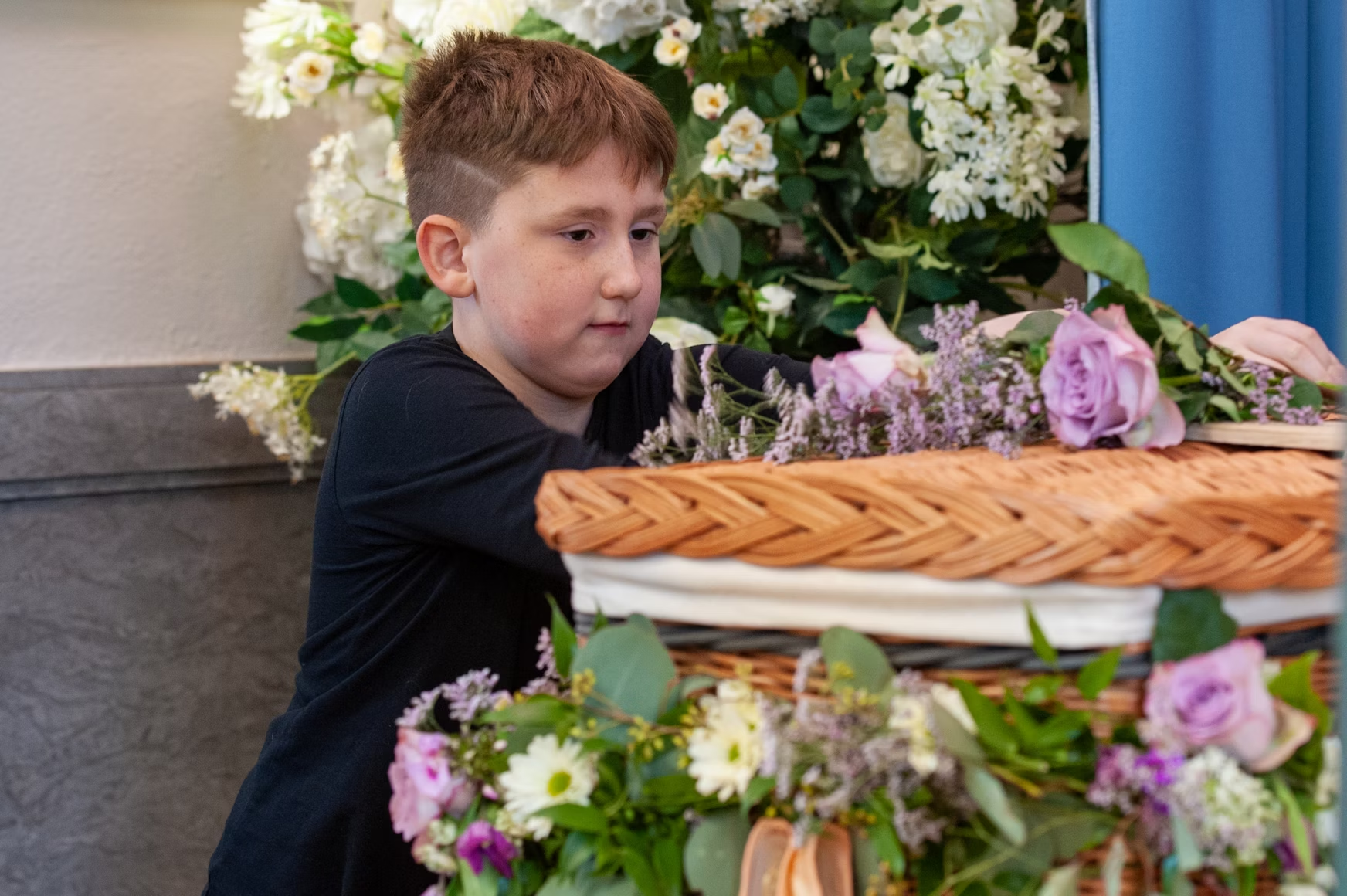
Losing a parent is a life-altering event—especially for a child.
When a child’s world is suddenly turned upside down by the death of a parent, the right words can offer a lifeline. It’s one of the hardest conversations a caregiver can face, but it’s also one of the most important. Children often feel confused, fearful, and even guilty after such a loss, and how we speak to them matters deeply. Below, we’ve gathered seven supportive phrases and approaches to help guide you through what to say to a child when a parent dies—along with practical tips rooted in empathy, honesty, and love.
Whether you’re a co-parent, grandparent, teacher, or close family friend, these words can help a grieving child begin to understand, feel safe, and find strength in their sadness.
1. “They died. Their body stopped working, and they won’t be coming back.”
Children need clear, age-appropriate language when learning about death. That means using concrete terms like “died” instead of vague euphemisms such as “passed on” or “gone to sleep,” which can confuse or even scare them. While it may feel harsh to say it out loud, it removes ambiguity and helps them start to process reality. According to Winston’s Wish, being honest and direct gives children a foundation to trust the adults around them.
Practical Tip: If your child asks questions you don’t know how to answer, it’s okay to say, “I don’t know. But I do know I’m here for you.”
2. “You didn’t cause this—and it’s not your fault.”
Grieving children often carry unseen guilt. It’s not uncommon for young minds to believe that something they said, did, or even thought somehow led to their parents’ death. Reassuring them that they are not to blame is a powerful step in helping them let go of internalized shame. This message may need to be repeated over time in simple ways, especially during quiet reflective moments. The Child Development Institute notes that children need compassionate reminders that death isn’t a consequence of their behavior.
3. “You are safe, and you will be taken care of.”
Losing a parent can trigger worries about personal safety and future stability. Children may fear that other loved ones will also die or abandon them.
By offering reassurance and setting expectations—whether it’s who will pick them up from school, where they’ll sleep, or who will pack their lunch—you provide structure and control. Let them know that while life may look different, you and others are still there to love, protect, and care for them.
Marie Curie underscores the importance of offering a child calm, consistent information after a major loss.
4. “It’s okay to cry and feel anything you need to feel.”
Telling a child it’s okay to be sad—or angry, confused, or numb—helps normalize the wide range of grief responses. Emotions around loss rarely follow a neat checklist, and modeling your own healthy expression of grief can make a big difference. You might say, “I feel really sad, too. I miss them every day.” This shared vulnerability shows that big emotions are safe to express—and that grieving doesn’t have to be silent.
Practical Tip: Even if your child doesn’t cry, encourage other forms of expression like drawing, storytelling, or gentle physical activities.
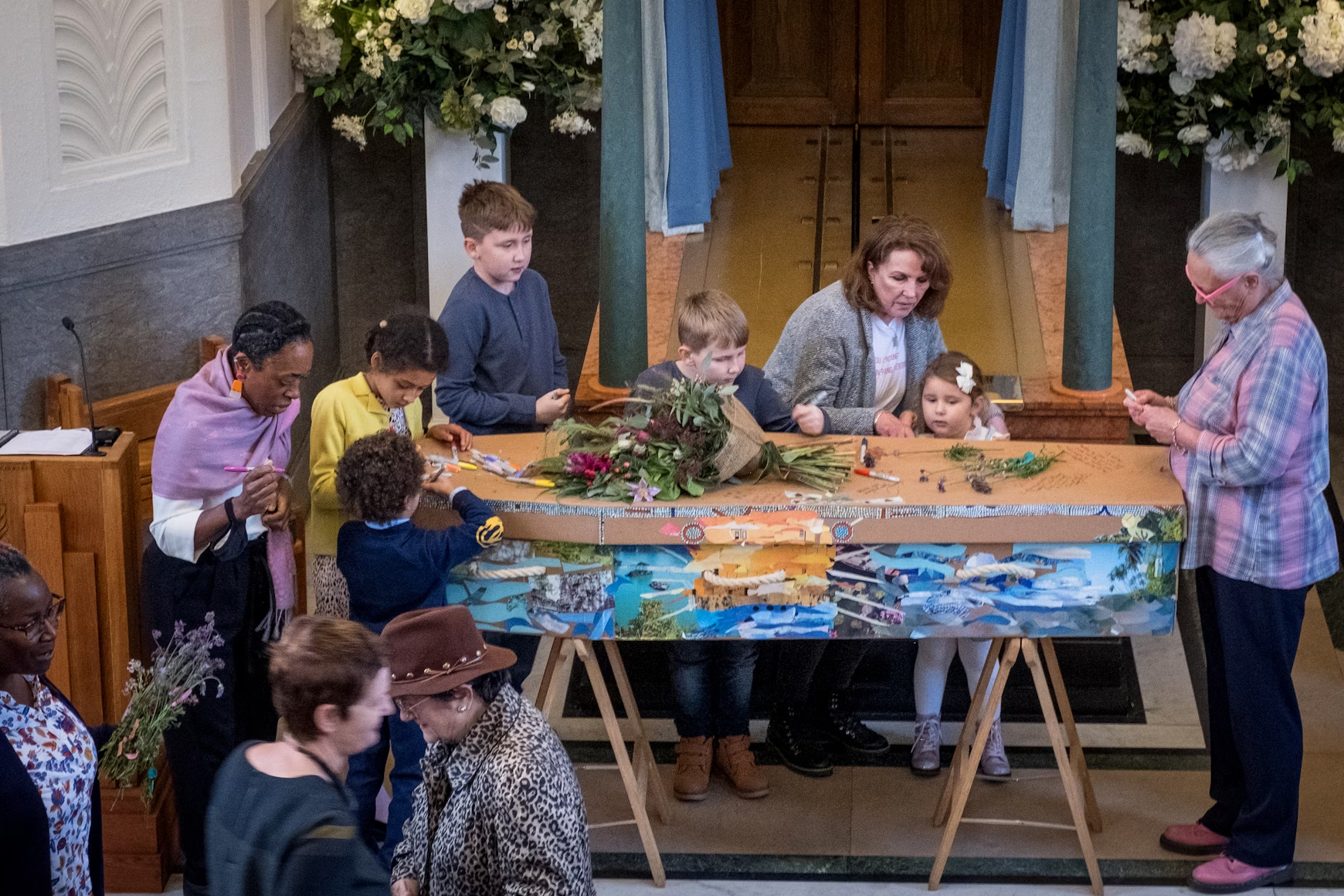
5. “Would you like to be part of the funeral or celebration of their life?”
Many people aren’t sure whether children should attend funerals. But excluding them may actually send the message that they aren’t allowed to grieve or say goodbye. Offering your child the option to participate—at their own comfort level—can help them feel included and supported. They might draw a picture, place a small toy or flower, or simply sit next to you for the service. Eluna provides thoughtful ways to involve children in age-appropriate mourning rituals, so they can honor their loved one in a meaningful way.
6. “Let’s talk about them. What do you remember?”
Memories become bridges between past and present, especially when navigating grief. Encouraging a child to talk about their parent—not just once, but regularly—keeps their connection alive in a healthy way. This can include sharing funny stories, looking through photos, or marking the parent’s birthday with a cupcake and a candle. Remind them that it’s okay to smile or laugh at happy memories; it doesn’t diminish how much they’re missed.
Practical Tip: Consider setting aside a special memory box or scrapbook. Children can add letters, pictures, or small keepsakes that remind them of their parents.
7. “I’m here. And I will be, even on the hard days.”
Sometimes the simplest promise means the most. Children need consistent, long-term reassurance that they’re not facing this grief alone. Invite ongoing conversations with open-ended encouragement: “If you ever want to talk, or just sit together, I’m here.” Grief doesn’t simply vanish—it’s a journey children carry with them as they grow. Having a stable adult presence is key to helping them feel grounded and safe.
A Gentle Path Through the Hardest Moments
When a child loses a parent, no words can erase the pain. Yet what you say—and how you say it—can offer warmth, clarity, and hope. Aim for honesty paired with compassion, recognizing that children will remember the emotional support even more than the specific phrases. By showing up with patience and love, you’re helping a grieving child take their first courageous steps toward healing.
What words helped you or a child you know during a major loss? Share your experiences in the comments below. Your story might be the reassurance another family needs.
Read More
- 7 Secrets to Stopping Toddler Tantrums—And It’s Not What You Think
- How To Talk About Death With Your Children

Samantha Warren is a holistic marketing strategist with 8+ years of experience partnering with startups, Fortune 500 companies, and everything in between. With an entrepreneurial mindset, she excels at shaping brand narratives through data-driven, creative content. When she’s not working, Samantha loves to travel and draws inspiration from her trips to Thailand, Spain, Costa Rica, and beyond.
