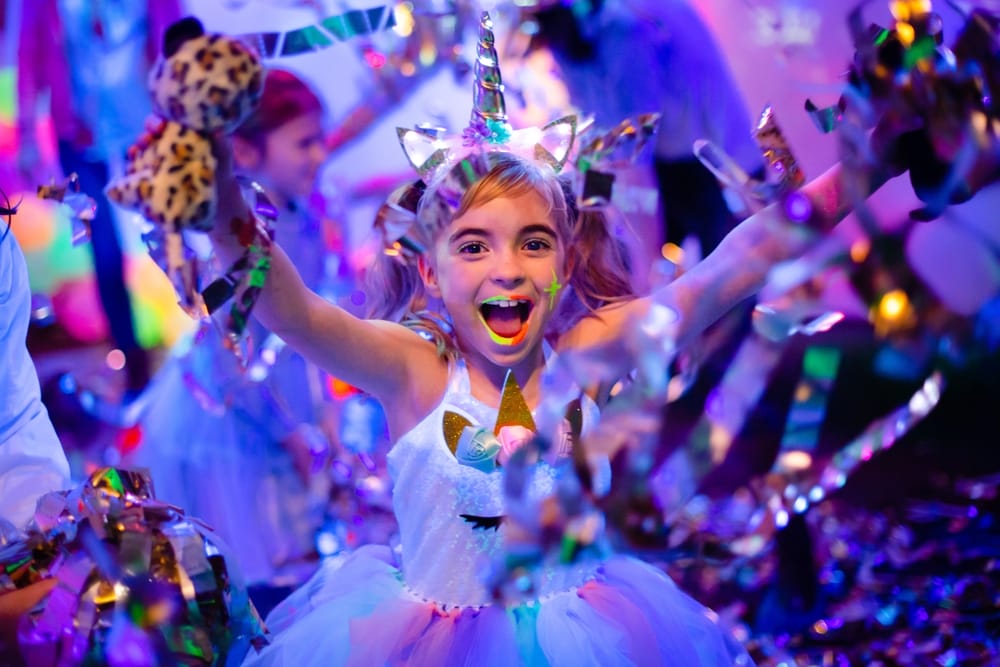
The way families celebrate birthdays has changed dramatically, and those shifts often highlight deeper generational divides. What once felt simple and predictable now sparks debates between parents, grandparents, and caregivers who each believe their approach is best. From party size to gift expectations, birthday traditions can quickly become emotional battlegrounds when different generations clash over what’s appropriate. Understanding the roots of these disagreements helps families navigate celebrations with less tension and more connection.
1. Elaborate Party Themes That Feel Excessive
Modern celebrations often revolve around elaborate party themes, which are birthday traditions older generations sometimes see as unnecessary. Grandparents may remember homemade cakes and backyard games, while today’s families focus on curated decorations and matching favors. These differences can feel overwhelming for relatives who view themed parties as overly commercial. Kids, however, often enjoy the creativity and excitement. Families can bridge the gap by balancing simplicity with personalization.
2. Gift Registries for Kids’ Birthdays
Some parents now create gift registries to help friends and relatives choose useful presents, but these birthday traditions can frustrate older generations. They may see registries as controlling or overly formal for a child’s celebration. Parents appreciate the way registries prevent duplicate toys and reduce clutter. Kids benefit from receiving items they will truly enjoy or need. A gentle conversation can help extended family understand the purpose behind the practice.
3. Opening Gifts After the Party
Opening presents after guests leave has become more common as parents work to avoid comparison or hurt feelings. These traditions can confuse grandparents who expect to watch kids open gifts in real time. Parents sometimes choose privacy to reduce pressure on shy children or avoid social media oversharing. Kids may also open gifts more calmly when not observed by a crowd. Families can compromise by sharing photos or videos privately with loved ones.
4. Destination Parties Instead of Home Gatherings
Destination celebrations at trampoline parks, play centers, and activity venues have become extremely popular. While convenient for parents, these birthday traditions may feel impersonal to relatives who grew up with relaxed home-based parties. Grandparents often miss the warmth and connection that come with celebrating in a familiar place. Kids love the excitement and energy a destination provides. Parents can include sentimental touches to help bridge the emotional distance older generations feel.
5. Allergy-Friendly and Ingredient-Specific Treats
Food practices have shifted significantly, leading to birthday traditions centered around allergy-safe cupcakes, vegan treats, or ingredient-limited snacks. Older generations may feel confused or frustrated by these restrictions, especially if they never navigated allergies when raising children. Parents today aim to keep all kids safe and included. Kids learn empathy and respect when celebrations accommodate everyone. With clear communication, families can help older relatives understand that these precautions are necessary, not optional.
6. No-Gift or Experience-Only Parties
More families are choosing no-gift or experience-focused events to limit clutter and teach kids gratitude. These traditions often surprise older relatives who equate gifts with love and generosity. Parents appreciate how these options reduce pressure and keep the celebration centered on relationships. Kids may even feel relieved when the focus shifts away from presents. Explaining the intention behind these choices can reduce judgment and create more understanding.
7. Social Media Sharing and Digital Invitations
Today’s celebrations often include digital invitations, photos, and shared highlights across various platforms. These birthday traditions can feel impersonal or overly public to older generations. Many grandparents prefer paper invites or private photo sharing. Parents often choose digital tools because they save time and money. Kids enjoy seeing their celebrations captured, but families should discuss boundaries to keep everyone comfortable.
8. Hiring Photographers or Party Helpers
Some families hire photographers, face painters, or helpers to manage activities during parties. These birthday traditions reflect a desire to reduce stress and stay present with the kids. Older generations may interpret this as unnecessary or extravagant. Parents often find that extra hands make the event safer and more enjoyable. Kids benefit from well-organized entertainment, while relatives adjust when they understand the reason behind the support.
9. Month-Long Celebrations or Multiple Mini-Parties
More kids now enjoy celebrations that span an entire weekend or include separate events for friends, schoolmates, and family. These traditions can feel excessive to relatives who grew up with one simple party. Parents may choose multiple celebrations to accommodate busy schedules or blended families. Kids appreciate having time with each important group in their lives. Families can work together to simplify while still honoring the relationships that matter most.
Finding Harmony Around Evolving Birthday Traditions
Different generations bring their own memories, expectations, and emotions to birthday celebrations, and these differences can create tension without thoughtful communication. By acknowledging how birthday traditions have changed, families can find middle ground that honors both old and new approaches. This balance allows celebrations to feel meaningful for everyone involved. When parents, grandparents, and kids collaborate, birthdays become opportunities for connection rather than conflict.
Which traditions have caused the biggest disagreements in your family, and how did you handle them?
What to Read Next…
9 Hidden Fees Behind Birthday Party Rentals That Aren’t Listed Upfront
7 Birthday Party Expectations That Have Gotten Out of Control
8 Kids’ Birthday Traditions That Are Quietly Fading Away
9 Common First Birthday Gifts That Parents Secretly Return
10 Birthday Party Trends That Are Pricing Out Lower-Income Kids

Catherine is a tech-savvy writer who has focused on the personal finance space for more than eight years. She has a Bachelor’s in Information Technology and enjoys showcasing how tech can simplify everyday personal finance tasks like budgeting, spending tracking, and planning for the future. Additionally, she’s explored the ins and outs of the world of side hustles and loves to share what she’s learned along the way. When she’s not working, you can find her relaxing at home in the Pacific Northwest with her two cats or enjoying a cup of coffee at her neighborhood cafe.
