• Home
  • About Us
  • Toolkit
  • Archives
  • Advertise
  • Privacy Policy

Kids Ain't Cheap

But They Sure Are Worth It

  • Parenting
    • Baby Stuff
    • Books and Reading
      • Aesops Fables
      • Comic Books
    • Education
    • Family Time
    • Green Living
    • Growing Up
    • Healthy Living & Eating
    • Holidays
    • Parenting
    • Random Musings
    • Shopping
    • Stuff to Do
  • Money
  • Product Reviews
    • Books and Magazines
    • Discount Sites
    • Furniture
    • House Keeping
    • Reviews News
    • Toys and Games
  • Contact Us
  • Our Editorial Commitment
  • Search

9 Unwritten Playground Rules That Cause Real Conflict

October 12, 2025 | Leave a Comment

9 Unwritten Playground Rules That Cause Real Conflict
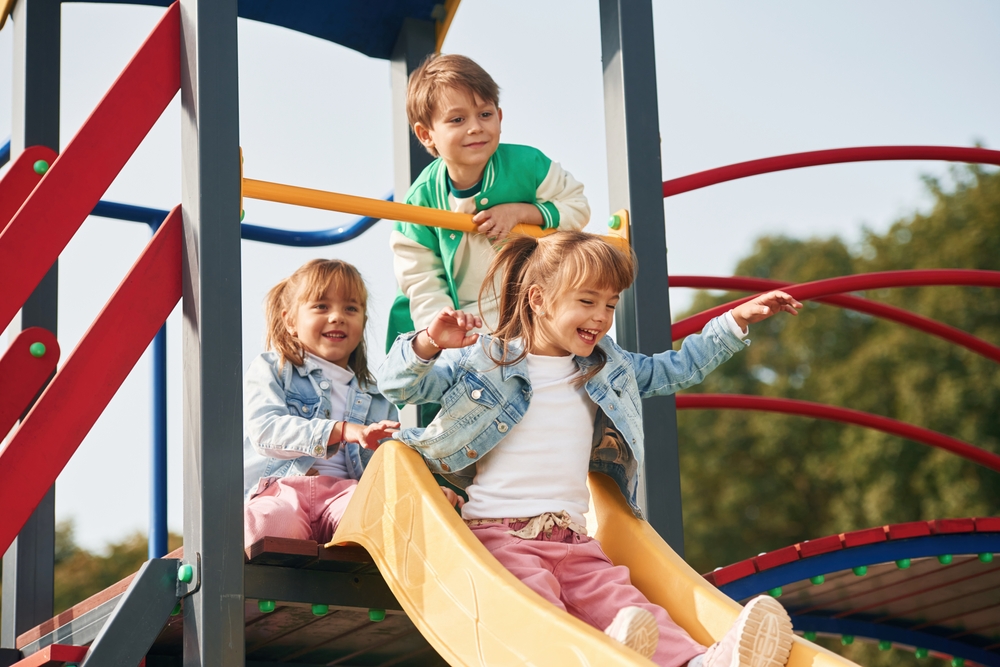
Image source: shutterstock.com

Every parent eventually realizes that the playground isn’t just a place for kids to run, swing, and climb—it’s a social ecosystem full of expectations that nobody actually says out loud. These unspoken playground rules can lead to some of the most awkward, frustrating, or even tearful moments for parents and children alike. When you understand the hidden social codes of playtime, you can help your child navigate tricky situations, build friendships, and avoid unnecessary conflict.

1. Sharing Doesn’t Always Mean Right Now

One of the most misunderstood playground rules is that “sharing” must happen instantly. Parents often feel pressured to make their kids hand over a toy or take turns right away, but that can actually teach resentment instead of generosity. Kids, especially younger ones, need time to finish what they’re doing before giving it up. Teaching delayed sharing—where children take turns after they’re done—helps them learn patience and respect for others’ space. When parents understand this rule, playground drama drops dramatically.

2. The Slide Isn’t a One-Way Street for Everyone

Another playground rule that sparks conflict is when kids climb up the slide instead of sliding down. Some parents view this as unsafe or disrespectful, while others think it’s creative play. The truth lies somewhere in between. Climbing up the slide can be fine if no one else is waiting to go down, but problems arise when kids block the flow or ignore turn-taking. Setting clear expectations about slide use can prevent tears and keep everyone safe without spoiling fun.

3. “First Come, First Serve” Isn’t Always Fair

Many kids believe whoever arrives first gets to control the play equipment as long as they want. That playground rule can create tension quickly, especially with younger children who don’t understand fairness yet. It’s okay to remind your child that taking turns means everyone gets a chance. The best approach is teaching kids how to join a game or politely ask for a turn instead of waiting silently or forcing their way in. When fairness is modeled calmly, conflict rarely escalates.

4. Rough Play Isn’t Always Bullying

Parents often jump in when they see wrestling, chasing, or mock fighting, assuming someone is being picked on. But one of the trickiest playground rules is recognizing the difference between rough play and true aggression. Many kids, especially boys, express excitement through physical play, but it only works when both parties agree. The key is mutual consent—if one child says “stop,” the fun ends immediately. Teaching kids to recognize boundaries helps everyone enjoy active play without crossing lines.

5. Parents Should Step Back, Not Take Over

Some of the biggest playground conflicts don’t even start with the kids—they start with adults. Parents often struggle with the unspoken playground rule about when to intervene. Jumping in too quickly can embarrass children or rob them of chances to solve problems independently. On the other hand, waiting too long can allow real bullying or unsafe behavior. The best balance comes from quietly observing and stepping in only when a child truly needs help navigating or de-escalating a situation.

6. Not Every Child Wants to Play Together

It’s natural to encourage inclusion, but forcing kids to play together every time can backfire. One of the harder playground rules for parents to accept is that some children just need solo play to decompress. Forcing interaction can cause unnecessary tension or rejection, which hurts more than being left alone by choice. Instead, remind kids that it’s okay to play independently or move on to a different game if someone isn’t interested. This teaches emotional maturity and respect for boundaries.

7. Playground Toys Aren’t Always Community Property

Parents often assume all playground toys are fair game, but ownership still matters. When a child brings a favorite ball, shovel, or truck, that doesn’t mean everyone can grab it without asking. Teaching children to ask permission first reinforces respect and consent. If sharing does happen, setting time limits or offering alternatives keeps things fair. Clarifying this playground rule early helps reduce arguments and broken toys.

8. Big Kids Don’t Always Have to Include Little Ones

Mixed-age play can be fun but also stressful. Older kids sometimes want to climb higher, run faster, or play games that smaller children can’t safely join. One of the unwritten playground rules that causes conflict is when parents expect big kids to slow down for younger ones. That’s not always realistic—or fair. Teaching younger children that some spaces or games are for “bigger kids” helps everyone enjoy the playground without resentment or injury.

9. Every Playground Has Its Own Culture

Finally, one of the most overlooked playground rules is that every park has its own rhythm and unspoken culture. What’s normal at one playground—like chalk art on the sidewalk or water balloons—might be frowned upon somewhere else. Observing how local families interact before joining in can save your child from social friction. Once you understand the vibe, you can guide your child to join in smoothly, making playtime more enjoyable and inclusive for everyone.

Helping Kids—and Parents—Play Fair

When parents recognize and teach these playground rules, kids gain social awareness that extends far beyond the swings and slides. These lessons in fairness, respect, and empathy prepare them for the bigger playgrounds of life—classrooms, friendships, and future workplaces. Every parent wants their child to have fun, but the real win is helping them learn how to play well with others, even when the rules aren’t written anywhere.

What’s the most surprising unspoken playground rule you’ve witnessed as a parent? Share your story in the comments!

What to Read Next…

  • Can a Neighbor Report You for Letting Your Kids Play in the Yard Alone?
  • Beyond The Game: 9 Online Games Kids Are Playing That Expose Them To Predators
  • Toxic Playtime: 10 Popular Kids’ Toys With Harmful Chemicals
  • It’s Not Just Dirt: 5 Home Areas That Are Mold Hotspots Near Kids’ Play Area
  • 5 Dangerous Games That Kids Are Playing When No Adults Are Around
Catherine Reed
Catherine Reed

Catherine is a tech-savvy writer who has focused on the personal finance space for more than eight years. She has a Bachelor’s in Information Technology and enjoys showcasing how tech can simplify everyday personal finance tasks like budgeting, spending tracking, and planning for the future. Additionally, she’s explored the ins and outs of the world of side hustles and loves to share what she’s learned along the way. When she’s not working, you can find her relaxing at home in the Pacific Northwest with her two cats or enjoying a cup of coffee at her neighborhood cafe.
Filed Under: Parenting Tagged With: child behavior, conflict resolution, family communication, parenting tips, playground etiquette, playground rules, Social Skills

Teaching Your Kids to Stay Safe at Parks

May 4, 2025 | Leave a Comment

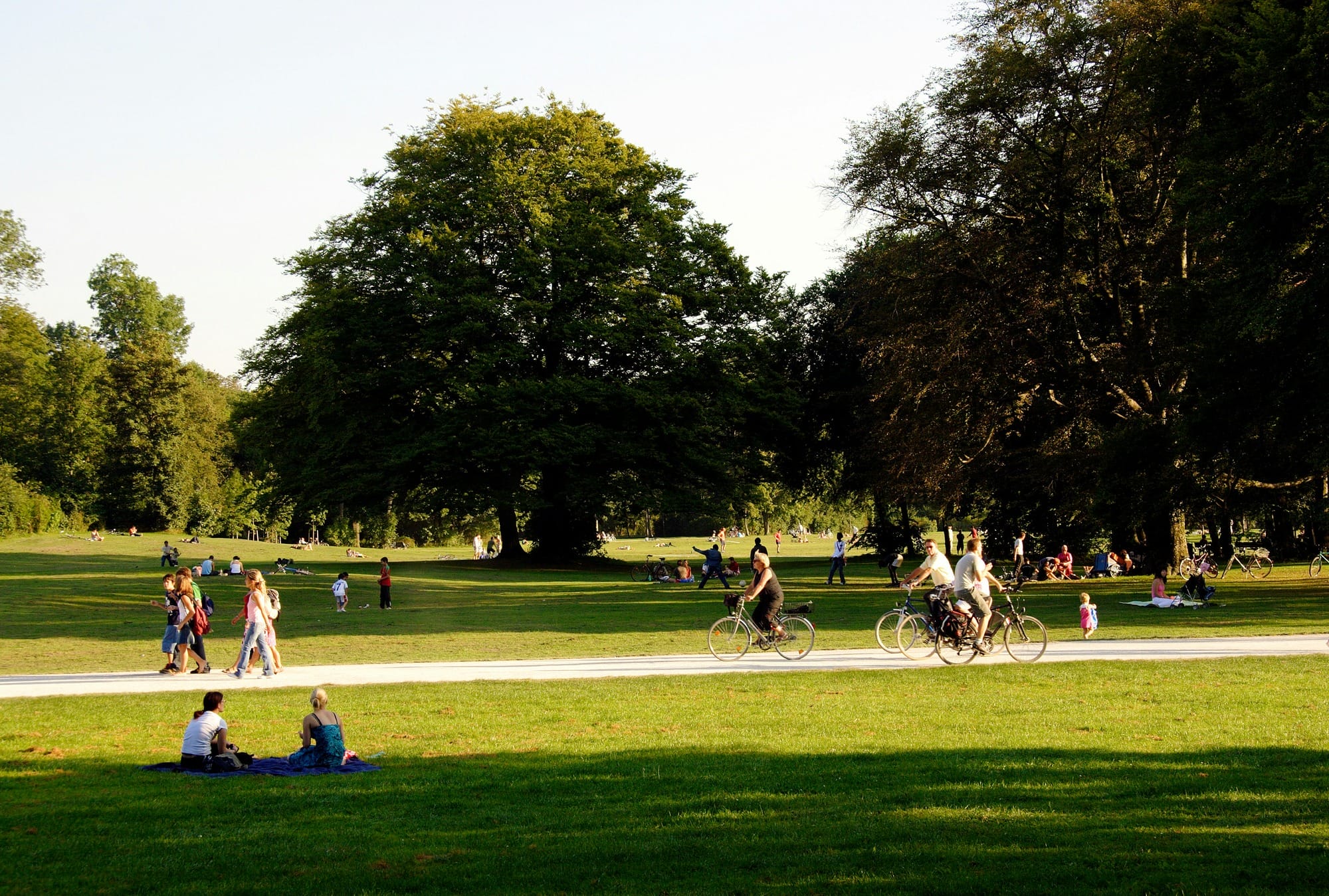
Image by Ignacio Brosa

A trip to the local park might seem like a harmless way to burn off some energy, but accidents, stranger encounters, and unsafe behavior can quickly turn fun into fear. While playgrounds are designed with children in mind, they can still be risky places if your child doesn’t understand the basics of staying alert, following rules, and knowing what to do in uncomfortable situations.

Teaching park safety doesn’t mean instilling fear. It means empowering your child to enjoy their independence with confidence. The goal is not to hover but to equip them with smart habits that stick.

Start With Awareness, Not Alarm

One of the best things you can do is talk to your child about the reality of outdoor play in a way that feels encouraging, not scary. Begin with a conversation about paying attention to your surroundings. Who is nearby? Where’s the nearest adult they trust? Do they know how to find their way back to you if you’re not right next to them?

Even if you’re present at the park, it’s smart to help them mentally rehearse what to do if they feel unsafe, get separated, or get hurt. Use real-life examples like, “What would you do if a ball rolled into the parking lot?” or “What if someone you don’t know asked you to help them find a dog?” These scenarios help kids make decisions under pressure without panicking.

The Buddy System Works

Whether it’s a sibling, a friend, or just another child nearby, the buddy system isn’t just for field trips. It’s one of the most effective ways to reduce risky behavior. Kids are more likely to stay in safe areas and avoid isolation when they know they’re accountable to a peer.

You can encourage this by explaining that being a good buddy means sticking together, speaking up if something feels wrong, and helping each other get help if needed.

Boundaries Aren’t Just Physical

Setting boundaries at the park goes beyond “don’t go past the fence.” Emotional and social boundaries matter just as much. Let your child know that they’re allowed to say “no” if someone is making them uncomfortable—whether it’s a peer pushing them to go down the slide too fast or an adult asking personal questions.

Teach them that safety includes how they feel inside. If a situation doesn’t feel right, they should leave immediately and tell you or another trusted adult. Children often hesitate to speak up because they don’t want to “make a scene,” so it’s important to remind them that their gut feelings matter more than being polite.

Stranger Danger vs. Tricky People

It’s outdated to simply tell kids not to talk to strangers, especially since not all strangers are dangerous, and not all dangerous people seem threatening. Instead, focus on helping them recognize behavior that’s inappropriate, regardless of who’s doing it.

Explain the concept of “tricky people”—those who ask kids to break rules, keep secrets, or help with something adults normally don’t ask children to do. Kids should understand that safe adults will never ask a child for help in finding a lost pet, for example, or offer them gifts without a parent’s permission.

Practice What You Preach

The best lessons are lived, not just told. As a parent, model park safety behaviors, like keeping your phone tucked away while supervising, pointing out safety hazards, and calmly redirecting risky play. When kids see you take safety seriously, they’re more likely to internalize the message without resentment.

Instead of nagging or warning constantly, praise their smart choices. “I saw how you waited your turn on the slide. That was really responsible of you,” goes much further than “Be careful!”

Gradual Freedom Builds Confidence

Not all parks are created equal. Some are fenced and quiet; others are crowded and open to public streets. Use these environments to teach progressively more independence. Start small—let them play out of your sightline for five minutes at a time while you stay close. As they grow older and demonstrate maturity, you can stretch that trust further.

Letting your child practice safe independence builds both your confidence and theirs. The ultimate goal isn’t just a safe park visit today. It’s raising a child who carries situational awareness and self-trust into all areas of life.

These Small Moves Can Save Lives

Your child’s safety at the park starts long before their shoes hit the mulch. It begins with open communication, mutual trust, and regular reinforcement of what smart choices look like. When safety becomes part of the fun, not a lecture, they’ll naturally begin to own those habits for life.

What strategies have helped your kids stay safe during outdoor play? Do you let them explore freely or prefer close supervision?

Read More:

5 Swimming Pool Tips to Keep Your Kids Safe

8 Safety Measures Parents Often Overlook at Home

Filed Under: Parenting Tagged With: child safety, kid safety awareness, Outdoor Play, parenting tips, park safety, playground rules, stranger danger, summer parenting, teaching independence

  • Facebook
  • Pinterest
  • RSS
  • Twitter

Basic Principles Of Good Parenting

Here some basic principles for good parenting:

  1. What You Do Matters: Your kids are watching you. So, be purposeful about what you want to accomplish.
  2. You Can’t be Too Loving: Don’t replace love with material possessions, lowered expectations or leniency.
  3. Be Involved Your Kids Life: Arrange your priorities to focus on what your kid’s needs. Be there mentally and physically.
  4. Adapt Your Parenting: Children grow quickly, so keep pace with your child’s development.
  5. Establish and Set Rules: The rules you set for children will establish the rules they set for themselves later.  Avoid harsh discipline and be consistent.
  6. Explain Your Decisions: What is obvious to you may not be evident to your child. They don’t have the experience you do.
  7. Be Respectful To Your Child: How you treat your child is how they will treat others.  Be polite, respectful and make an effort to pay attention.
Best Parenting Blogs

Most Popular

Baby

9 Unusual Baby Names That Sound Like They Belong to Future CEOs

Evan Morgan
Baby

10 Baby Names That Were Once Considered “Grandparent Names” but Feel Cool Again

Evan Morgan
Target Store

Choking Incident Prompts Recall of 49,000 Target Gigglescape “Under the Sea” Popping Toys

Evan Morgan
Frustrated Girl

Why Some Students on the Spectrum Are Labeled With ODD

Evan Morgan
Coke Bottles

12 Things Kids Took to School in the ’70s That Would Never Be Allowed Today

Evan Morgan

All content on Kids Ain’t Cheap is for entertainment purposes only. By reading this blog, you agree that Kids Ain’t Cheap is not responsible for any actions taken after reading this blog. For the full disclaimer, see our privacy policy.

Please note that Kids Ain’t Cheap has financial relationships with some of the merchants mentioned here. Kids Ain’t Cheap is funded by banner advertising, commission sales and search optimization consulting.

Copyright © 2006–2026 | District Media | All Rights Reserved | Privacy Policy

Copyright © 2026 Runway Pro Theme by Viva la Violette