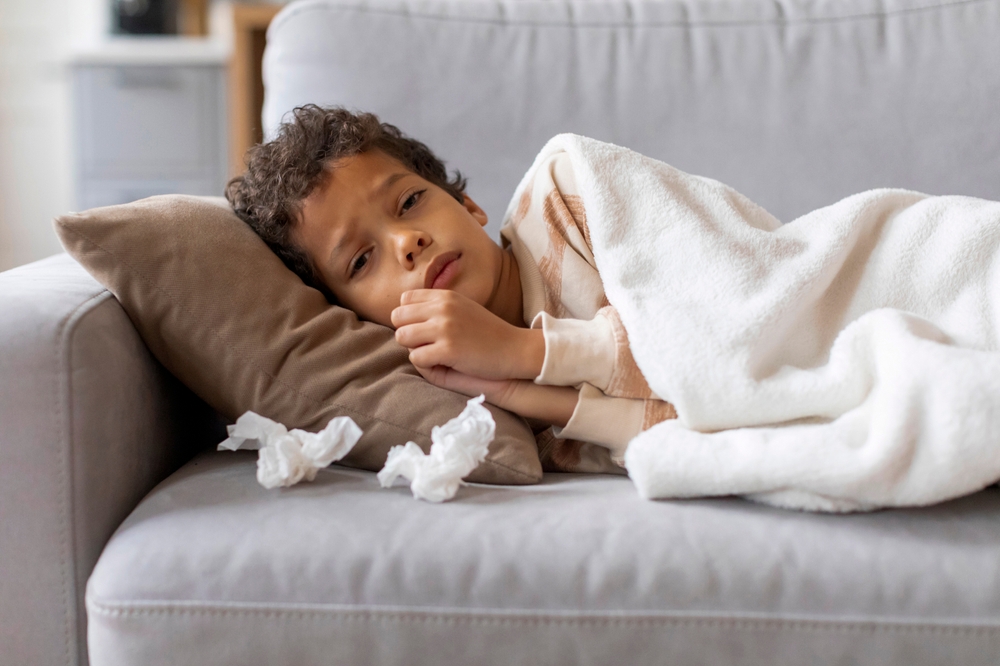
When childhood illnesses start circulating, it can feel like your house is running a relay race of fevers, coughs, and notes from the nurse. A big reason outbreaks feel more common is that schools are crowded, kids share everything, and coverage gaps can pop up in pockets of communities. CDC data show more kindergartners are showing up without complete MMR documentation than many parents realize. The upside is that a few practical habits—plus staying current on recommended vaccines—can cut down on missed school and surprise urgent care trips.
1. Measles: Why Childhood Illnesses Spread Fast In Hallways
Measles spreads through the air and can linger after an infected person leaves a room. Early signs can look like a routine viral illness before the rash shows up, which is why it can move fast. The CDC has warned about outbreaks and the risk of spread when vaccination coverage is low. If there’s an exposure notice from school, call the pediatrician before walking into a waiting room. The most useful prevention step is confirming your child’s MMR schedule is up to date.
2. Pertussis (Whooping Cough): The “Just A Cough” That Won’t Quit
Pertussis can start like a normal cold and then turn into long coughing fits that disrupt sleep. The CDC reported that cases increased in 2024 and remained elevated in 2025 compared with recent years. That’s why childhood illnesses with lingering coughs deserve a quick check-in if symptoms drag on or worsen. Ask the pediatrician if your child is due for DTaP or Tdap, especially around milestone ages. If your child has coughing spells, keep them home and message the school so classmates can watch for symptoms.
3. Mumps: Close-Contact Settings Make It Sneaky
Mumps spreads in settings where kids have close, prolonged contact and shared items. The CDC notes outbreaks still happen, including in schools and universities, even with vaccination programs. Childhood illnesses like this can show up as swollen jaw or cheek area, fever, and fatigue. Call the pediatrician if swelling appears, and avoid sports or rough play until cleared. Remind kids not to share water bottles, utensils, or lip balm.
4. Chickenpox (Varicella): It’s Milder—But It’s Not “Gone”
Chickenpox outbreaks still occur, even in schools where most kids are vaccinated. The CDC points out that outbreaks tend to be smaller with two-dose vaccination, and cases are often milder in vaccinated kids. The tricky part is that a mild case can still spread to others who are vulnerable. Keep kids home until lesions have crusted over and follow school return guidance. If you’re unsure about doses, ask for an immunization record check before the next exposure notice.
5. Seasonal Flu: It Hits Harder Than People Expect
Flu spreads quickly in classrooms, especially when kids show up “a little sick.” The 2024–25 season included significant pediatric impacts, including reported pediatric deaths, which is why schools take flu seriously. Childhood illnesses that cause high fever, body aches, and sudden fatigue are a signal to pause plans and rest. Keep your child home until fever-free without fever reducers, and send a note to the teacher if symptoms started mid-day. If your child is high-risk or symptoms escalate, call the pediatrician early rather than waiting it out.
6. RSV: The Cough That Worries Parents of Little Kids
RSV is a common respiratory virus that can be especially rough on babies and younger kids. Seasons shift, so some years feel earlier or more intense depending on what’s circulating locally. Watch for fast breathing, chest pulling in, or trouble drinking fluids, especially in toddlers. For babies, ask the pediatrician about the current RSV prevention options and recommendations for your family. For older kids, the basics still help: handwashing, covering coughs, and staying home when symptoms ramp up.
7. Norovirus: The 24-Hour Bug That Wrecks a Week
Norovirus spreads through tiny traces left on hands, surfaces, and shared bathrooms, so outbreaks can move fast. The CDC tracks outbreaks and notes they commonly occur in group settings like schools and childcare. Childhood illnesses that involve vomiting and diarrhea require a stricter “stay home” window than many parents want to hear. Ask the school what they recommend, but a common rule is staying home until symptoms stop and energy returns. Disinfect high-touch areas at home and keep a separate towel for the sick kid.
8. Hand, Foot, and Mouth Disease: The Day Care Classic That Still Pops Up
HFMD can spread quickly in schools and day cares, especially in warmer months. It often brings fever, mouth sores, and a rash on hands or feet that can make kids miserable. Keep kids home if they have fever, uncontrolled drooling, or pain that prevents normal eating and drinking. Wash hands after diapering or bathroom trips and don’t share cups or utensils. If sores look severe or your child won’t drink, call the pediatrician for guidance.
9. Strep Throat and Scarlet Fever: When a Sore Throat Isn’t “Just Viral”
Strep can move through classrooms and can sometimes show up with a sandpapery rash known as scarlet fever. Crowded settings like schools increase spread risk, and close contact is the biggest driver. Childhood illnesses with sudden sore throat, fever, and no cough deserve a quick test, because antibiotics can reduce complications and contagious time. Replace toothbrushes after starting treatment and don’t share drinks. Keep your child home until they’ve met the school’s return rule, often after a set time on antibiotics.
10. Walking Pneumonia (Mycoplasma): The Slow Burn That Lingers
Mycoplasma pneumoniae infections increased in 2024, with the CDC noting a rise that was especially notable among children. Kids may have a persistent cough and fatigue that doesn’t match how “not that sick” they seem at first. If your child’s cough lasts more than a week or worsens, call the pediatrician and ask what symptoms should trigger an exam. Don’t rely on leftover antibiotics, because the right treatment depends on the situation. Support recovery with rest, fluids, and a pause on sports until breathing feels normal again.
The Home Playbook That Actually Lowers Sick Days
Most families can’t avoid every germ, but they can reduce the domino effect. Keep a simple checklist on your phone: updated vaccines, tissues in backpacks, and a “stay home” plan you can activate fast. When childhood illnesses hit, the biggest money-saver is early clarity—knowing when to call the pediatrician and when to let rest do its job. Use school emails as early warnings, not background noise, and don’t wait until day four to take symptoms seriously. Consistent basics beat panic every time.
Which illness seems to sweep through your child’s class every single year, and what’s your go-to strategy for keeping it from spreading at home?
What to Read Next…
Think Again: 5 Vaccinations Parents Are Skipping Putting Kids At Risk
The Silent Disease: 7 Chronic Childhood Illnesses Often Undiagnosed
What Happens When You Forget to Vaccinate on a Technicality?
The Most Overlooked Illness in Children—And It’s Getting Worse
Why Some Parents Still Believe Vaccines Cause Autism—Despite All the Evidence

Catherine is a tech-savvy writer who has focused on the personal finance space for more than eight years. She has a Bachelor’s in Information Technology and enjoys showcasing how tech can simplify everyday personal finance tasks like budgeting, spending tracking, and planning for the future. Additionally, she’s explored the ins and outs of the world of side hustles and loves to share what she’s learned along the way. When she’s not working, you can find her relaxing at home in the Pacific Northwest with her two cats or enjoying a cup of coffee at her neighborhood cafe.
