
In the modern parenting playbook, the line between boosting a child’s confidence and over-praising is often blurred. Parents and educators frequently debate the optimal balance between celebrating accomplishments and setting realistic expectations for children. Here, we explore the nuanced impacts of over-celebrating small victories, providing a clearer lens through which parents can view the effects on a child’s development.
1. Diminished Motivation
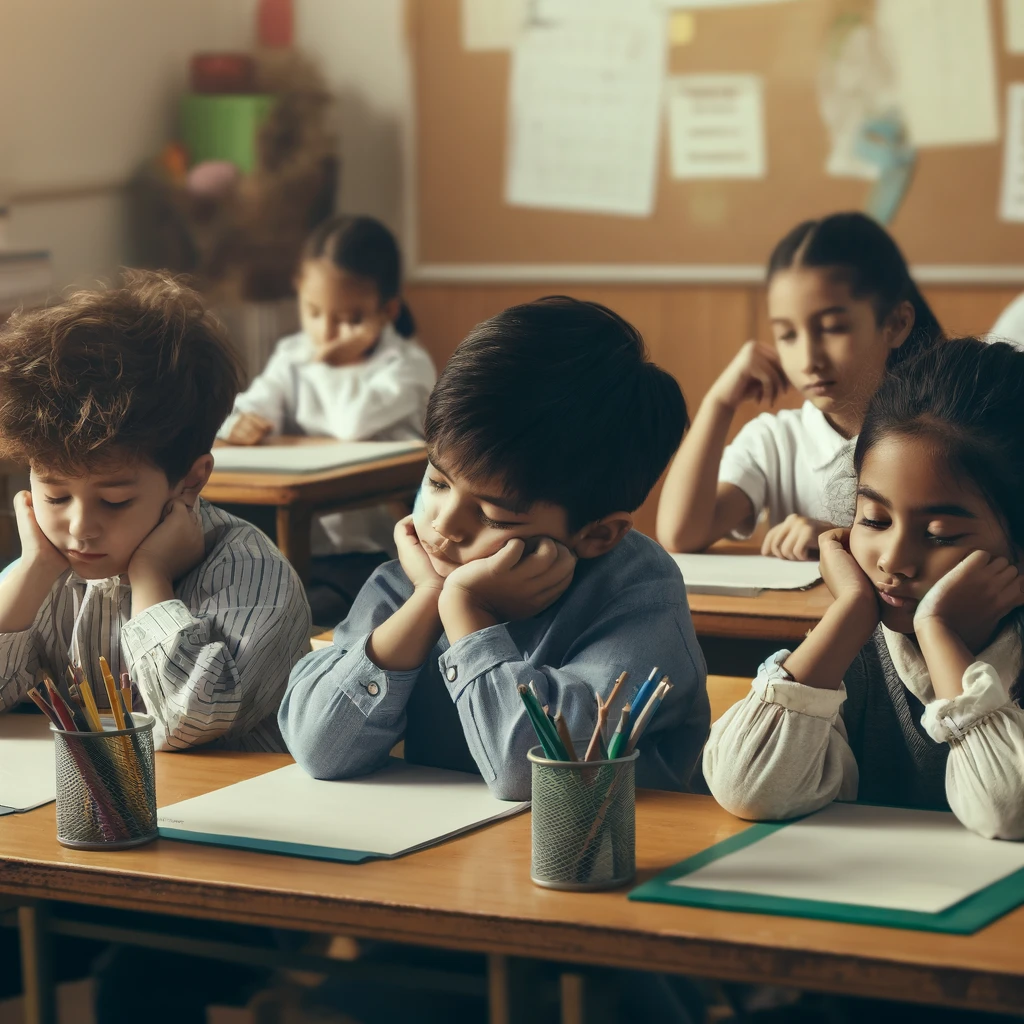
When every minor achievement is met with excessive fanfare, children may lose their intrinsic motivation to explore and learn. The thrill of discovery or mastery is overshadowed by the anticipation of praise, not the satisfaction of achievement. This dynamic can lead to a decrease in perseverance, as children might give up on tasks that are not immediately rewarding. Moreover, they may begin to perceive every task as deserving of recognition, which isn’t realistic. In the long run, these kids could develop a habit of only engaging in activities that guarantee praise, avoiding challenges that foster growth. Eventually, this can lead to an avoidance of effortful tasks, stifling personal and academic growth.
2. Skewed Self-Perception
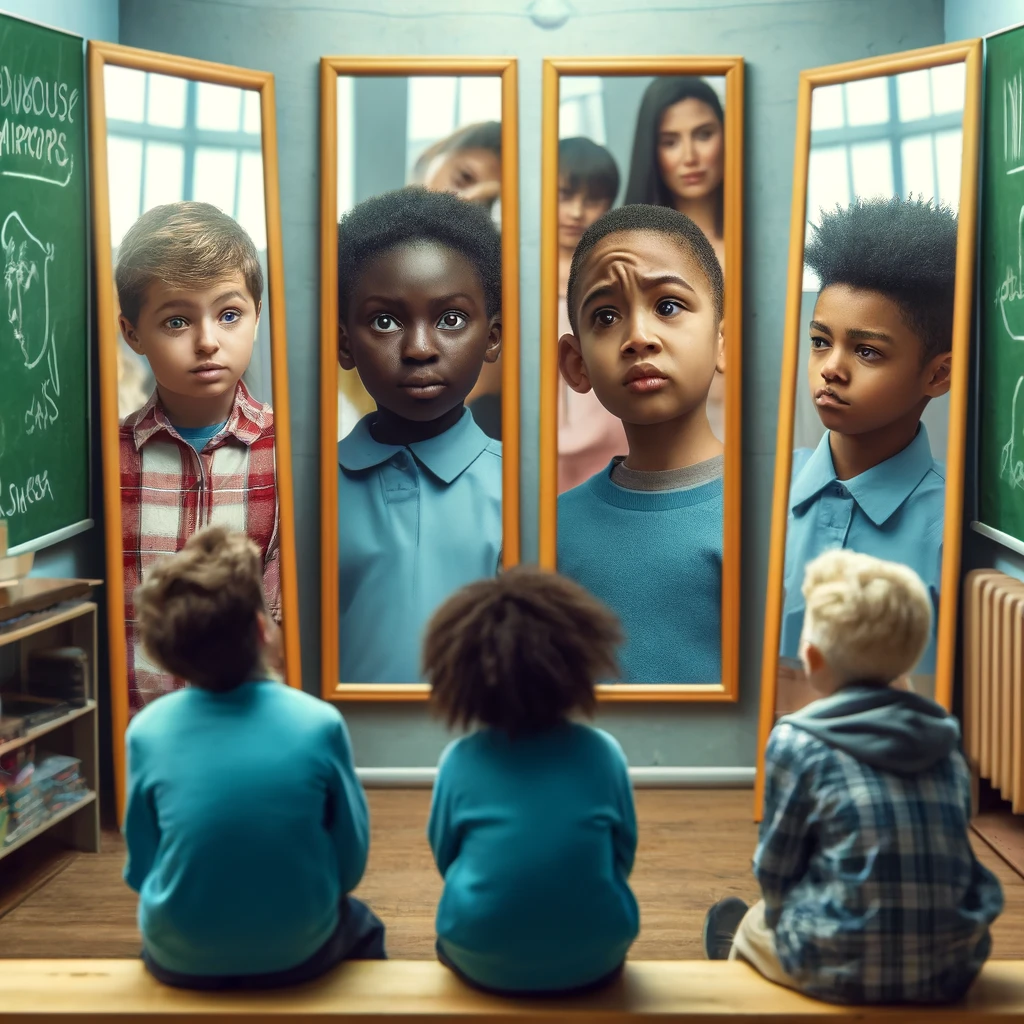
Children celebrated too frequently for trivial successes may develop an inflated sense of self-worth. This can disconnect them from their actual abilities and limit their self-awareness. When these children encounter inevitable challenges or failures, their self-esteem may take a disproportionate hit. This misalignment can also hinder their ability to receive and apply constructive criticism, key components of learning. Furthermore, peers may view them as arrogant or out of touch, potentially leading to social isolation. Over time, these children might struggle to form genuine self-evaluations and fail to recognize areas where improvement is needed.
3. Dependence on External Validation
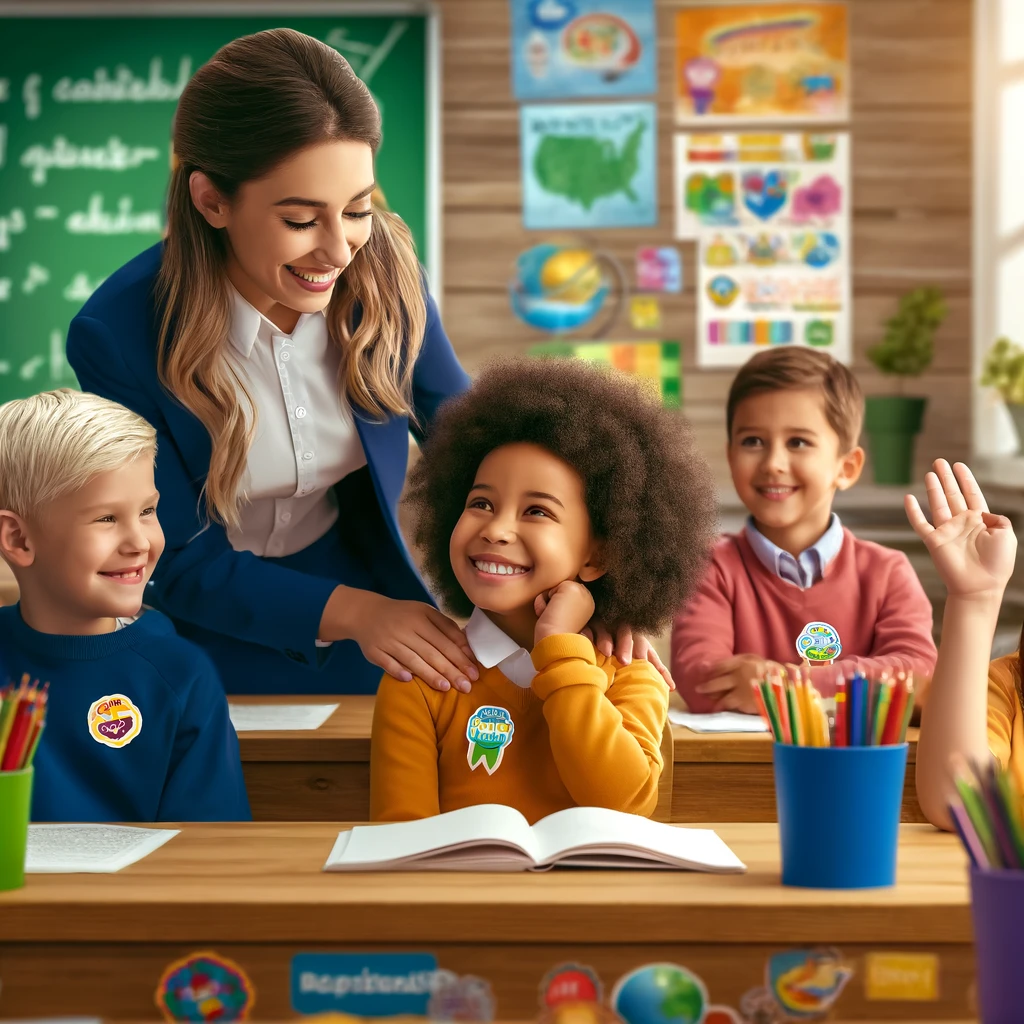
An overemphasis on praise makes children reliant on external validation rather than self-assessment and self-motivation. This dependence can hinder their development into autonomous individuals. As they grow, their decision-making process might remain tethered to the anticipated reactions of others, rather than their own values and judgments. This can manifest in constantly seeking approval from peers, teachers, and parents, which is emotionally and mentally exhausting. Additionally, such a reliance can decrease resilience, making it difficult for them to bounce back from setbacks without external reassurance. Ultimately, this could limit their ability to navigate more complex social and professional landscapes as they mature.
4. Reduced Risk-Taking

Children who are over-praised might become risk-averse, fearing failure since it might lead to a withdrawal of praise. They may stick to what they know they can succeed in, avoiding new challenges that could provide significant learning opportunities. This behavior stifles creativity and innovation—qualities that are crucial in today’s ever-evolving world. Moreover, these children may miss out on developing a robust skill set that comes from experimenting and sometimes failing. As adults, their aversion to risk can translate into a lack of career mobility or unwillingness to pursue novel ventures. Thus, the safety net of constant praise, while comforting, can act as a barrier to personal and professional development.
5. Social Dynamics and Peer Relationships
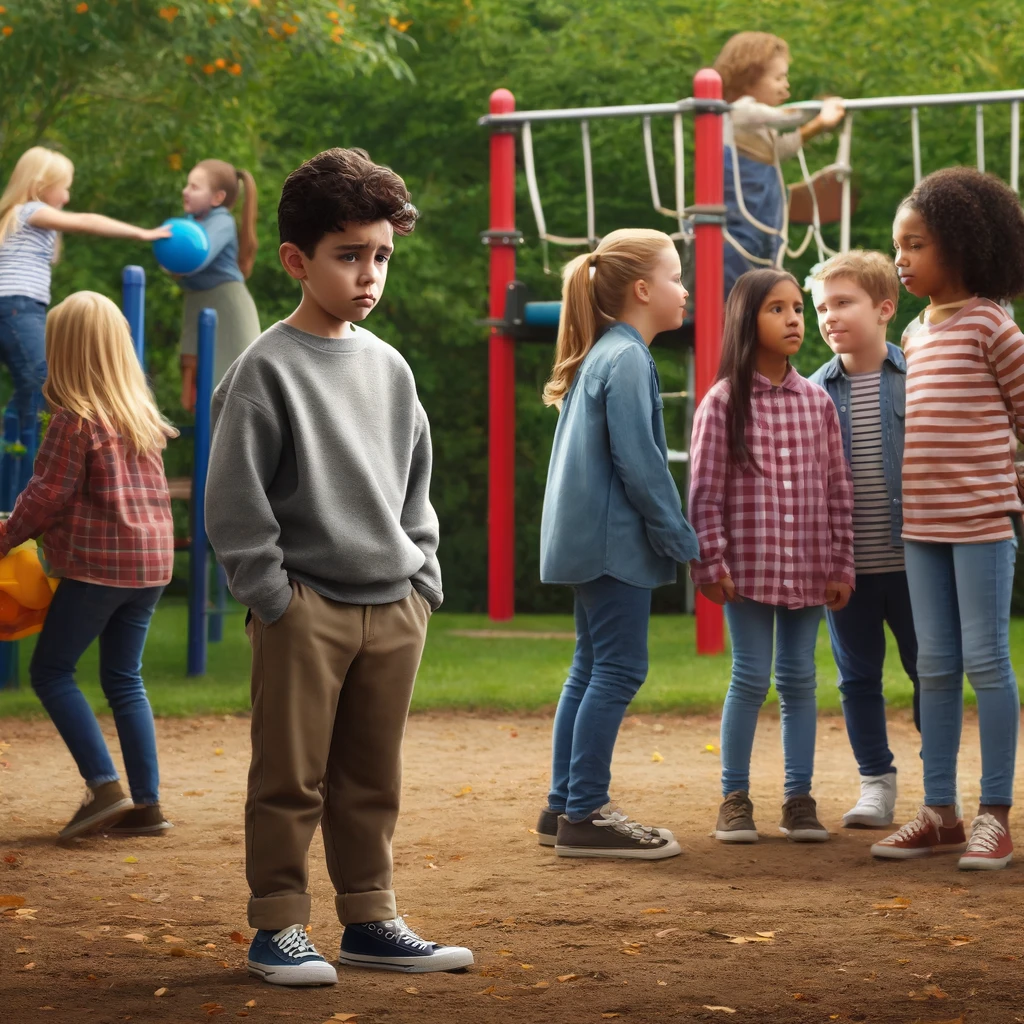
Over-praised children often struggle with peer relationships. They might expect similar levels of admiration from friends, which is unrealistic and can strain interactions. Peers might view these expectations as entitlement, leading to resentment and social rejection. Additionally, children used to constant praise may not develop the necessary empathy or cooperation skills, which are vital for healthy, mutual relationships. This can result in difficulties working in team settings or forming lasting friendships. Over time, such a child’s social circle may narrow significantly, limiting their exposure to diverse perspectives and experiences.
6. Future Implications

The long-term implications of over-celebrating small wins are significant. These children may grow up to be adults who struggle with independence and exhibit a lack of persistence in the face of adversity. They might also carry into adulthood the unrealistic expectation of constant feedback, which is not typical in most professional environments. This can result in job dissatisfaction and a continual search for roles that fulfill unrealistic criteria for validation. Moreover, without the ability to self-motivate, these individuals might find it challenging to adhere to personal or professional goals when external incentives are absent. In essence, what begins as a well-intentioned display of support can morph into a hindrance to personal fulfillment and success.
7. Hindered Learning Opportunities

Over-celebrating every minor success can obscure the value of the learning process itself, where mistakes play a critical role. Children may develop a mindset that values the end result over the educational journey. This focus on outcomes can deter them from experimenting and learning through trial and error, crucial aspects of cognitive development. As a result, these children may not develop problem-solving skills or the ability to think critically about how to overcome obstacles. They might also show less curiosity and a lower capacity for innovation, as their primary goal becomes seeking praise rather than acquiring knowledge. Over time, this can lead to superficial learning and a lack of depth in understanding.
8. Emotional Resilience Deficits

Constant praise for minor achievements can prevent children from developing emotional resilience. They may not learn how to handle disappointment or failure gracefully, essential skills for navigating life’s ups and downs. This lack of resilience can make them more vulnerable to anxiety and depression when they inevitably face challenges that do not result in immediate praise or success. Furthermore, they might avoid situations where there is a risk of failing, thus missing out on important growth experiences. Ultimately, these children could grow up with a fragile sense of self that is easily shaken by life’s realities.
9. Parent-Child Relationship Strain

Over-praising can also strain the parent-child relationship. Parents may find themselves in a cycle of needing to constantly affirm their child, which can be exhausting and unsustainable. This dynamic might lead to frustration and a lack of authentic communication between parent and child. Moreover, children might start to manipulate behaviors to gain praise, rather than sharing genuine experiences and emotions with their parents. Over time, this can diminish the trust and bond in the relationship, making it difficult for parents to guide and influence their children effectively.
10. Cultivating Future Leaders

The way we praise children can shape their leadership capabilities later in life. Excessive celebration of minor achievements may prevent them from developing the resilience and self-discipline required for effective leadership. Leaders need to handle pressure, recover from setbacks, and inspire others through genuine effort and integrity, qualities not nurtured by over-praise. It is important for parents to model behaviors that value progress and learning over mere success. By encouraging a balance of self-reliance and teamwork, and recognizing the child’s role in group achievements, parents can help develop future leaders who are empathetic, responsible, and capable of motivating others. This practice helps children learn that true leadership involves guiding by example and valuing the contributions of others as much as their own.
Rethinking Recognition: Cultivating Genuine Growth

As we navigate the complex terrain of parenting, it’s crucial to find a balance in how we celebrate our children’s achievements. By understanding the diverse effects of over-praising, parents can more effectively foster resilience, independence, and genuine self-confidence in their children. This balanced approach prepares them not only for the successes but also for the inevitable challenges of life, ensuring they grow into well-rounded and capable adults.

Latrice is a dedicated professional with a rich background in social work, complemented by an Associate Degree in the field. Her journey has been uniquely shaped by the rewarding experience of being a stay-at-home mom to her two children, aged 13 and 5. This role has not only been a testament to her commitment to family but has also provided her with invaluable life lessons and insights. As a mother, Latrice has embraced the opportunity to educate her children on essential life skills, with a special focus on financial literacy.
