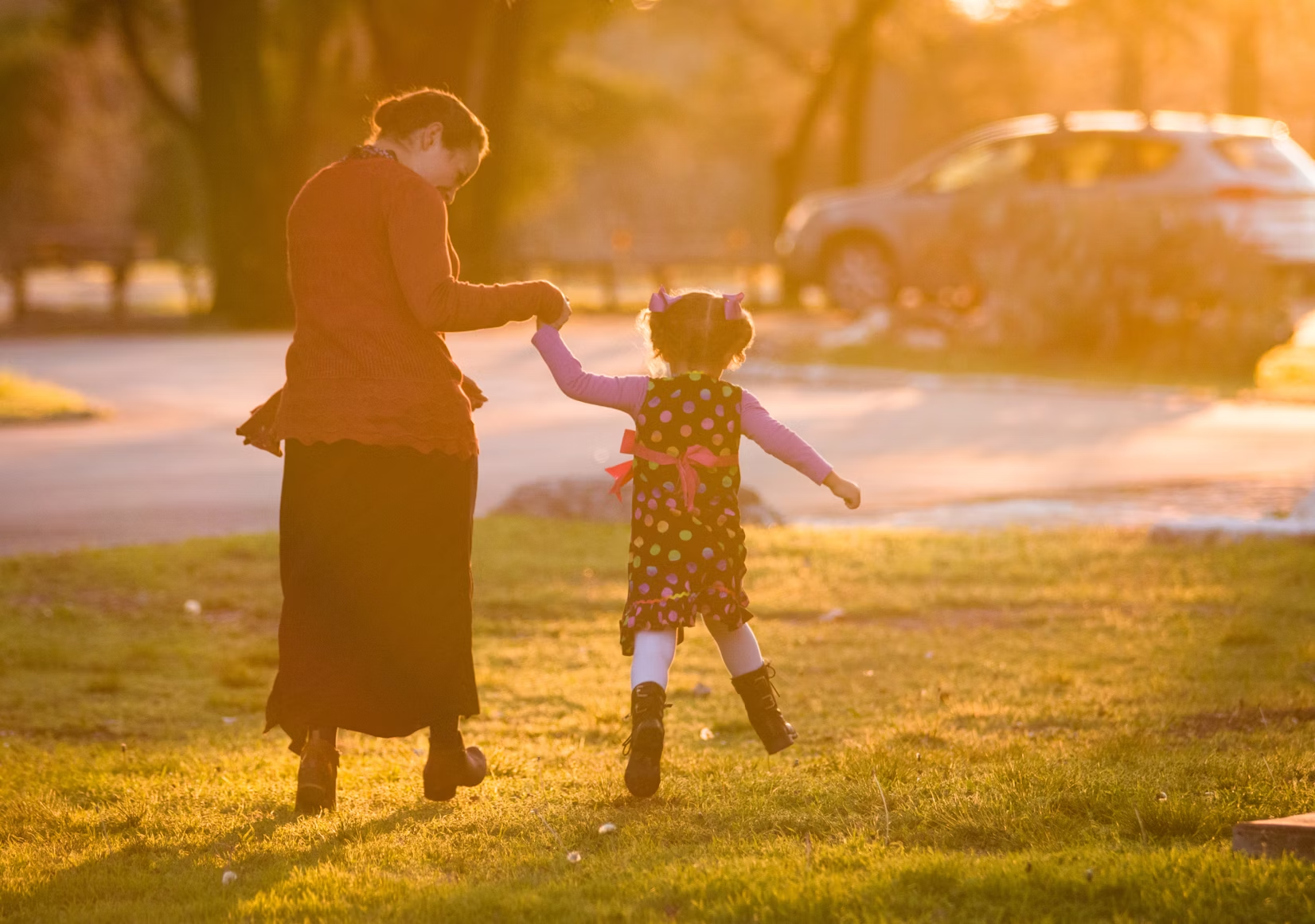
Have you ever held the door for someone and heard your child echo your polite “thank you” without being prompted? That’s the power of teaching gratitude through everyday modeling. When it comes to raising thankful kids, our actions speak louder than any lecture.
Below are 12 practical strategies that weave appreciation into daily life—so your children can see, feel, and eventually mirror genuine thankfulness.
1. Say “Please” and “Thank You” Often
Kids listen even when you think they’re tuned out. Using polite words with your child and with others shows that kindness is a habit, not a special occasion. The more they hear gratitude, the more naturally they’ll express it themselves.
2. Talk About Gratitude at the Dinner Table
Dinnertime is the perfect moment to slow down. Each night, ask everyone to share one thing they’re grateful for—big or small. When parents join in, children realize that grown‑ups find joy in little things, too. Making gratitude a table‑talk ritual turns it into a lifelong practice.
3. Celebrate Acts of Kindness
Notice when your child offers a sibling help or shares a snack. Naming these gestures and saying “that was very thoughtful” reinforces generosity. Kids learn to value kind acts because they see them appreciated in real time.
4. Share Your Own “Thank You” Moments
Let kids hear you express thanks—a quick note to a teacher, a compliment to a store clerk, or a warm message to a friend. Talking through why you’re thankful connects the dots: appreciation isn’t just good manners; it’s a daily mindset.
5. Tell Stories That Highlight Gratitude
Choose books or bedtime stories where characters overcome obstacles through community, kindness, or generosity. After reading, discuss what the characters might feel grateful for. Storytime becomes a rich teaching opportunity rather than a simple routine.
6. Create a “Thankful Tree” or Journal
Turning ideas into visuals helps them stick. Craft a “Thankful Tree” with paper leaves listing what your child appreciates, or keep a family gratitude journal. Writing or drawing gratitude makes appreciation tangible and provides a keepsake to revisit on tougher days.
7. Volunteer or Help Others Together
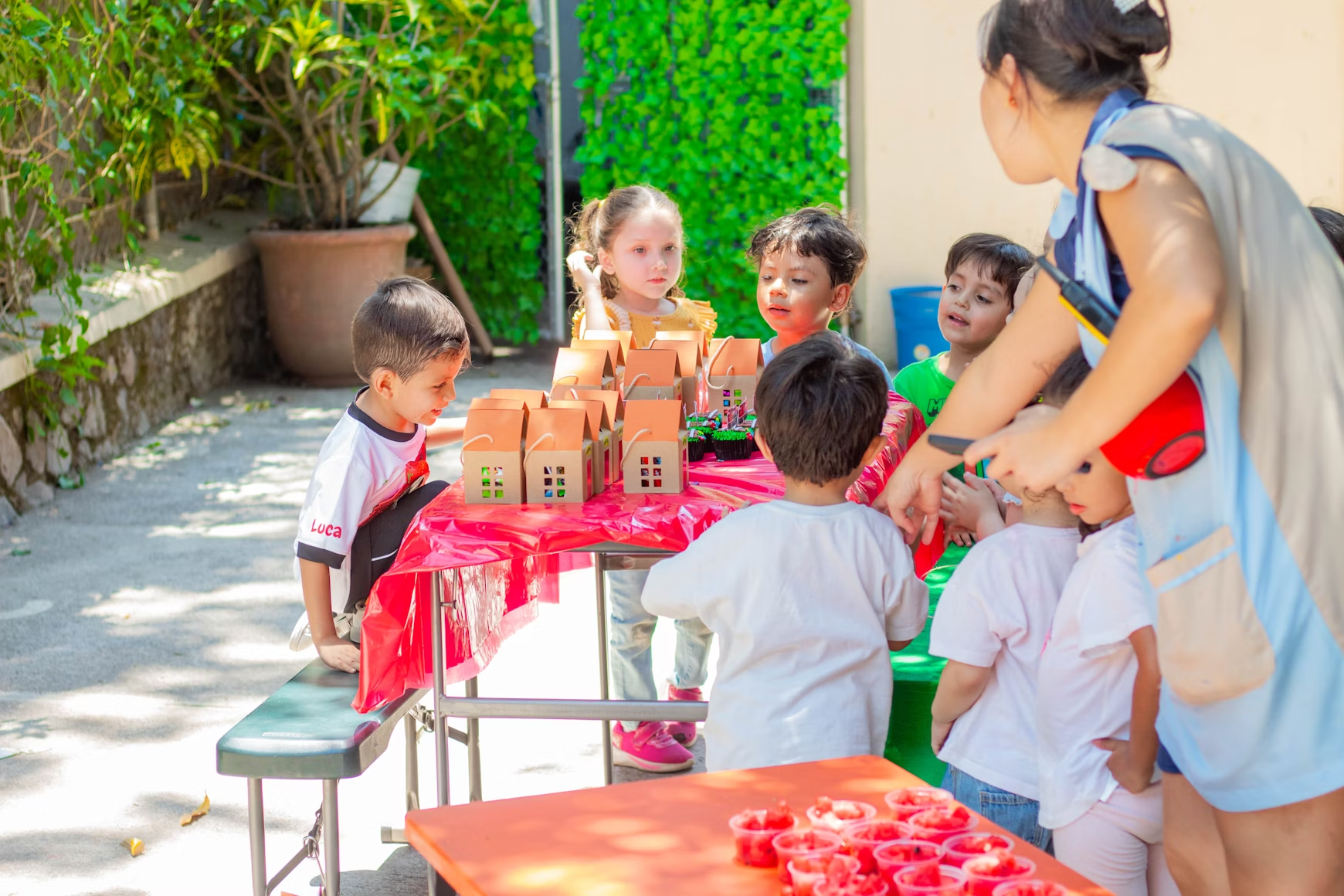
Donating toys, prepping care packages, or delivering cookies to a neighbor shows that kindness comes in many forms. When children see you give without expecting anything back, they develop empathy and learn that gratitude also involves reaching out.
8. Talk About Hardship (In Age‑Appropriate Ways)
Gratitude often grows alongside adversity. Sharing simple stories about challenges you’ve faced—and the silver linings you found—teaches resilience. Your openness helps kids understand that gratitude and hardship can coexist.
9. Help Them Earn and Appreciate Rewards
Let kids work toward a wanted item through chores or small tasks. Earning builds responsibility and deepens appreciation far more than instant gratification. Plus, it fosters pride in their own achievements.
10. Be Honest When You Forget Gratitude
Nobody’s perfect. If you miss an opportunity to say “thank you,” admit it. Modeling humility shows children that gratitude is a mindful practice, not a flawless performance.
11. Pause and Reflect on Everyday Moments
Appreciation often hides in the ordinary—a warm meal, a walk in sunshine, an unexpected hug. Saying these moments out loud trains young minds to scan life for abundance rather than lack.
12. Encourage Thank‑You Notes After Gifts or Events
A handwritten note—or even a quick drawing—helps children process that someone took time to do something kind for them. Expressing thanks makes appreciation concrete and builds social connection.
Setting the Tone Starts With You
Gratitude isn’t just something we teach—it’s something we practice. Every smile, sincere “thank you,” and moment of reflection becomes a quiet lesson for the little eyes watching us.
Teaching gratitude doesn’t happen overnight; it blossoms through daily, consistent example. The bonus? When we guide our kids toward gratitude, we often become more grateful ourselves.
Read More

Samantha Warren is a holistic marketing strategist with 8+ years of experience partnering with startups, Fortune 500 companies, and everything in between. With an entrepreneurial mindset, she excels at shaping brand narratives through data-driven, creative content. When she’s not working, Samantha loves to travel and draws inspiration from her trips to Thailand, Spain, Costa Rica, and beyond.
