• Home
  • About Us
  • Toolkit
  • Archives
  • Advertise
  • Privacy Policy

Kids Ain't Cheap

But They Sure Are Worth It

  • Parenting
    • Baby Stuff
    • Books and Reading
      • Aesops Fables
      • Comic Books
    • Education
    • Family Time
    • Green Living
    • Growing Up
    • Healthy Living & Eating
    • Holidays
    • Parenting
    • Random Musings
    • Shopping
    • Stuff to Do
  • Money
  • Product Reviews
    • Books and Magazines
    • Discount Sites
    • Furniture
    • House Keeping
    • Reviews News
    • Toys and Games
  • Contact Us
  • Our Editorial Commitment
  • Search

9 Ways to Make Bath Time More Fun

June 24, 2025 | Leave a Comment

9 Ways to Make Bath Time More Fun
123rf.com

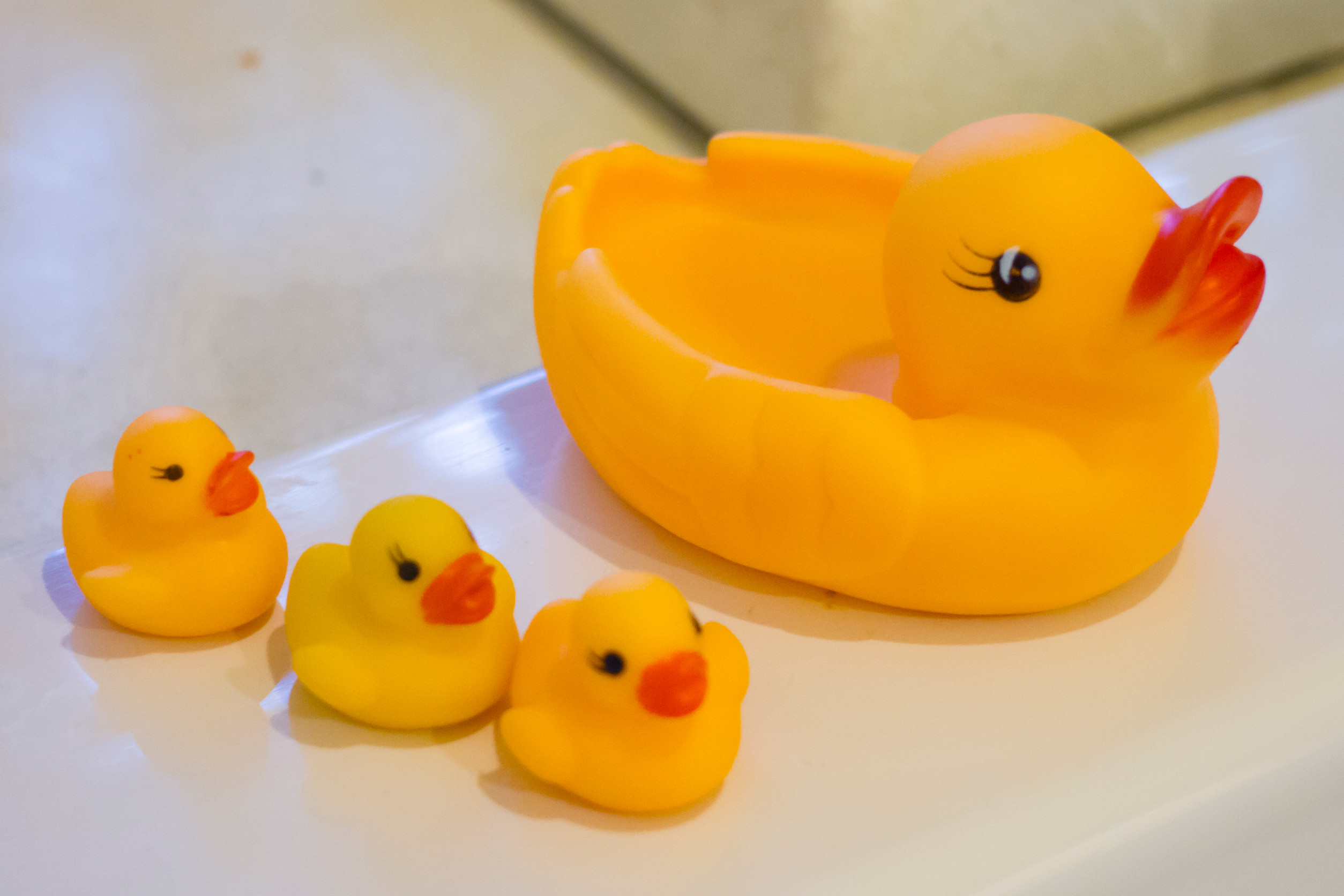
For some kids, bath time is a splashy, giggly paradise. For others, it’s a daily battle involving negotiation, distraction, and the occasional bribe. No matter where your child falls on the bath-time spectrum, it’s always helpful to have a few tricks up your sleeve to make bath time more fun. With the right mix of creativity and a few kid-friendly accessories, this everyday task can become something everyone looks forward to. Here are nine fun ideas that can turn bath time from a struggle into a highlight of your child’s day.

1. Turn the Tub into a Bubble Bonanza

Bubbles are an easy and instant way to make bath time more fun. Whether it’s a special bubble bath formula or a bubble-blowing toy nearby, kids love the sensory experience. You can even add a bubble machine near the tub for some extra excitement. Just make sure to use gentle, tear-free products to protect little eyes and sensitive skin. Bonus: bubbles double as entertainment and a helpful cleaning tool.

2. Add Color with Bath Crayons or Color Drops

Colorful bath tools are a game changer when it comes to getting kids excited about getting clean. Bath crayons let kids draw on tile or tub surfaces (and clean up easily afterward), adding a creative twist to the routine. Color drops turn water into a swirling rainbow that fascinates kids of all ages. Choose fragrance-free, non-staining options made specifically for little ones. When bath time feels like art class, resistance usually fades away.

3. Let Them Choose a Bath Theme

Choosing a theme for the night gives kids something new to look forward to. One evening can be “underwater explorer” with sea creature toys, while another is “spa night” with warm washcloths and calming music. Themes help make bath time more fun by giving it structure and excitement. You don’t need to buy special supplies—just get creative with what you already have. Themed nights also help establish a routine kids are more willing to stick to.

4. Bring in Waterproof Toys and Games

There are tons of waterproof toys specifically made for bath time, from foam letters and stacking cups to water-safe books and mini squirt animals. Rotate them regularly so bath time doesn’t feel the same every night. You can even introduce simple games like “sink or float” or “find the hidden toy” to keep things interesting. Always supervise, of course, and avoid small parts that can pose a choking risk. A few well-loved bath toys can go a long way.

5. Play Their Favorite Music or a Fun Bath Playlist

Music can completely shift the mood and make bath time more fun from the moment the water starts running. Play your child’s favorite upbeat songs, sing along with silly tunes, or even create a special bath-time playlist just for them. A little dance party in the tub not only entertains but can help burn off any lingering bedtime energy. Keep the speaker safely out of splash range. Music adds joy and helps the time pass faster.

6. Let Them Help with the Process

Involving your child in preparing for the bath gives them a sense of control. Let them choose their towel, the toy of the night, or even the soap they want to use. When kids feel like they’re part of the process, they’re more likely to engage willingly. It’s a small shift, but it can make bath time more fun and empowering. You’re also sneaking in some decision-making and independence practice.

7. Create a Cozy Post-Bath Routine

What happens after the bath can influence how your child feels about the whole experience. A warm towel fresh from the dryer, a cozy robe, and a snuggly bedtime story can make it feel like a reward. When kids associate bath time with comfort and bonding, they’ll start to look forward to it more. Don’t forget their favorite lotion or nighttime cream if that’s part of the routine. This wind-down period helps link bath time with positive, calming emotions.

8. Make a Game Out of Washing Up

Instead of simply scrubbing and rinsing, turn washing into a playful challenge. Can they find the hidden “soap monster” under the bubbles? Will the shampoo crown make them the king or queen of cleanliness? Silly games not only make bath time more fun but also encourage cooperation. Use puppets, toy brushes, or silly voices to keep things lighthearted. The goal is laughter, not just lather.

9. Celebrate Milestones and Progress

If your child is warming up to the idea of regular baths or overcoming bath-related fears, take time to celebrate those small victories. A simple “great job staying in the tub” or “thanks for rinsing your hair all by yourself” goes a long way. Use sticker charts or small non-bath-related rewards to reinforce progress. Making bath time more fun sometimes starts with making kids feel seen and proud. Confidence and consistency are key.

It’s Not Just About Getting Clean

Bath time is one of those daily routines that can feel either like a chore or a chance to connect. By making it more enjoyable, you’re not only helping your child get clean, you’re creating lasting memories, encouraging imagination, and ending the day on a positive note. Try a few of these tips and see what works best for your family—and remember, a little creativity goes a long way in turning tub time into fun time.

What are your favorite ways to make bath time more fun in your home? Share your best tips and stories in the comments!

Read More:

5 Ways to Add Eco-Friendly Baby Products to Your Routine

10 Screen-Free Activities to Keep Kids Entertained

Catherine Reed
Catherine Reed

Catherine is a tech-savvy writer who has focused on the personal finance space for more than eight years. She has a Bachelor’s in Information Technology and enjoys showcasing how tech can simplify everyday personal finance tasks like budgeting, spending tracking, and planning for the future. Additionally, she’s explored the ins and outs of the world of side hustles and loves to share what she’s learned along the way. When she’s not working, you can find her relaxing at home in the Pacific Northwest with her two cats or enjoying a cup of coffee at her neighborhood cafe.

Filed Under: Parenting Tagged With: bath time games, bath time tips, child development, family routines, fun bath ideas, kids and hygiene, parenting hacks, toddler routines

Is Your Toddler Already Experiencing Burnout?

June 3, 2025 | Leave a Comment

Is Your Toddler Already Experiencing Burnout

The phrase sounds dramatic—burnout and toddler in the same sentence? But more and more parents are noticing signs that their little ones are overstimulated, overtired, and overbooked. Just like adults, toddlers can hit a wall when their daily lives are filled with nonstop activities, transitions, and pressure to keep up. And while they may not be verbalizing stress the way older kids do, the signs are there if you know how to look. If you’ve been wondering why your toddler seems out of sorts lately, it’s time to consider the possibility that your toddler is experiencing burnout.

1. Their Mood Swings Are Getting Intense

Toddlers are known for tantrums, but if your child is melting down over every tiny thing, it could be more than just the “terrible twos.” When your toddler is experiencing burnout, their emotional regulation goes out the window. They might cry over the wrong cup, scream when asked to get dressed, or become inconsolable for no clear reason. These intense reactions are often a signal that their little system is overloaded. Burnout shows up as irritability and emotional exhaustion—even in toddlers.

2. They’re Constantly Tired, Even After Sleeping

A well-rested toddler is usually full of energy, but if yours is waking up groggy, needing multiple naps, or falling asleep at random times, it may be a red flag. When your toddler is experiencing burnout, rest doesn’t always feel restorative. Their brain and body might be working overtime just to keep up with their day. Quality sleep can suffer when routines are chaotic or when too much is packed into their schedule. It’s a sign that something needs to slow down.

3. They’ve Lost Interest in Play

Toddlers live to play—so if your child suddenly seems disinterested in toys, stories, or favorite games, pay attention. One big sign that your toddler is experiencing burnout is a noticeable loss of joy in activities they usually love. They may seem bored, aimless, or even frustrated during playtime. Overstimulation or being pushed too hard into structured activities can make fun feel like a chore. Giving them more time for unstructured, imaginative play can help bring the joy back.

4. They’re Clingier Than Usual

A toddler who suddenly refuses to leave your side or gets anxious when you leave the room might be trying to tell you something. When your toddler is experiencing burnout, their sense of security can feel shaken. Overloaded schedules, new caregivers, or busy environments can make them crave more closeness and reassurance. While some clinginess is normal at this age, a sudden increase can be tied to emotional exhaustion. They’re not being needy—they’re trying to recharge through connection.

5. Transitions Are a Daily Battle

If your toddler is having meltdowns every time you ask them to leave the house, get in the car, or switch activities, take a step back. These moments aren’t always about defiance—sometimes they’re about capacity. When your toddler is experiencing burnout, the energy it takes to pivot from one thing to another just isn’t there. Toddlers need structure, but too many transitions in one day can overwhelm them. Simplifying their daily routine can ease the stress and reduce the power struggles.

6. Mealtime Has Become a Fight

A change in eating habits—whether it’s total refusal to eat, picky behavior, or emotional outbursts around food—can be a subtle sign of burnout. When your toddler is experiencing burnout, their nervous system is on edge, which can impact appetite and digestion. Stress may cause them to crave routine comfort foods or resist meals altogether. Mealtime should feel calm and predictable, not like one more battleground in their overstimulated day. Keep it simple, relaxed, and pressure-free.

7. They’re Suddenly More Aggressive

Hitting, biting, or throwing toys more often than usual? It might not just be a “phase.” One of the most frustrating signs your toddler is experiencing burnout is an increase in aggressive behavior. This usually stems from frustration, lack of control, or emotional overload. Toddlers lash out when they don’t have the tools to express how overwhelmed they feel. Giving them outlets to release tension—like outdoor play or sensory activities—can help.

8. They Struggle With Independence They Once Had

Was your toddler happily getting dressed, cleaning up toys, or feeding themselves a few weeks ago—and now they suddenly want help with everything? Burnout can cause kids to regress temporarily. When your toddler is experiencing burnout, even basic tasks can feel too big to manage. Rather than pushing them to snap out of it, offer gentle encouragement and support. Once they feel more rested and balanced, their independence usually returns on its own.

9. They’re Saying “No” to Everything

While defiance is normal at this age, a toddler who resists everything—from brushing teeth to going outside—may be signaling they’ve had enough. Saying “no” becomes their last line of defense when they’re too drained to do anything else. When your toddler is experiencing burnout, it’s not about being oppositional—it’s about protecting what little energy they have left. Creating a more flexible, low-pressure environment can help them feel safe and in control again.

When Slowing Down Is the Best Thing You Can Do

Parents often feel pressure to enrich their toddler’s life with constant activity—but sometimes, the best thing you can give them is a break. When your toddler is experiencing burnout, it’s your cue to simplify, slow down, and reconnect. Less structure, more rest, and meaningful time together can help reset their system. Childhood isn’t a race, and toddlers don’t need to be busy to be thriving—they just need to feel safe, seen, and supported.

Have you ever noticed signs of burnout in your toddler? What helped bring back their spark? Share your experience in the comments below!

Read More:

8 Hard Truths About Toddlers Every Parent Learns Too Late

From Chaos to Calm: Strategies for Difficult Toddler Behavior

Catherine Reed
Catherine Reed

Catherine is a tech-savvy writer who has focused on the personal finance space for more than eight years. She has a Bachelor’s in Information Technology and enjoys showcasing how tech can simplify everyday personal finance tasks like budgeting, spending tracking, and planning for the future. Additionally, she’s explored the ins and outs of the world of side hustles and loves to share what she’s learned along the way. When she’s not working, you can find her relaxing at home in the Pacific Northwest with her two cats or enjoying a cup of coffee at her neighborhood cafe.

Filed Under: Mental Health Tagged With: burnout in children, child development, overstimulated toddler, parenting tips, parenting toddlers, toddler behavior, toddler routines, your toddler is experiencing burnout

  • Facebook
  • Pinterest
  • RSS
  • Twitter

Basic Principles Of Good Parenting

Here some basic principles for good parenting:

  1. What You Do Matters: Your kids are watching you. So, be purposeful about what you want to accomplish.
  2. You Can’t be Too Loving: Don’t replace love with material possessions, lowered expectations or leniency.
  3. Be Involved Your Kids Life: Arrange your priorities to focus on what your kid’s needs. Be there mentally and physically.
  4. Adapt Your Parenting: Children grow quickly, so keep pace with your child’s development.
  5. Establish and Set Rules: The rules you set for children will establish the rules they set for themselves later.  Avoid harsh discipline and be consistent.
  6. Explain Your Decisions: What is obvious to you may not be evident to your child. They don’t have the experience you do.
  7. Be Respectful To Your Child: How you treat your child is how they will treat others.  Be polite, respectful and make an effort to pay attention.
Best Parenting Blogs

Most Popular

Baby

10 Baby Names That Were Once Considered “Grandparent Names” but Feel Cool Again

Evan Morgan
Baby

9 Baby Names Inspired by Fall Without Naming Your Child Autumn

Evan Morgan
Baby

10 Vintage Baby Names That Sound Surprisingly Modern Again

Evan Morgan
Baby names

Teachers Admit: These 6 Baby Names Create Instant Bias in the Classroom

Latrice Perez
6 Baby Names That Sound Cute Now but Cause Problems Later

6 Baby Names That Sound Cute Now but Cause Problems Later

Brandon Marcus

All content on Kids Ain’t Cheap is for entertainment purposes only. By reading this blog, you agree that Kids Ain’t Cheap is not responsible for any actions taken after reading this blog. For the full disclaimer, see our privacy policy.

Please note that Kids Ain’t Cheap has financial relationships with some of the merchants mentioned here. Kids Ain’t Cheap is funded by banner advertising, commission sales and search optimization consulting.

Copyright © 2006–2026 | District Media | All Rights Reserved | Privacy Policy

Copyright © 2026 Runway Pro Theme by Viva la Violette