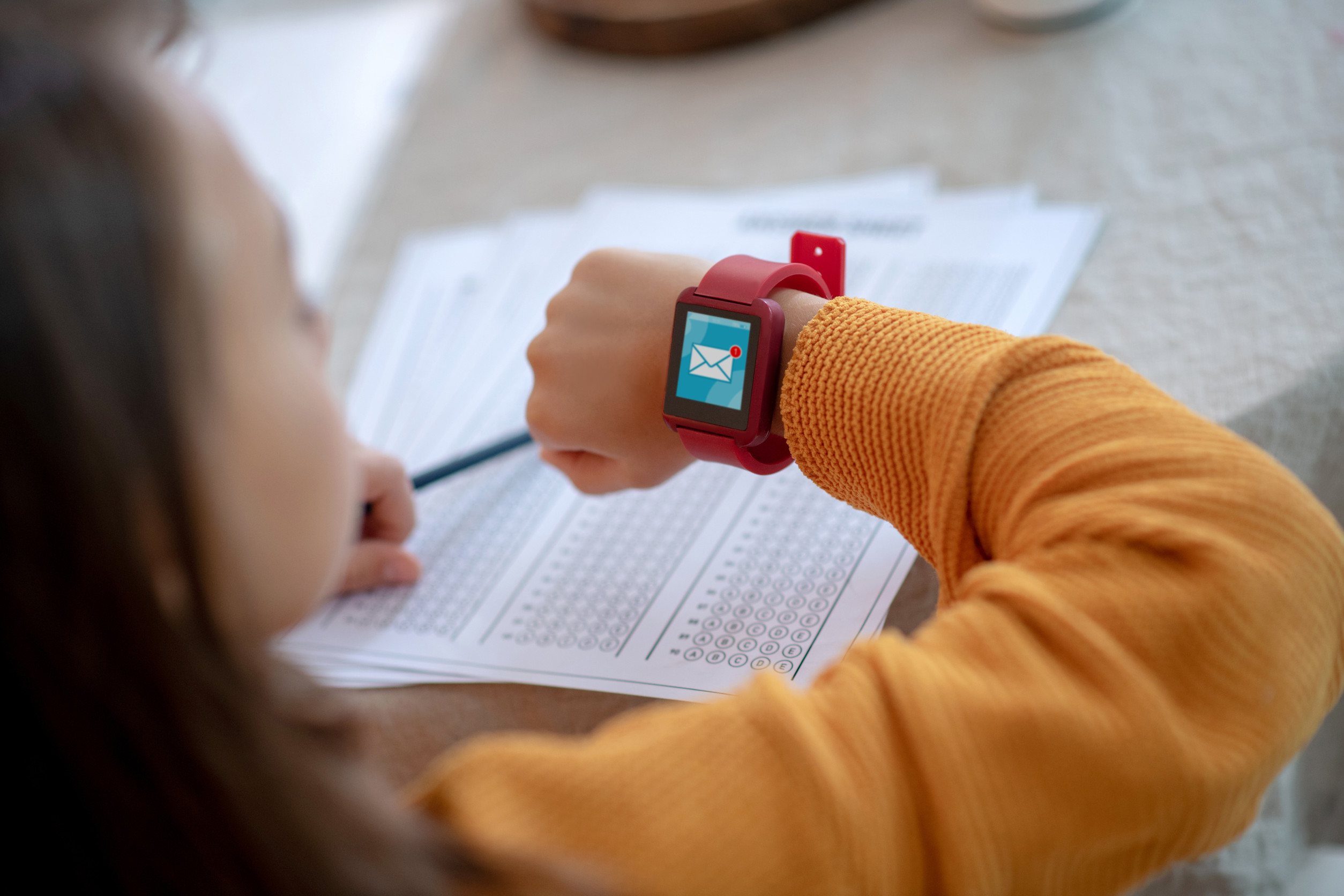
From smartwatches to fitness trackers, kids’ wearables promise peace of mind for parents—location updates, fitness goals, and even school reminders all delivered to your phone. But as these devices become more popular, so do the concerns about what they’re really tracking and who’s accessing the data. While marketed as safety tools, kids’ wearables often collect far more information than most families realize. In the wrong hands or under poor oversight, that data can be used in ways that cross serious privacy boundaries. If you’re considering a wearable for your child or already using one, here are eight privacy issues you need to know about.
1. Constant Location Tracking
Most kids’ wearables include GPS so parents can monitor their child’s location at all times. While this can be reassuring, it also means a child’s movements are being tracked and stored, sometimes by third-party apps or cloud services. If the data isn’t encrypted or protected properly, it could be accessed by hackers or shared without your knowledge. Some devices even update location in real-time, making them vulnerable to stalking or surveillance. Kids’ wearables may feel like security, but they also open the door to serious location privacy risks.
2. Data Shared with Third Parties
When you activate a wearable, you usually agree to terms of service that include sharing data with advertisers or analytics companies. That means your child’s steps, sleep habits, or daily routine might be sold or used to profile them. Unlike adults, children can’t give meaningful consent, yet their data may still be packaged for marketing or research. Parents often assume the data stays between them and the app, but kids’ wearables frequently involve multiple behind-the-scenes partners. It’s worth reading the privacy policy carefully and checking what kind of data is collected, stored, and shared.
3. Insecure Bluetooth Connections
Many kids’ wearables connect to phones or tablets using Bluetooth, which can be insecure if not properly managed. Without strong security protocols, nearby devices can intercept the connection, access files, or even send commands to the wearable. Some hackers use Bluetooth vulnerabilities to “sniff” data from unsuspecting devices, including children’s watches. If your child’s wearable doesn’t automatically disable Bluetooth when not in use, the risk increases. Kids’ wearables should always come with strong encryption and security updates to protect against these threats.
4. Inadequate Parental Control Features
Some wearables are marketed as child-safe but lack meaningful privacy settings for parents to manage. If you can’t easily control what data is collected, when tracking occurs, or who has access, the device may not be worth the trade-off. In some cases, kids can also disable safety features or access adult apps and content through the wearable. Without proper oversight, a wearable becomes more than just a tracking tool—it’s an unmonitored gateway to risk. When shopping for kids’ wearables, always check for customizable controls and user-friendly privacy settings.
5. Security Breaches and Data Leaks
Several high-profile security breaches have affected companies that make kids’ wearables. In some cases, millions of data points—including names, photos, locations, and even voice messages—have been exposed. These leaks not only violate a child’s privacy but can also make them a target for identity theft or digital tracking. Even if a company claims to take security seriously, not all wearables go through the same rigorous testing as smartphones or tablets. The growing number of kids’ wearables on the market makes it harder to know which are truly safe.
6. Voice Recording and Audio Surveillance
Some wearables include microphones for voice messaging, hands-free calling, or voice commands. But these features can turn into privacy issues if conversations are recorded without consent or stored on insecure servers. In some cases, recordings can be accessed remotely, or worse, intercepted. Many parents don’t realize the extent to which their child’s speech might be recorded and saved. Kids’ wearables with audio features should come with clear options to disable recording and transparent policies about how voice data is handled.
7. Encouraging a Culture of Surveillance
Beyond technical risks, there’s a bigger-picture concern: normalizing constant monitoring. When kids grow up being tracked at all times, it can send the message that they’re never truly trusted or free. It may even affect how they learn independence, manage boundaries, or develop personal responsibility. While safety matters, so does teaching kids about privacy and mutual trust. Parents using kids’ wearables should be mindful of the emotional and psychological side effects of always watching.
8. Limited Age-Appropriate Regulations
While there are child data protection laws like COPPA in the U.S., not all wearables fall under these rules. Some manufacturers skirt regulations by claiming their product is for general use or failing to disclose full features upfront. As a result, kids’ data may be collected without the protections they deserve. Parents may assume a product is safe simply because it’s labeled “for kids,” but that’s not always the case. Always do your research before buying kids’ wearables and prioritize companies that follow strong privacy guidelines.
Smart Doesn’t Always Mean Safe
Just because a device is labeled smart doesn’t mean it’s safe. Kids’ wearables may offer convenience and peace of mind, but they also come with a host of privacy concerns that too often go unnoticed. Understanding how your child’s data is collected, stored, and shared is essential to making informed decisions. If you choose to use wearables, pick models with strong security, transparent policies, and features you can control. The smartest choice is one that protects your child, not just tracks them.
Are your kids using wearables? What privacy features do you look for before making a purchase? Share your thoughts in the comments below!
Read More:
School Spies: 8 Privacy Risks of School Apps Collecting Data
6 Legal Protections for Your Child’s Digital Footprint

Catherine is a tech-savvy writer who has focused on the personal finance space for more than eight years. She has a Bachelor’s in Information Technology and enjoys showcasing how tech can simplify everyday personal finance tasks like budgeting, spending tracking, and planning for the future. Additionally, she’s explored the ins and outs of the world of side hustles and loves to share what she’s learned along the way. When she’s not working, you can find her relaxing at home in the Pacific Northwest with her two cats or enjoying a cup of coffee at her neighborhood cafe.
