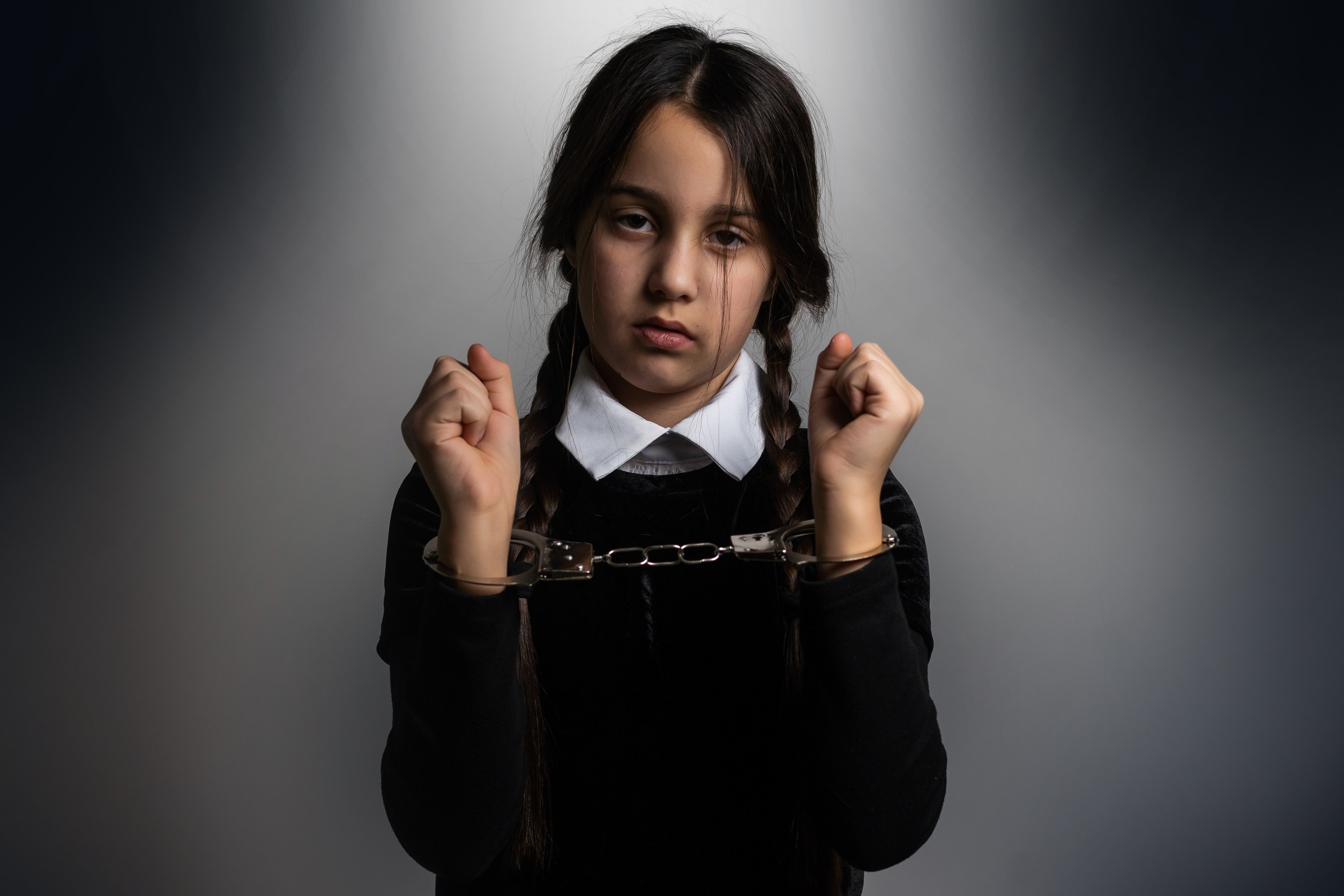
It’s every parent’s nightmare: the phone rings, and it’s the police telling you your child is in trouble. Suddenly, you’re thrust into a legal world you hoped to avoid completely. When a minor child breaks the law, the consequences can ripple through your entire family—emotionally, financially, and legally. Juvenile offenses don’t always mean a criminal record for life, but the legal process can still be overwhelming. Here’s what parents need to know about the legal battles that can begin when a minor child breaks the law.
1. Juvenile Court Proceedings
The first major step after a minor is arrested is the juvenile court process. When a minor child breaks the law, they are typically processed through a separate court system focused on rehabilitation rather than punishment. Still, the process can involve detention hearings, plea agreements, and even trials depending on the severity of the offense. Legal representation is a must, and parents are usually required to appear in court as well. This step alone can involve months of hearings and a significant amount of stress.
2. Parental Responsibility Lawsuits
In some states, parents can be held legally and financially responsible for damage caused by their child. When a minor child breaks the law—especially in cases like vandalism, theft, or injury to others—victims may pursue a lawsuit against the parents. This could mean paying for stolen items, property damage, or medical bills. While the goal is to hold families accountable, the impact can be financially devastating. Understanding local parental responsibility laws is crucial if your child is involved in a legal issue.
3. Civil Restitution Claims
In addition to any court-imposed fines, families may be ordered to pay restitution directly to victims. Restitution is common when a minor child breaks the law and causes harm or loss, such as in shoplifting or destruction of property. Unlike a criminal sentence, restitution is meant to compensate the affected parties. Courts take this seriously, and failure to pay can result in further legal consequences. This often becomes a long-term burden for families already grappling with the emotional impact of the offense.
4. School Disciplinary Actions
Many legal issues involving minors trigger consequences beyond the courtroom, including within their school. When a minor child breaks the law, schools may respond with suspensions, expulsions, or disciplinary hearings, even if the incident occurred off-campus. These actions can affect academic standing, college applications, and access to extracurricular activities. Parents may have to attend disciplinary meetings or hire an advocate to protect their child’s educational rights. Legal trouble rarely stays confined to just one area of life.
5. Driver’s License Suspension or Denial
Certain offenses, such as underage drinking, drug possession, or reckless driving, can lead to a suspension of driving privileges. When a minor child breaks the law, even a first offense can delay or revoke their ability to get or keep a license. For teenagers, this can feel like a major setback, especially if they rely on driving for school or work. Courts may also impose restrictions, such as only being allowed to drive to school or probation meetings. This consequence can have a lasting impact on their independence.
6. Placement in Juvenile Detention or Residential Programs
If the offense is severe or repeated, a judge may order a child to be placed in a juvenile detention facility or residential treatment center. This is more likely in cases involving violence, substance abuse, or prior legal trouble. When a minor child breaks the law and faces this level of punishment, the emotional toll on both the child and their family can be immense. These programs are meant to rehabilitate, but the separation can be deeply painful. It’s a reminder that the justice system, even when aimed at reform, carries weighty consequences.
7. Having a Juvenile Record
Even if a child is found guilty in juvenile court, that doesn’t always mean a permanent record—but it can in some cases. When a minor child breaks the law, their criminal record may follow them into adulthood, affecting future education, employment, and housing opportunities. Some states offer automatic expungement, while others require formal petitions. It’s important for parents to work with an attorney to understand how to seal or erase a juvenile record. A proactive approach can make a huge difference in a child’s future.
8. Court-Ordered Counseling and Probation
Instead of or in addition to detention, courts may require minors to attend counseling, community service, or undergo probation. These measures aim to steer young offenders away from future legal issues. When a minor child breaks the law, these court mandates can be time-consuming and logistically challenging for families. Parents often have to arrange transportation, ensure attendance, and sometimes participate themselves. While less severe than detention, these conditions are still part of the larger legal process and must be taken seriously.
What to Do When the Legal System Becomes a Family Matter
When a minor child breaks the law, the legal process doesn’t just affect them—it reshapes your entire family dynamic. As overwhelming as it may feel, staying informed and proactive is your best defense. The juvenile justice system is designed to rehabilitate, but it can still leave a lasting mark if families don’t advocate, prepare, and support their child through the process. Legal challenges are tough, but with the right support, they can also be a turning point.
Have you or someone you know navigated the juvenile legal system? What helped you through it—or what do you wish you had known sooner? Share your thoughts in the comments.
Read More:
10 Parenting Practices That Are More Harmful Than You Think
10 Things Parents Should NEVER Ignore About Their Child’s Behavior

Catherine is a tech-savvy writer who has focused on the personal finance space for more than eight years. She has a Bachelor’s in Information Technology and enjoys showcasing how tech can simplify everyday personal finance tasks like budgeting, spending tracking, and planning for the future. Additionally, she’s explored the ins and outs of the world of side hustles and loves to share what she’s learned along the way. When she’s not working, you can find her relaxing at home in the Pacific Northwest with her two cats or enjoying a cup of coffee at her neighborhood cafe.
