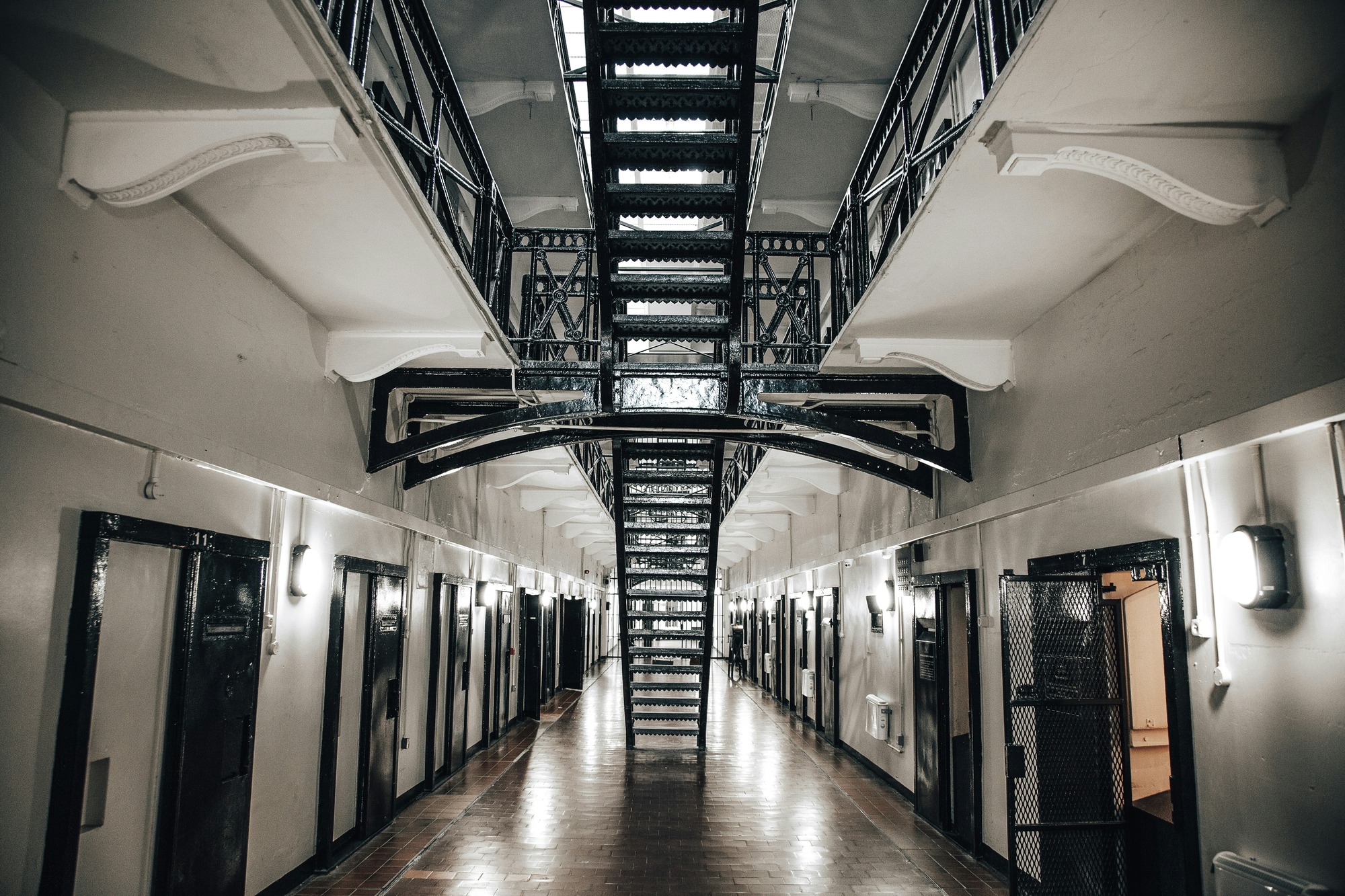
When we talk about incarceration, the conversation usually centers around the person behind bars. Rarely do we pause to ask about the people left behind, especially the children. For the millions of kids with incarcerated parents in the U.S., the sentence is often silent, invisible, and life-altering.
They may not wear orange jumpsuits or sit behind concrete walls, but these kids experience a different kind of imprisonment. One made of confusion, shame, instability, and grief.
The Grief No One Talks About
Children grieve differently from adults. But when a parent is incarcerated, the grief they experience is often ambiguous. The parent is still alive, but they’re gone. There’s no clear ritual of mourning, no support groups, no casseroles dropped off by well-meaning neighbors.
Instead, the child is left to process a complex emotional cocktail: sadness, guilt, anger, and sometimes misplaced loyalty. Many don’t even feel they’re allowed to grieve—after all, society tends to believe that people in prison deserve what they get. That belief trickles down to their children.
And so, the grief stays hidden.
The Ripple Effects Are Bigger Than You Think
Parental incarceration doesn’t just disrupt one part of a child’s life. It affects everything. School performance often drops. Behavioral issues may arise. Housing becomes unstable. And in many cases, children bounce between caregivers, rarely given a sense of security or consistency.
Worse still, there’s often a financial crisis that comes with the loss of an income earner. This added economic pressure leaves little room for emotional healing.
But the most damaging effect? The sense of stigma. Children are often told not to talk about their parents’ absence, or worse, they lie to protect them. That isolation cuts deep and can lead to long-term mental health challenges, including depression, anxiety, and trust issues.
Shame Isn’t a Support System
Kids internalize the reactions of adults around them. If their caregivers avoid the topic, or if teachers and peers respond with judgment, children begin to believe the lie that they are somehow “less than” because of what their parents did. Shame, left unchecked, can become an identity.
This shame also silences their voice. While kids may want to ask questions or talk about their confusion, they learn quickly that bringing up the parent in prison makes people uncomfortable. So they keep it in. That silence builds walls, and it’s on us to break them down.
A Call for Compassion Over Judgment
What these children need most isn’t interrogation or pity. It’s empathy.
They need trusted adults to say, “It’s okay to be sad,” or “This doesn’t define who you are.” They need school systems that recognize the trauma and offer support instead of punishment. They need mentors who can help them feel seen and understood.
Most of all, they need community. Even one consistent, compassionate adult can change the trajectory of a child’s life. Whether it’s a teacher who listens, a coach who shows up, or a neighbor who offers normalcy, those connections matter more than we can measure.
Visiting Isn’t Always Simple or Possible
Maintaining contact with an incarcerated parent is often touted as crucial for the child’s well-being, and in many cases, that’s true. But visiting a prison isn’t as simple as driving to a park. For some families, facilities are hours away. Transportation is expensive. The prison environment can be intimidating or traumatic for young kids. And in some cases, caregivers may not allow the visit at all.
Phone calls and video chats can be costly and limited. So, even if the child wants to stay connected, the system itself creates hurdles. And when contact fades, kids may assume the worst: that they’ve been forgotten.
Kids Don’t Deserve a Sentence They Didn’t Choose
No child chooses to have a parent incarcerated. Yet they often carry the consequences in silence, are expected to perform in school, behave at home, and grow up fast without the emotional or psychological resources they need.
We owe them more than that. We owe them policies that consider family bonds during sentencing. We owe them trauma-informed schools. We owe them spaces where they can talk without shame or secrecy.
Above all, we owe them the same thing we offer other grieving children: support, presence, and love.
We Can Do Better
You don’t have to be a therapist or a policymaker to make a difference. You can be the friend who listens, the teacher who gives grace, or the employer who supports a caregiver. Change happens one child at a time by refusing to look away.
Have you known a child with an incarcerated parent? What do you think society gets wrong about supporting these families?
Read More:
Here’s How to Explain Death to a Young Child Without Scaring Them
Finding Your Village as a Single Parent—You’re Not Alone
Read More

One impulsive post. One shared photo. One mean-spirited comment made in a moment of frustration.…

We all know, kids ain't cheap. When you stare into your little bundle of joy's…

As I have mentioned before -- I am the Mom of twin boys. Because of…

Parents often go to great lengths to shield their children from money worries, believing it’s…

Buyers purchase an investment property for many reasons; to get a foothold in the property…


Image Source: Unsplash We’ve all had that moment: watching your child construct something amazing out…


Leave a Reply