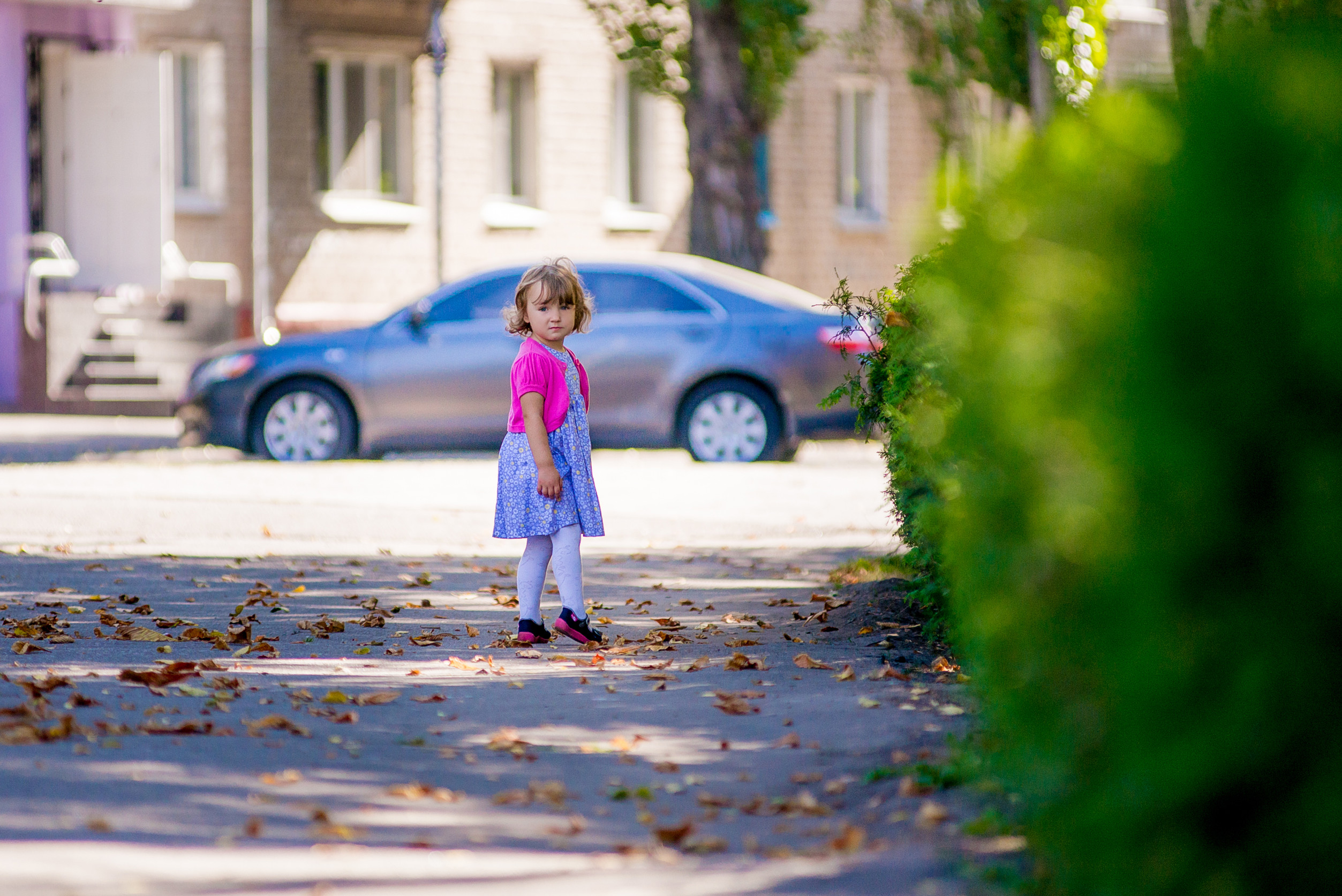
Telling children to avoid strangers used to feel like enough, but today’s risks are far more complex. From trusted adults who cross boundaries to online “friends” with hidden motives, kids need broader tools than just fear-based rules. True child safety education empowers kids to recognize unsafe behavior, no matter who it comes from, and act confidently. This means giving them the skills to speak up, trust their instincts, and understand that being safe is about smart decisions, not just avoiding strangers.
1. Teach Behavior Awareness Over Stranger Warnings
Children are more likely to be harmed by someone they know than by a total stranger, which makes this shift in thinking essential. Instead of warning kids only about “scary people,” focus on what safe and unsafe behavior actually looks like. Help them recognize red flags like secrecy, inappropriate touch, or any request that makes them uncomfortable. Make it clear that safety rules apply to everyone, even people they see regularly. Teaching kids to watch for behaviors, not just faces, gives them real-world tools for staying safe.
2. Explain That Adults Shouldn’t Ask Kids for Help
It might seem harmless when a grown-up asks a child to help find a pet or carry groceries, but it’s often a manipulation tactic. Kids should know that safe, responsible adults don’t rely on children to solve their problems. Reinforce the idea that it’s okay—and expected—to say “no” and walk away from these situations. Practicing these moments helps kids build the confidence to act quickly and appropriately. This simple message can stop a child from falling into a risky situation masked as kindness.
3. Practice “What If” Scenarios Regularly
Role-playing different situations helps kids build muscle memory for responding to danger. Go beyond the usual “don’t talk to strangers” and ask questions like, “What if someone asks you to keep a secret from me?” or “What if someone tries to touch you weirdly?” Keep it casual but consistent—kids learn best through repetition and realistic examples. Praise them for smart responses, and correct gently when they need help adjusting. This kind of practice prepares kids to act quickly and safely when it matters most.
4. Encourage Kids to Trust Their Gut
Even young children can sense when something feels “off”—and we should encourage them to honor that feeling. Teach your child that it’s always okay to walk away from a situation that makes them uncomfortable, even if they can’t explain why. Let them know they can come to you without fear of getting someone “in trouble.” Affirm that their feelings are valid and important to pay attention to. Trusting their instincts is a powerful first defense when faced with uncomfortable or unsafe situations.
5. Build a Safety Net of Trusted Adults
Kids shouldn’t feel like you’re their only safe adult—there should be a network they can turn to if they ever need help. Help them name five adults they can trust, like teachers, coaches, grandparents, or school counselors. Talk through when and how to approach these people if they ever feel unsafe. Ensure they know it’s okay to go to someone else if you’re not around. Having a team in place empowers kids to act, even if they’re caught off guard.
6. Set Realistic Online Safety Boundaries
Kids spend more time online, and safety conversations need to extend into digital spaces. Make it a rule that your child never chats privately or shares personal information with someone they don’t know in real life. Talk about what to do if someone online makes them feel weird or uncomfortable. Keep communication open, so your child won’t be afraid to come to you if something happens. Online safety is just as important as playground safety, and should be treated with the same seriousness.
7. Use Media and Everyday Life as Teaching Moments
You don’t always need a formal sit-down to talk about safety—daily life offers natural opportunities. Use scenes in books, TV shows, or news stories to ask what your child would do in similar situations. Let them think it through and discuss their answers together. These casual conversations reinforce lessons without creating anxiety. The more you integrate these moments into daily life, the more prepared your child will be without even realizing it.
8. Keep Safety Talks Empowering, Not Fear-Based
The goal of child safety education isn’t to make kids scared of the world—it’s to help them feel strong and secure in it. Reassure them that most people are good, and that their safety skills are just tools they might need to use sometimes. Stay calm and encouraging when discussing tough topics. Focus on making your child feel confident, not worried. Empowered kids are more likely to speak up, set boundaries, and ask for help when it matters most.
Raising Kids Who Know How to Stay Safe
“Stranger danger” doesn’t cover it anymore—and thankfully, it doesn’t have to. When we shift the focus from fear to awareness, we help kids feel capable, not scared. Teaching them how to spot unsafe behavior, trust their feelings, and lean on their support system builds true resilience. Keep the conversation open and ongoing, because safety isn’t a one-time lesson. With the right tools, your child will be ready for whatever situation life throws their way.
How do you talk to your child about safety in today’s world? Share your tips in the comments—we’d love to hear your thoughts!
Read More:
10 Mistakes Parents Make When Kids Are Anxious
Fear Isn’t Always Bad: Teaching Kids to Manage Anxiety

Catherine is a tech-savvy writer who has focused on the personal finance space for more than eight years. She has a Bachelor’s in Information Technology and enjoys showcasing how tech can simplify everyday personal finance tasks like budgeting, spending tracking, and planning for the future. Additionally, she’s explored the ins and outs of the world of side hustles and loves to share what she’s learned along the way. When she’s not working, you can find her relaxing at home in the Pacific Northwest with her two cats or enjoying a cup of coffee at her neighborhood cafe.
Read More

That colorful, harmless-looking game on your child’s tablet might be doing more than keeping them…

While it's important for everyone to make a living somehow, it can sometimes be a…

You never expect your child to land in serious trouble at school—until it happens. One…

You brace yourself for another outburst—tears, kicking, yelling, the works. Toddler tantrums can erupt over…


A lot of modern parenting advice sounds like it’s helping kids thrive, but sometimes it’s…

The costs of childcare depend on several factors including where you live, the types of…


Leave a Reply