• Home
  • About Us
  • Toolkit
  • Archives
  • Advertise
  • Privacy Policy

Kids Ain't Cheap

But They Sure Are Worth It

  • Parenting
    • Baby Stuff
    • Books and Reading
      • Aesops Fables
      • Comic Books
    • Education
    • Family Time
    • Green Living
    • Growing Up
    • Healthy Living & Eating
    • Holidays
    • Parenting
    • Random Musings
    • Shopping
    • Stuff to Do
  • Money
  • Product Reviews
    • Books and Magazines
    • Discount Sites
    • Furniture
    • House Keeping
    • Reviews News
    • Toys and Games
  • Contact Us
  • Our Editorial Commitment
  • Search

Senior Safety: How to Make Sure Your Parents Are Safe

November 30, 2020 | Leave a Comment

As your parents get older, you turn into the parent and start worrying about them day in and day out. Questions like, what are they doing, are they safe and sound, are they eating well, and more, run through your mind daily.

Senior safety is definitely no joke, and the numbers prove it. The US Centers for Disease Control and Prevention says that 1 out of every 3 seniors falls every year. Not only that but every 19 minutes, an older adult dies from a fall.


[Read more…]

Filed Under: KACURP, Money and Finances

Things You Need to Check Before Entering Stock Trading

November 21, 2020 | Leave a Comment

Realizing the vast opportunity provided by the stock market, anyone can feel enthusiasm for joining the market. Nothing’s wrong with seeking an income from a field that yields millions of dollars from even a single trade. Before signing up for it, ask yourself the question, “Have you researched the source of income comprehensively and looked into it in depth?” If not, this article is for you. [Read more…]

Filed Under: KACURP, Money and Finances

What Is the Financial Responsibility of a Step Parent?

November 19, 2020 | Leave a Comment

Step Parent Financial Responsibility

Many second marriages now come with the bonus of additional children—step children.  As a step parent, you’re expected to provide support and understanding for your “bonus children.”  But what other responsibilities do you have?  Namely, what are the financial responsibilities?

Financial Responsibility of a Step Parent?

Your financial responsibility is largely determined by your step child’s situation.  Did his other parent die?  Are his parents divorced, but the other spouse is paying child support?  Was he abandoned by his other parent and receives no visits or monetary help from that parent?  Do you have your own kids that you bring to this marriage?  If so, what is your financial situation with your ex?

All of these variables come into play when you decide what your financial responsibility is as a step parent.

Do You Want to Adopt?

One of the first questions before you tie the knot is to determine if you want to adopt your step children.  Of course, this isn’t an option for everyone, especially if the step children’s other parent plays a role in their lives.  However, if your step children have an absent parent or their parent has died, you may want to adopt them, especially if they are open to the idea.

There are many advantages to adopting step children.  Most importantly, you will then be able to have a legal say in their lives.  Likewise, if your new spouse becomes incapacitated, you are recognized by the law as your step children’s parent.

Talk to a Financial Planner

Step Parent Financial Responsibility
Photo by Amy Hirschi on Unsplash

After you’ve made that crucial decision, the next is to consider talking to a financial planner.  When merging a household, there are many financial decisions to make.

When it comes to taxes, will you file jointly with your new spouse?  If so, will you be able to claim the children on your tax return, or will their other parent?

When it comes to money management, will you merge finances or keep them separate?  If you decide to keep them separate, what will be your financial obligation to your step children?

Analyze Your Life Insurance Beneficiaries

Finally, analyze your life insurance beneficiaries.  You, your spouse, and your step children are now a family, and as such, you want to make sure that they will be able to function financially should the unexpected happen.

Unfortunately, some people forget to change their beneficiaries, so as soon as you’re married, make sure to change the beneficiaries to your new family.  Also evaluate whether you have enough life insurance after your new marriage.  You may find you need to secure more.

Final Thoughts

Each relationship is unique.  While there are no explicit rules about a step parent’s financial responsibility to her step children like there are with biological parents and children, you still want to make sure your new family is taken care of financially.  You can do this by considering whether to adopt, consulting with a financial planner, and updating your life insurance.

Read More

Steps to Divorce: 7 Immediate Steps to Take Before Getting a Divorce

Understanding Life Insurance: Everything You Need to Know

How to Talk to Your Family about Life Insurance

Melissa Batai
Melissa Batai

Melissa is a writer and virtual assistant. She earned her Master’s from Southern Illinois University, and her Bachelor’s in English from the University of Michigan. When she’s not working, you can find her homeschooling her kids, reading a good book, or cooking. She resides in Arizona where she dislikes the summer heat but loves the natural beauty of the area.

Filed Under: Money and Finances, Parenting Tagged With: blended family, family finances, step children, step parent

How to Keep Baby Warm in Winter: 5 Surefire Ways to Beat the Cold

November 19, 2020 | Leave a Comment

Winter is right around the corner, and that means watching pretty snowfall and the holiday season. But winter also means cold weather and having to bundle up to protect against it. Bundling up in the winter is especially important for babies and infants.

Fresh air helps babies get used to the seasons and the night and day cycle. Unless it’s dangerously cold, allow your baby outside during the winter is essential for their development. But that means you should follow safety precautions.

Here are five ways for how to keep a baby warm in winter months.

1. Watch Indoor Temperature

You can’t control the weather outside, but you can control the temperature in your home. Heat inside your lowers humidity, and that can mean problems for a baby’s delicate skin. Try to avoid cranking up the heat during the day.

Temperatures between 68°F and 72°F are best during the day. At night, temperatures between 65°F and 68°F can help reduce the risk of SIDS. Just be sure to dress your baby warmly before bed.

2. Layer Your Baby’s Clothes

A staple of winter fashion is layering, and that doesn’t change when it comes to baby clothes. The bottom layer should be a snug option like a bodysuit or leggings. On top of that, your baby can wear pants or long sleeves.

When going outside, be sure to add a jacket, mittens, a hat, and booties to keep them warm. It’s also important to remember to take the coat off in the car, so the straps of the car seat fit snugly.

3. Try to Keep the Wind Away

Whether you’re indoors or outdoors, you want to keep excess air off of your baby. Place their crib away from the windows, air vents, fans, or outside walls. Be sure to keep windows and doors closed to prevent cold air from entering the room.

Use stroller covers to keep the wind off a baby when they’re outside. And do your best to walk against the wind.

4. Use a Footmuff

Parents swear by footmuffs. Using footmuffs can keep your baby warm and properly insulated in the winter months. Many parents in Scandinavian countries use these when letting their babies nap outside.

While you may not opt for outdoor sleeping, a footmuff will keep your baby warm when venturing outside the home.

5. Keep Baby Close

You can also keep your baby warm with your own body heat. Wearing your baby in a carrier has many benefits besides the heat, including the physical intimacy of closeness. Your body can provide an extra cozy and warm place in the winter.

Just be sure to always cover your baby’s head and feet. And make sure their face is not pressed up in your chest or clothing so their airway isn’t blocked.

How to Keep a Baby Warm in Winter Months

Because infants lose body heat faster than adults, it’s essential to prepare your baby for the lower temperatures. Babies don’t have the body fat to regulate their own heat, so these tips on how to keep a baby warm in winter months will help protect them.

Using some of these methods, you’ll be able to take your baby outside and allow them to get the fresh air needed for their development. The winter months and the holiday season can be a magical time.

Just take the precautions to protect your baby so that they can enjoy these exciting firsts.

Was this article informative? Share it with a friend and read more family and lifestyle articles.

Filed Under: KACURP, Money and Finances

Kids and COVID: How to Keep Children Healthy During the Pandemic

November 19, 2020 | Leave a Comment

As a parent, it’s important for you to do whatever you can to protect your kids at all times. But you should be especially mindful of providing them with the protection that they need during the uncertain times we’re living in right now.

Kids and COVID do not go hand-in-hand. You should go above and beyond to make sure your kids stay safe so that they don’t end up having to deal with the coronavirus.

[Read more…]

Filed Under: KACURP, Money and Finances

Teach Your Child About Money – Free Savings Chart for Kids

November 12, 2020 | Leave a Comment

Free Savings Chart for Kids

One of the most wonderful gifts you can give your children is a healthy understanding of money. Not a craving for it or an assumption that it will lead to happiness. Instead, you have the privilege – the responsibility – to teach children about hard work, the power of saving, the dangers of debt, and the gift of giving. To help your children learn, we’ll also set you up with a free savings chart for kids.

How to Teach Your Child About Saving Money

Many people are in crisis mode, financially. It’s impossible to know what they learned or didn’t learn about money at home, but would America look different if more parents taught their children the principles I listed above? What if more parents led by example by communicating together about a budget, saying no more often to frivolous spending, and showing their children how to save up and pay cash instead of using credit cards?

It’s purely my speculation, but I’d go so far as to say we’d have less stress, less divorce, fewer addictions, more giving, and greater job satisfaction. Do you agree?

With the right steps, we can teach our children to live differently.

What About Student Loan Debt?

Free Savings Chart for Kids
Photo by Alexis Brown on Unsplash

You’re probably thinking, “What about student loans? I was just trying to further my education and now I’m overwhelmed by debt as a result.” Totally valid point. I remember approaching high school graduation and hearing everyone discuss their reasons for choosing one school over another. NOT ONCE did my friends and I stew over the debt load we’d receive from student loans. None of us saw what was coming.

In fact, according to StudentLoanHero.com, outstanding student loan debt reached more than $1.64 trillion in 2020.

How can we teach our children to save money in the face of such a burden of debt?

Start the Conversations

A great way to educate your young tribe about the dos and don’ts of spending is to create an open line of communication. Encourage them to ask questions. Show them the process of paying for your groceries or a meal at a restaurant. Take them to the bank and show them how you make a savings deposit.

Also, a conversation is a great way to tackle topics like:

  • Work ethic
  • Getting a job
  • Planning for the future
  • Saving for a major purchase
  • Saving for college (tell them about the ways you are saving for their college while they’re young)
  • Integrity
  • Greed
  • Envy
  • Contentment
  • Generosity

You don’t have to run down this list every night at the dinner table, but the more conversations you do have about these topics, the more seeds your planting in your child’s mind. You’re teaching her how to think about money, not what to think.

Put Them to Work

Free Savings Chart for Kids
Photo by NeONBRAND on Unsplash

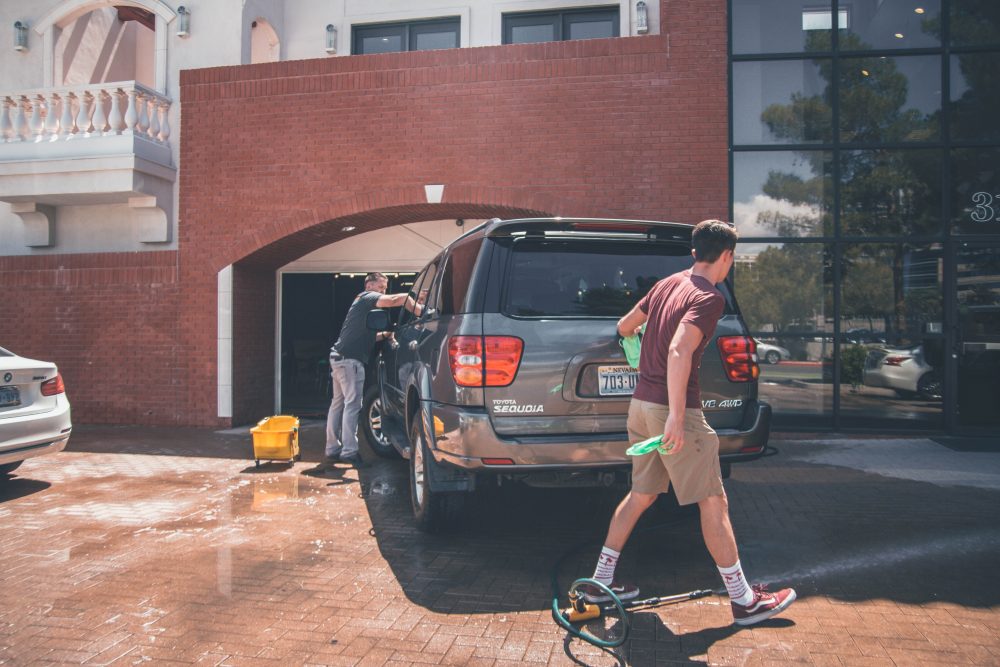
We’ve covered the important step of talking about money. Next, it’s time to apply what your child has learned. If he’s old enough to hold a broom or to straighten up his room, your child is old enough to get paid for chores.

It’s important that he knows the money isn’t just for spending. Saving is a difficult concept for young minds, at first, unless they have something for which they’re saving. For example, if your daughter sees a Belle doll in the toy aisle and begs for you to buy it, you have some choices. You can purchase the doll, you can discuss the cost and why it’s not in the budget, or you can write down the dollar amount on a paper, head home, and help her calculate how many chores it’d take to save for the doll.

To aid in that endeavor, here are some free tools you can use with your child.

Free Savings Chart for Kids – and Other Great Savings Tools

Printable Savings Chart for Kids – via CouponsAreGreat.net

Downloadable “Share, Save, Spend” Chart for Kids – via iMom.com

Printable Savings Thermometer Chart – via Frugal-Mama.com

52-Week Money Challenge for Kids

Printable Play Money for Kids

Final Thoughts

Combine a free savings chart for kids with some great conversations and hard work around the house.  You’ll be setting the stage for great financial decisions, which will hopefully follow your children into adulthood!

Got some tips for teaching children to save money? Share one below!

Read More

5 Chores That Teach Work Ethic Principles to Toddlers

How Much, If Any, Should You Pay Your Kids for Chores?

Teach Them Young: 3 Key Tips to Help Your Child Learn about Money

Editors note:  This article has been brought to you by Dollar Dig.  Dollar Dig helps you save money at over 4,000 stores.  Open a Dollar Dig account today to start saving!

Melissa Batai
Melissa Batai

Melissa is a writer and virtual assistant. She earned her Master’s from Southern Illinois University, and her Bachelor’s in English from the University of Michigan. When she’s not working, you can find her homeschooling her kids, reading a good book, or cooking. She resides in Arizona where she dislikes the summer heat but loves the natural beauty of the area.

Filed Under: Education, Family Time, Home and Living, Money and Finances, Parenting Tagged With: 52 week money challenge, how to teach children to save money, kids and money, savings chart for kids, teach your child to save

What Is the Greenlight Card for Kids?

November 5, 2020 | Leave a Comment

If you have kids that are in middle school and high school, you likely feel the need (as I do) to teach them financial common sense.  The hope is that eventually they will be able to move out on their own and be financially responsible.  However, this lesson isn’t quickly learned, and it requires a lot of parental oversight to do it right.  One tool that can help you is the Greenlight Card for kids.

Greenlight Debit Card for Kids

What Is the Greenlight Card for Kids?

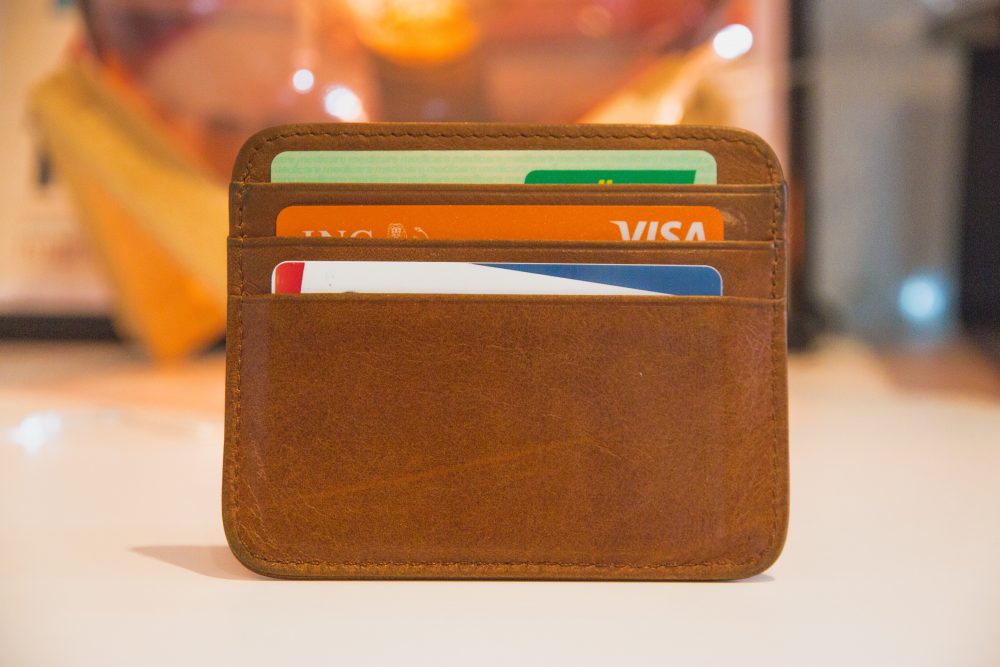
The Greenlight Card for kids is a debit card your children can use, but it comes with some amazing parental controls so you can help guide and influence your children in their money habits.

Please note that if your kids have smartphones, there is an app they can use which will show them their balance and chores and allow them to make requests.  However, the Greenlight Card for Kids can be used if kids don’t have smartphones, also.

Features of the Greenlight Card for Kids

This card makes allowances high tech.

Instantly Deposit Money

You can reward your children for chores well done by depositing money in their Greenlight Card.  Within the card app, children can set up different categories such as spend, save, and give.  They can also set up long-term goal categories such as saving for a car.

Parental Benefits

You can help your children manage their money with this helpful card.  You’ll be given real time spending alerts.

Teach your children about interest by giving them interest payments on their savings.  You decide how much you want to give them.

In addition, you can enable the feature that allows them to withdraw money from the ATM and set how much they’re allowed to withdraw.  Or, you can make withdrawing money off limits.

Features for Older Kids

Greenlight Debit Card for Kids
Photo by Stephen Phillips – Hostreviews.co.uk on Unsplash

If your teens have jobs, they can have their paycheck automatically deposited to the Greenlight Card for Kids.  The card can also be added to Apple Pay or Google Pay.

Safety Features

Each Greenlight Card is FDIC insured.  In addition, the card blocks your children from spending money for gambling or buying lottery tickets.  They also won’t be able to spend money at places like massage parlors and horse or dog races, and they cannot get cashback from a purchase.  You’ll get an alert if they try.

In addition, parents have the ability to turn the debit card on or off, should they need to.

How Much Does the Greenlight Card Cost?

The first month is free.  After that, you pay $4.99 for debit cards for up to five kids.  Should you need replacement cards, the first replacement cards are free.

Final Thoughts

The Greenlight Card for Kids offers a way to give your children financial independence while also providing parental oversight so you can help guide your children into financial growth.  This tool is an excellent way to exchange money between parents and kids while having features that let your children grow in responsibility as they grow up.

CIT Bank Money Market Account

Read More

Handling Allowance with My Daughter

Games That Teach Kids About Money

Teach Them Young: 3 Key Tips to Help Your Kids Learn about Money

Melissa Batai
Melissa Batai

Melissa is a writer and virtual assistant. She earned her Master’s from Southern Illinois University, and her Bachelor’s in English from the University of Michigan. When she’s not working, you can find her homeschooling her kids, reading a good book, or cooking. She resides in Arizona where she dislikes the summer heat but loves the natural beauty of the area.

Filed Under: Money and Finances, Parenting, Technology Tagged With: Allowance, debit card, money management, teaching children money management

5 Unique Ways to Celebrate the Holidays That Won’t Break the Bank

November 2, 2020 | Leave a Comment

The average person is expected to spend more than $1,000 on gifts, and that doesn’t include food, decorations, and other festivities.

If you’re worried about having enough money for a splendid holiday, then don’t worry. Not having a lot of money this holiday season doesn’t mean you can’t have fun.

Use these unique ways to celebrate the holidays and save money.

[Read more…]

Filed Under: KACURP, Money and Finances

Free Printable Kids Money for Download

October 29, 2020 | Leave a Comment

Getting ready to teach your children or students how to interact with money? That’s fantastic! Not only will this building block help them learn mathematics like counting by fives and tens, but it will also prepare them for the workplace. Let’s take a look at a variety of free printable kids money available on the Web and ways to teach kids about money.

play money for kids

Free Printable Kids Money for Download

Monopoly Money

One of the most recognizable currencies for children (or at least this 90s kid) is the brightly colored money from the Hasbro game, Monopoly. These bills differ from U.S. currency in appearance but offer your children a chance to practice their counting, sorting, and hand-eye coordination skills.

Download your free printable Monopoly money here.

U.S. Coins

Are your children ready to learn coin values? Making change? Let’s take a look at some printable coin sheets for you:

Customized printable sheets of play money – At StemSheets.com, you can customize the number and denomination of play coins you need on each sheet. For example, you can print off 20 coins of each value (up to a quarter) on a single piece of paper. That’s 80 coins – in color – on one sheet.

Printable coins and coloring pages – Head over to EnchantedLearning.com to view printable images of quarters, dimes, nickels, and pennies. Also, view a myriad of coloring pages for your child to enjoy as they educate her about U.S. coins.

Printable coin math worksheets – Ready to test your child’s knowledge of counting and making change? These free worksheets are great tools for just that.

Bonus Read: “6 Fun Money Games for Kids“

U.S. Dollars

Got a bank teller in the making? Help your children or students identify the correct face on each piece of currency and count them in quantities of fives, tens, twenties, or even hundreds with these options:

Fake Play Bills – Looking for fake $1, $5, $10, $20, $50, and $100 bills for your kids? Here is a complete list of free and printable play bills. These can engage your young child in a myriad of money lessons like counting, sorting, and even practicing good habits like using the envelope system.

Realistic Bills – Add a Face – A great way to quiz your child on whose face belongs to which bill is to show him this realistic play money with no face in the middle. After printing out these bills by denomination, he can color in his own face for some added fun. No worries. It’s only a federal crime to deface U.S. currency when it’s not play money. 😉

Games and Play to Teach Kids About Money

In the preschool years, kids are just beginning to learn that money has value and can be used to buy goods.  In early elementary, they learn to distinguish between the various bills and coins and their value.  You can help your child become money smart at an early age by playing money games with them.  Consider some of the following:

Buying Groceries

Print, cut, and laminate these terrific flash cards to quiz your child on prices at the grocery store. For example, she can use her fake money to pay for a $2 bag of popcorn or $1 bottle of water or do the math to pay for them both.

As your child gets older and masters this play game, you can take her with you to the grocery store.  Give her a certain amount of money and ask her to buy a few select things from your list.  This is a great time to teach her the difference between name brand and unbranded goods and the price difference between them.

Going to a Restaurant

Free Printable Kids Money
Photo by Annie Spratt on Unsplash

Take advantage of your child’s love of play to play a game of restaurant.  Present children with a menu using one of these realistic free menu downloads.  Then, let your child choose his food, pay for the meal, and leave a tip.  This is an excellent time to talk about budgeting and staying within a budget when dining out.  Don’t forget to let your child switch roles and practice being the waiter.

Using Printable Play Checks

Is your child old enough to write? Then he’s old enough to learn how to write a check. Paper checks may seem archaic in today’s digital world, but it’s still a foundational skill from which your child will build his financial knowledge upon.

For example, give him a set list of chores to complete, then pay with a check using these free printable checks. Teach him how to understand the information on the check, endorse it properly on the back, and cash it. This will help him understand the role banks and employers will play in his life later, even if his paychecks are directly deposited.

Practicing Estimation

Another fun activity is helping your children practice estimation.  Fill a glass jar with coins, and let your kids guess how much money is in there.  The person with the closest estimate wins a small prize.

Collecting Change

Another idea is to save all your coins in a jar as a family.  Decide together what you’ll use the money for.  Maybe you’ll use it for a fun day out or for a donation to a charity you all agree on.

Teaching about Interest

For older elementary kids, teach them how interest works.  They can deposit money with you for their savings, and every month you can give them interest, at a rate you’ve determined, on their savings.  Your kids will likely be excited by this “free” money they’ve earned and want to save even more.

Final Thoughts

We all want our kids to be savvy when it comes to saving and spending.  Those skills should start being developed early, when kids are three to ten, through printable money and games with the kids.  The earlier you can start them understanding the value of money, the longer you have to teach them how to use money responsibly.

Bonus Read: “How to Teach a Child to Count Money“

Got any favorite ways to teach kids about money? We’d love to hear about them in the comments below!

Read More

Parenting Win: Teaching Money Skills to Your Kids,

Games That Teach Kids About Money,

Free Apps that Help Kids Manage Their Pocket Money

Melissa Batai
Melissa Batai

Melissa is a writer and virtual assistant. She earned her Master’s from Southern Illinois University, and her Bachelor’s in English from the University of Michigan. When she’s not working, you can find her homeschooling her kids, reading a good book, or cooking. She resides in Arizona where she dislikes the summer heat but loves the natural beauty of the area.

Filed Under: Education, Family Time, Growing Up, Money and Finances, Stuff to Do Tagged With: free printable money for kids, Monopoly money, printable kids money, printable play money, teach kids to count

Dyper Review

October 8, 2020 | Leave a Comment

As a parent to a young child, nothing beats the convenience of disposable diapers.  Even if you feel inclined to use cloth diapers, which most parents don’t, you’re not always able to do so because many daycares only accept disposable diapers.  However, for eco conscious parents, disposable diapers may morally be tough to use.  After all, they take decades to decompose (some estimate as many as five hundred years!).  The decision to use disposable diapers is a bit easier if you consider an eco-friendly company like Dyper.

Dyper Review

Dyper Review

Dyper is an eco-friendly company that offers diapers and services unlike any other on the diaper market.

What Makes Dyper Different

There are many ways that Dyper is different from other diaper companies.

Eco-Friendly Diapers

Dyper’s diapers are made of bamboo.  Unlike other disposable diapers, Dyper’s contain no print or decoration; the diapers are solid white.  These diapers also are free of many chemicals found in other brands.  Specifically, they do NOT contain any of the following:

  • Chlorine,
  • Latex,
  • PVC,
  • TBT,
  • Antioxidants,
  • Perfumes,
  • Lotions, or
  • Phthalates

SOS Program

When you buy from Dyper, you sign up for a monthly delivery of diapers.  However, should you run short on diapers, Dyper has an SOS program.  This program, available a maximum of two times per year to active subscribers, will give you diapers within four hours (if you live in the 12 large cities currently offering this feature.)  Otherwise, diapers will be sent to you the next day.   Even better, they’ll be sent to whatever location you’re currently at, even if it’s at the beach while you’re vacationing.

Recycling Program

Dyper offers a ReDyper program (extra fee applies).  The company will send you eco-friendly bags, a shipping box, and prepaid label.  When you’re ready to empty your diaper pail, don’t put the contents in the garbage, which will go into the landfill.  Instead, put the diapers in the bag in the shipping box, seal and label and put it out by your front door.  Dyper will pick it up and recycle your diapers, keeping them out of the landfill.

This option is something that really sets Dyper apart from other diaper companies.

How Much Is Dyper’s Monthly Service?

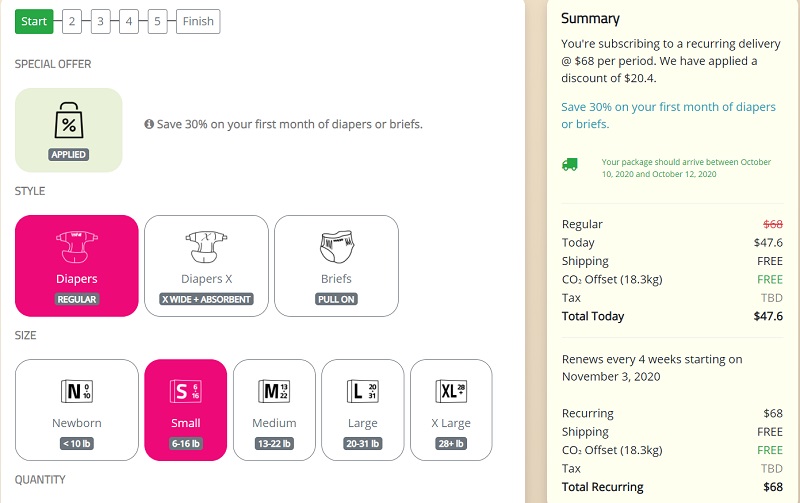
A monthly subscription to Dyper is $68 a month.  The first month, you get 30% off, making your total $47.60.

The number of diapers you get per month depends on the size diaper that your child is wearing:

  • Newborn – 264 diapers/delivery
  • Small – 224 diapers/delivery
  • Medium – 184 diapers/delivery
  • Large – 140 diapers/delivery
  • Extra Large – 120 diapers/delivery

Dyper Review

Other Products Dyper Offers

In addition to disposable diapers, Dyper also offers

  • Training pants,
  • Cloth diapers,
  • Baby wipes,
  • Alcohol wipes,
  • Diaper cream,
  • Diaper pail, and several other products

Basically, Dyper has your diapering needs covered.

Final Thoughts

Hopefully, this review has helped you to see that if you’re looking for an eco-friendly diaper company, look no further than Dyper.  Their convenient subscription service saves you the hassle of making trips to the store for diapers, and their recycling program keeps disposable diapers out of the landfill.

Read More

How to Save Hundreds on Diapers,

Free Diapers for Low Income Families,

Cloth Diapers Vs. Disposable Diapers

Melissa Batai
Melissa Batai

Melissa is a writer and virtual assistant. She earned her Master’s from Southern Illinois University, and her Bachelor’s in English from the University of Michigan. When she’s not working, you can find her homeschooling her kids, reading a good book, or cooking. She resides in Arizona where she dislikes the summer heat but loves the natural beauty of the area.

Filed Under: Money and Finances, Product Reviews for Parents Tagged With: disposable diapers, eco friendly kids

A Self-Care Guide for Parents of Drug Addicts

October 1, 2020 | Leave a Comment

Approximately 23 million Americans are living with at least one addiction, yet only half of them are receiving treatment.

For parents, one of the hardest things you’ll ever do is helping your child through an addiction. You need to be there for your child, but you also need to take care of yourself to stay sane.

Are you seeking help for parents of drug addicts? Keep reading below to learn about what you can do to navigate your child’s addiction and treatment.

[Read more…]

Filed Under: KACURP, Money and Finances, Parenting

A Parent’s Guide to Choosing Birthday Gifts for Toddlers

September 28, 2020 | Leave a Comment

It’s the special moments that make parenthood so worth it. Birthdays and Christmases are times that you get a chance to buy your child things that can put a smile on their face.

You haven’t been a toddler in forever, so you might be scratching your head when thinking about what to buy a child in this age group. We can help you out.

Keep reading to learn more about the best gifts for toddlers that you can purchase.

[Read more…]

Filed Under: KACURP, Money and Finances

« Previous Page
Next Page »
  • Facebook
  • Pinterest
  • RSS
  • Twitter
Best Parenting Blogs

Most Popular

Baby

10 Baby Names That Were Once Considered “Grandparent Names” but Feel Cool Again

Evan Morgan
Baby

9 Baby Names Inspired by Fall Without Naming Your Child Autumn

Evan Morgan
Baby

9 Baby Names That Sound Expensive Even Though Naming Your Baby Is Still Free

Evan Morgan
Baby names

Teachers Admit: These 6 Baby Names Create Instant Bias in the Classroom

Latrice Perez
6 Baby Names That Sound Cute Now but Cause Problems Later

6 Baby Names That Sound Cute Now but Cause Problems Later

Brandon Marcus

All content on Kids Ain’t Cheap is for entertainment purposes only. By reading this blog, you agree that Kids Ain’t Cheap is not responsible for any actions taken after reading this blog. For the full disclaimer, see our privacy policy.

Please note that Kids Ain’t Cheap has financial relationships with some of the merchants mentioned here. Kids Ain’t Cheap is funded by banner advertising, commission sales and search optimization consulting.

Copyright © 2006–2026 | District Media | All Rights Reserved | Privacy Policy

Copyright © 2026 Runway Pro Theme by Viva la Violette