• Home
  • About Us
  • Toolkit
  • Archives
  • Advertise
  • Privacy Policy

Kids Ain't Cheap

But They Sure Are Worth It

  • Parenting
    • Baby Stuff
    • Books and Reading
      • Aesops Fables
      • Comic Books
    • Education
    • Family Time
    • Green Living
    • Growing Up
    • Healthy Living & Eating
    • Holidays
    • Parenting
    • Random Musings
    • Shopping
    • Stuff to Do
  • Money
  • Product Reviews
    • Books and Magazines
    • Discount Sites
    • Furniture
    • House Keeping
    • Reviews News
    • Toys and Games
  • Contact Us
  • Our Editorial Commitment
  • Search

7 Exciting Things to See in Italy During Your Europe Trip

March 29, 2019 | Leave a Comment

A trip to Italy certainly isn’t a “budget” vacation for most families. But, whether you’re visiting Italy with or without kids, it’s an adventure.

Tourists are descending on Italy in masses. In 2017, 420 million people visited the country.

It’s critical to plan your trip to manage the crowds for the perfect vacation. But how can you know what sites to prioritize?


[Read more…]

Filed Under: KACURP, Money and Finances

Adoption Talk: 8 Do’s and Don’ts of Talking About Your Child’s Birth Parents

March 25, 2019 | Leave a Comment

Being an adoptive parent presents you with a very unique set of challenges. Not only do you need to be familiar with the standard parenting techniques, but you also need to be able to handle some other issues.

There will be inevitable questions from your child about who their birth parents are. You need to be sure you’re ready to tackle any difficult questions as and when they present themselves. This article lists 8 tips on how to talk with your child about this subject.

1. Plan in Advance

If you have an adopted child, you know they’re eventually going to have questions about their own background. Since certain questions are inevitable, you should make sure you have a direct plan of action for when they’re asked.

Make sure to discuss this extensively with your partner so you’re both on the same page. You might not want to reveal all the details about your child’s past; the two of you might decide some things are better left until your child is older.

2. Stay Positive

When you tell your adopted child about their past, the overall message should always be a positive one. Make sure you convey that your child is loved and that they’re a welcome part of your family.

In a lot of cases, you might also want to reiterate their birth parents love them as well. You might be able to explain in a positive way why they had to give your child up for adoption.

3. Be Honest But Age-Appropriate

You should always be honest with your child about their history, but you shouldn’t necessarily tell them everything straight away. Some information may be better handled when they’re more mature.

You should never make up stories about your child’s birth parents. It might work well in the short-term to simply tell your child what you think they want to hear, but in the long-run, it’s always going to backfire.

Don’t feel like you need to be able to answer every question. It’s better to say you don’t know the answers rather than make something up.

4. Keep in Touch with the Birth Parents

In most cases, the birth parents of your child will have requested a semi-open adoption. If this applies to you and your child, it’s essential that you keep to these agreements.

For the most part, keeping up a relationship with your child’s birth parents ends up being a positive experience. Visit this website to learn about DNA testing, which can help with finding birth parents.

In the event that such a reunion isn’t possible, you should try and be honest about it as soon as your child has the necessary emotional maturity. Never let your child think they’ll meet their birth parents one day if you know it will be impossible.

5. Celebrate the Adoption

The adoption of your child should be seen as a milestone to be cherished. Make sure you remember the date you adopted your child and consider celebrating it on an annual basis.

When you treat the anniversary of their adoption as a day to be remembered, they’re less likely to see their adoption as something to be ashamed of. If possible, you should consider getting the birth parents involved in the festivities.

You should also be aware of certain other annual events. For example, there is National Adoption Month and Birth Mother Day.

6. Learn About Your Child’s Background

Sometimes, when you adopt a child, they might be a different race to you and your partner. In this situation, you’ll find the questions start coming a lot sooner than they would if you were the same race.

Your child will probably have a lot of questions about the differences between their parents and them. When that time comes, you’ll need to have some good answers prepared.

Take the time to learn about your child’s ethnic and cultural background. When your adopted child is a different race, it can present you with a lot of problems you might not expect. For example, you might find it hard to style your daughter’s hair, since the techniques you need to use will differ from what you’re used to.

Taking the time to learn more about your child’s background can be very helpful in dealing with these sorts of issues.

7. Accept That Issues Are Inevitable

When you’re raising a child, there are always going to be issues. The majority of children experience some degree of emotional instability at one time or another.

There’s a good chance your adopted child will have some problems with their identity. This is normal for any child, but it can be especially difficult if your child was adopted.

Recognize that these kinds of issues are unavoidable. Just because your child struggles with their identity doesn’t mean you’ve failed as a parent. This is a natural part of raising a child, biological or adopted, so you shouldn’t let it demoralize you.

8. Don’t Avoid Talking

You or your partner should never avoid talking about your child’s birth parents because it makes you uncomfortable. While it’s certainly appropriate to wait until your child is older to divulge certain aspects of their story, you shouldn’t try to get out of a difficult conversation by changing the subject.

Avoid uncomfortable feelings when talking about your child’s birth parents by making sure you’re well-prepared for any questions your child might ask.

Be Prepared to Talk About Birth Parents

As an adoptive parent, preparation is your greatest asset. Make sure you and your partner develop a plan of action as to how you’ll approach difficult subjects, such as who the birth parents are. This will ensure that you’re well-equipped to handle any difficult questions whenever they come up.

Recognize that being an adoptive parent is not an easy path. But you should also appreciate that being an adoptive parent is an incredibly rewarding experience. However you look at it, you’re adding to and enriching your family.

Planning on having a biological child soon? Here’s what you need to know about maternity leave.

Filed Under: KACURP, Money and Finances

You Miracle Maker! 10 Miraculous Things That Happen with a Post Pregnancy Body

March 22, 2019 | Leave a Comment

It’s not a secret that your body changes during pregnancy; it needs to accommodate a growing human being inside of you.

Which is why your stomach muscles stretch, your body creates a placenta for your baby, and your hips widen in preparation for the birth.

But something that a lot of women overlook, or forget, is that your post pregnancy body also continues to change.

Keep on reading to find out how your body will continue to physically change after giving birth, to meet the new demands of looking after your new-born baby.

10 Miraculous Things That Happen with a Post Pregnancy Body

Your body experiences a lot of hormones during pregnancy and even after you give birth. These hormones can change your body both physically and mentally, so it is important that you prepare yourself for these miraculous changes.

1. Larger Breasts

Your breasts will grow during pregnancy, but after giving birth, your breasts will be larger than they were before. This is perfectly natural.

After birth, your breasts get larger because your estrogen and progesterone hormone levels decrease, which allows prolactin (the hormone that allows you to start producing breastmilk) to take control.

Your body after birth will initially produce colostrum, a substance that is thicker than milk and high in nutrients and antibodies. Colostrum helps to protect your baby from bacteria and viruses and also helps your baby pass his/her first stool.

The increased blood flow and milk in your breasts will make them bigger and feel sorer for the first few days after birth.

The pain and discomfort you feel during breastfeeding can be relieved by frequently nursing your baby. You can also relieve pain by applying warm packs before breastfeeding and cold packs after feeding your baby.

2. Baggy Stomach

For two weeks or so, your post pregnancy body will have baggier skin, especially around your stomach area.

Why will you have a baggy stomach? Your stomach expands to accommodate for your baby during pregnancy.

Your stomach should return back to its old self after a few weeks. Breastfeeding helps to tighten your loose skin, as does a healthy diet.

Once your physician says it is okay for your body to do some exercise, you can try some gentle exercises to help tighten your muscles. Try going for a walk every day with your baby and be sure to visit here for more tips on how to lose your baby weight.

3. Hair Thinning

During pregnancy, your hair might have been thicker and fuller – due to the hormones in your body. However, after giving birth your hair will start thinning and falling out due to the new hormones in your body after birth.

Don’t worry your hair will return back to normal after a few weeks or months. To help repair your hair you can try and use organic shampoos and conditioners.

4. Weight Loss

A few weeks after you’ve given birth, your body will lose anywhere between four and six pounds of water weight. Well, there has to be something good that comes from needing to wee all the time right?

Women who are breastfeeding can also expect to lose more weight because nursing your baby can burn up to 500 calories.

If you practice a healthy diet and participate in the right amount of exercise (ask your doctor for more details about what is right for you) then you could be back to your old body sooner than you thought.

5. Loss of Control in the Pelvic Floor Area

Many women experience accidentally leaking urine after giving birth. This is completely natural.

Your pelvic floor just experienced a lot of pressure during labor and sometimes the signals that are normally sent from the bladder can be disrupted.

Doing pelvic floor exercises can help prevent bladder incontinence. Spending less time standing and more time sitting can also help to repair your pelvic floor.

If you are particularly concerned, you can discuss your bladder movements at your pelvic floor assessment. Which is usually 6 weeks after giving birth.

6. Bleeding

Your body will shed the uterus and any extra blood, so you can expect fairly heavy bleeding for about a week after you give birth.

The bleeding will be heavy for a week, with bright red blood, but after a week it should start to lighten. This will happen whether you have a vaginal delivery or a C-Section.

7. Periods

Speaking of bleeding, when can you expect to have your next period? This depends on whether you are breastfeeding or not.

Women who aren’t breastfeeding can expect their periods to return with 6 to 8 weeks.

Women who are breastfeeding can enjoy being period-free for longer. Your periods will start again depending on when you breastfeed less, which for many women is around 6 months after giving birth. Yay!

8. Being Very Emotional

Just because you might not have your period for a while, it doesn’t mean that you can’t expect a whole range of emotions.

This is very normal and is due to all the hormones that are in your body. You may cry more and feel more irritable. Your hormones will start to calm down after 10 days, so just breathe, you’re doing great mum!

9. Blurry Vision

If you notice you have drier eyes or blurrier vision than usual, this might be down to your pregnancy hormones. Once your hormone levels start to balance out again, your blurry vision or dry eyes should clear up.

If you are concerned about your vision or eyes, make sure you make an appointment with your optometrist.

10. Vaginal Dryness

Due to lower levels of estrogen in your body, you may encounter vagina dryness. Your body’s estrogen levels will eventually return to normal.

If you are ready for sex again and encounter vaginal dryness, be sure to use water-based lubricants and go slow and steady. You may encounter some pain or discomfort when you first have sex again after giving birth.

Every Body is Different

No one body is the same, so remember that you might encounter a range of different symptoms with your body after your baby. But it is all part of a natural journey.

Not sure if something is normal? There’s a lot of post pregnancy body information that is readily available for you, such as on websites, or in books and magazines.

Do not hesitate in contacting your doctor if you think something is wrong with your body.

And remember not to be embarrassed by any symptoms you encounter during or after giving birth – it is all natural.

Check out more parenting blogs for excellent tips and insightful advice from experts and other parents who have been there before.

Filed Under: KACURP, Money and Finances

Move In the Right Direction: The Best Types of Exercise for Kids

March 22, 2019 | Leave a Comment

What do you wish for your children as they grow older?

Kindness? Intelligence? Success? Good health?

We put everything we have into raising our kids to give them the best chance of having a good life.

But screen time is getting in the way of those efforts.

The amount of time children spend in front of screens has a direct effect on cognitive function.  And it isn’t a good effect.

It’s impossible to completely break away from screens in the digital age we’re living in. Rather, we have to balance the negative effects by introducing more movement.

Exercise for kids promotes better mood, energy, sleep, and countless other physical benefits.

The common suggestion is at least one hour of activity every day. It depends on the intensity and what activity we’re talking about, but that’s a guideline.

So how do you get your kid moving in the right direction? Here are physical activities your kids will love, and their bodies will love too.

Martial Arts

Most martial arts originated out of Asia and include five categories styles: striking (or stand-up), grappling (or ground fighting), throwing (or takedown), weapons-based, and low impact (or meditative).

Common martial arts practices in the United States are karate (striking), Brazilian Jiu Jitsu (grappling), and judo (throwing).

Overall, martial arts teaches self-defense, confidence, and discipline in a controlled environment.

We hope our children will never face dangerous situations and use self-defense. The reality is that anything could happen at any moment that threatens their safety.

Whether it’s a bully at school or someone on the street, martial arts give our kids with an ability to defend themselves.

Plus, it provides a competitive outlet to try their best at something.

Combine physical activity with internal growth and life skills. It will impact your children’s lives for years to come and keep them active and healthy.

If martial arts isn’t their thing, there’s always team sports.

Team Sports

Team sports such as soccer, basketball, and baseball are enjoyable aerobic exercises.

Aerobic exercise for kids gets them breathing faster, increasing their heart rate. This improves cardiovascular and immune function.

Not only that, team sports build character and instill values in children.

Working together with their peers requires learning teamwork, leadership, and communication skills. Being a part of a team involves time management and responsibility.

There are thousands of team sports that exist in the world. Find what peaks your child’s interests and go from there.  Who knows, they could continue to play in recreational leagues for the rest of their lives.

If none of them do the trick, there’s always individual exercise.

Outdoor Recreation

Combine independence with vitamin D and you get outdoor activities.

Surfing, snowboarding, and skateboarding are both individual and group activities. This means there’s some freedom with time spent doing it.

After learning through either trial and error or lessons, they can exercise without having to follow a set schedule.

You can combine outdoor recreation with aerobic exercise or strength training. This could manifest in activities like running or rock climbing.

An added bonus of this type of physical activity is that it provides kids a lifelong interest to go to, even after they’re past the age of team sports.

Yoga

Let’s face it — overstimulation is a result of the times we’re living in. There’s information coming at us from every direction at every moment because of technology.

We all experience this, of course, but our kids are growing up in it. What they experience at this age will affect them the rest of their lives.

Teaching our children yoga from a young age can combat this. It’s an introspective practice that teaches how to deal with mental and physical stress.

Studies are finding that yoga may alleviate symptoms of anxiety and depression. This may be due to the pranayama (breath work) involved.

Breathing techniques affect our heart rate and calming us down immediately.

The practice of yoga improves concentration and attention span as well.

As far as the exercise aspect goes, asanas (postures) improve strength, balance, and flexibility.

Find a studio near you that offers kids classes. If there aren’t any available, there are free classes online (this one is a Spiderman edition!)

Whether your kids become full-blown yogis or use yoga to supplement other physical activity, it’s a great practice to introduce them to.

Essential Part of Exercise for Kids: Safety

Speaking of introductions, make safety a baseline concern by introducing it to children at the beginning of any activity.

Remind them that they only have one brain and one body — you have to take care of it.  That way, they’ll protect themselves even when you’re not around.

There are obvious safety concerns — such as wearing a helmet and protective gear — but others are more subtle.

Some sports (like skiing) need lessons rather than simply diving into it to ensure safety. Other sports are inherently dangerous because of high impact and speed.

Don’t let fear keep you from allowing your kids to try new things. Take into account the dangers of different activities and stay informed on relevant research.

Lead By Example

Exercise for kids is important but it’s just as important for you to stay moving.  The health benefits are not limited to kids.

If you’re interested in similar physical activities, do them together. This also provides an opportunity to bond over mutual interest.

No matter what they choose to do, remember that they will follow your example. If you exercise and eat well, so will they.

Here are more ideas on how to live a healthy lifestyle as a family so that screen time doesn’t have long-lasting negative effects.

Filed Under: KACURP, Money and Finances

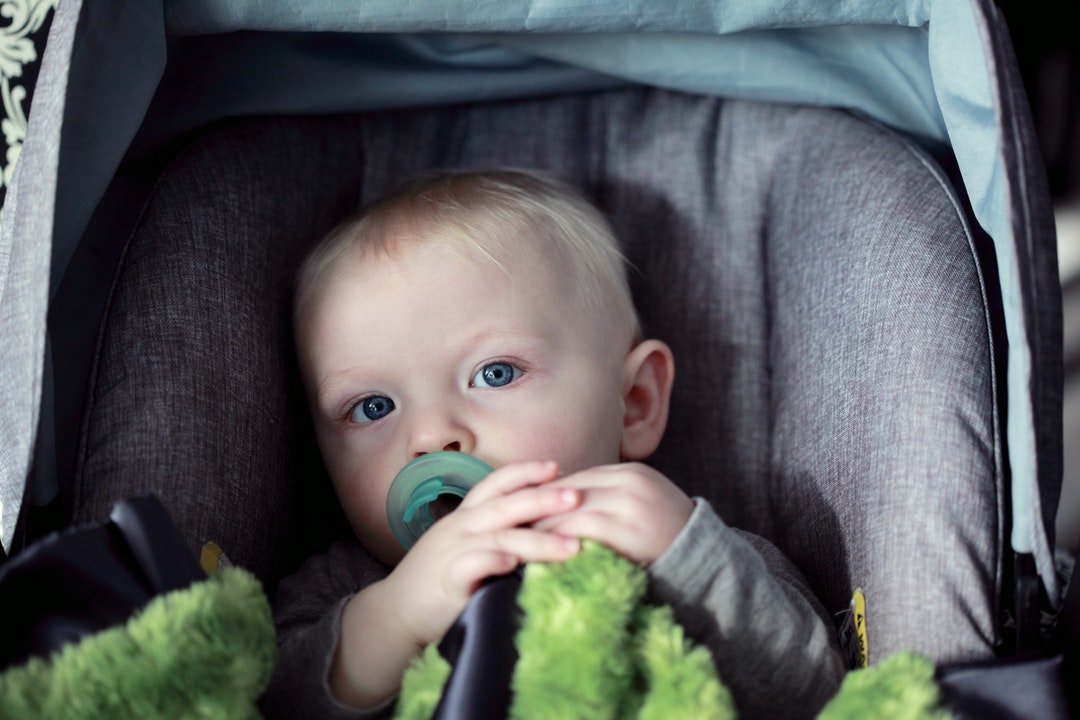
Mommy to be: 7 Tips for Buying Car Seat

March 18, 2019 | Leave a Comment

If you’re a mom-to-be, one of the most important baby purchases you can make is a car seat. Car seats have been shown to reduce the risk of death by over 70% when children age one and younger are involved in a car accident.

However, finding the right car seat isn’t so easy. There are so many models to choose from that it can be overwhelming, especially for first-time parents.

But we have a few tips to help make car seat shopping a little less stressful. Here are seven things to keep in mind for buying car seats that can help you narrow down your choices.

1. Match the Seat to Your Vehicle

That’s right; before you actually match the car seat to your child, you’ll want to make sure it will fit your vehicle. Just as it’s important to choose the right car for your family, you need to choose the right car seat for your vehicle.

Consult with your owner’s manual to learn how the car seat is tethered (either the LATCH system or a seat belt) and how much back seat space you have to work with.

Measure the base of the back seat and the distance to the back of the front seat to make sure the car seat you have in mind will fit.

The back seat is the safest place for your child in a collision and the location also keeps them protected from airbag injuries. You’ll want to make sure the car seat you want will fit there and that your vehicle enables LATCH (Lower Anchors and Tethers for Children) in the back.

Also, if you regularly transport other children you’ll need to consider if they have enough room back there riding with a car seat.

2. Buy a New Seat

It’s tempting to want to buy a used car seat or one that was never used and a few years old. But manufacturers are improving car seats constantly, so to ensure you have the most up-to-date safety features, go for a brand new seat.

You also don’t always know the history of a used car seat. It may have been involved in a crash, which means parts are missing or the overall safety may be compromised.

A car seat is a baby accessory that is worth spending the extra money on. Your seat should display the JPMA (Juvenile Products Manufacturers Association) stamp on the box. This confirms that the seat meets the latest safety standards.

3. Check For Ease of Use

Nothing is more frustrating than buying a new car seat and finding out it’s complicated to install.

Choose a car seat that’s been rated by the NHTSA (National Highway Traffic Safety Administration) for ease of use. Car seats with four or five stars have the clearest instructions on how to install it in your vehicle.

4. Consider a Convertible or All-In-One Car Seat

Technically there are four types of car seats depending upon the age and weight of your child. They are infant car seats, convertible car seats, 3-in-1 car seats, and booster seats.

Typically, most parents buy a rear-facing infant car seat and use it until their child turns two. Then they switch to a seat made for toddlers that faces front. Children later progress to an all-in-one car seat and eventually a booster seat until they’re old enough to wear a seat belt.

A convertible car seat offers the best of both worlds as your child grows. Once your child becomes a toddler, a convertible car seat can be turned around so it faces forward. This can save you time and money later on instead of having to buy a second car seat made for toddlers.

An all-in-one seat will extend the need for a car seat until your child no longer requires a booster seat. However, these seats can be cumbersome and don’t replace the convenience that lightweight infant car seats offer.

Infant car seats are smaller and easier to install and remove from your vehicle.

5. Choose a Seat With the Right Features

A top-of-the-line car seat isn’t worth all that much if it won’t protect your child in an accident.

At a minimum, your car seat’s should come equipped with a five-point harness and padding to help insulate your child’s head and neck in a collision. It should also be compatible with your vehicle’s LATCH system is that is how you prefer to secure it in your car.

An anti-rebound bar is another common feature being added to the latest car seats to help minimize movement during an accident. Look for these basic safety features when choosing the right car seat.

Convenience is also an important factor. Many manufacturers are offering car seats that rotate and swivel to make it easier to place your child in your vehicle and get them out.

Check out this guide for more information on 360 rotating and swivel car seats.

6. Consider Easy Care Fabric

Another car seat feature to consider is easy care fabric. Babies, toddlers, and kids can be messy, and certain materials clean up quicker than others.

If the ability to clean the seat is important, look for seats made of smooth fabric like nylon versus textured ones like corduroy which can trap food and beverages.

7. Consider Portability

Some parents are OK with leaving a car seat permanently installed in their vehicle until their child outgrows it. But sometimes it’s nice to have a car seat that can be easily removed and placed in another vehicle.

There are also car seats designed to be placed in strollers.

If this quality is important to you, you’ll want to look for a seat that is on the lighter and smaller side and built for versatility. Some car seats can weigh up to 20 or 30 pounds by themselves which certainly doesn’t make them convenient for toting around.

Buying Car Seats Doesn’t Have to be Confusing

Buying car seats doesn’t have to be confusing and stressful for parents.

By focusing on what’s most important to you, you can weed out the models that don’t fit your criteria and find the right car seat. Above all, the one you choose should be designed to protect your child in case of an accident.

Here at Kids Ain’t Cheap we love helping parents make the best purchasing decisions for them and their kids.

For more posts on choosing baby products, check out our baby stuff section.

Filed Under: KACURP, Money and Finances

Should You Fund Your Child’s Education Before Your Retirement?

March 15, 2019 | Leave a Comment


We all know that the earlier we plan for retirement, the better off we will be when we get there. If you are a parent, you also know how difficult it can be when we consistently put our children first. Which is more important, the college fund or the retirement fund?

[Read more…]

Filed Under: Money and Finances

Should You Give Your Teen a Debit Card?

March 13, 2019 | Leave a Comment

teen debit card

The teen years are no doubt difficult for many parents as your child starts to crave independence. I believe the teen years are when it’s time to really build on what you’ve taught your children about earning money, the value of money, and the importance of good financial habits. Accounts are available for children as soon as they turn 13; I decided to give my teen a debit card over a year ago.

[Read more…]

Filed Under: Money and Finances Tagged With: money management, teach your kids about money

7 Common Types of Behavioral Disorders in Children Every Parent Should Know

March 11, 2019 | Leave a Comment

Mental Health Disorders Depression Bipolar Newspaper Headlines 3d Illustration

Do you suspect that your child has a behavior disorder? If they are acting out more than usual or if their grades at school are suffering, there might be an underlying problem.

While this information is not a substitute for a medical diagnosis, it might help you determine if you need to take the next step. There are treatments for childhood disorders and early intervention often leads to more positive outcomes.

There are many types of behavioral disorders in children. We outline the most common below, along with common symptoms and treatments for each.

1. Attention Deficit Hyperactivity Disorder (ADHD)

ADHD is a neurobehavioral disorder that results in high levels of impulsive behaviors. Common traits of ADHD include inattention and hyperactivity. The symptoms of ADHD appear between the ages of 3-6 years old.

Symptoms include an inability to sit in place, difficulty concentrating or focusing, and interrupting others.

ADHD is one of the most common childhood disorders. Like most behavior disorders in children, it can be treated. According to Healthline, over 6 percent of children in the United States are being treated for ADHD with medication.

Besides medication, psychotherapy, behavioral therapy, or talk therapy are effective treatments for ADHD.

2. Autism Spectrum Disorder (ASD)

According to the CDC, autism affects roughly 1 in 59 children. Autism is a spectrum disorder, meaning each child diagnosed faces different challenges. There are also many subtypes of autism.

The rate of learning varies from child to child. The way one child with autism learns and solves problems may be different than another.

Symptoms of autism appear around the age of two or three.

Some children without autism may share some symptoms. That’s why it’s important to rely on a medical professional to make a diagnosis. BlueSprig Autism is dedicated to helping children with autism and specializes in ABA therapy.

3. Depression

Major depression may impact your child’s mood, behavior, sleep patterns, and focus. Depression affects children as well as adults. However, symptoms may be different in children.

Children with major depression may have mood swings and cry more often. They might get into trouble at school or lose touch with their friends and playmates. A decline in cognitive function may also result in poor grades.

Childhood depression is different from feeling blue. Depression is persistent and may be recurring. A doctor will be able to diagnose your child if they have symptoms of depression.

4. Anxiety Disorder

Like depression, children may also have an anxiety disorder. While anxiety is a natural response to stress, high levels of anxiety that interfere with daily life may indicate a bigger problem.

Both adults and kids feel anxious. Children may get nervous before a test, or on the first day of school, for example. But if their feelings of stress are impacting life at school and home they may have an anxiety disorder.

Anxiety is so common that it affects one in eight children. Your son or daughter may experience nervousness in class or be unusually shy around other children.

Also like depression, a doctor will diagnose anxiety and recommend treatment. Methods for treatment may vary. It depends on the type of anxiety your child has but often include therapy and medication.

If your child has anxiety, it’s important to support them and learn more about the disorder.

5. Bipolar Disorder

A symptom of bipolar disorder is extreme mood swings. Someone with bipolar disorder shifts from an extreme high (mania) to a severe low (depression). This diagnosis is more common in adults, but children may have bipolar disorder as well.

Children may show different depressive symptoms, such as irritability instead of outright depression. It may be difficult for them to put on weight. They also might display periods of extreme silliness even when it is not appropriate.

Again, only a doctor can diagnose bipolar disorder. Medication and therapy are common treatments for this disorder.

6. Expressive Language Disorders

Young children may have an Expressive Language Disorder or a communication disorder. A language disorder affects roughly 10-15 percent of children under three years old.

Children experiencing a language disorder may have difficulties talking or understanding others. Errors in tense and comprehension are common symptoms.

Your child may say words in the wrong order, struggle to think of the right word or mix up past tense and present tense.

Some of these issues are a normal part of language development and your child may not have a disorder at all. Other causes of language learning issues may relate to hearing problems or autism. That’s why it’s important to seek a medical opinion.

Your child’s doctor may recommend seeing a speech-language therapist. Speech therapy may be one-on-one or performed in a group.

7. Conduct Disorder or Oppositional Defiant Disorder

A child with ODD may have difficulty listening to authority such as a parent or a teacher.

Other signs include an inability to follow rules or behave in public. Behaviors may include loud or destructive behavior. All children have tantrums, but a child with ODD may be defiant, resistant, and angry.

Children with this disorder might be argumentative for no reason and lash out. A child with ODD might have trouble making or keeping friends and struggle in school.

ODD may turn into a conduct disorder if left untreated. If diagnosed, behavioral therapy helps young children learn to control their emotions. ODD requires long-term therapy to be the most successful.

Parents of ODD children may feel exhausted and frustrated at times. If you are a parent of a child with ODD, you might want to seek advice from a therapist. A therapist can help you learn to deal with your feelings and help support your child.

Diagnosing the Different Types of Behavioral Disorders

If you suspect one of these common child disorders, seek professional medical advice. Only a medical professional can diagnose your child with any of these types of behavioral disorders.

If diagnosed, there are many treatment options available to you and your child. Behavioral therapy is an effective treatment. Doctors may also prescribe medication depending on the situation.

Therapy can be expensive, but there are financial options out there. Check out our toolkit section for helpful resources and links.

Filed Under: KACURP, Money and Finances

Is a Youtube Channel for Your Kids a Good Idea?

February 12, 2019 | Leave a Comment

Almost all of Gen Z (that’s people born between the mid-1990s and mid-2000s) use YouTube.

In fact, more than half of kids say they “can’t live without it”.

Many parents are concerned about the harmful effects of screen time and the dangers to the welfare and privacy of our kids on social media.

[Read more…]

Filed Under: KACURP, Money and Finances

How to Raise a Family and Avoid Falling Prey to Excessive Debt

January 28, 2019 | 1 Comment

Raising a family is expensive. There are so many things that children need and they grow fast, which can put a dent in anyone’s wallet. However, if you establish a budget and are willing to shop around and become resourceful, you can keep the focus on the enjoyment of having a family and avoid the money pitfalls that can follow.

Borrowing Money

When first starting out with young children, many people initially have a tight budget, wherein if anything out of the ordinary comes along like a hospital bill or a car repair; it can upset its delicate balance. Luckily, you can contact your local bank and apply for a personal loan to help you climb over the hurdle. Unfortunately, if you’ve made even a couple of your monthly payments late, a traditional bank may not be a viable option. The good news is that there are many other places you can go with less stringent guidelines for borrowing money such as online personal installment loans, Or better yet, try borrowing money for the short term from a family member and avoid the interest entirely.

Saving Money on Children’s Essentials

Children grow at a very fast rate during the first few years and because of this they go through a lot of clothing, outerwear and shoes. Finding the best deals on children’s clothing and finding high-quality items is important. Lucky for you, the internet provides you with an easy way to shop around for new and gently used items at the best prices. Take the same approach with their furniture. If you have a tight budget, check out a consignment shop or go online to sites like Craigslist where often people just want to unload things they no longer need and are willing to sell them very cheap.

Ways to Save on Your Monthly Bills

With the deregulation of utilities, you now have the option of shopping around for your gas and electric suppliers. Take your bills out and review each one. Then, look up other companies in the area and check their rates.

Cable and cell phone service are two of the most expensive supplements to a household budget. A cable bill on its own can run over a few hundred a month. If you need to trim your bottom line, this is a great place to start. Thankfully, there are other ways to enjoy many programs using other services like Netflix, Hulu and Amazon, for a fraction of the cost of cable. Your cell phone is important and necessary especially in the event of an emergency away from home. The good news is that many companies are now vying for your business, and this is a good thing for you.

Saving for Big Ticket Items

There’s nothing wrong with wanting nice things. However, taking on additional debt to buy them is not something that’s in your best interest. If you want a new television or a new bed, save up for them the old-fashioned way and pay cash. This way you won’t have another obligation each month and you won’t pay any more than the actual cost of the item. It’s a win across the board.

Paying Down Debt

It’s easy to rack up debt when you raise a family. So, it’s also important to keep your debt in check. Avoid putting anything on a credit card or taking out an unnecessary loan for things you don’t need. For example, if you have accumulated debt on credit cards focus on paying off the one with the highest interest rate first. If you have a car loan, consider refinancing to reduce your monthly payment.

Raising a family is a wonderful time for parents with many joyful moments. By living within your means and shopping around for the best deals, you can keep the focus on enjoying the time with your family and not stressing about your finances.

James Hendrickson

James Hendrickson is an internet entrepreneur, blogging junky, hunter and personal finance geek.  When he’s not lurking in coffee shops in Portland, Oregon, you’ll find him in the Pacific Northwest’s great outdoors.   James has a masters degree in Sociology from the University of Maryland at College Park and a Bachelors degree on Sociology from Earlham College.  He loves individual stocks, bonds and precious metals.

Filed Under: Money and Finances

Dogs and Children: 6 Tips for Teaching Them to Be Gentle With Each Other

January 22, 2019 | Leave a Comment

Are you and your family thinking about welcoming a new pet into your home?

Studies have shown that more than 60 percent of U.S. households have dogs. This makes dogs the most popular pet in the country.

There are many benefits that come along with adding a dog to your home, especially if you have kids. A dog can teach your kids how to be more responsible. A dog can also encourage kids to get outside and play more.

But before families decide to mix dogs and children, they should always take the proper precautions to teach them both how to be gentle with one another. This will help families avoid traumatizing dogs and children and prevent accidents from occurring.

Here are six tips that will help you introduce a dog into your home without encountering any major issues.

1. Talk to Kids About How to Interact With a Dog

Prior to bringing a dog into your home for the first time, sit down with your kids and talk to them about the do’s and don’ts of interacting with a dog. Create a list of safety rules for dogs and children.

The list should include rules like:

  • Do: Allow a dog to look at your hand and sniff it before you start petting it
  • Don’t: Pull on a dog’s ears, paws, legs, tail, or other body parts
  • Do: Respect a dog’s toys and leave them alone
  • Don’t: Get near a dog when it’s sleeping or eating

You don’t necessarily want to scare your kids before they even get a chance to meet your new dog. But you do want to make sure they understand that they need to be careful when interacting with a dog, especially a dog that hasn’t warmed up to them just yet.

2. Make Sure a Dog Learns (and Listens to!) Basic Commands

In addition to talking to your kids about how they’re going to interact with your new dog, you should take the time to work with the dog and teach it some basic commands. You can do this yourself when you first get it or hire an obedience teacher to help.

“Sit” and “stay” are two of the simplest commands to teach a dog. But you should also strive to teach it commands like “down,” “off,” and even “don’t touch that.”

In the event that a dog gets to be too rough with kids, you’ll be able to use these commands to let the dog know it needs to stop.

3. Allow Kids to Give Treats to a Dog For Being Obedient

As your dog inches closer to the end of its obedience training, it’s not a bad idea to introduce your kids into the equation. You can have your kids use some of the commands that you’ve taught your dog to show your dog that they need to listen to your kids, too.

You can also attempt to get your dog to warm up to your kids by allowing the kids to give the dog treats when they listen. This will serve as a great introduction for dogs and children and show dogs that kids mean no harm.

For best results, consider using CBD treats during this part of the process. CBD for pets has been shown to reduce the anxiety that dogs feel while making them more calm and relaxed. It’ll create a better environment for your dog and your kids.

4. Prepare a Dog For What Might Be to Come With Kids

No matter how many times you tell kids not to do it, there will still be times when they try to pull on a dog’s tail or play with its ears. It’s almost unavoidable, especially if you have kids that are on the younger side.

Try to prepare your dog for this by playing with its ears and tail yourself, and watch how it reacts to you doing it. If it doesn’t seem to take issue with you, it shouldn’t be too much of a cause for concern. But if your dog becomes aggressive in these moments, you’re going to have to be vigilant about watching how your kids treat your dog.

5. Tell Kids to Keep Their Toys Away From a Dog

Dogs have a tough time differentiating between their toys and toys belonging to kids. Many times, these two types of toys look similar to dogs, which can cause them to go after kids’ toys.

Tell your kids about this and stress the importance of keeping their toys out of the reach of your dog. You should also talk to them about how they shouldn’t ever try to take one of their toys out of the dog’s mouth if it happens to get to it.

6. Praise a Dog When It Plays Nicely With Kids

When you first welcome a dog into your home, you’re going to find yourself directing the word “don’t” at the dog a lot.

As in:

  • “Don’t go to the bathroom in the house!”
  • “Don’t chew on that piece of furniture!”
  • “Don’t tear up that sock!”

This comes with the territory. But you should also get into the habit of praising your dog early and often.

When your dog goes outside to use the bathroom, tell it how good it is. When your dog chews on a bone instead of a shoe, let it know how proud you are of it. And when it plays nicely with your kids, pet it, give it treats, and shower it with praise.

Your dog will slowly but surely come around to your kids when you take this approach. And your kids will see how being nice to the dog pays off.

Make Sure to Supervise Dogs and Children at All Times

Once you’ve spent time introducing dogs and children, you might be tempted to leave them alone to play. Don’t do this!

While most dogs will be just fine playing with kids on their own, there’s always a chance something could go wrong. You want to be there in case your kids or your dog needs help.

Want some more tips on caring for a new dog? Take a look at our blog for advice on taking care of your new four-legged friend.

Filed Under: KACURP, Money and Finances

Is It Child-Approved? The Best Home Buying Checklist When You’re House Hunting with Kids

January 21, 2019 | Leave a Comment

House hunting can be tricky when you have kids. Children are usually very excited when they enter a new home knowing they may soon live in it. It’s not unusual for kids to run and play during a home viewing, making it difficult for parents to watch their kids and view a home.

On the other hands, some kids are upset at the prospect of moving. They love their current living situation and parents must be sensitive to their thoughts and feelings.

All of which can make the home buying process a bit overwhelming. But it doesn’t have to be complicated.

Continue reading, as we’ve created this home buying checklist, with your kids in mind, to help you get through the process a little easier.

Be Strategic About Taking Your Kids to Home Viewings

Realtors suggest leaving kids age nine and under at home with a babysitter or with family.

Younger children are often more difficult to manage and distract parents from a home viewing. Afterward, many parents have trouble remembering important details about the homes they see. Remember, you want to have productive meetings when you see a house so you can make an informed decision about purchasing it.

Older kids are more mature and are fine to bring to home viewings. They can even be very helpful and point out features and concerns you may miss.

If you must bring your younger children, it’s advised to pick and choose which homes you bring them too. For example, you may not want to bring them to view a home still being lived in.

They may open a door and be surprised to see a large dog on the other side. Conversely, they will generally be safe at an open house, especially if it is empty and the owner has already moved out.

Acknowledge Your Children’s Concerns

Moving is an anxious time for everyone, and your kids are no exception. They often do not want to leave their school, friends and extra-curricular activities among other things.

Give your kids a positive picture of their new community. Make sure your real estate agent is willing to stop at schools, parks, churches, sports facilities — even the mall if needed. Another option is to plan family trips to your new community to let your kids see themselves in their new surroundings.

Involve Your Children in the Process

A great way to make your kids feel like a valued part of the decision-making process is to let them search the internet home listings with you. Reduce their frustration by asking them for their feedback on homes. Get their input about what is important to them in a new home and community.

If you’re taking your kids with you to viewings, give them tasks to keep them focused on what lies ahead. For example, your kids may enjoy taking pictures of the homes you view or keeping a detailed checklist of the best features each home offers.

Older kids may enjoy doing internet research about the town, landmarks, population and their best schools. Strong|Edge Realty is a great resource for real estate information.

The objective here is to give your children opportunities to focus on the future and feel connected to the process as well.

Recognize Your Child’s Limits

Most kids get excited when they view a new home. But even the most enthusiastic child can have a hard time with a full day of home viewings.

To that end, it’s usually a good idea to limit yourself to a few viewings per day. If you need to see more homes, consider taking a break at some point to let your child eat or play. We don’t recommend giving your children your smartphone or tablet during a viewing unless they are using educational apps to learn new skills.

Children do not have the same attention span as adults. The more mindful you are of their needs, the more likely they will be easy to accommodate while you are viewing homes.

Home Buying Checklist for Viewing Homes with Children: Wrap Up

Your children are unique and you may think of more items for your family’s home buying checklist.

Buying a home and dealing with children may be challenging, but it’s not impossible. Consider their feelings, keep them involved in the process and give them opportunities to see themselves in their new home and community.

If you found this article helpful, please check out more content with helpful housekeeping information.

Filed Under: KACURP, Money and Finances

« Previous Page
Next Page »
  • Facebook
  • Pinterest
  • RSS
  • Twitter
Best Parenting Blogs

Most Popular

Baby

10 Baby Names That Were Once Considered “Grandparent Names” but Feel Cool Again

Evan Morgan
Baby

9 Baby Names Inspired by Fall Without Naming Your Child Autumn

Evan Morgan
Baby

9 Baby Names That Sound Expensive Even Though Naming Your Baby Is Still Free

Evan Morgan
Baby names

Teachers Admit: These 6 Baby Names Create Instant Bias in the Classroom

Latrice Perez
6 Baby Names That Sound Cute Now but Cause Problems Later

6 Baby Names That Sound Cute Now but Cause Problems Later

Brandon Marcus

All content on Kids Ain’t Cheap is for entertainment purposes only. By reading this blog, you agree that Kids Ain’t Cheap is not responsible for any actions taken after reading this blog. For the full disclaimer, see our privacy policy.

Please note that Kids Ain’t Cheap has financial relationships with some of the merchants mentioned here. Kids Ain’t Cheap is funded by banner advertising, commission sales and search optimization consulting.

Copyright © 2006–2026 | District Media | All Rights Reserved | Privacy Policy

Copyright © 2026 Runway Pro Theme by Viva la Violette