
• Home
  • About Us
  • Toolkit
  • Archives
  • Advertise
  • Privacy Policy

Kids Ain't Cheap

But They Sure Are Worth It

  • Parenting
    • Baby Stuff
    • Books and Reading
      • Aesops Fables
      • Comic Books
    • Education
    • Family Time
    • Green Living
    • Growing Up
    • Healthy Living & Eating
    • Holidays
    • Parenting
    • Random Musings
    • Shopping
    • Stuff to Do
  • Money
  • Product Reviews
    • Books and Magazines
    • Discount Sites
    • Furniture
    • House Keeping
    • Reviews News
    • Toys and Games
  • Contact Us
  • Our Editorial Commitment
  • Search

Here’s When You Should Finally Have The Birds and The Bees Talk With Your Child

May 23, 2025 | Leave a Comment

Heres When You Should Finally Have The Birds and The Bees Talk With Your Child

For many parents, the birds and the bees talk feels like one of the most awkward rites of passage—but avoiding it can do more harm than good. Kids are exposed to more information than ever before, and not all of it is accurate or age-appropriate. Waiting too long to start the conversation leaves room for confusion, misinformation, and unnecessary shame. The key is knowing when your child is ready—not necessarily when you’re ready. Here’s how to spot the right time to start a healthy, honest discussion that supports your child as they grow.

1. When They Start Asking Questions About Bodies or Babies

One of the clearest signs it’s time for the birds and the bees talk is when your child begins asking questions about where babies come from or how bodies work. Even simple questions like “How did the baby get in her belly?” open the door for age-appropriate explanations. These early conversations don’t have to be detailed, but they should be truthful and reassuring. By answering their curiosity with calm honesty, you’re showing them that they can trust you with their questions. It sets the foundation for more in-depth talks as they grow older.

2. When You Notice Physical Changes Approaching

Puberty can begin as early as age 8, so it’s essential to talk about body changes before they happen. If your child is starting to develop body odor, hair growth, or emotional shifts, it’s time to talk about what puberty means. This is a great time to gently introduce topics like menstruation, erections, and hormonal changes without making it awkward. Children are more comfortable when they’re prepared for what’s coming instead of feeling surprised or embarrassed. Having the birds and the bees talk at this stage helps normalize their experiences and encourages self-respect.

3. When They Come Home With Playground Gossip

If your child suddenly starts using words like “sexy” or mentions something odd they heard at school, that’s your cue. Kids often hear about sex from friends before they understand what it means, and peer explanations are usually inaccurate or confusing. This is a golden opportunity to clarify what they’ve heard in a nonjudgmental way. Reinforce that it’s okay to talk about these things and that you’ll always give them straight answers. The birds and the bees talk doesn’t have to be a one-time event—it can start with a simple correction and grow over time.

4. When They’re Assigned Health or Sex Education at School

If your child is about to take part in a school sex-ed class, you’ll want to get ahead of it. Talk to them before the class so they hear about these topics first from someone they trust. This gives you a chance to share your values and explain things in a more personal, supportive way. School lessons often cover anatomy and safety, but don’t always address emotional readiness, consent, or relationships. Framing the birds and the bees talk around what they’re learning in class helps make the information stick.

5. When You Know They’ve Been Online Without Supervision

In today’s digital world, it’s not hard for kids to stumble across mature content online—even by accident. If your child has been using a tablet, phone, or computer unsupervised, it’s time to make sure they understand what they might see. Instead of scolding or panicking, use this as a chance to open a conversation. Let them know what’s appropriate, what’s not, and why some images or videos can be misleading or harmful. The birds and the bees talk isn’t just about biology anymore—it’s about digital awareness and healthy boundaries too.

6. When They Start Talking About Crushes

The moment your child starts developing a crush or showing interest in relationships, it’s time to expand the conversation. Early feelings of attraction can be confusing for kids, especially if no one has explained what’s normal. Talk about feelings, respect, and what a healthy relationship looks like at their age. This is also a natural way to start weaving in basic facts about reproduction and consent without overwhelming them. The birds and the bees talk becomes much easier when it grows out of real-life situations your child can relate to.

7. When You’re Feeling Calm and Confident

The right time isn’t just about your child—it’s also about your own readiness. If you’re calm, present, and prepared, the conversation will go far more smoothly. Choose a quiet time without distractions, and let your child guide how deep the conversation goes. If they seem overwhelmed or disinterested, take a step back and revisit later. The birds and the bees talk is more successful when you’re not forcing it but creating a space for ongoing, open dialogue.

Talking Now Means Fewer Worries Later

Having the birds and the bees talk might feel uncomfortable, but avoiding it doesn’t make it go away—it just leaves your child to piece things together on their own. The earlier you start these conversations (in age-appropriate ways), the more likely your child is to grow up with healthy, informed attitudes about their body, boundaries, and relationships. When you make yourself a trusted resource, you reduce their chances of turning to unreliable sources. In the end, it’s not about a single talk—it’s about building a relationship where no question is off-limits.

When did you decide to have the birds and the bees talk with your child? Share what worked—or what you wish you’d done differently—in the comments below!

Read More:

How to Talk to Your Kids When You’re Struggling Mentally Yourself

7 Ways to Teach Kids to Trust Their Instincts About Safety

Catherine Reed
Catherine Reed

Catherine is a tech-savvy writer who has focused on the personal finance space for more than eight years. She has a Bachelor’s in Information Technology and enjoys showcasing how tech can simplify everyday personal finance tasks like budgeting, spending tracking, and planning for the future. Additionally, she’s explored the ins and outs of the world of side hustles and loves to share what she’s learned along the way. When she’s not working, you can find her relaxing at home in the Pacific Northwest with her two cats or enjoying a cup of coffee at her neighborhood cafe.


Filed Under: Parenting Tagged With: birds and the bees talk, child development, Open Communication, parenting advice, parenting milestones, raising kids, sex education

7 Lessons Parents Have to Learn the Hard Way

May 23, 2025 | Leave a Comment

7 Lessons Parents Have to Learn The Hard Way

Parenting is full of surprises—some joyful, some humbling, and some that hit like a brick when you least expect it. No matter how much you plan or how many books you read, there are certain parenting lessons that only experience can teach. These are the moments that sting a little, stick with you, and slowly shape how you show up for your child day after day. While we all dream of being the perfectly patient, always-wise parent, real growth often comes through tears, guilt, and moments we wish we could do over. If you’ve ever looked back and thought, “I had to learn that the hard way,” you’re in good company.

1. You Can’t Fix Everything

As much as we want to shield our children from pain, disappointment, and failure, it’s simply not possible—or helpful. Trying to “rescue” them from every challenge only delays important emotional growth. Letting kids struggle a little, while knowing they’re supported, helps them build resilience. It’s tough to watch them fall apart over a lost toy or a broken friendship, but those moments teach problem-solving and emotional regulation. The hard truth is that your job isn’t to fix their world—it’s to help them face it with confidence.

2. Patience Isn’t Automatic

Even the most loving parent finds themselves snapping, sighing, or using that voice after the fifth spilled cup of juice or another bedtime delay. Patience is often painted as something parents just have, but in reality, it’s a skill that needs practice. Learning how to pause, breathe, and respond with calm takes effort—and failure. We usually realize this after we’ve overreacted and are left sitting with guilt. The more we admit that patience takes work, the more we can model what growth looks like for our kids.

3. Kids Remember What You Think They Won’t

You may forget that rushed goodbye or that time you yelled about the mess, but your child often doesn’t. Kids are like little emotional sponges, soaking up tone, mood, and meaning—even when you think they’re not listening. We learn this the hard way when they repeat our words back to us days or weeks later. That moment forces us to be more mindful of how we speak, even during the chaos. What feels small to us can feel enormous to them, so it’s worth slowing down and choosing our words more carefully.

4. Every Child Is Different—Even in the Same Family

You figure out what works with your first child, only to find it completely fails with the second. What motivates one might upset another, and what calms one might escalate the other. It’s a tough realization that there’s no universal parenting formula, not even under the same roof. This lesson often shows up during discipline, learning styles, or emotional needs. Accepting each child as their own person—rather than trying to duplicate what “worked before”—opens the door to better communication and connection.

5. Apologizing Doesn’t Weaken Your Authority

Many of us grew up in homes where parents never admitted when they were wrong. But trying to appear infallible actually erodes trust and creates distance. The first time you apologize to your child—really apologize—is when you realize that humility is one of the most powerful parenting tools you have. Kids respect honesty and vulnerability more than a rigid show of control. A sincere “I’m sorry” teaches accountability and proves that respect goes both ways.

6. You’ll Miss the Little Things While Chasing the Big Ones

We spend so much time capturing milestones, planning birthdays, and prepping for school performances that we sometimes overlook the small, quiet moments that truly matter. It’s only later—when their handwriting changes or they stop asking for bedtime stories—that we realize how special those little rituals were. Parenting lessons don’t always arrive with fanfare; sometimes they’re found in a forgotten drawing or an old lunchbox note. Slowing down helps us appreciate what we’ll one day miss. Those ordinary days become the ones we treasure most.

7. Your Own Healing Matters More Than You Think

Parenting has a sneaky way of bringing up your own childhood wounds. Whether it’s your reaction to crying, your discomfort with confrontation, or your need for control, old patterns show up in the most unexpected ways. The hard lesson here is that unaddressed pain often gets passed down. Taking time to reflect, grow, or even seek help is not selfish—it’s necessary. The healthier you are emotionally, the safer and stronger your parenting will be.

What We Learn Shapes Who We Become

The toughest parenting lessons often arrive without warning, disguised as hard days or tearful nights. But they also hold the power to reshape us in the best possible ways. Each moment we stumble and choose to keep trying deepens our understanding, softens our approach, and strengthens our bond with our kids. Parenting isn’t about getting everything right—it’s about learning, adapting, and loving through it all. And sometimes, the hardest lessons leave the deepest roots of growth.

What parenting lesson did you have to learn the hard way? Share your story in the comments so we can learn and grow together.

Read More:

The Discipline Mistakes That Actually Make Kids Behave Worse

10 Times Kids’ Stupid Mistakes Wrecked Their Parents’ Finances

Catherine Reed
Catherine Reed

Catherine is a tech-savvy writer who has focused on the personal finance space for more than eight years. She has a Bachelor’s in Information Technology and enjoys showcasing how tech can simplify everyday personal finance tasks like budgeting, spending tracking, and planning for the future. Additionally, she’s explored the ins and outs of the world of side hustles and loves to share what she’s learned along the way. When she’s not working, you can find her relaxing at home in the Pacific Northwest with her two cats or enjoying a cup of coffee at her neighborhood cafe.
Filed Under: Parenting Tagged With: emotional growth, learning the hard way, parenting advice, parenting lessons, parenting mistakes, parenting wisdom, real-life parenting

9 Parenting Moments That Still Keep Me Up at Night

May 23, 2025 | Leave a Comment

9 Parenting Moments That Still Keep Me Up at Night

No one warns you that parenting includes a lifetime of mental replays at 2 a.m.—the kind where it’s unclear if the right thing was said, if the reaction was too harsh, or if the moment was completely mishandled. Despite the endless love poured into raising kids, there are still parenting moments that stick, long after bedtime stories and lights out. These experiences sneak in during quiet nights, long car rides, or the second a child repeats something that mirrors a parenting misstep. These aren’t the highlight reel stories, but the behind-the-scenes parenting moments that shape family life in ways that can’t be undone. For every caregiver who’s ever stared at the ceiling replaying a sentence or situation, this list will feel all too familiar.

1. The Time Patience Was Lost Over Nothing

It was a long day, the kind where everything went wrong—and when a child spilled water for the third time, patience disappeared. Not just a quick scolding, but a full-on raised voice and dramatic sighs over a puddle. The look on their face still stings in memory. They didn’t need a lecture, they needed grace. That moment became one of many parenting moments that proved how important it is to regulate personal emotions before responding to kids.

2. The Birthday Ruined by Stress

With the best intentions: matching decorations, Pinterest-worthy cupcakes, and a backyard scavenger hunt—it was supposed to be perfect. But stress took over, snapping at helpers and rushing guests, barely interacting with the guest of honor. Later that night came the question: “Why didn’t you play with me?” That one line replays often. It’s a reminder that meaningful parenting moments are about connection, not presentation.

3. The First Time Crying Was Ignored at Night

Conventional wisdom said letting a child cry it out was the way to teach self-soothing. But listening to those sobs through a closed door felt like going against instinct. Sitting outside, torn between advice and a gut feeling, the moment became one that never fully settled. Whether the choice was right or wrong remains unclear. But it shaped how future parenting moments involving comfort and independence were handled.

4. The Habitual “I’m Too Busy”

There are only so many times a child will ask for playtime before stopping altogether. “Not now” became a reflex, even without valid reason. Eventually, they began entertaining themselves, no longer seeking out interaction. That subtle shift still breaks the heart. These parenting moments serve as reminders that emotional availability matters just as much as physical presence.

5. The Doctor’s Appointment That Was Dismissed

A complaint about a tummy ache sounded like another school avoidance tactic. But it turned out to be something real. Dismissing the concern wasn’t due to neglect, but rather from failing to fully listen. That moment became a pivotal lesson about trust. Certain parenting moments reveal how important it is to take every concern seriously, no matter how small it seems.

6. The Comparison That Should Never Have Happened

Trying to motivate through comparison came out poorly. Saying, “Why can’t you be more like your cousin?” led to self-doubt rather than encouragement. Instead of sparking growth, it caused shame. It became clear that each child needs to be seen for who they are. Parenting moments like this highlight how damaging comparisons can be, even when they’re unintentional.

7. The Missed Big Moment

A meeting ran late, and the school performance was deemed skippable. But the child scanned the crowd, hoping to find a familiar face. Later came the quiet confession that no one was there. That memory lingers more than any professional accomplishment. Parenting moments missed can feel like pages skipped in a favorite book.

8. The Argument That Wasn’t as Private as Expected

An adult disagreement, thought to be quiet and behind closed doors, was overheard. Children don’t need full context to sense stress. Their question—”Are we okay?”—cut through the noise. That simple inquiry was heavier than any yelling. It was one of those parenting moments that reshaped how conflict is handled in front of young ears.

9. The Lecture That Was Really About Ego

A small mistake turned into a drawn-out lecture, not for the child’s growth, but to manage parental embarrassment. The reaction was more about image than instruction. Confusion replaced learning. That look of disconnection became unforgettable. Parenting moments driven by pride rather than purpose rarely lead to the right outcome.

Regret Can Shape Better Parenting Moments

These parenting moments still echo in quiet hours, but they also serve as lessons no manual could ever teach. Regret is not a sign of failure—it shows deep care and a desire to grow. The mistakes replayed at night often become the seeds of growth in the daylight. Change happens not in perfection, but in reflection. Parenting is a journey built on learning from every moment, even the ones that hurt.

What parenting moment still lingers in your mind? Let’s normalize the messy side of parenting—share yours in the comments below.

Read More:

Why Some Parents Regret Choosing a Unique Name

When You Regret Yelling at Your Kids: What No One Talks About

Catherine Reed
Catherine Reed

Catherine is a tech-savvy writer who has focused on the personal finance space for more than eight years. She has a Bachelor’s in Information Technology and enjoys showcasing how tech can simplify everyday personal finance tasks like budgeting, spending tracking, and planning for the future. Additionally, she’s explored the ins and outs of the world of side hustles and loves to share what she’s learned along the way. When she’s not working, you can find her relaxing at home in the Pacific Northwest with her two cats or enjoying a cup of coffee at her neighborhood cafe.

Filed Under: Parenting Tagged With: emotional parenting, honest parenting stories, mindful parenting, parenting advice, parenting mistakes, parenting moments, parenting regrets

What to Do When Someone Brings Their Whole Crew to Your Kid’s Party

May 23, 2025 | Leave a Comment

What to Do When Someone Brings Their Whole Crew to Your Kids Party

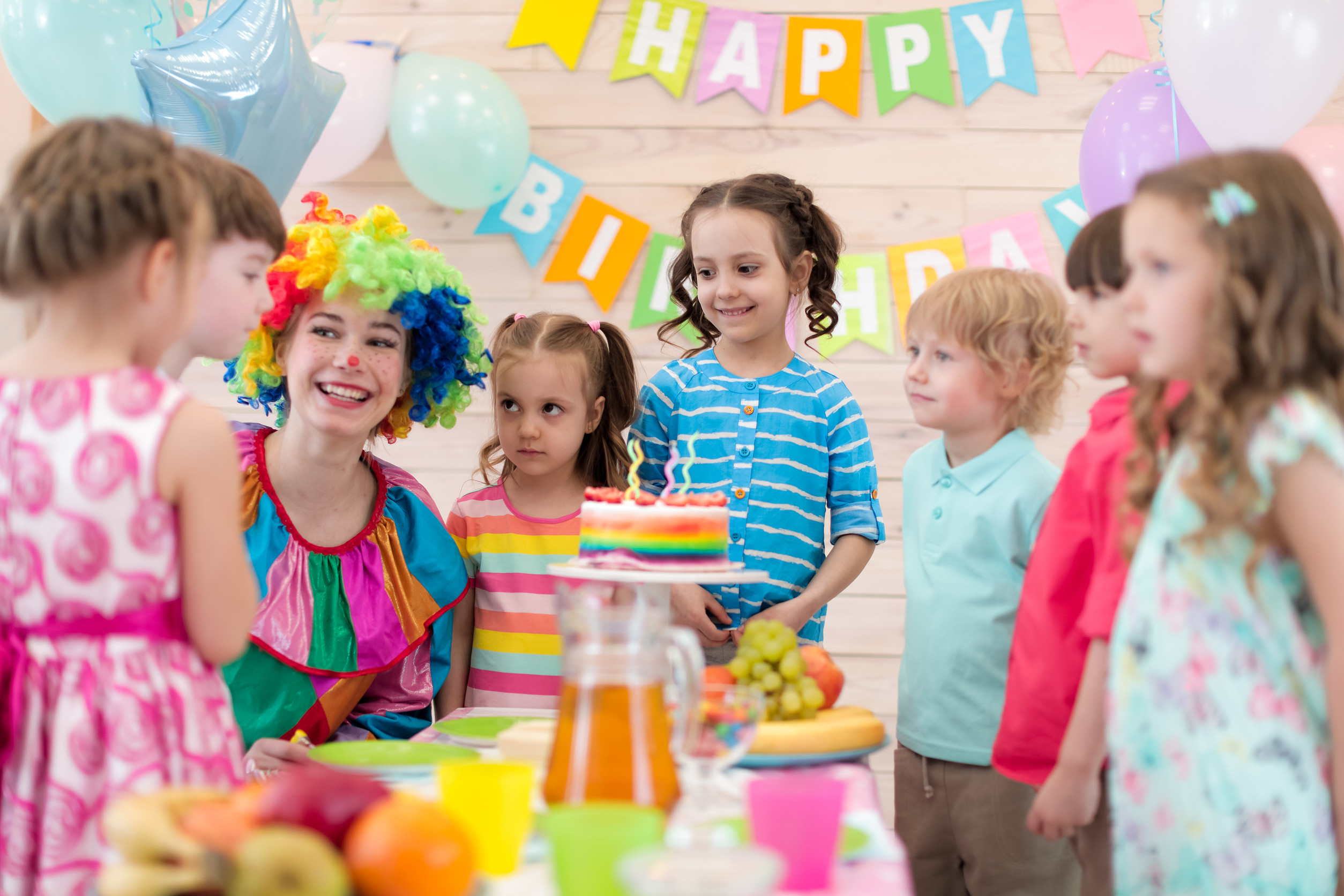
You’ve planned your child’s birthday party down to the last sprinkle—headcount confirmed, goody bags packed, pizza slices counted. Then the unexpected happens: a guest shows up with their cousins, siblings, and a surprise plus-one (or three) in tow. Suddenly, your budget is stretched, the food is running low, and your stress level is climbing fast. It’s a situation more parents face than you’d think, and while you can’t always prevent it, you can handle it with grace. If someone brings their whole crew to your kid’s party, here’s how to manage the moment without losing your cool.

1. Take a Deep Breath Before Reacting

Your first reaction may be frustration, panic, or even embarrassment—but take a beat before reacting. These unexpected guests usually aren’t trying to cause chaos; they may not realize they’re creating a problem. Starting off with calm energy helps you assess the situation before jumping to conclusions. Focus on keeping the vibe positive, especially since the birthday kid is watching. Keeping your cool sets the tone for how the rest of the event unfolds.

2. Make Quick Adjustments to Food and Supplies

Running out of snacks or drinks is one of the most immediate concerns when surprise guests arrive. Do a quick mental inventory or discreetly check your supplies to see what you can stretch or substitute. Consider cutting pizza slices in half, putting out an extra bag of chips, or reusing wrapping paper scraps to create more goody bags. If you’re hosting at home, see what extra snacks or drinks are already in your pantry. The goal is to keep things flowing without drawing attention to the hiccup.

3. Loop In a Backup Helper

If the kid’s party has suddenly doubled in size, recruit another adult to help you manage the crowd. Whether it’s your partner, a friend, or another parent who offered to stay, having an extra set of hands makes a big difference. Let them help with crowd control, refilling drinks, or directing kids through activities. This gives you space to think strategically and handle any last-minute tweaks. Delegating is not only smart—it’s necessary when the unexpected hits.

4. Redirect Extra Guests Toward Open Activities

If there are uninvited siblings or extra children tagging along, guide them toward low-maintenance party areas like a craft table, bubble station, or open-play zone. Keeping them engaged in something that doesn’t take away from the planned activities ensures the birthday kid still gets the spotlight. This also prevents any unintentional disruption of organized games or age-specific entertainment. Make it fun without making it a free-for-all. When in doubt, bring out sidewalk chalk—it’s a crowd-pleaser and easy to manage.

5. Keep the Birthday Kid at the Center

It’s easy to let frustration take over when things don’t go as planned, but remember who the day is really about. Make sure your child feels celebrated, included, and happy—even if the guest list has unexpectedly expanded. Try not to let party stress steal the joy from their big day. Even if it means skipping a structured game or adjusting the gift-opening, keep their needs at the heart of your decisions. The memories your child takes away from the party will outlast any awkward guest situations.

6. Handle the Guest’s Parent Politely but Firmly (If Needed)

If the guest’s parent is around and it’s clear they brought more kids than invited, a quick, polite comment can help set boundaries for the future. Try something like, “I wish I’d known you were bringing extra guests—I would’ve planned for them!” This opens the door for conversation without confrontation. If you’re dealing with someone who seems unaware or dismissive, you’re still allowed to protect your budget and boundaries next time around. It’s not rude to prioritize what’s best for your child and your event.

7. Adjust Expectations for Next Time

Use this experience to plan better for future parties. Consider adding a note to invitations like “Due to space and supplies, please RSVP only for [Child’s Name].” You can also build in a buffer by prepping a couple of extra goody bags and having a few extra slices of cake on standby. No plan is perfect, but small steps like these can help you stay ahead of surprise guests at your next kid’s party. When you know what to expect, the next party will feel a whole lot smoother.

The Party’s Still a Success—Even with a Few Surprises

Uninvited guests can be annoying, but they don’t have to ruin your child’s big day. With a few quick pivots and a positive attitude, you can keep the fun going and make the birthday kid feel just as special as you planned. Parenting means adapting on the fly, and this is just another chance to rise to the occasion. And hey, when your kid is older and throwing their own party? They’ll thank you for modeling how to handle unexpected chaos with style.

Have you ever dealt with unexpected guests at a kid’s party? How did you handle it? Share your story in the comments!

Read More:

8 Affordable Birthday Party Ideas That Won’t Break the Bank

7 Birthday Gifts Your Child Should Never Bring to a Party

Catherine Reed
Catherine Reed

Catherine is a tech-savvy writer who has focused on the personal finance space for more than eight years. She has a Bachelor’s in Information Technology and enjoys showcasing how tech can simplify everyday personal finance tasks like budgeting, spending tracking, and planning for the future. Additionally, she’s explored the ins and outs of the world of side hustles and loves to share what she’s learned along the way. When she’s not working, you can find her relaxing at home in the Pacific Northwest with her two cats or enjoying a cup of coffee at her neighborhood cafe.

Filed Under: Parenting Tagged With: birthday party tips, hosting kids events, kids party planning, parenting challenges, party etiquette, unexpected guests

10 Things Parents Should NEVER Use as Discipline (But Still Do)

May 23, 2025 | Leave a Comment

10 Things Parents Should NEVER Use as Discipline But Still Do

Discipline is one of the hardest parts of parenting—and in the heat of the moment, even the most loving parents can fall into habits that do more harm than good. Whether it’s out of frustration, exhaustion, or simply repeating what we were taught growing up, certain tactics get used way too often despite being ineffective or even damaging. The truth is, discipline should guide kids toward better choices, not punish them into obedience. Some of the most common tools parents use in the name of discipline are actually counterproductive. If we want to raise confident, emotionally healthy children, these ten approaches should be off the table.

1. Withdrawing Love or Affection

Using emotional withdrawal as a punishment sends a confusing and painful message to children. When parents withhold hugs, affection, or warmth to make a point, it teaches kids that love is conditional. This kind of discipline can leave long-lasting emotional scars and contribute to anxiety or low self-worth. Kids need to know they are loved no matter what—even when they mess up. Discipline should correct behavior, not make children question their place in your heart.

2. Public Shaming

Disciplining a child in front of others—whether it’s in the grocery store or on social media—might get immediate compliance, but it often comes at the cost of deep embarrassment. Shame doesn’t teach better behavior; it teaches fear and resentment. Children who are shamed in front of peers may develop social anxiety or withdraw altogether. Discipline works best when it’s private, respectful, and focused on learning. Preserving your child’s dignity is more powerful than a moment of control.

3. Yelling

Yelling can feel like a release in stressful moments, but it rarely leads to long-term behavior change. Kids tend to tune out raised voices or respond with fear, not understanding. Over time, frequent yelling can make children anxious or normalize aggressive communication. It also models poor conflict resolution, showing kids that loudness equals authority. Calm, clear communication is much more effective—and respectful.

4. Physical Punishment

Spanking and other forms of physical punishment may stop a behavior in the moment, but studies consistently show they are not effective for long-term discipline. Hitting teaches kids that problems can be solved with force and often leads to increased aggression or fear. It also damages trust between parent and child. There are better ways to teach consequences that don’t involve causing pain. Gentle but firm discipline builds understanding, not fear.

5. Taking Away Meals or Snacks

Using food as punishment sends the wrong message about both discipline and nutrition. Withholding meals can harm a child’s physical health and turn food into a source of control or shame. Children need nourishment to manage emotions and learn from their mistakes. If a child misbehaves at mealtime, it’s better to address the behavior separately. Food should never be tied to punishment—it’s a basic need, not a privilege.

6. Making Threats You Won’t Follow Through On

Empty threats may get short-term results, but kids quickly learn whether or not their parents actually mean what they say. Threats like “I’ll leave you here!” or “You’ll never get to go out again!” erode trust and make discipline feel like a bluffing game. Children thrive on consistency and clear boundaries. If a consequence isn’t something you’re willing or able to enforce, don’t say it. It’s better to set realistic expectations and stick to them.

7. Comparing Siblings or Other Kids

Telling a child they should behave more like a sibling or another child is not motivational—it’s damaging. Comparisons breed resentment, insecurity, and sibling rivalry. Every child is different and needs to be disciplined based on their own behavior, not someone else’s. The goal is to help kids grow into their best selves, not mirror someone else’s success. Keep discipline personal and focused on individual growth.

8. Humiliating Nicknames or Labels

Calling your child names like “lazy,” “brat,” or “bad kid” can cut deeper than you realize. Labels stick, and kids often start to believe the worst things said about them. Discipline should be about correcting actions, not attacking identity. When you label a child, you don’t leave space for them to change. Talk about behavior, not character, and always emphasize that mistakes are separate from who they are.

9. Making Them Feel Like a Burden

Saying things like “You’re driving me crazy” or “I can’t deal with you right now” may come out in frustration, but they tell kids they’re too much to handle. Children should never feel like they’re unwanted or a problem to be solved. These comments can stick in their minds and hurt their self-esteem. Instead of blaming the child, focus on the behavior that needs to change. Kids need to know that even when their actions are challenging, their presence is never too much.

10. Overusing Time-Outs Without Follow-Up

Time-outs can be useful in moderation, but when used as the only form of discipline, they quickly lose impact. Sitting alone in silence doesn’t teach much unless it’s followed up with a calm discussion. Kids need help understanding what they did wrong and how to make better choices next time. Discipline isn’t just about stopping behavior—it’s about guiding learning. Time-outs should be a reset, not a stand-alone punishment.

Discipline Should Teach, Not Tear Down

Effective discipline is rooted in teaching, not controlling. When we rely on fear, shame, or confusion to get quick results, we sacrifice long-term trust and emotional growth. Kids are more likely to listen and improve when they feel respected and understood. Replacing harmful habits with intentional, connected approaches makes discipline a tool for growth—not punishment. Every moment of correction is also a moment to strengthen your bond.

Have you caught yourself using one of these without realizing it? What have you changed in your discipline approach that worked better? Share in the comments!

Read More:

10 Creative Discipline Techniques That Don’t Involve Time-Out of Punishments

6 Times Parents Should Discipline in Public – Not Behind Closed Doors

Catherine Reed
Catherine Reed

Catherine is a tech-savvy writer who has focused on the personal finance space for more than eight years. She has a Bachelor’s in Information Technology and enjoys showcasing how tech can simplify everyday personal finance tasks like budgeting, spending tracking, and planning for the future. Additionally, she’s explored the ins and outs of the world of side hustles and loves to share what she’s learned along the way. When she’s not working, you can find her relaxing at home in the Pacific Northwest with her two cats or enjoying a cup of coffee at her neighborhood cafe.

Filed Under: Parenting Tagged With: child development, discipline tips, effective discipline, parent-child relationship, parenting advice, parenting mistakes, Positive Parenting

Taming the Snack Monster Without Tears

May 22, 2025 | Leave a Comment

Taming the Snack Monster Without Tears

If your toddler treats snack time like a full-contact sport and seems to ask for food every 15 minutes, you’re not alone. The “snack monster” phase is a real parenting challenge—where little tummies crave constant grazing, and boundaries feel impossible to enforce without meltdowns. But here’s the good news: you can create a healthy, predictable snack routine without tantrums or power struggles. With a few tweaks in timing, options, and communication, your child can learn that snack time isn’t all-day buffet time. Let’s look at how to tame the snack monster without tears (yours or theirs) and bring peace back to your pantry.

1. Set Consistent Snack Times

Toddlers and young kids thrive on structure, and consistent snack times help prevent nonstop requests. When snacks are available on demand, kids learn to eat out of boredom or habit rather than hunger. Instead, treat snacks like mini meals with set times between breakfast, lunch, and dinner. Announcing, “It’s snack time!” instead of giving in to random asks gives kids something to count on. Predictability helps reduce whining and builds healthy expectations around food.

2. Offer Balanced Snacks, Not Treats

Snack time often becomes dessert time if parents aren’t careful, and that can feed the snack monster even more. Instead of defaulting to crackers, fruit snacks, or cookies, offer a mix of protein, fiber, and healthy fats. Think apple slices with peanut butter, cheese and whole-grain crackers, or yogurt with berries. These balanced snacks keep your child full longer and prevent blood sugar crashes that lead to more hunger and mood swings. The key to snack success is nourishment over novelty.

3. Create a Snack Station

Empowering kids to make their own snack choices (within limits) can reduce arguments and boost independence. Set up a kid-friendly snack station in the pantry or fridge with pre-approved options. Use small bins labeled “choose one” and rotate items so it stays interesting but not overwhelming. Giving children ownership while maintaining structure satisfies both their need for control and your need for calm. The snack monster loses steam when choices are clear and consistent.

4. Use Snack Time to Teach Boundaries

When your child asks for a snack five minutes after lunch, it’s a teachable moment, not a parenting failure. Calmly say, “You just ate, so your next food will be at snack time,” and redirect to an activity or a drink of water. Repetition is key—they may not love it the first (or fourth) time, but kids learn through consistent messages. Boundaries don’t have to feel harsh when they’re delivered with love. The more predictable the routine, the less likely kids are to challenge it.

5. Keep Snacks Out of Sight

Out of sight, out of mind works wonders when taming the snack monster. If your child sees snacks on the counter all day, they’ll think about eating all day. Store snacks in closed containers, behind cabinet doors, or up high to reduce temptation. This small change can lead to fewer demands and better mealtime focus. A cleaner counter and fewer battles? Yes, please.

6. Watch the Timing Before Meals

Late-afternoon snacking can quickly sabotage dinner. If your child loads up on snacks too close to mealtime, they’re less likely to eat their vegetables and more likely to push the plate away. Try setting a “kitchen closes at” rule and give a last snack at least 90 minutes before dinner. If they’re hungry after that, remind them dinner is coming soon and offer a cup of water. Hunger helps reset the appetite for real meals and encourages better eating habits overall.

7. Limit “Snack Bribes” on the Go

It’s tempting to hand out snacks as a cure-all for whining during errands, but that habit builds unhealthy associations. Kids begin to link car rides, shopping trips, or even boredom with food, not true hunger. Instead, try keeping non-food distractions on hand like sticker books, small toys, or music. If they are genuinely hungry on the go, opt for a pre-planned, nutritious snack instead of a treat. Being intentional with snacks keeps the focus on nourishment, not distraction.

8. Talk About Fullness

Teaching kids to listen to their bodies is one of the most important steps in building healthy habits. Ask questions like, “Does your tummy feel full?” or “Are you still hungry, or just bored?” These prompts help kids connect their eating to physical cues instead of just routine or emotion. It might take time, but developing awareness of hunger and fullness pays off in the long run. Snack time becomes more mindful, and the snack monster starts to mellow.

9. Model Smart Snacking Yourself

Your child learns from watching you—especially when it comes to food. If they see you reaching for chips between meals or snacking while scrolling your phone, they’ll want to do the same. Instead, model balanced snacks, portion control, and mindful eating. Show them that snacks aren’t treats or time-killers, but part of healthy living. The snack monster loses power when everyone is on the same page.

10. Remember: You’re the Parent, Not the Pantry

It’s okay to say no. In fact, it’s healthy. Just because your child wants a snack doesn’t mean they need one, and it’s your job to set those limits with kindness and consistency. You provide the structure, they choose what and how much to eat within that structure. And when tears come, remember—they’re temporary. But healthy habits last a lifetime.

Feeding with Confidence, Not Chaos

The snack monster isn’t a sign that your child is out of control—it’s a sign they need help with routine, structure, and understanding hunger. By making thoughtful changes and staying consistent, you can create snack time habits that support their development without causing constant battles. Snacks don’t have to feel like enemy territory. They can be just another opportunity to teach, connect, and grow.

How do you handle snack time in your house? What’s worked best for taming your child’s snack monster? Let us know in the comments!

Read More:

The Snack Obsession: How It’s Sabotaging Your Kid’s Health

Eat More, Weigh Less: 15 Foods That Are Perfect for Snacking

Catherine Reed
Catherine Reed

Catherine is a tech-savvy writer who has focused on the personal finance space for more than eight years. She has a Bachelor’s in Information Technology and enjoys showcasing how tech can simplify everyday personal finance tasks like budgeting, spending tracking, and planning for the future. Additionally, she’s explored the ins and outs of the world of side hustles and loves to share what she’s learned along the way. When she’s not working, you can find her relaxing at home in the Pacific Northwest with her two cats or enjoying a cup of coffee at her neighborhood cafe.

Filed Under: Parenting Tagged With: feeding toddlers, healthy snacking for kids, mindful eating habits, parenting food habits, picky eaters, snack monster, toddler snack tips

10 Things Parents Should NEVER Apologize For (Even If It Feels Wrong)

May 22, 2025 | Leave a Comment

10 Things Parents Should NEVER Apologize For Even If It Feels Wrong

Parenting comes with a never-ending stream of choices, and unfortunately, so does the judgment that follows those choices. Whether it’s from strangers, relatives, or even that nagging voice in your own head, the pressure to parent perfectly is real. But here’s the truth: doing what’s right for your child and your family doesn’t require anyone’s approval. There are many decisions parents make every single day that deserve confidence, not apologies. If you’ve ever felt guilty for setting a boundary, saying no, or prioritizing your own well-being, it’s time to let that guilt go. Here are 10 things parents should never apologize for, even if it feels wrong.

1. Saying No (and Sticking to It)

You don’t owe anyone an apology for telling your child no. Boundaries are essential to raising responsible, respectful, and emotionally balanced kids. Children thrive when they know where the limits are, even if they don’t always like them. Saying no teaches patience, self-regulation, and delayed gratification. You’re the parent—it’s your job to guide, not just to please.

2. Choosing Screen Time When You Need a Break

Let’s be honest: sometimes, screen time saves the day. Whether you need to shower, make dinner, or just sit in silence for ten minutes, giving your child a tablet or turning on a show is not a failure. Moderation and content matter, but the occasional screen doesn’t ruin your parenting. In fact, allowing yourself to recharge can make you more present afterward. Never apologize for doing what you need to survive the moment.

3. Asking for Help

Raising kids is hard work, and no one should be expected to do it alone. Whether you ask your partner, a grandparent, or a babysitter for support, seeking help is a sign of strength, not weakness. It shows your child that it’s okay to lean on others and that community matters. Parents who ask for help are practicing self-awareness and resilience. If anything, we should normalize asking for help—not apologize for it.

4. Feeding Your Family in a Way That Works for You

Not every meal needs to be organic, homemade, or Pinterest-worthy. Feeding your family can mean frozen pizza one night and fresh veggies the next. What matters is that your child is nourished, not that every dinner meets someone else’s standards. Whether it’s breastfeeding, formula, snacks in the car, or fast food after soccer practice, your choices are valid. Never apologize for feeding your child in the way that works best for your life.

5. Enforcing Bedtime (Even at the Party)

A well-rested child is a happier child—and so is a well-rested parent. If you leave early from events or skip late-night activities to honor your child’s sleep schedule, you are making a smart decision. Sticking to a routine helps children feel secure and avoids unnecessary meltdowns. It’s okay if others don’t understand why you can’t stay for “just one more hour.” You know your child’s limits, and it’s perfectly fine to protect them.

6. Not Signing Up for Every Activity

Your child doesn’t need to do every sport, take every class, or join every club. Sometimes, saying no to more commitments is how you preserve family time, mental health, and your sanity. Overscheduling can lead to burnout for both kids and parents. Prioritizing rest and unstructured time is a healthy choice, not something to feel guilty about. Remember, “doing enough” looks different for every family.

7. Parenting Differently Than Your Friends or Family

You’re not required to follow the same path as the people around you. Whether you sleep train, co-sleep, homeschool, or send your child to daycare, what works for your family is what matters. People will always have opinions, but you don’t need to justify your choices to them. Trusting your instincts and tuning out judgment is a critical parenting skill. You should never apologize for doing what aligns with your values and your child’s needs.

8. Taking Time Away From Your Kids

Yes, you are allowed to have time to yourself. Whether it’s a coffee run alone, a night out with friends, or a full weekend away, prioritizing yourself is healthy. Stepping back from parenting now and then isn’t selfish—it’s essential for emotional well-being. You come back more refreshed, more patient, and more present. Your kids benefit from seeing that caring for yourself is part of being a strong parent.

9. Letting Your Child Be Bored

Constant entertainment isn’t necessary—or realistic. Boredom encourages creativity, problem-solving, and independence. If your child whines about being bored, it doesn’t mean you’ve failed as a parent. It means you’ve given them space to explore and engage with their environment. Don’t feel guilty for not playing cruise director every hour of the day.

10. Saying No to Visitors or Plans

Sometimes, you just need to stay home. Maybe your toddler’s on their third meltdown of the day or your newborn hasn’t let you sleep. Canceling plans, turning down visits, or choosing quiet over chaos is more than acceptable. Your well-being and your family’s comfort come first. You don’t owe anyone an apology for protecting your peace.

Own Your Parenting Without Apology

Guilt often sneaks in through the cracks of comparison, pressure, and unrealistic expectations. But parenting isn’t about perfection—it’s about presence, intention, and learning as you go. The truth is, most of the things we feel bad about are signs we’re doing our best. By owning our choices with confidence and compassion, we model that same strength for our kids. So let’s start letting go of the guilt and stop apologizing for being human.

Which of these resonated with you most? What’s something you’ve stopped apologizing for as a parent? Share your thoughts in the comments!

Read More:

10 Things Parents Should NEVER Pay For After Age 18

5 Toys That Were Never Designed to Be Used by Children

Catherine Reed
Catherine Reed

Catherine is a tech-savvy writer who has focused on the personal finance space for more than eight years. She has a Bachelor’s in Information Technology and enjoys showcasing how tech can simplify everyday personal finance tasks like budgeting, spending tracking, and planning for the future. Additionally, she’s explored the ins and outs of the world of side hustles and loves to share what she’s learned along the way. When she’s not working, you can find her relaxing at home in the Pacific Northwest with her two cats or enjoying a cup of coffee at her neighborhood cafe.

Filed Under: Parenting Tagged With: confidence in parenting, mom guilt, parenting boundaries, parenting choices, parenting guilt, parenting tips, self-care for parents

8 Signs Your Child Is in Charge of the Household (Not You)

May 22, 2025 | Leave a Comment

8 Signs Your Child Is in Charge of the Household Not You

Parenting isn’t always a power struggle—but sometimes it really feels like one. One minute you’re setting the rules, and the next, your kid is negotiating like a tiny lawyer or issuing ultimatums about what’s for dinner. If it often feels like your household revolves around your child’s moods, preferences, and demands, you’re not alone. Many well-meaning parents accidentally hand over the reins without realizing it until routines start unraveling. Recognizing the signs that your child is running the show can help you take back your role as the parent and restore a healthy family balance.

1. Your Child Dictates Every Meal

If your weekly meal plan reads more like a short-order menu, there’s a good chance your child is calling the shots. Constantly cooking separate meals or scrapping your dinner plans to avoid a meltdown gives them the power to override your decisions. While it’s fine to honor preferences, giving in every time teaches kids that whining or refusing food gets results. This habit can create stress around mealtimes and limit your child’s willingness to try new foods. It’s okay to have pizza night—just make sure you’re the one choosing when.

2. Bedtime Is a Negotiation (Every Night)

Bedtime routines should help children wind down and feel secure, but if each night turns into a back-and-forth debate, it’s a red flag. Kids in charge often stretch their bedtime by asking for more stories, snacks, or last-minute confessions of hunger or fear. Giving in repeatedly to these stalling tactics can slowly erode boundaries and leave parents exhausted. It’s important to hold firm while still being kind, reinforcing that sleep isn’t up for discussion. A consistent bedtime routine signals that parents—not children—are managing the schedule.

3. Tantrums Always Lead to Rule Changes

Every child throws a tantrum now and then, especially when they’re tired or overstimulated. But if rule changes often follow emotional outbursts, your child may have learned that big reactions equal big rewards. Allowing tantrums to reshape house rules teaches kids to push limits when they want control. Boundaries need to be predictable and calmly enforced, even when emotions run high. Giving in for peace in the moment can cause bigger battles in the future.

4. You Avoid Saying No to Prevent Conflict

No one enjoys being the “bad guy,” but saying yes just to avoid a tantrum can put kids in the driver’s seat. If your child is rarely told “no” or consistently finds ways around limits, they may start believing the rules don’t apply to them. Avoiding conflict may keep the peace temporarily, but it weakens your authority over time. Children feel more secure when parents set clear expectations—even if they protest at first. Learning to handle disappointment is a critical life skill that starts at home.

5. Your Child Makes All the Social Decisions

Do you find yourself skipping events, leaving early, or rearranging plans to suit your child’s every whim? While it’s important to consider your child’s comfort, letting them control the family calendar can backfire. Children who always get their way in social situations may struggle with flexibility and empathy as they grow. Parents should model how to balance everyone’s needs rather than catering to one person’s preferences. It’s healthy for kids to sometimes adapt to plans they didn’t choose.

6. You Feel Like You’re Walking on Eggshells

When parents begin adjusting their behavior to prevent a child’s emotional explosions, the family dynamic shifts in the wrong direction. Whether it’s avoiding certain topics, hesitating to set limits, or constantly tiptoeing around moods, this behavior signals a loss of parental leadership. Kids need to see that emotions are welcome, but they don’t dictate behavior or household rules. When children sense that their feelings control the environment, they lose the opportunity to build resilience. It’s not about ignoring emotions—it’s about guiding your child through them, not letting them lead the way.

7. Your Child Talks to You Like a Peer

It’s natural for kids to test boundaries as they grow, but if your child regularly speaks to you with disrespect or sarcasm, it’s time to reestablish roles. Children who feel too equal in authority may treat parents more like roommates than caregivers. Respectful communication is a two-way street, and parents should model and expect it in return. While open dialogue is great, children still need to understand that parents set the tone. Reinforcing your role with kindness and clarity helps reset that balance.

8. You’re Constantly Second-Guessing Yourself

If every parenting decision turns into a debate—whether internal or with your child—you may have lost confidence in your authority. Children who are used to being in control often question or challenge every rule or request. When parents feel unsure, it opens the door for power struggles. Trusting your instincts and sticking to clear, consistent rules reinforces your leadership. Children thrive when they know someone else is confidently steering the ship.

Regaining Balance Without Power Struggles

Noticing that your child is running the household doesn’t mean you’ve failed—it means you care enough to course-correct. The goal isn’t to squash your child’s spirit, but to reestablish a healthy dynamic where love and limits work together. Kids feel safest when they know their parents are confidently in charge. It might take time and consistency, but with clear expectations and calm reinforcement, you can reset the balance in your home. Parenting isn’t about control—it’s about leadership rooted in love.

Have you experienced any of these signs of a child in charge in your home? What strategies have helped you regain balance? Share your experiences in the comments!

Read More:

7 Secrets to Stopping Toddler Tantrums

5 Harsh Truths About Being the Only Parent Who Sets Rules

Catherine Reed
Catherine Reed

Catherine is a tech-savvy writer who has focused on the personal finance space for more than eight years. She has a Bachelor’s in Information Technology and enjoys showcasing how tech can simplify everyday personal finance tasks like budgeting, spending tracking, and planning for the future. Additionally, she’s explored the ins and outs of the world of side hustles and loves to share what she’s learned along the way. When she’s not working, you can find her relaxing at home in the Pacific Northwest with her two cats or enjoying a cup of coffee at her neighborhood cafe.

Filed Under: Parenting Tagged With: child behavior, family dynamics, household discipline, parenting struggles, parenting tips, setting boundaries

10 Things a Parent Should Never Say to Their Child About Their Looks

May 21, 2025 | Leave a Comment

10 Things a Parent Should Never Say to Their Child About Their Looks

Kids start forming their sense of self earlier than most parents realize—and what they hear about their appearance can stick for years, even decades. Whether it’s a casual comment or a well-meaning “joke,” the way adults talk about children’s bodies, faces, and features can shape how they see themselves long after childhood. Sadly, even seemingly harmless remarks can fuel self-doubt, insecurity, or disordered thinking. In a world already obsessed with appearance, children need home to be a safe place for self-acceptance. These are 10 things a parent should never say to their child about their looks—and what to say instead.

1. “You’d Be So Much Cuter If You Lost a Little Weight”

This sentence might come out with the intention of helping, but it plants a painful seed of shame. Weight-related comments can lead children to believe their value is based on body size. These words don’t motivate—they damage. Kids should hear that they’re loved and worthy regardless of their weight. If health is a concern, focus on strength, energy, and habits, not appearance.

2. “You Have My Nose—Sorry About That”

Joking about “bad genes” might seem lighthearted, but kids hear it as a flaw they didn’t ask for. When a parent mocks their own features, it teaches children to view theirs the same way. Body image can be passed down, both genetically and emotionally. Instead, celebrate unique traits as something special, not something to apologize for. A parent should never say anything that teaches a child to dislike what makes them unique.

3. “Why Can’t You Dress More Girly/Manly?”

Pushing gender norms when it comes to appearance can make a child feel like they don’t belong or aren’t accepted for who they are. Whether it’s hairstyles, clothing choices, or how they carry themselves, kids need room to explore identity without judgment. Shaming them for not fitting into a box chips away at their confidence. Let your child express themselves safely, and show curiosity instead of criticism. A parent should never say things that force kids to hide who they are.

4. “You Look Better When You Smile”

While this phrase may sound like a compliment, it subtly suggests a child’s natural expression isn’t good enough. It teaches them that their job is to look happy for others, even when they don’t feel it. This can be especially damaging for kids who are shy, sensitive, or dealing with emotional stress. Instead of commenting on their expressions, ask how they’re feeling and listen with empathy. Parents should never say something that encourages emotional masking.

5. “You’ll Never Get a Date Looking Like That”

Teasing kids about dating, attractiveness, or how others will perceive them can spark deep insecurity. It links their value to how desirable they are to someone else and implies they have to meet certain standards to be lovable. This type of comment can have lasting effects on self-worth and body image. A better message is that relationships should be built on mutual respect and kindness, not looks. A parent should never say anything that ties love to appearance.

6. “You’re Too Pretty/Handsome to Be Acting Like That”

This may sound like praise, but it connects physical appearance with behavior, suggesting that beauty and character are somehow linked. It can teach kids to rely on their looks to gain approval or avoid consequences. Over time, this mindset can lead to insecurity when they feel they’re not “looking their best.” Instead, compliment kindness, effort, or creativity—things they control and can grow. Parents should never say things that confuse self-worth with image.

7. “Are You Really Going Out Looking Like That?”

This question might come from concern, but it sounds like judgment. It can make kids second-guess their choices and feel like their sense of style isn’t valid. Even if their outfit seems mismatched or outlandish, it’s part of how they’re learning to express themselves. Ask what they love about what they’re wearing instead of criticizing it. A parent should never say something that discourages self-expression.

8. “You’re Getting So Big—You’d Better Watch It”

Growth is a natural and healthy part of childhood, and commenting on it with fear or concern sends the wrong message. Phrases like this link development with shame, especially when bodies start to change in puberty. Kids don’t need to “watch it”—they need support, information, and reassurance. Focus on what their body can do, not how it looks. A parent should never say things that create shame around growing up.

9. “You’re the Pretty One/Smart One/Sporty One”

Labeling one child based on looks and the other based on personality sets up unnecessary comparison and competition. It can lock kids into boxes that feel limiting or unfair. Even compliments can sting when they’re used to divide. Make sure each child knows they’re valued for multiple qualities, not just one identity. A parent should never say something that pits siblings against each other.

10. “You Look Just Like [Insert Negative Comparison]”

Whether it’s a relative, an ex, or someone they’ve never met, comparing a child’s appearance to someone unfavorably is a surefire confidence crusher. Kids internalize those associations quickly and may begin to dislike parts of themselves by association. Keep comparisons positive or skip them altogether. Each child is their own person, and that should be celebrated. A parent should never say things that make a child question their identity.

Your Words Shape Their Reflection

What is said about a child’s looks becomes part of the mirror they see themselves through. Comments that seem small or playful can shape lifelong insecurities, while intentional words can build resilience and self-acceptance. Instead of focusing on appearance, speak to who they are, how they feel, and what makes them unique. Children don’t need to hear they’re flawless—they need to hear they’re enough.

Have you ever caught yourself saying one of these without realizing the impact? What helped you shift the conversation? Share your thoughts in the comments!

Read More:

10 Things Parents Should NEVER Pay For After Age 18

5 Toys That Were Never Designed to Be Used by Children

Catherine Reed
Catherine Reed

Catherine is a tech-savvy writer who has focused on the personal finance space for more than eight years. She has a Bachelor’s in Information Technology and enjoys showcasing how tech can simplify everyday personal finance tasks like budgeting, spending tracking, and planning for the future. Additionally, she’s explored the ins and outs of the world of side hustles and loves to share what she’s learned along the way. When she’s not working, you can find her relaxing at home in the Pacific Northwest with her two cats or enjoying a cup of coffee at her neighborhood cafe.

Filed Under: Parenting Tagged With: body image, child development, parenting language, parenting tips, Positive Parenting, raising confident kids, self-esteem

You’re Not a Bad Parent for Saying No—But You Might Be for Always Saying Yes

May 21, 2025 | Leave a Comment

saying no

Somewhere along the line, many parents started fearing the word no—as if setting limits might damage their child’s self-esteem or rob them of some magical childhood experience. But in trying to be endlessly agreeable, we may be doing the opposite of what our kids actually need. Parenting isn’t about constant accommodation; it’s about guidance, boundaries, and preparing children for real life. Saying no doesn’t mean you’re being mean, cold, or controlling. In fact, it might be the most loving word a parent can use.

1. Yes Doesn’t Always Mean Safe or Healthy

When we constantly say yes to everything our kids ask for—whether it’s another cookie, extra screen time, or skipping bedtime—we sometimes ignore what’s best for them in the long run. Children don’t naturally know how to manage impulse control, and always giving in teaches them that desire equals entitlement. Setting boundaries may lead to frustration in the short term, but it builds habits that promote health, safety, and responsibility. Saying no to unhealthy choices isn’t just okay—it’s necessary. The goal isn’t constant happiness but long-term well-being.

2. Kids Need Limits to Feel Secure

It might sound backward, but hearing the word no actually helps children feel more grounded. Boundaries communicate safety, structure, and predictability—things kids crave even if they can’t articulate it. A home without limits can feel chaotic or confusing, and children may act out simply to test where the lines are. When parents set clear rules and follow through, it creates a sense of security. Saying yes too often may keep the peace in the moment, but it can also leave kids feeling unanchored.

3. Constant Yeses Can Lead to Entitlement

If kids always hear yes, they may come to expect it as the default—at home, in school, and eventually in the workplace. This can create a sense of entitlement where they believe the world should accommodate them at every turn. Learning to accept no with grace is an essential part of growing up and developing empathy. Saying no teaches patience, perspective, and resilience. Without it, children may struggle with disappointment and conflict later in life.

4. You Can Say No Without Being Harsh

Some parents associate the word no with negativity, punishment, or rejection, but it doesn’t have to be any of those things. A calm, loving no can be just as powerful as a yes when it’s delivered with empathy and clarity. You can validate your child’s feelings and still hold the boundary. For example, “I know you really want that toy right now, and it’s hard to wait, but we’re not buying anything today” shows both compassion and firmness. The tone matters as much as the message.

5. Kids Learn by Watching What We Allow

Children notice patterns—especially when it comes to rules that bend depending on your mood or their persistence. If you say no but cave after begging or whining, you’re unintentionally teaching them that boundaries are flexible and can be worn down. This leads to more power struggles, not fewer. Consistent limits build respect and help kids learn that rules exist for a reason. Saying yes just to avoid a meltdown may solve the moment but undermines the lesson.

6. It’s Okay for Kids to Be Disappointed

One of the hardest parenting lessons is realizing that your child’s disappointment doesn’t mean you’ve failed them. In fact, letting them experience disappointment helps them learn how to regulate emotions, problem-solve, and develop coping skills. If we constantly shield kids from feeling anything unpleasant, we rob them of the chance to grow stronger. Discomfort is not the enemy—it’s part of learning. Saying no, kindly and consistently, gives kids room to develop emotional resilience.

7. Always Saying Yes Can Burn You Out

When parents never say no, it’s usually not because they’re lazy—it’s because they’re exhausted. It feels easier to agree than to face another argument or emotional outburst. But this pattern leads to burnout and resentment, making it harder to stay present and connected. Children need parents who are emotionally regulated and engaged, not depleted and reactive. Saying no isn’t selfish—it’s sometimes the only way to protect your own mental health.

8. Not Every Moment Has to Be Magical

The pressure to make every day “special” or “Instagram-worthy” leads many parents to overextend themselves with yes after yes. But kids don’t need constant entertainment or indulgence—they need connection, consistency, and time to be bored and creative. Ordinary moments matter, and children benefit from learning that happiness doesn’t always come from getting what they want. Saying no makes room for gratitude, imagination, and appreciation of the everyday. It also helps reduce unrealistic expectations for you and for them.

Sometimes No Is the Best Yes

Saying no isn’t about shutting your child down—it’s about showing up with courage, clarity, and care. When we set thoughtful boundaries, we give our kids the tools they need to thrive in the world beyond our homes. Always saying yes may feel easier in the short term, but over time, it can leave kids ill-equipped to handle life’s challenges. Saying no, on the other hand, builds character, resilience, and respect on both sides of the relationship. Sometimes, no is the most powerful yes we can give.

Do you struggle with saying no to your child? What boundaries have you found helpful in your parenting journey? Share your thoughts in the comments!

Read More:

How to Teach Kids to Say No—Even to Grownups

How Do You Teach Kids About Consent and Boundaries?

Catherine Reed
Catherine Reed

Catherine is a tech-savvy writer who has focused on the personal finance space for more than eight years. She has a Bachelor’s in Information Technology and enjoys showcasing how tech can simplify everyday personal finance tasks like budgeting, spending tracking, and planning for the future. Additionally, she’s explored the ins and outs of the world of side hustles and loves to share what she’s learned along the way. When she’s not working, you can find her relaxing at home in the Pacific Northwest with her two cats or enjoying a cup of coffee at her neighborhood cafe.

Filed Under: Parenting Tagged With: child development, emotional parenting, healthy discipline, mindful parenting, parenting advice, parenting boundaries, saying no to kids

9 Responsibilities Every Parent Should Stop Outsourcing Immediately

May 20, 2025 | Leave a Comment

9 Responsibilities Every Parent Should Stop Outsourcing Immediately

It’s easy to fall into the trap of convenience, especially in a world where almost every parenting task has a service attached to it. Need someone to pack lunches? There’s a delivery for that. Help with homework? Hire a tutor. But while outsourcing can be helpful in a pinch, over-relying on it may shortchange your child’s emotional development—and your relationship with them. Some responsibilities simply belong to parents, no matter how busy life gets. Reclaiming these roles can strengthen trust, build deeper connections, and show your kids what true parenting looks like.

1. Teaching Manners and Respect

Politeness isn’t just taught at school or expected from babysitters. Parents are a child’s first and most consistent example of how to treat others. Saying “please,” “thank you,” and speaking respectfully should be part of everyday interactions at home. When children witness their parents using manners consistently, they absorb those habits more naturally. Don’t hand off this important lesson to teachers or caregivers—it starts with you.

2. Handling Emotional Regulation

Therapists and counselors can offer support, but emotional coaching begins at home. Kids need help recognizing their feelings and learning how to express them in healthy ways. If parents don’t take the lead, children may turn to screens or outside sources to cope with stress. Validating emotions, naming them, and modeling calm responses builds lifelong emotional intelligence. Outsourcing this responsibility can create emotional gaps that are hard to fill later.

3. Creating Healthy Eating Habits

Meal services and takeout have their place, but when parents always outsource food prep, kids miss out on essential nutrition lessons. Letting children help with grocery shopping, cooking, or setting the table teaches them what balanced meals look like. It also creates a chance to connect through conversation and shared responsibility. Establishing healthy eating habits doesn’t need to be perfect, but it should be personal. Making food a family affair helps kids build a positive relationship with what they eat.

4. Being Present at Bedtime

Outsourcing bedtime routines to nannies, grandparents, or tablets might seem practical—but those few minutes before sleep are packed with emotional opportunity. Reading stories, talking about the day, and offering hugs or reassurances create safety and routine. Kids feel most secure when they know their parents are consistently there to help them wind down. Even on the most hectic days, bedtime should be protected time between parent and child. It’s a small investment with long-term rewards in connection and trust.

5. Teaching Financial Values

No school or babysitter will teach your child how to manage money quite like you can. Whether it’s handling an allowance, saving for a toy, or making choices at the store, financial education starts with day-to-day decisions. Discussing needs vs. wants, budgeting, and even letting kids make small mistakes gives them essential life skills. Don’t rely on apps or teachers alone to cover this ground. Teaching financial values is a parental responsibility that shapes their future.

6. Guiding Screen Time Use

It’s tempting to outsource screen monitoring to apps or just trust schools and YouTube to police content. But kids need real guidance on how to use technology responsibly. That means parents should actively set limits, model healthy habits, and talk about what’s appropriate to watch or share. When parents ignore this responsibility, kids often consume content that’s unhelpful or even harmful. Being part of your child’s digital life shows them it matters—and that they matter.

7. Helping with Homework and Learning

Tutors and online learning tools can offer support, but they’re no substitute for a parent’s involvement. Even if you’re not great at math or science, showing interest in your child’s schoolwork reinforces the importance of learning. Ask questions, celebrate their efforts, and provide a quiet space for studying. Kids who feel supported at home tend to do better academically. Don’t underestimate the value of simply showing up during homework time.

8. Modeling Household Responsibility

Chores build character, but only if parents model responsibility too. Hiring cleaners, lawn services, or handymen is fine on occasion, but make sure your kids see you taking part in the everyday upkeep of the home. When children observe you washing dishes, folding laundry, or organizing a closet, they’re more likely to pitch in and take pride in their own contributions. Outsourcing everything teaches them that responsibility is someone else’s job. Let them see that every family member plays a role.

9. Disciplining with Love and Consistency

It’s not a teacher’s or caregiver’s job to instill your family’s values through discipline. When parents hand off discipline entirely, it can lead to inconsistent expectations and confusion for the child. Discipline rooted in love, boundaries, and communication needs to come directly from parents. That doesn’t mean punishment—it means being present, firm, and fair. Your child needs to know that you’re in charge, and that you care enough to correct them with purpose.

The Magic Is in Showing Up

Being a parent doesn’t mean doing everything perfectly—it means doing the things that matter, even when it’s hard or inconvenient. While outsourcing can offer helpful relief, some roles are too important to give away. Your presence, values, and consistency are what shape your child’s worldview. When you take back these key parenting responsibilities, you’re not just raising a child—you’re building a relationship that lasts a lifetime.

Have you found yourself outsourcing more than you’d like? Which parenting responsibility are you reclaiming first? Let us know in the comments!

Read More:

10 Parenting Duties Most Moms and Dads Completely Underestimate

13 Effective Time-Management Tips for Busy Parents

Catherine Reed
Catherine Reed

Catherine is a tech-savvy writer who has focused on the personal finance space for more than eight years. She has a Bachelor’s in Information Technology and enjoys showcasing how tech can simplify everyday personal finance tasks like budgeting, spending tracking, and planning for the future. Additionally, she’s explored the ins and outs of the world of side hustles and loves to share what she’s learned along the way. When she’s not working, you can find her relaxing at home in the Pacific Northwest with her two cats or enjoying a cup of coffee at her neighborhood cafe.

Filed Under: Parenting Tagged With: emotional development, family connection, Financial Education, parental involvement, parenting tips, raising responsible kids, Screen Time

When YouTube Becomes the Babysitter—And How to Take Control

May 20, 2025 | Leave a Comment

When YouTube Becomes the Babysitter And How to Take Control

It starts out innocently enough: a quick video to buy five minutes of peace while making dinner or answering an email. But before long, YouTube becomes the go-to solution every time your child is bored, fussy, or in need of entertainment. If it feels like screens are parenting more than you are some days, you’re not alone. Many parents find themselves relying on digital content more than they’d like, especially when juggling work, chores, and everything else life throws their way. The good news? You can take back control of screen time and make more intentional choices that benefit your child’s development and your family dynamic.

1. Recognize When YouTube Crosses the Line

Not all screen time is harmful, but when YouTube becomes the default babysitter, it’s worth asking why. Kids might start to rely on videos for comfort, stimulation, or even as a sleep aid, which can crowd out healthier habits. Pay attention to when and why your child turns to screens—is it boredom, stress, or just a habit? Identifying the root cause helps you address the need rather than just the behavior. Being mindful of patterns is the first step toward reclaiming balance.

2. Set Clear Screen Time Boundaries

Kids thrive on structure, and that includes knowing when screen time is allowed. Create daily or weekly limits that fit your family’s routine, whether that’s 30 minutes after school or specific times on weekends. Consistency matters, so enforce the rules gently but firmly. Use timers or parental controls to make transitions easier and reduce arguments. When children know what to expect, they’re less likely to resist or sneak in extra time.

3. Curate Content with Care

Let’s face it: YouTube is a mixed bag. While it offers some high-quality educational programming, it also includes content that’s noisy, addictive, or downright inappropriate. Avoid handing over the remote entirely—instead, help your child choose shows or creators that align with your values. Consider using platforms like YouTube Kids, where you can tailor access and filter what’s available. Being involved in content choices ensures that screen time becomes a learning opportunity, not just a distraction.

4. Offer Engaging Alternatives

Sometimes, screen time takes over simply because there’s nothing else competing for attention. Keep age-appropriate toys, books, art supplies, and puzzles within easy reach. Encourage your child to play outside, build something with blocks, or even help you with simple chores. Rotating toys or introducing new activities periodically can reignite interest. When kids have fun, hands-on options, they’re less likely to reach for the tablet.

5. Model Healthy Screen Habits

Kids notice when parents scroll through phones at dinner or binge-watch TV at night. They learn what’s “normal” from what they see at home. Make a point of putting your phone away during meals, engaging in non-screen activities together, and showing that you also value tech-free time. It sends a strong message when the whole family works toward balanced habits. Modeling restraint is more effective than preaching it.

6. Use Screens as a Tool, Not a Crutch

Technology can be a helpful part of modern parenting when used purposefully. Use YouTube to supplement learning, spark creativity, or explore shared interests together. Watch a science video and do a related experiment afterward, or explore kid-friendly cooking channels and make a recipe as a family. When screens serve a purpose beyond entertainment, they become tools—not babysitters. The key is to stay involved and make it collaborative.

7. Build Transitions into Your Routine

One of the biggest challenges with screen time is getting kids to turn it off without a meltdown. Transitions are easier when kids are given a warning and something to look forward to next. Try saying, “You have five more minutes, then we’re going to read a book or go outside.” Use visual timers or countdown songs for younger children. Practicing this regularly helps make the shift away from screens smoother and less stressful for everyone.

8. Don’t Guilt Yourself—Parenting Is Hard

Every parent has moments where a screen saves the day. That doesn’t make you lazy or inattentive. It means you’re human and doing your best in a demanding world. The goal isn’t to eliminate YouTube completely but to use it mindfully and in moderation. Give yourself grace and focus on small changes that make a big impact.

Reclaiming Connection, One Choice at a Time

When YouTube becomes the babysitter, it’s often a sign that families are overwhelmed and in need of support—not judgment. By setting thoughtful limits, choosing meaningful content, and offering real-world alternatives, parents can regain control and create more connection in everyday life. Screen time doesn’t have to take over; with intention, it can be part of a balanced, happy home.

Have you ever found yourself relying on YouTube a little more than you’d like? What strategies have helped you take back control? Share your thoughts in the comments!

Read More:

YouTube Safety Rules Every Parent Should Know

Is a Youtube Channel for Your Kids a Good Idea? – Kids Ain’t Cheap

Catherine Reed
Catherine Reed

Catherine is a tech-savvy writer who has focused on the personal finance space for more than eight years. She has a Bachelor’s in Information Technology and enjoys showcasing how tech can simplify everyday personal finance tasks like budgeting, spending tracking, and planning for the future. Additionally, she’s explored the ins and outs of the world of side hustles and loves to share what she’s learned along the way. When she’s not working, you can find her relaxing at home in the Pacific Northwest with her two cats or enjoying a cup of coffee at her neighborhood cafe.

Filed Under: Parenting Tagged With: digital parenting, healthy routines, KidsAintCheap, parenting tips, Screen Time, technology balance, YouTube and kids

« Previous Page
Next Page »
  • Facebook
  • Pinterest
  • RSS
  • Twitter
Best Parenting Blogs

Most Popular

Baby

10 Baby Names That Were Once Considered “Grandparent Names” but Feel Cool Again

Evan Morgan
Baby

9 Baby Names Inspired by Fall Without Naming Your Child Autumn

Evan Morgan
Baby

10 Vintage Baby Names That Sound Surprisingly Modern Again

Evan Morgan
Baby names

Teachers Admit: These 6 Baby Names Create Instant Bias in the Classroom

Latrice Perez
6 Baby Names That Sound Cute Now but Cause Problems Later

6 Baby Names That Sound Cute Now but Cause Problems Later

Brandon Marcus

All content on Kids Ain’t Cheap is for entertainment purposes only. By reading this blog, you agree that Kids Ain’t Cheap is not responsible for any actions taken after reading this blog. For the full disclaimer, see our privacy policy.

Please note that Kids Ain’t Cheap has financial relationships with some of the merchants mentioned here. Kids Ain’t Cheap is funded by banner advertising, commission sales and search optimization consulting.

Copyright © 2006–2026 | District Media | All Rights Reserved | Privacy Policy

Copyright © 2026 Runway Pro Theme by Viva la Violette